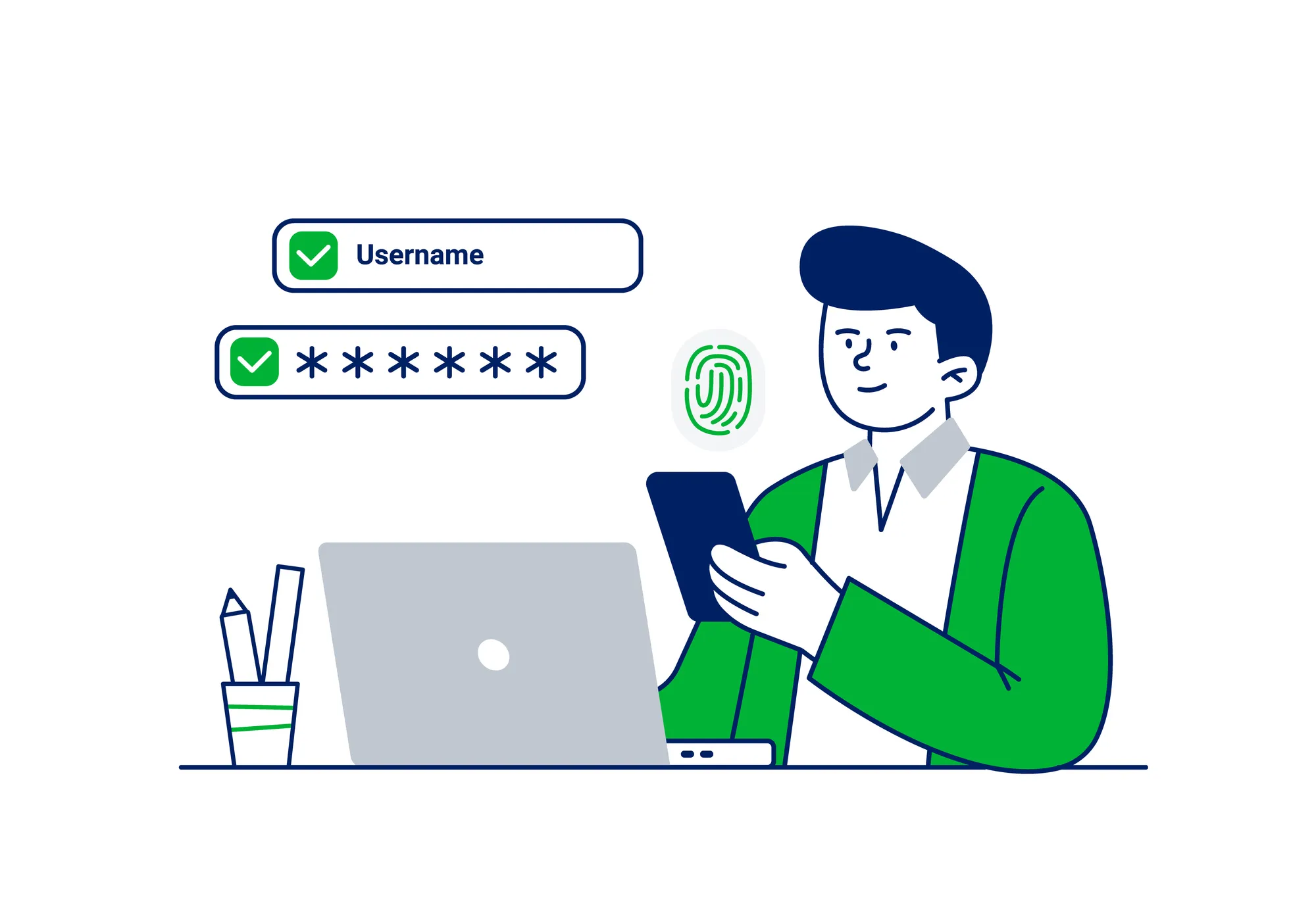
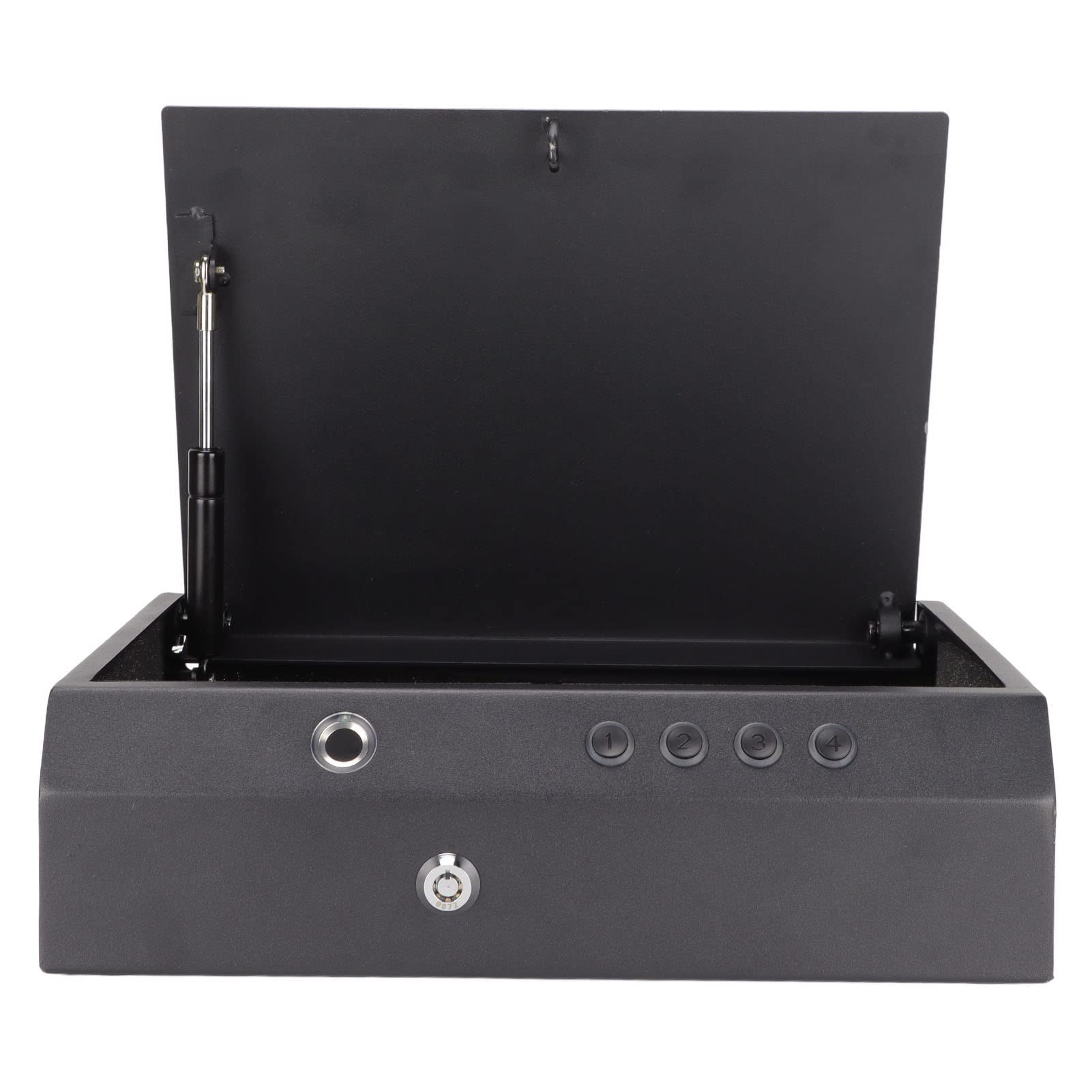
A six-digit password, commonly used for Personal Identification Numbers (PINs) or Multi-Factor Authentication (MFA) codes, serves as a primary layer of identity verification. While convenient for rapid authentication, its security efficacy depends entirely on the implementation environment, the prevention of brute-force attacks, and the exclusion of predictable numerical sequences.
Defining the Six-Digit Password in Modern Security
In the landscape of 2026 digital security, the six-digit numerical sequence holds a unique position. Unlike complex alphanumeric passwords—which rely on length and character variety to combat dictionary attacks—the six-digit password is intentionally constrained. It is typically found in two primary contexts: as a static PIN for device or account access, and as a Time-based One-Time Password (TOTP) generated by authenticator applications or SMS services.
The primary limitation of a six-digit password is its restricted keyspace. With only 10 possible digits (0–9) and six positions, there are exactly 1,000,000 unique combinations (10^6). While this number might seem substantial to a human attempting to guess a code, it is computationally trivial for a modern machine to cycle through if the system lacks adequate rate-limiting or lockout mechanisms. Consequently, the security of a six-digit password is not derived from the inherent difficulty of the code itself, but from the surrounding security infrastructure that enforces penalties for incorrect guesses.
The Mechanism of Numerical Security: Static vs. Dynamic
To understand how a six-digit code functions, one must distinguish between static and dynamic implementations.
Static PINs
A static PIN is a permanent code chosen by the user or assigned by a service provider to authenticate a recurring action, such as unlocking a mobile device or authorizing a physical ATM withdrawal. The security risk here is primarily related to user behavior. If a user selects a predictable sequence—such as "123456" or a birth year—the effective entropy of the code collapses. Because the code does not change, an attacker who gains access to the hash of the PIN or has physical proximity to the device can perform repeated attempts if the system is improperly configured.
Dynamic (One-Time) Passwords
The most prevalent use of the six-digit code in 2026 is the One-Time Password (OTP). These are generally valid for a brief window—often 30 to 60 seconds—before they expire. This implementation solves the "replay attack" vulnerability inherent in static passwords. Even if an attacker intercepts a six-digit code, the value becomes useless shortly after the transmission, rendering stolen credentials obsolete.
Entropy and Brute-Force Vulnerability
In cryptographic terms, entropy refers to the randomness or uncertainty of a password. A six-digit numerical code has approximately 19.9 bits of entropy. By contrast, a 12-character password using upper and lowercase letters, numbers, and symbols possesses significantly higher entropy, making it exponentially harder to crack.
The "security" of the six-digit format is almost entirely dependent on rate limiting. If a system allows infinite attempts, a six-digit code can be compromised in seconds. However, most modern enterprise systems enforce a lockout after three to five failed attempts. When an attacker is forced to wait or is permanently blocked after a handful of tries, the limited keyspace of the six-digit code becomes a functional wall rather than a weakness.
Comparing Six-Digit Authentication Methods
| Method | Characteristic | Primary Risk | Mitigation |
|---|---|---|---|
| Static PIN | Persistent, user-defined | Predictability, shoulder surfing | Rate-limiting, account lockout |
| SMS OTP | Short-lived, sent to device | SIM swapping, interception | Encryption, time-based expiry |
| App-based TOTP | Time-based, localized | Device compromise | Secure enclave, biometrics |
| Hardware Key | Physical token | Loss of hardware | Recovery codes, secondary MFA |
The Critical Role of Rate Limiting and Lockouts
For any developer or system administrator, the implementation of a six-digit password system is incomplete without rigorous enforcement mechanisms. A "fail-fast" security posture is required to protect these credentials.
- Incremental Lockout: The system should implement a delay that increases exponentially with every failed attempt. This makes it impossible for automated scripts to cycle through all 1,000,000 combinations in a reasonable timeframe.
- Hard Lockout: After a predetermined threshold (e.g., five unsuccessful attempts), the account must be locked, requiring manual verification or a secondary recovery method.
- Alerting: Systems should trigger notifications to the user upon multiple failed attempts, ensuring that if a bad actor is testing a password, the legitimate owner is alerted immediately.
Best Practices for Users
For the end user, a six-digit password is only as safe as the vigilance applied to it.
- Avoid Common Patterns: Never use sequences that appear in public data sets of "most commonly used passwords." This includes sequences like 123456, 111111, or easily guessable dates.
- Avoid Personal Information: Do not use parts of your phone number, social security number, or birth dates. These are the first strings an attacker will test during a targeted social engineering attempt.
- Enable Secondary Factors: Never rely on a six-digit password as the sole point of security. Where available, always pair it with biometric authentication (such as facial recognition or fingerprint scanning) or hardware-backed security keys.
Common Misconceptions
A persistent myth in digital security is that all six-digit codes are inherently "weak." This is only true if the system permits unlimited attempts. The six-digit format is often chosen specifically because it offers a balance between user friction and security. If a code were 20 digits long, the rate of user error would skyrocket, leading to locked accounts and support overhead. The six-digit length is designed for human recall and entry efficiency, provided the back-end infrastructure is correctly hardened against brute-force intrusion.
Troubleshooting Potential Issues
Users frequently encounter issues when the six-digit password system fails to sync or process.
- Time Drift: If you are using an authenticator app (TOTP), ensure your device's time settings are set to "Automatic." Because the code is based on the current time, a drift of even a few seconds between your device and the server can result in a rejected code.
- Network Delays: With SMS-based codes, network latency can mean the code arrives after the time-to-live (TTL) window has expired. If this persists, consider switching to a push-notification or app-based authenticator.
- Input Errors: In low-light or high-stress situations, tactile mistakes are common. If your account locks, do not keep attempting to guess. Use the "Forgot Password" or recovery workflow to reset the state of the account safely.
Frequently Asked Questions
Is a six-digit password enough to protect my bank account? A six-digit password should never be the only barrier. In banking, it is typically used as a second factor or a PIN. If it is the only layer of protection, it is insufficient; professional security standards mandate multi-layered authentication.
Can a computer guess a six-digit password instantly? If there is no rate limiting, a computer can cycle through 1,000,000 combinations in less than a second. However, virtually all modern banking and secure portals employ aggressive rate-limiting that makes this type of attack impossible.
Why does my authenticator app generate a six-digit code that changes? These are known as Time-based One-Time Passwords. They change because they are mathematically tied to the current time. This ensures that even if someone sees your code, they cannot use it more than a few seconds later, protecting you from credential theft.
What should I do if I suspect someone knows my six-digit PIN? Change the PIN immediately. If the PIN is linked to an account that has a master password, change the master password as well. Contact the service provider to verify if there has been any unauthorized activity on your account.
Is there a difference between a six-digit code and a six-digit password? Terminology is often used interchangeably, but a "code" usually implies a dynamic, single-use value, while a "password" or "PIN" often implies a static value. Static values require significantly more caution regarding predictability.
Next Actions
To enhance your security posture regarding six-digit access, conduct an audit of your accounts. Identify which services rely solely on a six-digit PIN and check their settings for options to enable Multi-Factor Authentication (MFA) via an authenticator app. If you currently use a six-digit PIN that is derived from personal dates or simple patterns, change it immediately to a non-obvious random sequence. Ensure your account recovery methods—such as verified email addresses or backup security codes—are up to date to prevent permanent lockouts.