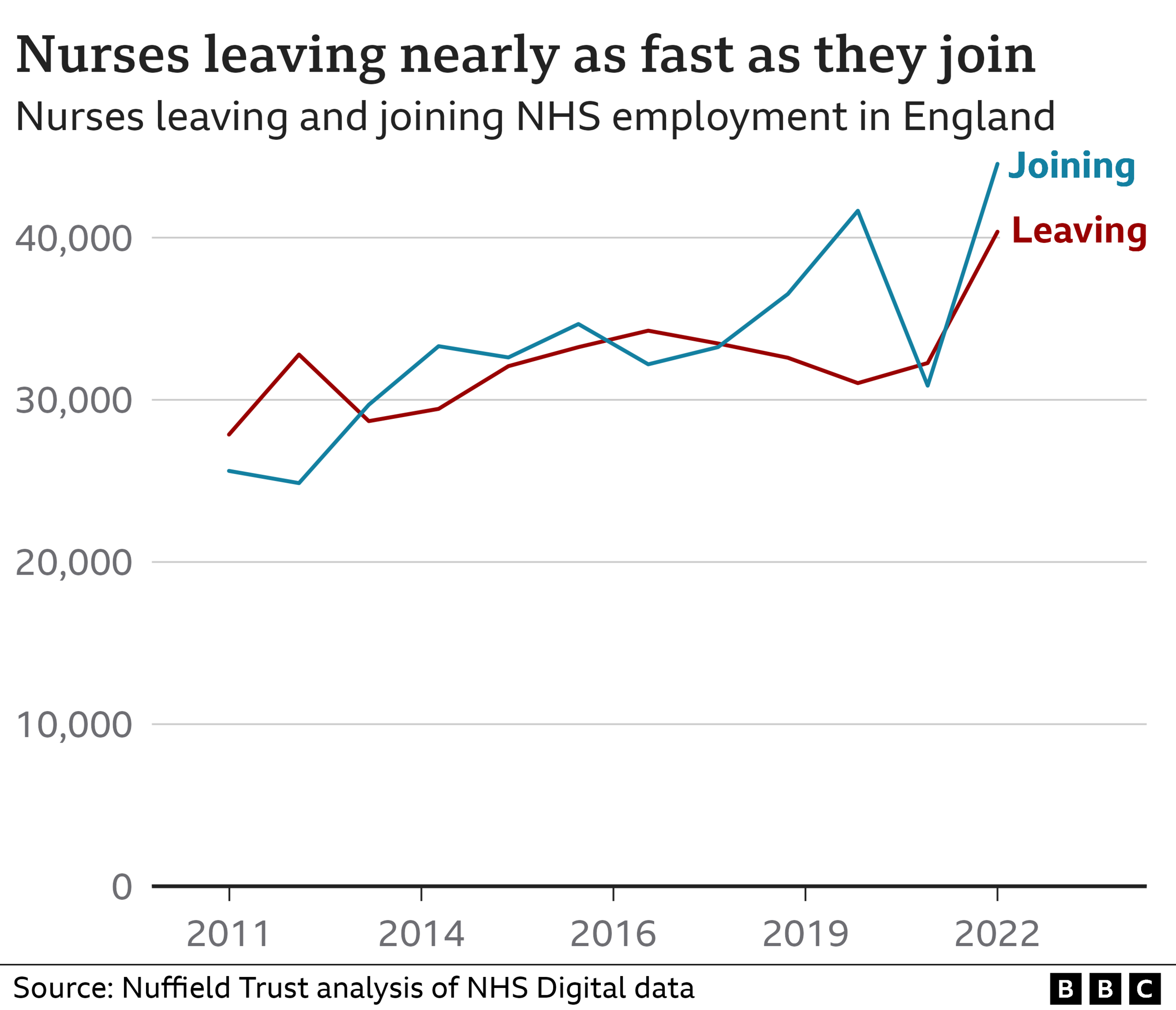
Nurses in the United States generally receive competitive compensation, with annual salaries that frequently exceed the national median income for all occupations. However, "well-paid" is a relative term heavily dependent on geographic location, nursing specialty, education level, and the specific healthcare setting. While base salaries are strong, factors like cost-of-living adjustments, overtime, and shift differentials significantly influence the final take-home pay.
Understanding the Landscape of Nursing Compensation
When evaluating whether nurses are paid "well," it is essential to move beyond a single national average. As of 2026, the United States nursing workforce is segmented by distinct levels of licensure, ranging from Licensed Practical Nurses (LPNs) and Registered Nurses (RNs) to Advanced Practice Registered Nurses (APRNs). Each tier represents a different investment in education, clinical responsibility, and scope of practice, all of which correlate directly with salary scales.
The Bureau of Labor Statistics (BLS) remains the primary authority for tracking occupational wage data. Historically, the nursing profession has demonstrated high stability and consistent wage growth, largely driven by an aging population, an increasing prevalence of chronic conditions, and ongoing requirements for specialized care.
Factors Influencing Earning Potential
Several variables dictate the exact compensation a nurse receives. Understanding these is critical for those entering the field or navigating salary negotiations.
- Geographic Disparities: The most significant driver of salary variance in the United States is geography. States with high costs of living, such as California, Massachusetts, and New York, typically offer higher base salaries. However, when adjusted for local housing, tax, and consumer costs, a nurse in a lower-cost state may experience higher purchasing power despite a lower nominal salary.
- Specialization and Certification: Nurses who pursue specialized certifications—such as Critical Care (CCRN), Emergency Nursing (CEN), or Nurse Anesthesia (CRNA)—often command higher wages. These credentials signal advanced competency to employers, allowing nurses to fill high-acuity roles that are harder to staff.
- Work Environment: Compensation structures vary significantly between settings. A nurse working in a private surgical center, a large metropolitan teaching hospital, a home health agency, or an outpatient clinic will face different pay scales. Hospital settings often provide union-negotiated contracts or shift differentials (extra pay for nights, weekends, and holidays) that boost annual earnings.
- Education Level: While an Associate Degree in Nursing (ADN) is a valid entry point, many hospitals in 2026 mandate a Bachelor of Science in Nursing (BSN) for new hires or career advancement. Nurses with Master’s or Doctoral degrees, particularly those in Nurse Practitioner or Nurse Anesthetist roles, earn significantly higher incomes that are often comparable to other professional-level roles requiring advanced degrees.
Comparison of Nursing Roles and Estimated Compensation
To gain a clear perspective on earning potential, it is helpful to categorize nursing roles by their typical educational requirements and professional scope.
| Role | Education Required | Primary Focus | Relative Earning Potential |
|---|---|---|---|
| LPN/LVN | Certificate/Diploma | Basic bedside care | Moderate |
| Registered Nurse (RN) | ADN or BSN | Direct patient care/clinical oversight | Good |
| Nurse Manager | BSN/MSN | Unit operations/staff oversight | High |
| Nurse Practitioner (NP) | MSN/DNP | Clinical diagnosis/treatment | Very High |
| CRNA | MSN/DNP | Anesthesia administration | Exceptional |
Note: Earning potential is subjective based on local market demand, years of experience, and facility budget.
The Impact of Geographic Location on Real-World Pay
A common mistake in evaluating nursing salaries is focusing solely on the "headline" salary figure. A nurse earning $120,000 in a high-tax, high-cost metropolitan area may have less disposable income than a nurse earning $85,000 in a region with lower housing costs and no state income tax.
In 2026, many healthcare systems continue to use "locality pay" adjustments to remain competitive. Nurses are advised to utilize the BLS Occupational Employment and Wage Statistics (OEWS) to view state-level and metropolitan-level data. By comparing the salary in a target area against the local median household income, one can gauge the true standard of living afforded by a nursing salary in that specific jurisdiction.
Hidden Financial Drivers: Differentials and Benefits
Base salary is only one component of a nurse's financial package. Experienced nurses often structure their income through various "add-on" benefits that are standard in the healthcare industry:
- Shift Differentials: Working nights, weekends, or holidays typically incurs a percentage-based or flat-rate premium. For many nurses, these differentials account for a significant portion of their annual income.
- On-Call and Call-Back Pay: Nurses in surgical or critical areas may be paid to be "on-call," ensuring they are reachable in emergencies. Being called in to work during these hours usually results in time-and-a-half or double-time pay.
- Tuition Reimbursement and Loan Forgiveness: While not immediate liquid cash, many healthcare systems offer substantial tuition reimbursement programs or assistance with federal student loan repayment, effectively increasing the total compensation package's value.
- Retirement Contributions: Because nursing is a high-turnover industry, many hospitals provide robust 401(k) matching or pension plans to encourage long-term retention. These employer-funded contributions are a vital part of long-term wealth building.
Potential Challenges and Risks to Earnings
While the nursing profession is generally lucrative, it is not without financial challenges. Burnout, physical strain, and potential career interruptions can impact long-term earning capacity. Additionally, for those working as "travel nurses," the market is highly volatile. Travel nursing often offers short-term, high-income contracts, but these roles lack the job security, benefits, and long-term retirement contributions of permanent staff positions. Relying on contract work as a primary source of income requires careful financial planning to account for periods of unemployment or reduced market demand.
Frequently Asked Questions
Does a nursing degree offer a good return on investment?
Yes, for most students. The cost of a BSN program, particularly when completed at a public university or community college, is often lower than other professional degrees. Given the high demand for nurses, the time-to-income ratio is favorable compared to fields that require longer periods of postgraduate schooling.
How much do new graduate nurses typically earn?
Entry-level pay varies by region and facility size. While new graduates earn less than those with 10+ years of experience, most start at a salary that exceeds the national average for entry-level positions in other industries, with consistent step-increases typically built into hospital pay scales.
Is nursing pay increasing in 2026?
Yes, wage growth in healthcare remains consistent. As competition for clinical staff increases, many healthcare systems have adjusted pay scales upward to attract and retain talent. Inflationary pressures have also led to cost-of-living adjustments across many hospital systems.
Can I increase my salary without getting a higher degree?
Yes. Seeking specialized certifications (such as in oncology, pediatrics, or ICU care), taking on preceptor or charge nurse roles, and working "difficult" shifts (nights/weekends) are all proven ways to increase income without additional formal university education.
Are male nurses paid more than female nurses?
Historical studies have shown some disparity, though the gap has narrowed significantly in recent years. In institutional settings, pay is almost universally determined by transparent, non-negotiable pay scales based on years of experience and licensure level, which mitigates gender-based pay gaps.
Strategic Recommendations for Maximizing Income
To ensure you are being paid fairly and maximizing your earning potential, consider the following actions:
- Benchmark Your Worth: Research salary data for your specific city and specialty using verified government sources. Do not rely solely on self-reported salary aggregators, which can be inaccurate.
- Negotiate Your Package: When moving to a new facility, negotiate your base pay based on your years of experience and specialized certifications. Even if base pay is "fixed," ask about sign-on bonuses, relocation assistance, or extra vacation time.
- Invest in Your Skills: The highest-paid nurses are often those who are difficult to replace. Gaining proficiency in high-acuity equipment or processes—such as Extracorporeal Membrane Oxygenation (ECMO) or complex electronic health record (EHR) systems—increases your value to your employer.
- Prioritize Retirement Early: Take full advantage of any employer-sponsored retirement matching. A 3% to 5% employer match is effectively a significant raise that grows exponentially over the course of a career.
For those considering the path of nursing, the profession offers a reliable financial foundation with significant opportunities for advancement. While individual experiences will vary based on regional economics and personal choices, the field remains one of the most stable and financially viable career paths in the United States.