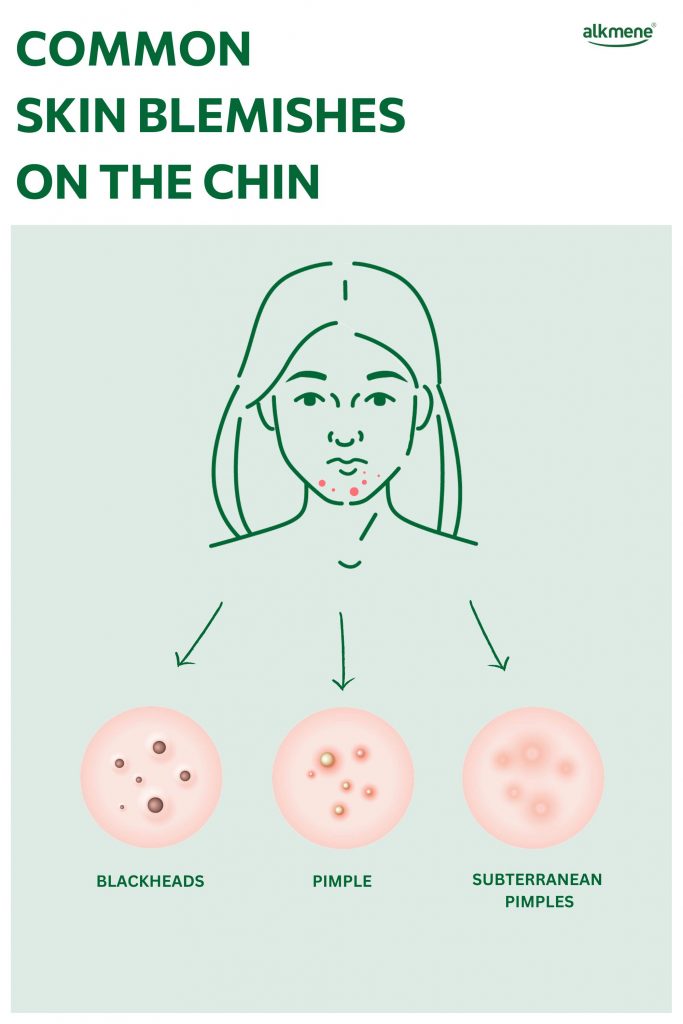
An inflamed pimple on the chin is a localized skin infection or inflammatory response occurring when a pore becomes clogged with sebum, dead skin cells, and bacteria. Treatment requires a combination of topical anti-inflammatory agents, such as benzoyl peroxide or salicylic acid, and avoiding physical trauma (popping) to prevent deep-tissue scarring or secondary infection.
Understanding the Anatomy of a Chin Pimple
To effectively treat an inflamed lesion on the chin, one must first understand why this specific area is so prone to painful, deep-seated breakouts. The chin and jawline are part of what dermatologists often refer to as the "U-zone." Unlike the T-zone (forehead and nose), which is often oily due to high sebaceous gland density, the chin is uniquely sensitive to hormonal fluctuations.
The skin on the chin is relatively thick, but the underlying structure is rich in androgen receptors. When hormone levels fluctuate—specifically androgens like testosterone—the sebaceous glands are signaled to produce more oil. This excess oil (sebum) becomes trapped in the hair follicle. When the Cutibacterium acnes (C. acnes) bacteria, which naturally live on the skin, begin to feed on this trapped oil, they multiply rapidly. This triggers an immune response: white blood cells rush to the area, resulting in the redness, swelling, and pain characteristic of an inflamed pimple.
In 2026, clinical dermatology continues to emphasize that "inflamed" is a broad term. It can range from a small, red papule to a deep, agonizing cyst. Because the chin has less "padding" than the cheeks, inflammation here often feels more pressurized and painful, as the swelling pushes against the many nerve endings in the lower face.
The Primary Causes of Chin Inflammation
While the biological mechanism of a clogged pore remains constant, the triggers for chin-specific inflammation are diverse. Identifying the root cause is the first step in selecting the correct therapeutic approach.
Hormonal Fluctuations
The most common driver of inflamed chin pimples, especially in adults, is hormonal activity. This is frequently seen in women during menstrual cycles, pregnancy, or perimenopause. Elevated levels of progesterone and testosterone stimulate sebum production. These "hormonal" pimples are often deep, tender, and lack a visible "head" (whitehead), making them significantly harder to treat with standard over-the-counter washes.
Friction and Mechanical Irritation
Known as "acne mechanica," this occurs when something constantly rubs against the chin. In recent years, this has been exacerbated by the use of face masks (often called "maskne") or even the habit of resting one’s chin in their hands while working. The friction pushes bacteria and sweat deeper into the pores while simultaneously weakening the skin barrier, leading to rapid inflammation.
Poor Lymphatic Drainage and Hygiene
The chin area can be a "trap" for bacteria from various sources. Poor dental hygiene or the use of certain fluoridated toothpastes can sometimes cause perioral dermatitis, which mimics acne. Additionally, the chin is a focal point for sweat and food particles, which, if not cleansed properly, provide a breeding ground for microbial overgrowth.
Classification of Inflamed Lesions
Not all red bumps are created equal. Distinguishing between the types of inflammation determines whether you can treat the issue at home or need a prescription.
- Papules: These are small, red, hard bumps. They do not have a yellow or white center. They represent the early stage of inflammation where the follicle wall has ruptured.
- Pustules: Similar to papules but with a visible center filled with pus (a collection of white blood cells). While tempting to squeeze, doing so often forces the infection deeper.
- Nodules: These are large, painful, and located deep within the skin. They feel like hard knots and can last for weeks. They rarely come to a head and carry a high risk of scarring.
- Cysts: The most severe form of inflammation. Cysts are soft, fluid-filled, and very painful. They occur when the infection creates a large pocket deep in the dermis. According to the American Academy of Dermatology, cystic acne requires professional intervention to prevent permanent skin "pitting."
Evidence-Based At-Home Treatments
If you are dealing with a standard inflamed papule or pustule, a systematic approach can reduce the size and redness within 24 to 48 hours.
The Power of Cold Compression
The first reaction to a painful pimple should be cold, not heat. Applying a clean ice cube wrapped in a paper towel to the chin for 5 to 10 minutes, several times a day, constricts the blood vessels. This reduces the "throbbing" sensation and physically shrinks the swelling.
Targeted Active Ingredients
Once the initial swelling is dampened by ice, apply topical treatments.
- Benzoyl Peroxide (2.5% to 5%): This is the gold standard for inflamed acne. It works by introducing oxygen into the pore, which kills the anaerobic C. acnes bacteria. It also helps peel away dead skin cells.
- Salicylic Acid: A beta-hydroxy acid (BHA) that is oil-soluble. It can penetrate the sebum to "degunk" the pore from the inside out. It is particularly effective for the early stages of a chin breakout.
- Hydrocolloid Patches: Often called "pimple patches," these medical-grade dressings create a moist environment that draws out fluid and protects the lesion from outside bacteria (and your fingers). Some modern patches in 2026 are infused with micro-darts that deliver salicylic acid directly into the "heart" of the pimple.
Comparison of Common Acne Treatments
| Treatment Type | Primary Function | Best For | Potential Side Effects |
|---|---|---|---|
| Benzoyl Peroxide | Kills bacteria via oxygenation | Red, angry pustules | Dryness, bleaching of fabrics |
| Salicylic Acid | Exfoliates inside the pore | Blackheads and early papules | Mild stinging, peeling |
| Hydrocolloid Patch | Absorbs fluid and protects | Whiteheads and "popped" spots | Minimal; rare adhesive allergy |
| Adapalene (Retinoid) | Regulates cell turnover | Long-term prevention | "Retinization" (redness/flaking) |
| Sulfur | Absorbs oil and dries lesion | Sensitive skin inflammation | Distinctive odor |
When to Seek Professional Help
If an inflamed pimple on the chin does not respond to over-the-counter treatments within a week, or if it is part of a recurring pattern, a dermatologist's expertise is necessary.
Cortisone Injections
For "emergency" situations—such as a large, painful cyst before an important event—dermatologists can perform an intralesional corticosteroid injection. This involves a highly diluted steroid being injected directly into the nodule. The inflammation usually disappears within 24 hours. This is widely considered the most effective way to prevent the deep scarring associated with cystic chin acne.
Prescription Topicals and Oral Medications
If the chin breakouts are chronic and hormonal, a doctor may prescribe:
- Spironolactone: An oral medication that blocks androgen receptors, significantly reducing hormonal oil production in women.
- Tretinoin: A powerful prescription retinoid that prevents pores from clogging in the first place.
- Topical Antibiotics: Such as Clindamycin, often used in combination with benzoyl peroxide to prevent bacterial resistance.
The "No-Pop" Rule: Why You Must Resist
The urge to squeeze a chin pimple is driven by the desire to relieve pressure. However, the anatomy of the chin makes this particularly dangerous. The tissue on the chin is dense; when you squeeze, you are more likely to rupture the follicle wall downward or sideways rather than upward.
When the wall ruptures downward, the bacteria, oil, and debris are pushed into the deeper dermis. This can turn a simple papule into a long-lasting nodule or even lead to cellulitis, a serious bacterial skin infection. Furthermore, the chin is a high-movement area of the face. Frequent manipulation leads to Post-Inflammatory Hyperpigmentation (PIH)—dark spots that can last for months—or "ice pick" scars that require expensive laser treatments to correct.
Long-Term Prevention Strategies
Preventing an inflamed pimple is significantly easier than treating one. Adjusting your daily routine can minimize the frequency of U-zone breakouts.
Refining Your Cleansing Routine
Use a gentle, non-comedogenic cleanser twice daily. In 2026, many dermatologists recommend "double cleansing" if you wear sunscreen or makeup: use an oil-based cleanser first to dissolve surface impurities, followed by a water-based gel cleanser to clean the pores.
Diet and the Gut-Skin Axis
While the link between diet and acne was once debated, contemporary research, including studies archived by the National Institutes of Health (NIH), suggests that high-glycemic-index foods (white bread, sugary snacks) can spike insulin, which in turn spikes sebum production. Reducing dairy and refined sugars has shown clinical benefit for many sufferers of chronic chin inflammation.
Tool and Environment Hygiene
- Clean your phone: The screen carries more bacteria than most household surfaces. When held against the chin, it transfers that bacteria directly to your pores.
- Change pillowcases: Use silk or bamboo pillowcases and change them at least twice a week to prevent the buildup of residual oils and sweat.
- Toothpaste check: If you notice small red bumps around the mouth and chin, try switching to a SLS-free (sodium lauryl sulfate) or fluoride-free toothpaste for a month to see if the irritation subsides.
Frequently Asked Questions
Why is my chin pimple so painful compared to other areas?
The chin has a high concentration of sensory nerves and relatively little subcutaneous fat. When inflammation occurs, there is limited space for the tissue to expand, resulting in intense pressure. This pressure signals the nerves, causing that characteristic "throbbing" pain even when you aren't touching the area.
Can I use toothpaste to dry out an inflamed pimple?
No. This is a common misconception. While toothpaste contains drying agents like baking soda, it also contains ingredients like menthol, fluoride, and detergents that are highly irritating to the skin. Applying toothpaste to an already inflamed pimple can cause a chemical burn, leading to more redness and potential scarring.
How long does it take for an inflamed chin pimple to go away?
A standard papule usually resolves in 3 to 7 days with proper care. However, deep nodules or cysts can last for 2 to 4 weeks because the body must slowly reabsorb the internal inflammation. Using a retinoid consistently can speed up this process by increasing cell turnover.
Is it a pimple or an ingrown hair?
On the chin, these can look identical. An ingrown hair (pseudofolliculitis barbae) usually occurs if you shave the area or have curly hair. If you can see a dark line or loop under the skin, it’s likely an ingrown hair. Treat it with warm compresses and salicylic acid rather than "digging" it out with tweezers.
Does stress actually cause chin acne?
Yes, but indirectly. Stress triggers the adrenal glands to produce cortisol. Cortisol stimulates the sebaceous glands to produce more oil. In the androgen-sensitive chin area, this "stress oil" is a primary contributor to the sudden appearance of deep, inflamed bumps during high-pressure periods.
Final Recommendation
If you currently have a large, inflamed pimple on your chin, your immediate action should be ice and a hydrocolloid patch. Do not attempt to squeeze it. If the bump is accompanied by a fever, if the redness is spreading rapidly in a streak-like pattern, or if the pain is unbearable, consult a healthcare provider immediately, as this may indicate a staph infection rather than a standard pimple. For chronic issues, start a diary of your flare-ups to help a dermatologist identify if your chin inflammation is tied to your hormonal cycle or external lifestyle factors.