In 2026, emotional support dogs are not legally guaranteed access to hotels under the Americans with Disabilities Act (ADA), as they are not classified as service animals. While hotels must accommodate service dogs without fees, emotional support animals (ESAs) are subject to each hotel's specific pet policy, which often includes additional fees, weight limits, or "no pet" restrictions.
Traveling with an emotional support animal (ESA) requires a nuanced understanding of federal law, state-specific mandates, and corporate hospitality policies. While the bond between an owner and their ESA is vital for mental health, the legal landscape surrounding public accommodations—specifically hotels—is markedly different from the laws governing long-term housing or air travel. As we navigate the travel environment of 2026, pet owners must distinguish between their personal needs and their legal entitlements to avoid unexpected charges or denied check-ins.
The Legal Distinction: ADA vs. FHA in 2026
To understand why a hotel might deny entry to an emotional support dog, one must first look at the two primary federal laws governing disability assistance animals in the United States: the Americans with Disabilities Act (ADA) and the Fair Housing Act (FHA).
The Americans with Disabilities Act (ADA) and Public Accommodations
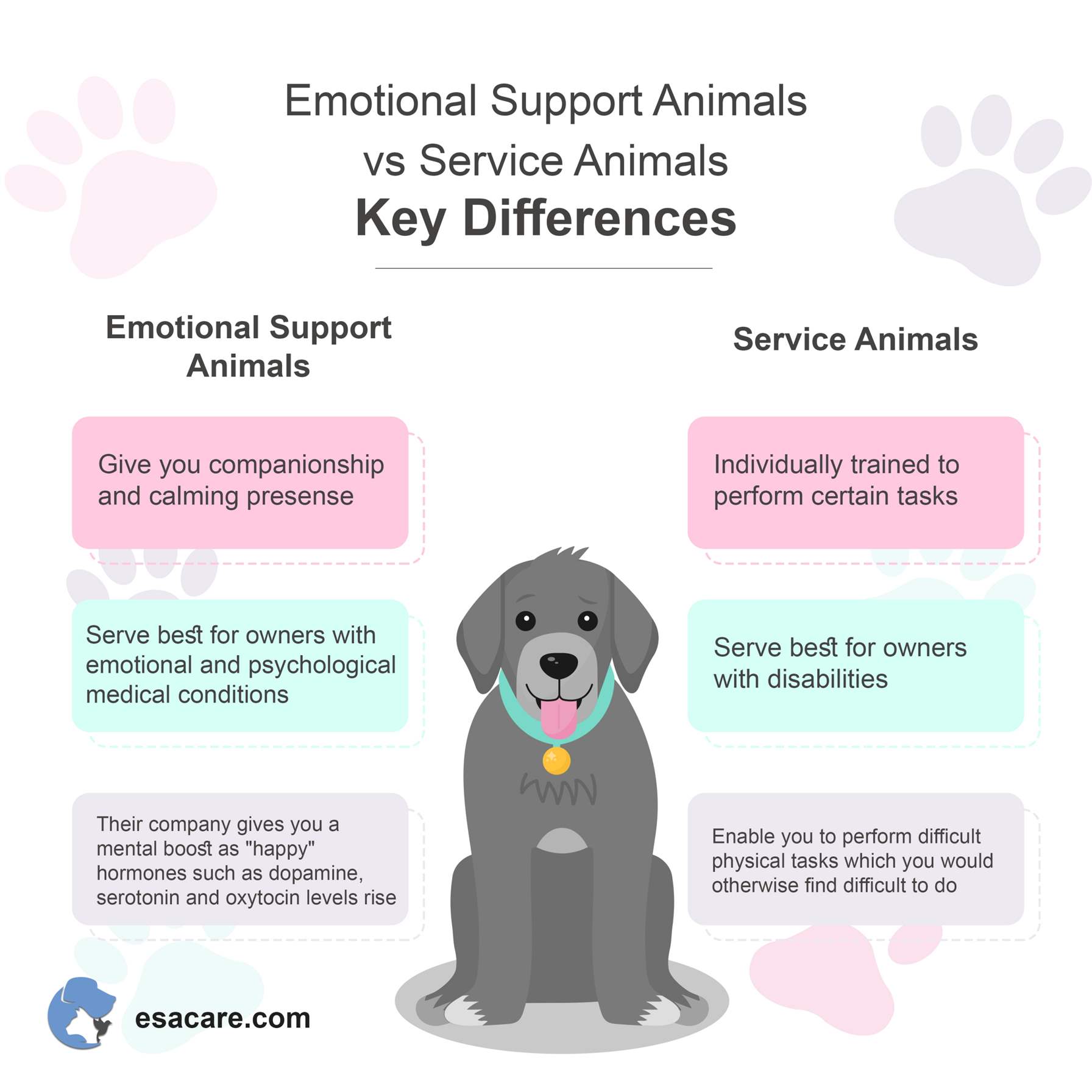
Under Title III of the ADA, hotels are defined as "public accommodations." The ADA mandates that these establishments must allow service animals to accompany people with disabilities in all areas where the public is normally allowed to go. However, the ADA specifically defines a service animal as a dog (or in some cases, a miniature horse) that is individually trained to do work or perform tasks for the benefit of an individual with a disability.
The crucial takeaway for 2026 is that the provision of emotional support, well-being, comfort, or companionship does not constitute "work or tasks" under the ADA. Because emotional support dogs are not required to be trained in specific tasks—such as alerting a handler to an oncoming seizure or guiding a person with visual impairments—they do not qualify for the same mandatory access rights as service dogs.
The Fair Housing Act (FHA) and Temporary Lodging
The Fair Housing Act is the law that protects ESA owners in their primary residences. Under the FHA, housing providers must make "reasonable accommodations" for individuals with disabilities, which includes waiving "no pet" rules and pet deposits for ESAs.
A common point of confusion is whether a hotel counts as "housing." In most instances, the answer is no. Courts and the Department of Housing and Urban Development (HUD) generally view hotels as temporary lodging rather than permanent dwellings. Unless a guest is using a hotel as a long-term primary residence (often defined as stays exceeding 30 days, depending on the jurisdiction), the FHA protections do not apply. Consequently, the legal "right" to have an ESA in a hotel is virtually non-existent under federal law.
Service Dogs vs. Emotional Support Animals: A Comparison
Distinguishing between these categories is essential for travelers to set appropriate expectations. Hotel staff are trained to identify the differences, and misrepresenting an ESA as a service dog can lead to legal penalties in many states.
| Feature | Service Dog | Emotional Support Dog (ESA) | Ordinary Pet |
|---|---|---|---|
| Legal Definition | Specifically trained to perform tasks | Provides comfort via presence | Companion animal |
| ADA Protection | Yes, full access rights | No | No |
| Mandatory Entry | Yes, regardless of pet policy | No, depends on hotel policy | No |
| Pet Fees/Deposits | Not allowed | Can be charged | Can be charged |
| Documentation | Not required (staff can ask 2 questions) | ESA Letter often requested | None required |
| Training Required | Yes (specific task training) | No | No |
Current Hotel Industry Policies in 2026
Since ESAs are not federally protected in short-term stays, the "allowance" of these animals depends entirely on corporate or individual property policies. By 2026, the hospitality industry has bifurcated into two main camps: those that have embraced "pet-friendly" branding and those that remain strictly "no pets."
Pet-Friendly Hotel Chains
Many major brands have recognized the economic value of the "pet parent" demographic. Brands like Kimpton Hotels, Aloft, and Element (part of Marriott) are renowned for their inclusive policies. In these establishments, an emotional support dog is welcomed not because of its status as an ESA, but because the hotel welcomes all dogs.
However, even in pet-friendly hotels, owners should expect:
- Pet Fees: These can range from a flat $25 fee to $150 per stay.
- Weight and Breed Limits: Some hotels restrict dogs over 50 pounds or exclude certain breeds deemed "high risk" by insurance providers.
- Room Restrictions: You may be assigned a specific "pet-friendly" floor to accommodate guests with allergies.
Non-Pet-Friendly Establishments
High-end luxury brands or boutique hotels with expensive upholstery and carpets often maintain strict "no pet" policies. In these cases, your ESA will likely be denied entry. If you attempt to bring an ESA into a non-pet-friendly hotel without prior authorization, the hotel may legally evict you and charge a deep-cleaning fee, which often exceeds $250.
The Role of the ESA Letter in 2026
While an ESA letter from a licensed mental health professional (LMHP) is a powerful tool for securing housing under the FHA, its utility in a hotel is limited.
If you are traveling with an emotional support dog, carrying a valid, up-to-date ESA letter is still recommended. Some hotel managers may exercise "managerial discretion" and waive pet fees or allow the animal in a "no pets" hotel if they are presented with legitimate documentation. However, it is important to remember that they are doing so as a courtesy, not as a legal obligation.
Warning on Scams: By 2026, federal and state authorities have increased scrutiny on "ESA Registries" that sell certificates, vests, and badges online. These documents have no legal standing. A legitimate ESA status is derived solely from a clinical relationship with a licensed professional. Presenting a fake "registration" to a hotel manager is often viewed as a red flag and may decrease your chances of receiving a courtesy accommodation.
State-Specific Laws and Misrepresentation
As of 2026, more than 30 U.S. states have enacted laws that criminalize the "fraudulent misrepresentation of a service animal." These laws were developed in response to a surge in travelers claiming their pets or ESAs are service animals to avoid fees or gain entry to restricted areas.
If a traveler tells a hotel clerk that their emotional support dog is a "service dog" to bypass a "no pets" policy, they may be committing a misdemeanor. Penalties can include significant fines and, in some jurisdictions, community service. Hotel staff are legally permitted to ask two specific questions if the dog's task is not obvious:
- Is the dog a service animal required because of a disability?
- What work or task has the dog been trained to perform?
If the owner cannot identify a specific task—or if they admit the dog is for emotional support—the hotel is within its rights to treat the animal as a pet.
Practical Tips for Traveling with an ESA
Navigating hotels with an emotional support dog requires proactive communication and preparation. Following these steps can help ensure a smoother experience:
1. Research "Pet-Friendly" Instead of "ESA-Friendly"
When searching for accommodations, use filters for "pet-friendly" hotels. Do not rely on the hope that a hotel will make an exception for an ESA. Websites like BringFido provide comprehensive lists of hotels that welcome dogs, along with their specific fee structures.
2. Call the Property Directly
After booking, call the specific hotel location. Ask to speak with the front desk manager. State clearly: "I am traveling with an emotional support dog. I understand you have a pet policy, but I wanted to see if there are any specific requirements or if you offer any considerations for ESAs."
3. Prepare for Fees
Budget for pet fees in advance. Even if you have an ESA letter, assume you will be charged the standard pet rate. If the fee is waived, consider it a bonus.
4. Practice Good Etiquette
Hotel "no pet" policies are often rooted in concerns about noise, damage, and hygiene. To be a responsible ESA owner:
- Never leave the dog unattended: Most hotels prohibit leaving pets alone in the room. Even a well-behaved ESA may bark or become destructive in an unfamiliar environment.
- Bring a crate: Using a crate for sleeping or when staff enters for cleaning can prevent incidents.
- Keep it clean: Always pick up after your dog outside and bring your own towels to wipe paws during rainy weather.
Summary of Costs and Considerations
When planning a stay with an emotional support dog, the financial implications vary widely based on the hotel's tier and location.
- Budget Motels (e.g., Motel 6): Often have $0 pet fees, making them the most "ESA-friendly" for those on a budget.
- Mid-Range (e.g., Hilton Garden Inn, Courtyard): Fees typically range from $50–$75 per stay or per night.
- Luxury (e.g., Ritz-Carlton, Four Seasons): If they allow pets, fees can exceed $150 per stay, often accompanied by strict weight limits.
Frequently Asked Questions
Can a hotel charge a cleaning fee for an emotional support dog?
Yes. Unlike service animals, hotels can charge standard pet fees for ESAs. Additionally, if the dog causes damage to the room or requires professional deep-cleaning (due to accidents or excessive hair), the hotel can charge the guest for those specific costs, just as they would for any other guest.
Do I need to show my ESA letter at check-in?
While not legally required, it is helpful. Since hotels aren't mandated to allow ESAs, showing a letter from a licensed professional can help prove that your request is based on a legitimate medical need, which may encourage the manager to be more flexible with their policies.
What if my hotel stay is for several months?
If you are staying at an "extended stay" hotel (like Residence Inn or Homewood Suites) for more than 30 days, you may have a stronger argument under the Fair Housing Act. In these cases, the hotel may be legally viewed as your temporary residence, requiring them to waive pet fees for a documented ESA. It is best to consult a legal professional or a local housing authority in such specific scenarios.
Can a hotel kick me out if my ESA barks?
Yes. Even service dogs can be excluded if they are "out of control" and the handler does not take effective action to control them. If an emotional support dog is barking excessively, growling at guests, or acting aggressively, the hotel has the legal right to ask that the animal be removed from the premises, regardless of its status.
Is an ESA different from a psychiatric service dog (PSD)?
Yes, and the difference is vital for hotel access. A Psychiatric Service Dog (PSD) is trained to perform tasks (like deep pressure therapy during a panic attack or room searches for PTSD patients). Because a PSD performs a task, it is a service animal under the ADA and must be allowed in hotels for free. An ESA is not trained for tasks and does not have this right.
Final Recommendations
If you rely on an emotional support dog for your mental health, the best course of action in 2026 is to prioritize pet-friendly accommodations rather than relying on legal exceptions. While the lack of ADA protection for ESAs can be frustrating, the growth of the pet-friendly travel industry has made it easier than ever to find high-quality lodging that will welcome your dog. Always carry your legitimate ESA letter, be transparent with hotel staff before arrival, and budget for pet fees to ensure a stress-free trip for both you and your animal companion.