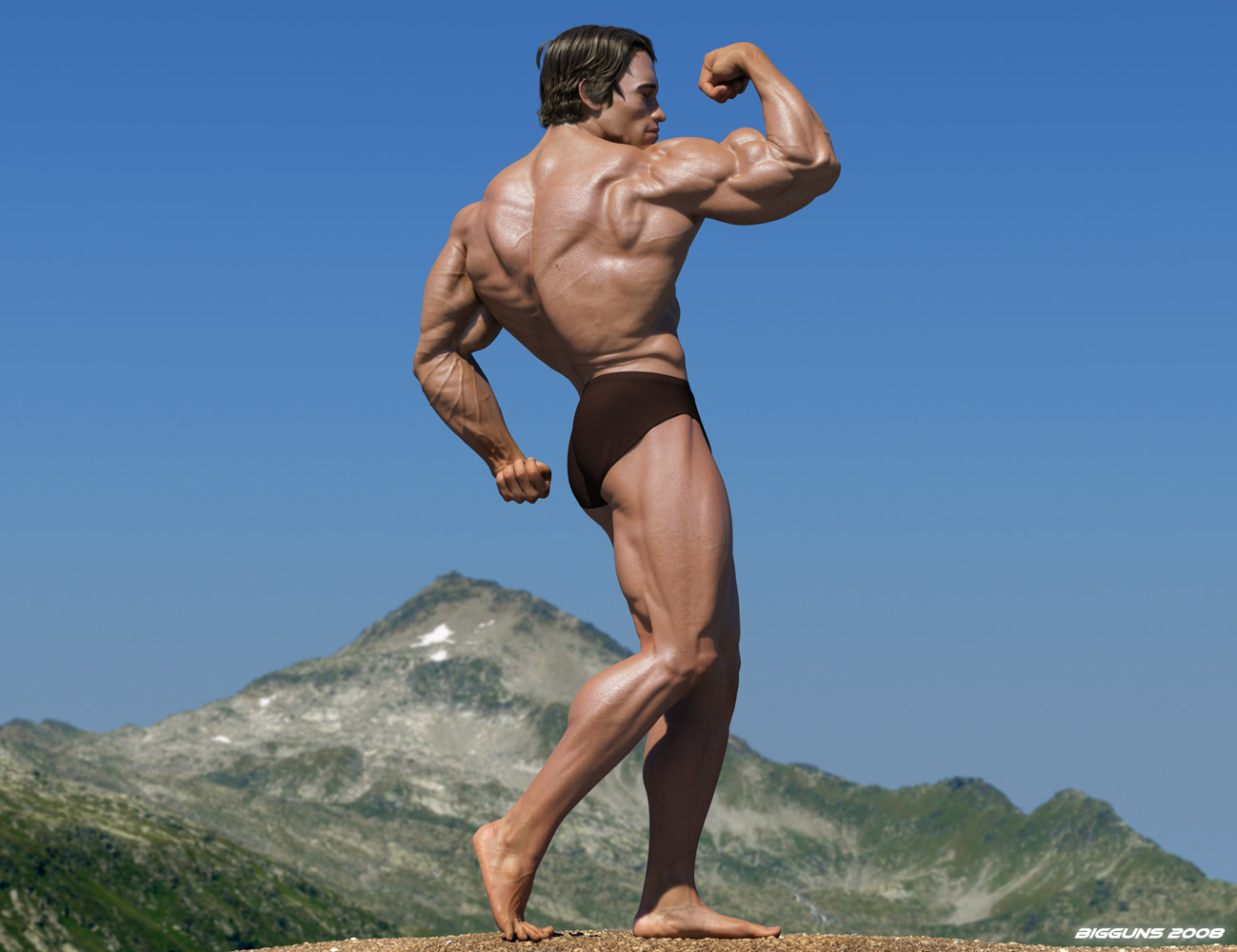
Arnold Schwarzenegger, often searched for using the phonetic misspelling "Arnold Swartz," is the most influential figure in the history of professional bodybuilding. A seven-time Mr. Olympia winner (1970–1975, 1980), he transitioned from a champion athlete in Austria to a global icon, defining the "Golden Era" of the sport through his pursuit of aesthetic symmetry, high-volume training, and psychological dominance.
The Origins of the "Austrian Oak"
Born in 1947 in Thal, Austria, Arnold Schwarzenegger began his journey into weightlifting at a time when bodybuilding was a fringe activity. His early influences included Reg Park and Steve Reeves, whose transitions from the physique stage to the silver screen provided a blueprint for Arnold’s own ambitions. By age 20, he became the youngest person to win the Mr. Universe title, a feat that brought him to the attention of Joe Weider, the "Father of Bodybuilding."
Weider recognized Schwarzenegger’s potential not just as an athlete, but as the face of a growing fitness movement. Upon moving to the United States in 1968, Arnold settled in Venice, California, training at the original Gold’s Gym. This period established the foundation for what would become the most celebrated career in muscle history. His arrival signaled a shift in the sport, moving away from pure bulk toward a combination of massive size and classical proportions.
The moniker "The Austrian Oak" was earned through his sturdiness and incredible development, particularly in his chest and arms, which many experts in 2026 still consider the greatest of all time. His early years were characterized by a relentless drive to overcome his weaknesses, most notably his calves, which he famously prioritized by cutting his sweatpants at the knees to force himself to confront his shortcomings every day in the gym.
The Training Methodology: High Volume and the "Double Split"
Arnold’s approach to training was rooted in high volume and high frequency, a stark contrast to the high-intensity, lower-volume methods popularized later by Mike Mentzer. His philosophy centered on the "Double Split" routine, which involved training twice a day, six days a week. This allowed him to dedicate specialized sessions to specific muscle groups, ensuring no part of his physique was neglected.
The Mind-Muscle Connection
One of Arnold's most significant contributions to fitness science was his emphasis on the mind-muscle connection. He argued that lifting weights was not merely a physical act but a psychological one. He famously stated that he would "become" the muscle he was training, visualizing his biceps growing to the size of mountains. In modern sports psychology, this internal focus is recognized as a key factor in motor unit recruitment and hypertrophy.
Classic "Arnold" Training Principles
- Shocking the Muscle: Arnold believed the body would quickly adapt to routine. He frequently changed his repetition ranges, exercise order, and rest periods to prevent plateaus.
- The "Pump": He viewed the blood flow to the muscle during training as a primary indicator of growth. This focus on the "pump" encouraged high-volume sets, often in the 10–15 rep range.
- Basic Compound Movements: Despite his use of advanced techniques, his foundation was built on heavy compound lifts: the bench press, squat, deadlift, and overhead press.
- The Arnold Press: He popularized a specific variation of the dumbbell shoulder press where the palms rotate from facing the body to facing forward, increasing the range of motion and engagement of the anterior deltoids.
The High-Volume Split Structure
A typical week for Arnold during his competitive prime often looked like this:
- Monday/Thursday: Chest and Back (Morning), Thighs and Calves (Evening)
- Tuesday/Friday: Shoulders and Arms (Morning), Calves and Forearms (Evening)
- Wednesday/Saturday: Back and Thighs (Morning), Abs (Evening)
- Sunday: Rest
This volume was staggering, often totaling over 20 sets per muscle group. While this level of training is generally considered overtraining for the average natural lifter today, it was the catalyst for the unprecedented muscle density seen in the 1970s.
The Golden Era Diet: Nutrition in the 1970s
In the 1970s, nutritional science for bodybuilders was less about macro-tracking apps and more about intuitive eating focused on high protein and moderate fats. Schwarzenegger’s diet was designed to support his grueling two-a-day workouts while maintaining a lean, stage-ready physique.
Protein as the Foundation
Arnold aimed for approximately one gram of protein per pound of body weight. His primary sources were whole foods: eggs, fish, steak, chicken, and dairy. Unlike the hyper-processed supplements of 2026, Arnold relied on basic protein powders—often mixed with whole milk or even heavy cream during bulking phases—and desiccated liver tablets to maintain a positive nitrogen balance.
Carbohydrate Management
Carbohydrates were viewed as a fuel source but were strictly controlled. He prioritized "clean" carbs such as oatmeal, brown rice, and vegetables. During the "cutting" phase before a competition like Mr. Olympia, he would significantly reduce carbohydrate intake to drop subcutaneous water and body fat, relying on the high-protein intake to preserve muscle mass.
Historical Nutritional Standards
| Category | Typical Daily Intake (Bulk) | Typical Daily Intake (Cut) |
|---|---|---|
| Protein | 250g - 300g | 250g - 300g |
| Carbohydrates | 300g - 400g | 100g - 150g |
| Fats | 80g - 100g | 40g - 60g |
| Calories | 4,000 - 5,000 | 2,500 - 3,000 |
| Primary Sources | Whole eggs, Steak, Rice | Fish, Chicken, Green vegetables |
Competitive History and the Mr. Olympia Era
Arnold’s competitive career is defined by his dominance of the Mr. Olympia stage. The Mr. Olympia, established by Joe and Ben Weider in 1965, was designed to determine the best of the best. Arnold’s arrival in the competition sparked legendary rivalries that remain the stuff of lore in 2026.
The Rivalry with Sergio Oliva
In 1969, Arnold suffered his only Mr. Olympia defeat at the hands of Sergio "The Myth" Oliva. Oliva’s incredible genetics and massive proportions forced Arnold to rethink his training. He returned in 1970 with improved thickness and conditioning, defeating Oliva and beginning a six-year reign.
Pumping Iron and the 1975 Return
The 1975 Mr. Olympia in Pretoria, South Africa, is perhaps the most famous in history, documented in the film Pumping Iron. Arnold had initially planned to retire to pursue acting, but he agreed to compete one last time to help promote the sport through the documentary. His battle against the younger, larger Lou Ferrigno showcased Arnold’s psychological warfare—using intimidation and confidence to unnerve his opponents before they even stepped on stage.
The 1980 Comeback
After a five-year hiatus, Arnold made a surprise comeback at the 1980 Mr. Olympia in Sydney, Australia. He had been training for his role in Conan the Barbarian and decided to enter the competition just weeks before the event. His victory was controversial, as many felt his legs were underdeveloped compared to competitors like Chris Dickerson and Mike Mentzer. However, his superior upper body and stage presence secured his seventh and final Sandow trophy.
The Physical Dimensions of a Legend
In the context of modern bodybuilding, where "mass monsters" often weigh over 300 pounds, Arnold’s stats represent the peak of "Classic" bodybuilding. He emphasized the V-taper—wide shoulders and a narrow waist—above all else.
- Height: 6'2" (188 cm)
- Competition Weight: 235 lbs
- Off-season Weight: 250–260 lbs
- Chest: 57 inches
- Waist: 34 inches
- Arms: 22 inches
- Thighs: 28.5 inches
- Calves: 20 inches
These measurements were remarkable for the era, particularly his 57-inch chest, which was accentuated by his ability to perform a "vacuum pose," pulling his abdominal wall deep under his ribcage.
Legacy and Influence in 2026
Even in 2026, Arnold Schwarzenegger’s impact on fitness is visible in every commercial gym. He transitioned from being a champion bodybuilder to the world’s biggest movie star and eventually the Governor of California, but he never abandoned his roots in physical culture.
The Arnold Sports Festival
The Arnold Classic, established in 1989, has grown into the Arnold Sports Festival, one of the largest multi-sport events in the world. By 2026, it remains the second most prestigious title in bodybuilding, often rivaling the Mr. Olympia in terms of production value and athlete participation. It has expanded to include strongman, powerlifting, and dozens of amateur sports, reflecting Arnold's belief that fitness should be accessible to everyone.
Promoting Fitness for the Masses
Arnold’s most enduring legacy is the democratization of weight training. Before him, lifting weights was associated with "muscle-bound" vanity. Arnold’s charisma and success helped move bodybuilding into the mainstream, making it a socially acceptable and even desired pursuit for the general public. His "Daily Pump" newsletters and fitness crusades continue to inspire new generations to pick up their first dumbbell.
Frequently Asked Questions
Was "Arnold Swartz" his original name?
No. "Arnold Swartz" is a common misspelling of Arnold Schwarzenegger. His name is of Austrian origin, and throughout his professional career, he has always used Schwarzenegger. Early in his acting career, some producers suggested he change it to "Arnold Strong" because they feared his surname was too difficult to pronounce, but he resisted, eventually making his unique name a global brand.
How many times did Arnold win Mr. Olympia?
Arnold won the Mr. Olympia title seven times. His first six wins were consecutive from 1970 to 1975. His final win occurred in 1980 after a five-year retirement. This record was later surpassed by Lee Haney and Ronnie Coleman, who both won eight titles, but Arnold remains the most iconic champion in the eyes of many fans.
Did Arnold Schwarzenegger use supplements?
In the 1970s, the supplement industry was in its infancy. Arnold used basic protein powders, vitamins, and minerals. He was also a proponent of desiccated liver tablets, which were popular at the time for their B-vitamins and amino acid profile. He has been open about the use of performance-enhancing substances, noting that during his era, these were legal under medical supervision and used in much smaller dosages than what is seen in modern professional bodybuilding.
What was Arnold’s favorite exercise?
Arnold often cited the barbell bench press and the incline dumbbell press as his favorite exercises for chest development. For arms, he was a staunch advocate of the standing barbell curl and "concentration curls" to build the peak of the biceps. He believed that the barbell curl was the ultimate mass builder for the upper body.
Practical Recommendation for Fitness Enthusiasts
If you are looking to emulate the success of Arnold Schwarzenegger, the most important lesson to take from his career is the value of consistency and visualization. While modern science suggests that the extreme volume of the 1970s might not be optimal for everyone, the core principles of heavy compound movements and a strong mind-muscle connection are timeless.
Begin by focusing on the "big three" lifts—squat, bench, and deadlift—to build a foundation of strength. Incorporate Arnold’s favorite techniques, such as the Arnold Press and high-rep calf training, to refine your aesthetics. Most importantly, adopt his "championship mindset": set clear goals, visualize your success, and remain disciplined in your nutrition and recovery.
For those interested in the historical and technical evolution of the sport, reviewing the archives of the International Federation of Bodybuilding and Fitness (IFBB) provides valuable context on how Arnold's standards shaped the judging criteria used through 2026.