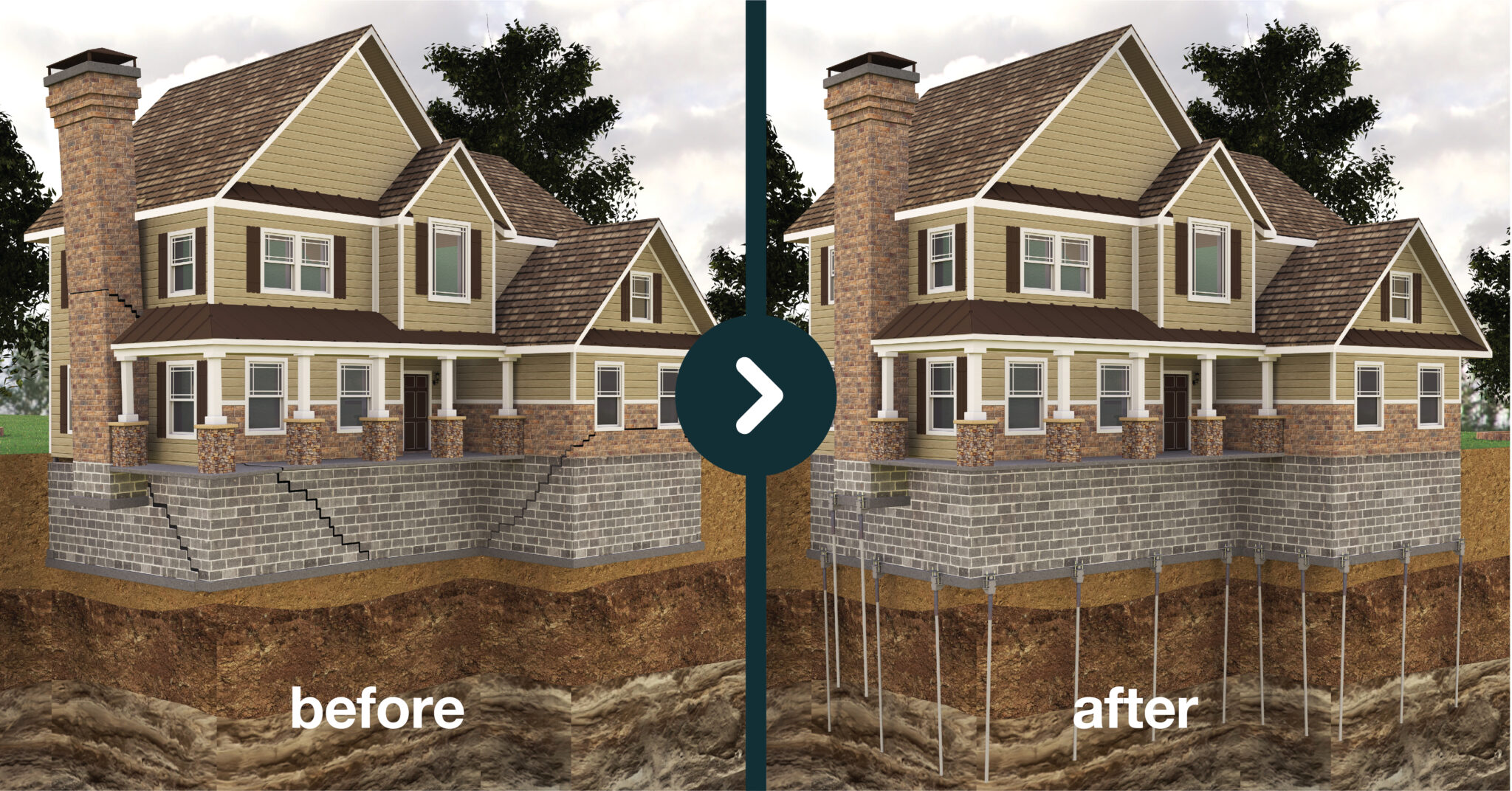
Arredondo Foundation Repair is a specialized structural contractor providing essential stabilization services for residential and commercial properties, primarily serving the San Antonio and South Texas regions. In 2026, they remain a key resource for addressing structural failures caused by the region's highly expansive clay soils through piering, leveling, and drainage correction.
Understanding the Foundation Challenges in South Texas
Foundation issues are not merely cosmetic concerns; they are structural emergencies that can compromise the safety and value of a property. In South Texas, the primary culprit behind foundation distress is the soil composition. The region is characterized by high-plasticity clay, often referred to as "expansive clay." This soil acts like a sponge, expanding significantly when saturated with water and shrinking drastically during periods of drought.
By 2026, weather patterns have continued to challenge the structural integrity of Texas homes. Extended periods of heat followed by flash flooding create a "heave and shrink" cycle. When the soil under a slab or pier-and-beam foundation moves unevenly, it creates differential settlement. This is when one part of the house sinks or rises faster than another, leading to the cracks and shifts that necessitate professional intervention from experts like Arredondo Foundation Repair.
Signs of Foundation Distress
Homeowners should be vigilant for specific indicators that the foundation has shifted beyond acceptable tolerances. Early detection can often reduce the total cost of repair significantly.
- Exterior Masonry Cracks: Large "stair-step" cracks in brickwork or stone siding are classic signs of foundation movement.
- Interior Drywall Fractures: Cracks radiating from the corners of door frames or windows, or long horizontal cracks near the ceiling.
- Door and Window Misalignment: Doors that suddenly stick, swing open on their own, or fail to latch properly.
- Floor Unevenness: Sloping floors or gaps between the baseboards and the flooring material.
- Frieze Board Separation: Gaps appearing at the corners of the house where the siding meets the roofline.
Core Services Offered by Arredondo Foundation Repair
Arredondo Foundation Repair utilizes several industry-standard and specialized techniques to stabilize structures. The choice of method depends on the specific soil conditions, the weight of the building, and the depth of the "active zone" (the layer of soil most affected by moisture changes).
Pressed Concrete Pilings
This is the most common method used for residential slab-on-grade foundations in the San Antonio area. The process involves driving pre-cast concrete cylinders (typically 6 inches in diameter and 12 inches long) into the ground using the weight of the house as resistance.
A hydraulic ram is used to force these cylinders down until they reach a "point of refusal"—the depth at which the soil or rock is dense enough to support the load without further movement. In 2026, Arredondo continues to refine this process by ensuring proper alignment and using high-psi concrete to prevent the pilings from shearing under lateral pressure.
Steel Pier Systems
For properties requiring deeper stabilization or those built on particularly unstable strata, steel piers are often the preferred solution. Unlike concrete pilings, steel piers can reach much greater depths, often penetrating through the expansive clay layers to reach load-bearing strata or bedrock.
Steel piers are less invasive to the landscape because they have a smaller diameter. They are also highly resistant to the friction caused by the surrounding clay "gripping" the pier as it expands. This makes them a premium, long-term solution for high-value structural corrections.
Pier and Beam Repair
Many older homes in the Texas region utilize a pier-and-beam (crawl space) construction. Arredondo Foundation Repair provides specialized services for these structures, including:
- Shim Adjustments: Using steel or hardwood shims to level the wooden subfloor.
- Sill Plate Replacement: Replacing rotted or damaged wooden supports.
- Sonotube Pier Installation: Pouring new concrete footings to replace original cedar posts or failing brick stacks.
Polyurethane Foam Injection
Also known as "poly-leveling," this method is used primarily for minor slab lifting and void filling. If a foundation has settled slightly but the underlying structure is still sound, a high-density expanding foam can be injected through small holes in the slab. This foam expands to fill gaps and provides a lift without the need for heavy piering. It is particularly effective for driveways, walkways, and interior floors that have "dished" or sunken.
The Importance of Drainage and Moisture Management
A common mistake homeowners make is assuming that "fixing the foundation" starts and ends with piers. In reality, unless the source of the soil movement is addressed, the foundation will continue to experience stress. Arredondo Foundation Repair emphasizes drainage correction as a prerequisite or accompaniment to structural leveling.
French Drains and Surface Drains
If water pools near the perimeter of a foundation, it oversaturates the clay, causing it to swell and exert upward pressure (heave). French drains are installed to redirect subsurface water away from the foundation. Surface drains and catch basins are used to manage runoff from gutters and sloping landscapes.
Root Barriers
In the San Antonio landscape, large trees like Live Oaks can contribute to foundation failure. A mature tree can transpire hundreds of gallons of water daily, effectively "sucking" the moisture out of the clay beneath a house and causing localized settlement. Arredondo may recommend or install root barriers—vertical shields buried in the ground—to prevent tree roots from encroaching on the foundation's moisture zone.
Comparative Analysis of Foundation Repair Methods (2026 Standards)
The following table outlines the differences between the primary methods used in modern foundation repair to help homeowners understand the technical trade-offs.
| Method | Best Use Case | Depth Potential | Relative Cost | Durability |
|---|---|---|---|---|
| Pressed Concrete Pilings | Standard residential slabs | 12–25 feet | Moderate | High (with maintenance) |
| Steel Piers | Heavy structures / deep clay | 20–70+ feet | High | Excellent (Long-term) |
| Polyurethane Injection | Slab leveling / void filling | Surface level | Low to Moderate | Good for non-structural lift |
| Drilled Concrete Piers | New construction / commercial | Varies (Engineered) | High | Permanent |
| Shim & Block | Pier and Beam crawl spaces | N/A | Low | Requires periodic tuning |
The Arredondo Repair Process: Step-by-Step
When engaging with Arredondo Foundation Repair in 2026, the process typically follows a structured engineering workflow to ensure safety and compliance with local building codes.
1. Initial Structural Evaluation
The process begins with a comprehensive inspection. Technicians use digital water levels (Zip Levels) to map the elevation of the entire floor plan. This data is compared against "zero points" to determine exactly where the house has settled and by how much.
2. Engineering and Permitting
For significant repairs, a structural engineer may be consulted to provide a certified repair plan. In many jurisdictions, including San Antonio, a building permit is required for foundation work. This ensures that the proposed repair meets safety standards and will be inspected by the city.
3. Excavation and Installation
If piering is required, holes (approximately 2'x2') are excavated at the designated pier locations around the perimeter. For interior piers, small sections of the floor may need to be removed, or the crew may utilize tunneling. Tunneling is a preferred 2026 technique where the crew digs beneath the slab to avoid breaking through the interior flooring, preserving the home's aesthetics.
4. The Lift
Once all piers are installed to the point of refusal, the "lift" occurs. Using a series of hydraulic jacks, the crew carefully raises the low points of the house. This is a delicate process performed in small increments to minimize stress on the plumbing and the building's frame.
5. Final Documentation and Warranty
After the house is leveled and the piers are permanently capped, the holes are backfilled. A final set of elevation readings is taken to document the success of the repair. Most reputable firms, including Arredondo, provide a lifetime transferable warranty, which is a critical asset when selling the home.
Cost Considerations for Foundation Repair in 2026
Foundation repair costs are influenced by the number of piers required, the depth of the installation, and the complexity of the landscape. As of 2026, homeowners should budget based on the following general estimates:
- Per Pier Cost (Concrete): $450 to $700.
- Per Pier Cost (Steel): $850 to $1,200.
- Drainage Systems: $2,500 to $6,000 depending on linear footage.
- Tunneling: $250 to $400 per linear foot.
It is important to note that these figures do not include "secondary costs" such as plumbing repairs. When a house is lifted, existing cast iron or PVC pipes may crack. A hydrostatic pressure test is always recommended after a foundation lift to ensure the sewer lines are still intact.
Frequently Asked Questions
Does Arredondo Foundation Repair offer a warranty?
Yes, most professional foundation repair services in Texas provide a lifetime transferable warranty on the piers they install. This means that if the foundation shifts again at the pier locations, the company will return to adjust them at no labor cost. It is vital to read the specific terms regarding maintenance requirements, such as "watering the foundation" during droughts.
How long does the average repair take?
For a standard residential home requiring 15 to 25 piers, the work is typically completed within 3 to 5 business days. If extensive tunneling or interior work is required, the timeframe may extend to two weeks.
Will my homeowners' insurance cover foundation repair?
In most cases, standard homeowners' insurance policies do not cover foundation repair caused by soil settlement or "earth movement." Coverage is usually only available if the foundation damage was caused by a covered peril, such as a major plumbing leak (sudden and accidental) or a fire. Homeowners should consult their policy or an agent for specifics. Reference the Texas Department of Insurance for more information on state-specific coverage rules.
Do I need to move out during the repair?
Generally, no. Most foundation repairs are performed from the exterior. Even if interior piers are needed, the use of tunneling allows the crew to work beneath you. You may experience some noise and vibration during the hydraulic pressing phase, but the home remains habitable.
What is "watering the foundation" and is it necessary?
In the 2026 climate, soil moisture consistency is key. Using a soaker hose system to keep the clay around your foundation at a steady moisture level can prevent the soil from shrinking away from the piers. This is often a condition of the warranty provided by Arredondo Foundation Repair.
Practical Recommendation for Homeowners
If you suspect foundation failure, do not wait for the cracks to widen. The first step should be a professional evaluation from a company like Arredondo Foundation Repair that understands the specific geology of South Texas. Ensure that any repair plan includes a drainage assessment and a post-lift plumbing test. Always verify that the contractor is insured and can provide references for work performed in your specific neighborhood, as soil conditions vary significantly from the limestone of the Hill Country to the heavy clays of South San Antonio.
For those planning to sell their property, a certified foundation repair with a transferable warranty can actually increase the home's marketability by removing the "structural uncertainty" that often scares away buyers and lenders. For more technical standards on residential foundations, homeowners can refer to the American Society of Civil Engineers (ASCE) guidelines for foundation design and repair.