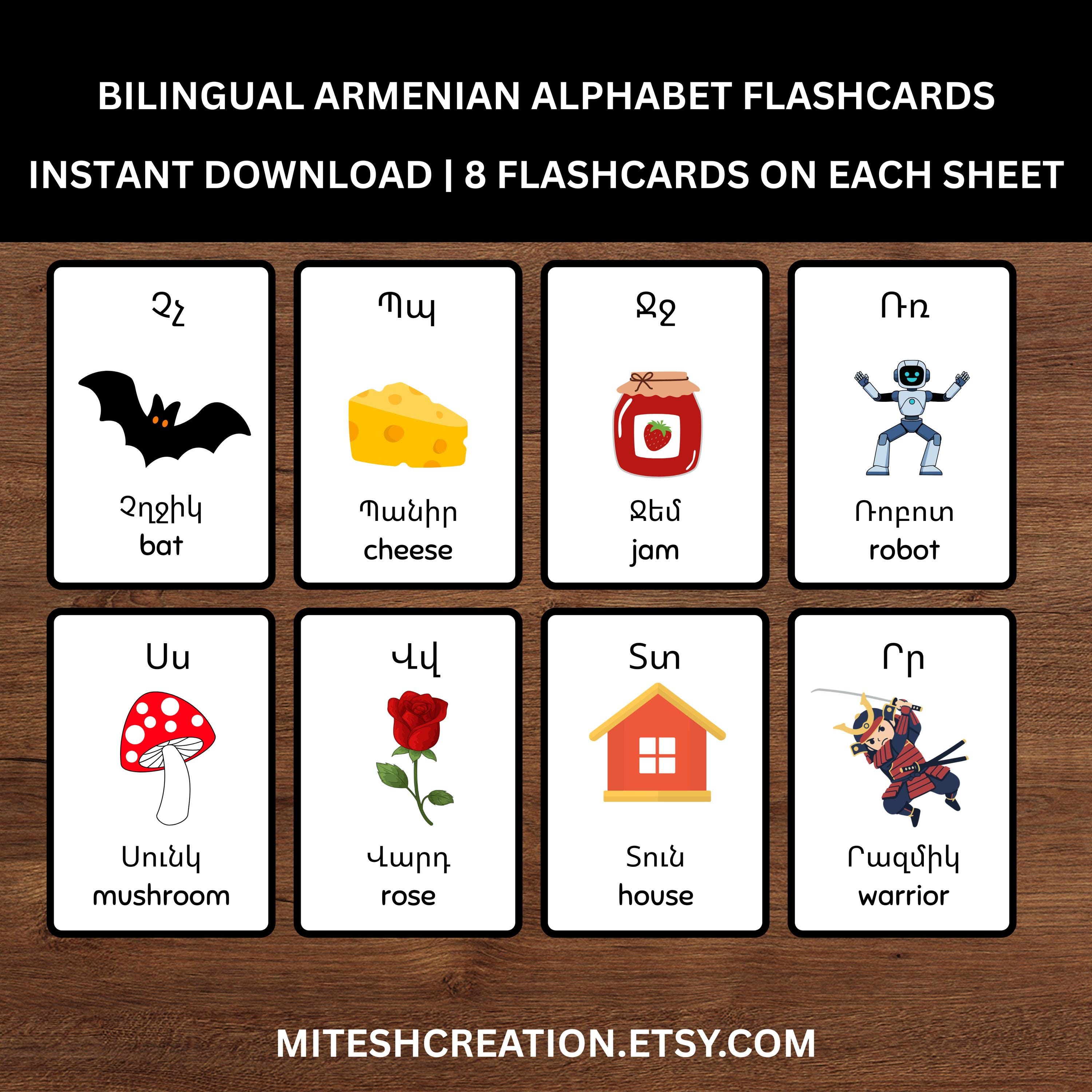
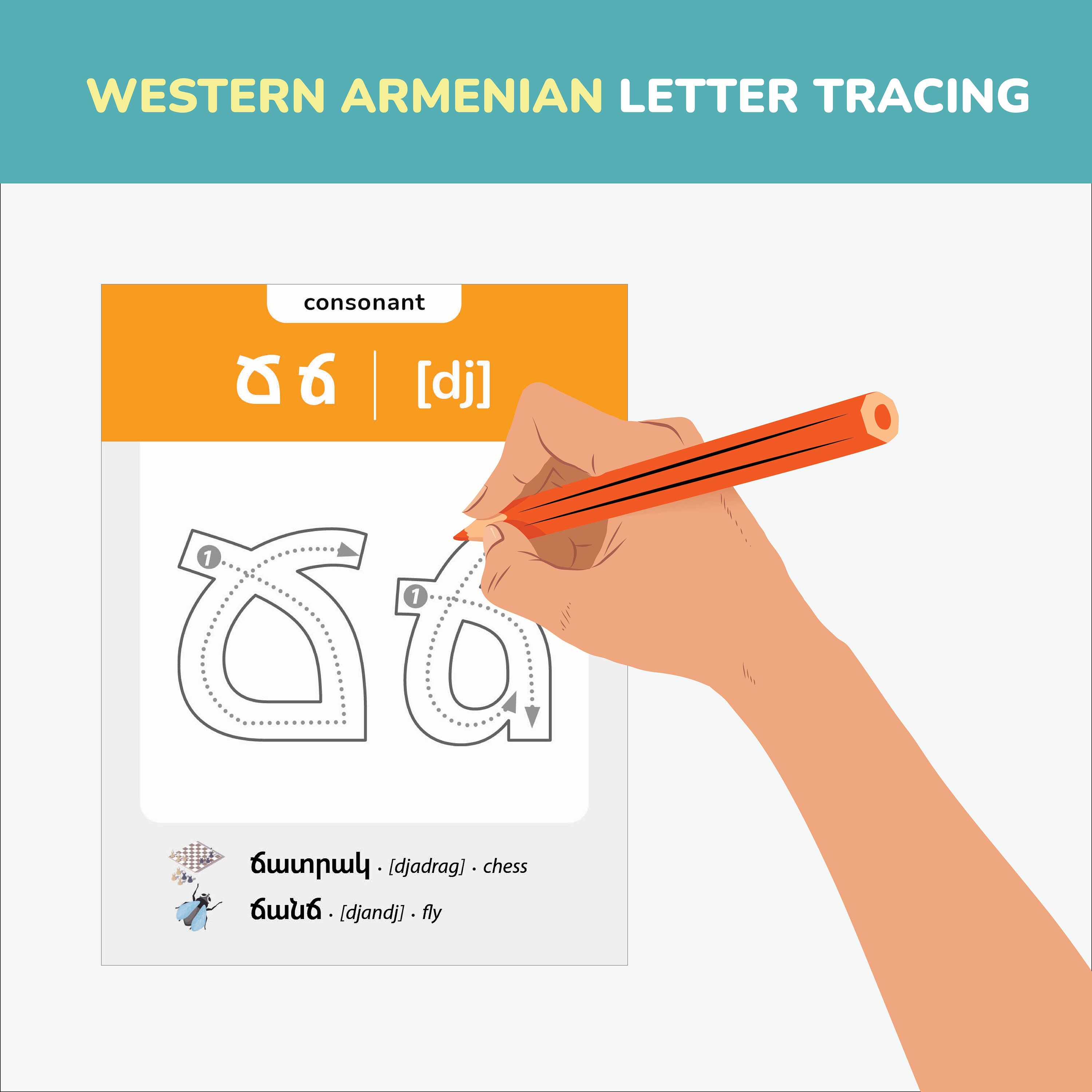
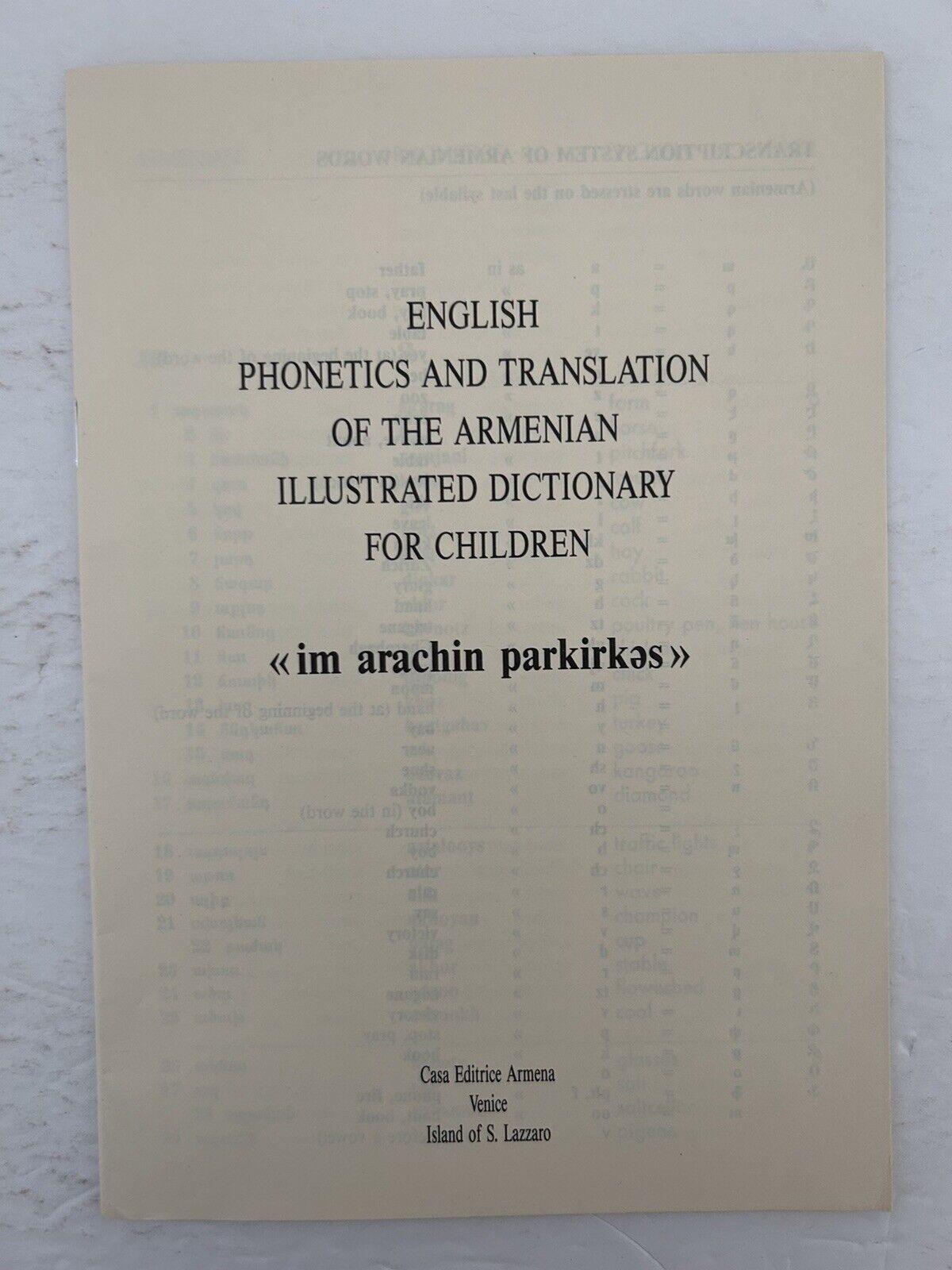
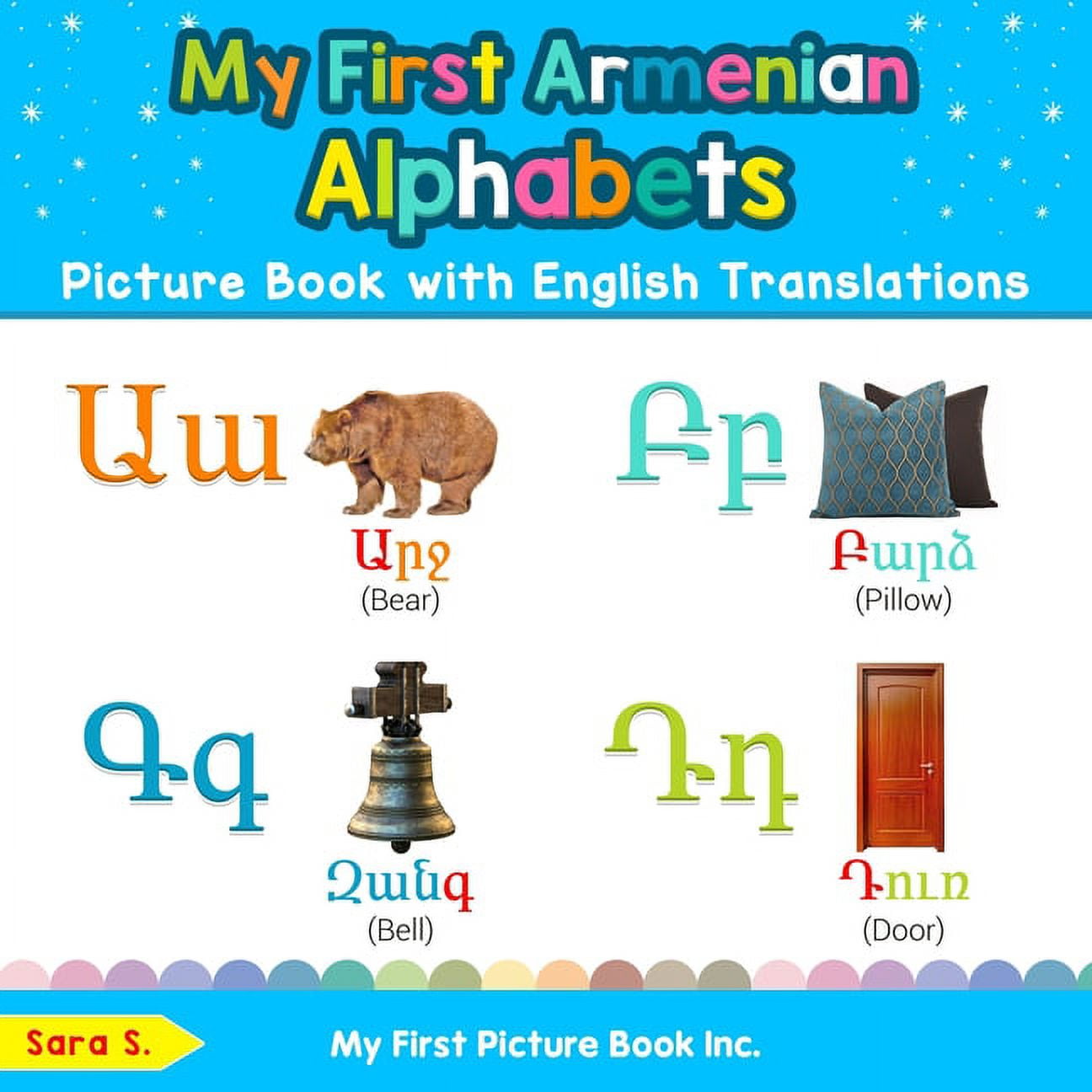
Transliterating the Armenian alphabet into English involves mapping the 39 unique characters of the Armenian script (Aybuben) to the Latin alphabet. Because Armenian features sounds not present in English and has two distinct primary dialects—Eastern and Western—standardized systems like ISO 9985, ALA-LC, and BGN/PCGN are used to ensure consistency in passports, academic research, and digital mapping.
The Foundation of Armenian Script and Romanization
The Armenian alphabet was created in 405 AD by the linguist and ecclesiastical leader Mesrop Mashtots. Originally consisting of 36 letters, the alphabet was designed to capture the complex phonetic structure of the Armenian language. Over the centuries, three additional characters were added (և, օ, ֆ), bringing the modern total to 39.
Transliteration is the process of representing these characters using the Latin (English) alphabet. It is distinct from transcription, which attempts to represent the sounds of a language. In Armenian, transliteration is particularly complex because of the phonetic divergence between Eastern Armenian (the official language of the Republic of Armenia and the Armenian community in Iran) and Western Armenian (spoken primarily by the Diaspora in the Americas, Europe, and the Middle East).
As of 2026, the need for precise transliteration has only grown. With the global integration of digital databases, standardized Romanization ensures that a name written in the Armenian script is searchable and recognizable across international borders, from airport security systems to academic libraries.
Dialectical Divergence: Eastern vs. Western Phonetics
One of the most significant hurdles in Armenian-to-English transliteration is the "consonant shift" that occurred between the two major dialects. While both dialects use the exact same written characters, they pronounce several of them differently. This creates a dilemma: should the transliteration follow the written letter (orthography) or the spoken sound (phonetics)?
The Consonant Shift
In Eastern Armenian, the classical pronunciation of the "voiced" stops is largely preserved. In Western Armenian, these stops have shifted. For example, the second letter of the alphabet, Բ, is pronounced as a "B" in Eastern Armenian but as a "P" in Western Armenian. Conversely, the letter Պ is a "P" in Eastern but a "B" in Western.
When transliterating for an English audience, the choice often depends on the subject's background. A person from Yerevan named Պետրոս would typically have their name transliterated as Petros, whereas a person from Beirut or Los Angeles with the same Armenian spelling would often be transliterated as Bedros.
The Vowel and Semivowel Nuances
Beyond consonants, certain vowels and semivowels require special attention. The letter Յ (hi) functions as a "y" sound in English. However, its placement determines its transliteration. At the start of a word, it is almost always "Y," but in the middle or end of words (especially in surnames), it often serves to create a diphthong, leading to variations like "-ian" or "-yan."
Major Transliteration Systems and Standards
To resolve the inconsistencies of phonetic spelling, several international organizations have developed rigorous transliteration tables. Understanding which system to use is critical for accuracy in specific professional fields.
1. ALA-LC (Library of Congress)
The American Library Association and the Library of Congress (ALA-LC) system is the gold standard for English-speaking academic and library settings. It is designed to be "reversible," meaning a scholar should be able to look at the English transliteration and reconstruct the original Armenian spelling perfectly. This system uses diacritics (like the dot above a 't' or a 'd') to distinguish between different Armenian letters that might otherwise sound similar to an English speaker.
2. ISO 9985
The International Organization for Standardization (ISO) established ISO 9985 as the international standard for the transliteration of modern Armenian into Latin characters. It is a strictly character-for-character mapping. While highly accurate for linguistic data, it can result in spellings that look unfamiliar to the casual English reader, such as using "ž" for the "zh" sound.
3. BGN/PCGN 1981
Developed by the United States Board on Geographic Names (BGN) and the Permanent Committee on Geographical Names for British Official Use (PCGN), this system is used for maps and geographical designations. It prioritizes clarity for English speakers and avoids many of the complex diacritics found in the ALA-LC system. If you see an English map of Armenia in 2026, it is most likely using a version of BGN/PCGN.
4. The "Passport" Standard (ICAO)
The International Civil Aviation Organization (ICAO) influences how names are transliterated on Armenian passports. This system is generally simplified for international travel, often omitting diacritics and using common English letter combinations like "sh" for Շ and "ch" for Չ.
Comprehensive Armenian-to-English Transliteration Table
The following table provides a mapping of the Armenian alphabet based on the most common English-language conventions, noting the differences between Eastern and Western pronunciations where applicable.
| Armenian Letter | Letter Name | Eastern Transliteration | Western Transliteration | Common English Usage |
|---|---|---|---|---|
| Ա ա | Ayb | a | a | a |
| Բ բ | Ben | b | p | b / p |
| Գ գ | Gim | g | k | g / k |
| Դ դ | Da | d | t | d / t |
| Ե ե | Ech | e / ye | e / ye | e / ye |
| Զ զ | Za | z | z | z |
| Է է | Eh | e | e | e |
| Ը ը | Et | i / ə | i / ə | y / e |
| Թ թ | To | t' | t | t / th |
| Ժ ժ | Zhe | zh | zh | zh |
| Ի ի | Ini | i | i | i / ee |
| Լ լ | Lyun | l | l | l |
| Խ խ | Khe | kh | kh | kh |
| Ծ ծ | Tsa | ts | dz | ts / dz |
| Կ կ | Ken | k | g | k / g |
| Հ հ | Ho | h | h | h |
| Ձ ձ | Dza | dz | ts | dz / ts |
| Ղ ղ | Ghad | gh | gh | gh |
| Ճ ճ | Che | ch | j | ch / j |
| Մ մ | Men | m | m | m |
| Յ յ | Hi | y / h | y / h | y / i |
| Ն ն | Nu | n | n | n |
| Շ շ | Sha | sh | sh | sh |
| Ո ո | Vo | o / vo | o / vo | o / vo |
| Չ չ | Cha | ch' | ch | ch |
| Պ պ | Pe | p | b | p / b |
| Ջ ջ | Jhe | j | ch | j / ch |
| Ռ ռ | Ra | rr | rr | r |
| Ս ս | Se | s | s | s |
| Վ վ | Vev | v | v | v |
| Տ տ | Tyun | t | d | t / d |
| Ր ր | Re | r | r | r |
| Ց ց | Tso | ts' | ts | ts |
| Ու ու | U | u | u | u / oo |
| Փ փ | Pyur | p' | p | p / ph |
| Ք ք | Ke | k' | k | k / q |
| Եվ և | Ev | ev / yev | ev / yev | ev / yev |
| Օ օ | O | o | o | o |
| Ֆ ֆ | Fe | f | f | f |
Handling Complex Characters and Digraphs
In Armenian, some single letters are best represented in English by "digraphs"—two letters working together to make one sound.
The "Vo" and "Ye" Rule
The letters Ո (vo) and Ե (ye) change their transliteration based on their position in a word.
- If Ո is at the beginning of a word, it is usually transliterated as vo (e.g., Vordan). If it is in the middle or end, it is simply o (e.g., Kotayk).
- Similarly, Ե at the beginning of a word is ye (e.g., Yerevan), but in the middle, it is e (e.g., Sero).
The Digraph "Ու" (U)
While Mashtots' original alphabet did not have a single letter for the "u" sound (as in "moon"), Armenian uses a combination of ո and ւ to create the "u" sound (ու). In modern English transliteration, this is almost always rendered as u, though older texts or specific family names might use ou or oo.
The Ghad (Ղ) and Khe (Խ)
The letter Ղ is a voiced velar fricative, often compared to the French "r." In English, it is standardized as gh. The letter Խ is a voiceless velar fricative, similar to the "ch" in the Scottish word "loch" or the German "Bach." This is universally transliterated as kh. Mixing these up can significantly change the meaning of a word.
Practical Applications: Surnames and Place Names
For many English speakers, the most common encounter with Armenian transliteration is through surnames. Armenian last names typically end in the suffix -յան.
The -yan vs. -ian Debate
Both -yan and -ian are correct transliterations of the same Armenian suffix. Generally:
- -yan is more common in Eastern Armenian transliteration (e.g., Sargsyan, Avetisyan).
- -ian is more common in Western Armenian communities (e.g., Kardashian, Saroyan).
In 2026, the digital standardization of records has led many families to stick to one spelling for legal consistency, but phonetically, they represent the same Armenian root.
Geographic Names
Transliterating Armenian locations requires adherence to the BGN/PCGN standards to ensure GPS and mapping software function correctly. For example:
- Գյումրի is transliterated as Gyumri.
- Էջմիածին is transliterated as Ejmiatsin (though you may see Etchmiadzin in religious or historical contexts).
- Սևան is Sevan.
Common Mistakes to Avoid in Transliteration
- Overlooking Aspirated Stops: Armenian has three types of "p," "t," and "k" sounds (voiced, voiceless, and aspirated). In casual English writing, the aspiration is often ignored, but in technical transliteration, failing to distinguish between Թ (aspirated T) and Տ (unaspirated T) can lead to confusion.
- Confusing "R" Sounds: Armenian has two "r" sounds. Ր (soft r) is like the English "r," while Ռ (hard, rolled r) is more forceful. In high-level transliteration, Ռ is often written as rr.
- Inconsistent Vowels: Using "ee" for Ի or "oo" for Ու might help with pronunciation, but it breaks standard transliteration rules which prefer "i" and "u."
Transliteration in the Digital Era (2026)
As of 2026, artificial intelligence and machine translation tools have become highly adept at switching between Armenian script and Latin characters. However, human oversight remains essential for cultural and historical nuances. Modern Unicode standards (specifically the Armenian block U+0530 to U+058F) ensure that Armenian characters are rendered correctly across all operating systems.
When using automated tools for transliteration, it is important to check the "locale" settings. An AI tool set to "Western Armenian" will provide different Latin outputs for the same text than one set to "Eastern Armenian." For official documentation, always cross-reference automated output with the ISO 9985 or ALA-LC tables provided above.
FAQ: Armenian Alphabet to English Transliteration
What is the most accurate system for transliterating Armenian names?
For academic or library purposes, the ALA-LC system is considered the most accurate because it is fully reversible. For general use, the BGN/PCGN system is preferred as it is easier for English speakers to read without specialized linguistic knowledge.
Why do some Armenian names end in "-ian" while others end in "-yan"?
Both represent the Armenian suffix -յան. The "-ian" spelling is traditionally favored by Western Armenian speakers (Diaspora), while "-yan" is the standard transliteration for Eastern Armenian speakers (Republic of Armenia).
How do I transliterate the letter "և" (ev/yev)?
The letter և is a ligature of "e" and "v." If it appears at the beginning of a word (rarely, mostly in names), it is Yev. In the middle or end of a word, it is transliterated as ev.
Is there a difference between transliteration and transcription?
Yes. Transliteration maps characters from one script to another (e.g., Ա to A), focusing on the written form. Transcription maps the sounds of a language to another script, focusing on how a word is pronounced.
How should I handle the Armenian letter "Ը"?
The letter Ը represents a schwa sound (like the "a" in "about"). In standard transliteration, it is often represented by the character ə or simply the letter i or y depending on the specific system being used.
Why is Yerevan sometimes spelled with an "E" and sometimes with a "Y"?
In Armenian, the city is written as Երևան. Since the letter Ե at the beginning of a word is pronounced "ye," the most common transliteration is Yerevan. However, older or more literal transliterations may use Erevan.
Recommendation for Next Steps
If you are transliterating documents for official use—such as legal translations, visa applications, or academic publications—always identify the required standard first (usually ISO 9985 for international use or ALA-LC for US academic use). For personal use, such as learning the language or writing names for a general audience, focus on the Eastern vs. Western phonetic distinction to ensure the English spelling reflects the way the person actually pronounces their name. To ensure 100% accuracy in 2026, utilize a Unicode-compliant Armenian keyboard and verify the resulting strings against the official Library of Congress Romanization Tables.