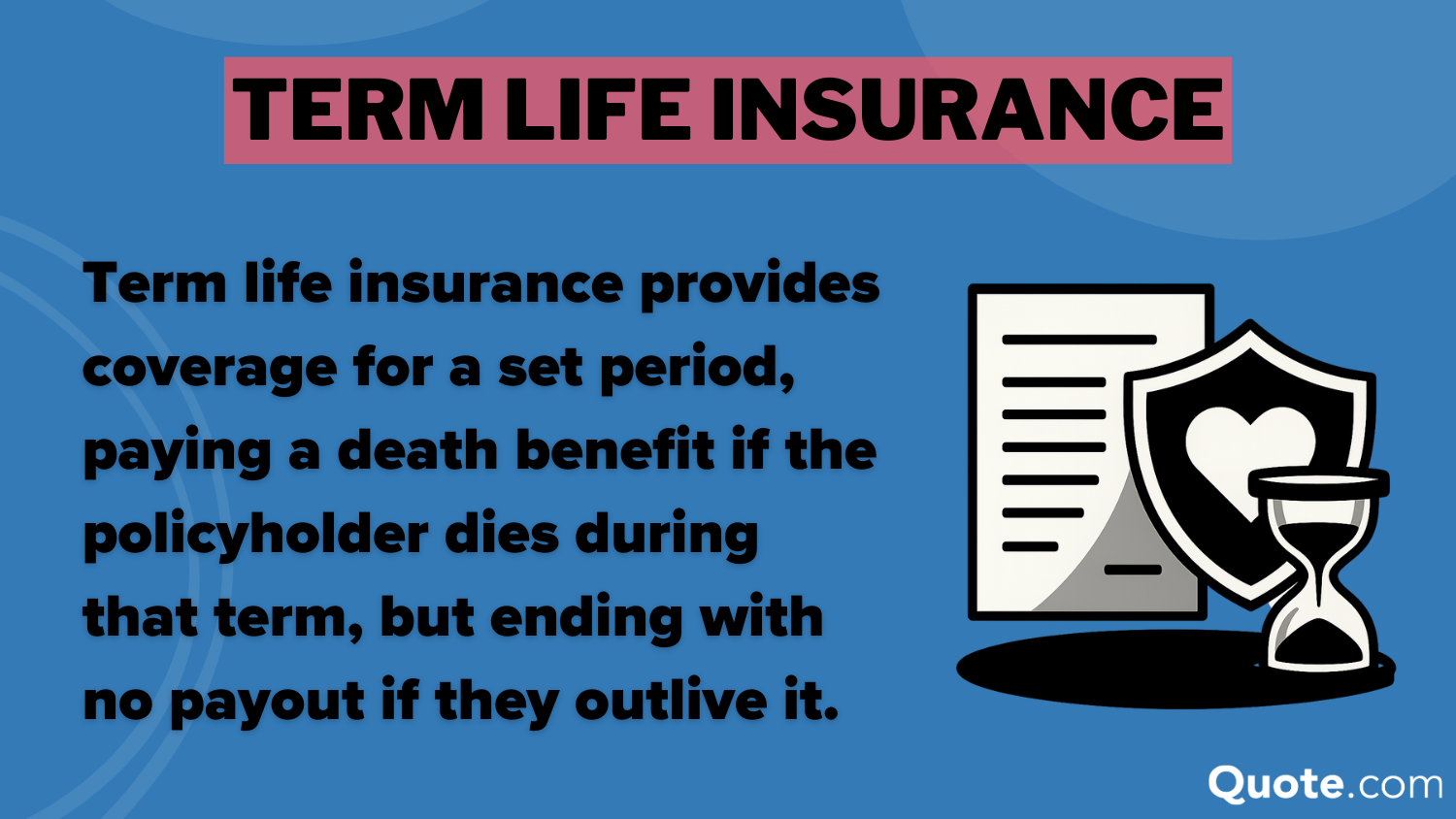
Araivem life insurance functions as a specialized financial instrument designed to provide targeted death benefit protection, often integrated into broader estate planning or niche risk-mitigation portfolios. For individuals navigating the landscape of modern life insurance in 2026, understanding how Araivem-branded or associated products operate requires a clear grasp of their underwriting standards, policy structure, and the specific regulatory frameworks governing their distribution.
Defining the Role of Araivem in Your Financial Portfolio
Life insurance is fundamentally a mechanism for transferring the economic risk of premature death to an insurer in exchange for premium payments. When evaluating Araivem life insurance, it is essential to first identify whether the product is a standalone term policy, a permanent whole life contract, or a specialized rider attached to a larger financial service suite.
In the current insurance landscape, the term "Araivem" often refers to specific distribution channels or proprietary underwriting methodologies that prioritize digitized assessment and high-velocity policy issuance. Unlike traditional legacy insurers that may require multi-week medical underwriting processes, Araivem-focused products typically leverage accelerated underwriting algorithms. This approach uses historical data, electronic health records (EHRs), and prescription database checks to determine eligibility in real time.
For most policyholders, the primary goal of securing this coverage is income replacement, debt liquidation, or ensuring liquidity for estate taxes. Before proceeding, assess your current liabilities and future obligations to ensure the death benefit accurately reflects your household’s actual economic need rather than an arbitrary figure.
Prerequisites and Eligibility Requirements
Eligibility for Araivem life insurance, as with any reputable insurance product, is contingent upon a series of risk-assessment variables. By 2026, these standards have become increasingly standardized across the industry, though individual product tiers within the Araivem ecosystem may vary.
- Age Constraints: Most policies are available to applicants between the ages of 18 and 75, though the specific product type will dictate the upper limit. Term life insurance generally caps eligibility earlier than whole life or guaranteed issue products.
- Residency Status: Policies are typically restricted to legal residents of the jurisdictions where the issuer holds a license. You must be able to prove valid government-issued identification and, in some cases, proof of lawful permanent residence or citizenship.
- Financial Capacity: Underwriting will verify that the requested death benefit is commensurate with your earned income and financial liabilities. This "human life value" calculation prevents over-insurance, which is considered a moral hazard by regulators.
- Health Declarations: While many Araivem products utilize accelerated underwriting, you will still be required to provide accurate information regarding smoking status, recent surgeries, and chronic health conditions. Providing false information here is grounds for contestability, meaning the insurer could deny a death benefit claim if they discover the applicant misrepresented their health status during the application process.
The Application Process: A Step-by-Step Approach
Applying for life insurance in 2026 is a primarily digital endeavor. Understanding the technical flow of the application will help you prepare the necessary documentation to avoid delays.
- Step 1: Needs Assessment and Quoting. Utilize a digital calculator to determine the required coverage amount. Ensure you account for long-term debts, mortgage balances, and education costs for dependents.
- Step 2: Submission of Personal Data. You will provide your Social Security Number, primary physician contact details, and a disclosure of recent travel or hazardous hobbies. Be prepared to provide an e-signature to authorize the retrieval of your prescription drug history (the MIB Group, Inc. records).
- Step 3: Algorithmic Underwriting. Once submitted, the system will categorize your application as "instant approval," "further review," or "medical exam required." Most applicants in good health with no significant medical history bypass the traditional paramedical exam phase.
- Step 4: Policy Delivery and Review. Upon approval, the policy documents are delivered via a secure portal. You have a "free look" period—typically 10 to 30 days depending on your state’s laws—to review the fine print and cancel the policy for a full refund of any paid premiums if it does not meet your expectations.
Comparative Analysis of Coverage Types
Selecting the right policy structure is as critical as choosing the company itself. The following table provides a comparison of typical product categories often associated with modern insurers like Araivem.
| Feature | Term Life Insurance | Whole Life Insurance | Universal Life Insurance |
|---|---|---|---|
| Duration | Fixed (10–30 years) | Lifetime (if paid) | Lifetime (flexible) |
| Cash Value | None | Guaranteed growth | Variable growth |
| Premiums | Level (fixed) | Fixed | Flexible |
| Best Use | Income replacement | Estate planning | Long-term versatility |
| Complexity | Low | Moderate | High |
Understanding Policy Costs and Premium Determination
Premium costs for Araivem-related products are driven by a actuarial calculation of risk. Factors such as your age at the time of application, gender, and health classification (often referred to as "rating classes") dictate the monthly cost.
Insurance companies use mortality tables to project how long an individual in a specific demographic will live. A "Preferred Plus" rating, given to those with excellent health, low cholesterol, and no tobacco use, will result in the lowest premium. Conversely, those with pre-existing conditions or lifestyle risks will be placed in a "Standard" or "Substandard" (rated) class, which carries higher premium costs to account for the increased statistical probability of a claim.
In 2026, it is vital to remember that life insurance premiums are generally not tax-deductible as a personal expense. However, the death benefit paid to your beneficiaries is typically received income-tax-free, providing a significant financial advantage in inheritance and estate management.
Troubleshooting Common Application Hurdles
Even with efficient digital systems, applicants may face hurdles that stall the issuance of a policy. Understanding these common friction points can save significant time:
- Incomplete Medical History: If you cannot recall specific dates of past procedures or medications, the underwriters will flag the application for manual review. Always keep a list of your recent prescriptions and healthcare provider contact information handy before you begin the process.
- Address and Identity Mismatches: Digital systems cross-reference identity databases. If your current address does not match your credit file, the automated system may trigger a manual identity verification step, which can add days to the process.
- Financial Red Flags: Requesting a death benefit that is disproportionately high compared to your annual income is a common cause for denial. If you require a high death benefit for business protection or estate liquidity, be prepared to submit supplemental financial documentation, such as tax returns or a net worth statement.
Frequently Asked Questions (FAQ)
Can I increase my Araivem death benefit later? Most term policies do not allow you to increase the death benefit without undergoing a new underwriting process. If your financial needs grow, you may need to purchase an additional policy (stacking) or convert your term policy to a permanent product if the policy contract includes a conversion rider.
What happens if I miss a premium payment? Most policies have a "grace period," typically 30 or 31 days, during which your coverage remains active despite a missed payment. If the payment is not made by the end of the grace period, the policy may lapse. Permanent policies with cash value may offer an "automatic premium loan" feature, which uses your accumulated cash value to pay the premium.
Does Araivem life insurance cover suicide? Standard life insurance contracts include a "suicide clause," typically lasting two years from the policy’s inception date. If the insured dies by suicide within this window, the insurer generally only returns the premiums paid. After the two-year mark, most policies cover death by any cause, including suicide.
How do beneficiaries claim the death benefit? Beneficiaries must provide the insurance company with a certified copy of the death certificate and a completed claim form. In 2026, most insurers have digitized this process to expedite the payout, though the verification of the claim can take several weeks depending on the complexity of the policy.
Can I have multiple life insurance policies? Yes. Many individuals hold multiple policies—for example, a term policy for their working years to cover mortgage debt and a small whole life policy for final expenses. Insurance companies will, however, assess the "total aggregate coverage" across all carriers to ensure the total amount is not unreasonable relative to your income.
Professional Advice and Final Next Actions
When finalizing your decision, remember that life insurance is a long-term commitment. A policy is a legal contract that remains in effect for decades. Before signing, ensure the policy structure aligns with your long-term financial strategy rather than just immediate affordability.
If you are unsure about the specific policy language or the suitability of a product for your tax situation, consult with a fee-only financial planner or an independent insurance agent who is not tied to a single carrier. These professionals can provide an objective analysis of whether an Araivem-branded product is the most efficient choice for your specific net worth and risk profile.
Your next action should be to aggregate your existing financial documents—including current assets, outstanding debt, and current income levels. Use this data to run a formal needs analysis. Once you have a clear figure, request a formal quote through the official channels to begin the review process. Always keep a printed or digital copy of the final policy contract in a secure location and ensure your beneficiaries are aware of its existence and the procedures for filing a claim.