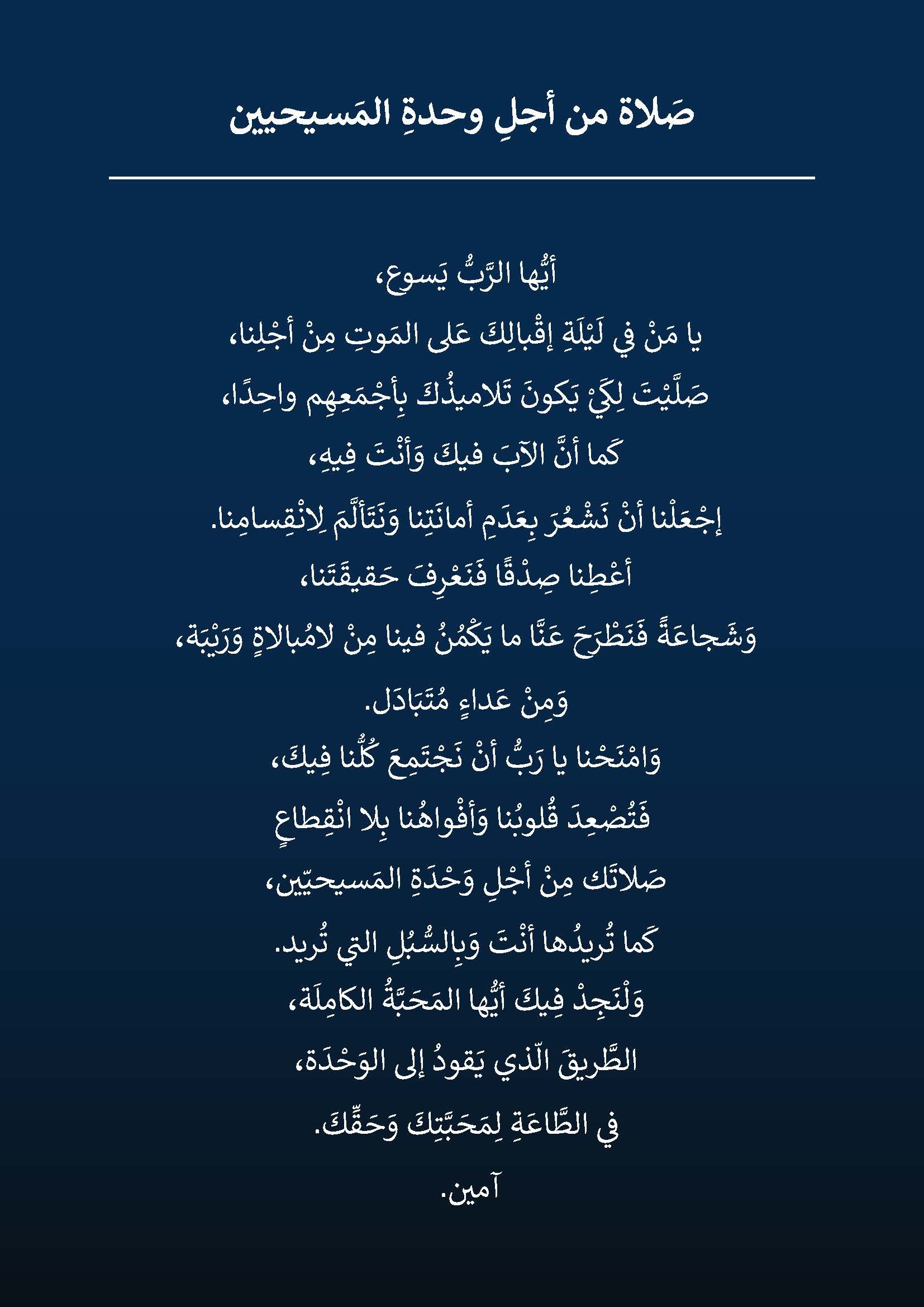
Arabic prayer within a Christian context represents a diverse tapestry of liturgical, devotional, and personal expressions practiced by millions of believers across the Middle East, North Africa, and the global diaspora. Whether stemming from Byzantine, Syriac, Coptic, or Maronite traditions, Arabic-language prayer is central to the identity of Arab Christians, serving as both a bridge to ancient ecclesiastical heritage and a vessel for contemporary spiritual life. This guide explores the diverse traditions, common liturgical structures, and available resources for those seeking to engage with or understand Arabic Christian prayer.
The practice of Christian prayer in the Arabic language is deeply rooted in the historical reality of the Middle East, where the language of the community has historically been used alongside classical liturgical tongues like Koine Greek, Syriac, and Coptic. Today, Arabic serves as the primary language for worship, scripture reading, and personal devotion for numerous denominations, including the Greek Orthodox, Roman Catholic, Maronite, Coptic Orthodox, and various Protestant traditions. Understanding this subject requires navigating the distinct liturgical families that shape how Arabic prayer is constructed, experienced, and transmitted across generations.
The Liturgical Heritage of Arabic Christian Prayer
To understand Arabic Christian prayer, one must first recognize that the Middle Eastern Christian experience is not monolithic. It is categorized by several distinct "Rites" or families of tradition, each of which has adapted its ancient prayers into the Arabic language over centuries.
The Byzantine Rite (Melkite and Orthodox)
The Byzantine tradition, shared by both Eastern Orthodox churches and Melkite Greek Catholics, relies heavily on the Horologion (Book of Hours). In Arabic-speaking communities, these prayers are translated to maintain the theological precision of the original Greek. The prayer life here is highly structured, revolving around the "Divine Office"—a series of prayers designated for different times of the day, such as Vespers (evening) and Orthros (morning).
The Syriac and Maronite Traditions
The Syriac tradition is one of the oldest in Christendom, and for the Maronite Church, which is in full communion with Rome, the Arabic language has been vital for centuries. The Maronite Qurbono (Mass) and the Divine Office contain poetic, highly metaphorical language. These prayers often feature parallelism and deep Christological imagery, reflecting the Semitic roots shared between Arabic and Syriac.
The Coptic Rite
The Coptic Orthodox Church, primarily based in Egypt, utilizes the Agpeya, or Book of Hours. The Agpeya is a central text for both clergy and laity, consisting of seven prayers corresponding to the seven canonical hours. These prayers are deeply rooted in the Psalms and are characterized by a focus on repentance, vigilance, and the acknowledgment of divine presence throughout the day.
Foundational Elements of Arabic Prayer
Regardless of the specific rite, certain commonalities define the architecture of Arabic Christian prayer. Understanding these helps in both personal practice and the appreciation of communal worship.
The Role of the Psalms
The Book of Psalms, known in Arabic as Al-Mazamir, is the bedrock of Christian prayer across all denominations in the Middle East. Whether chanted in a cathedral or recited in a home setting, the Psalms provide the rhythmic and emotional structure for Arabic prayer. Most prayer books are organized so that a specific set of Psalms is read daily, encouraging a cyclical engagement with the entire Psalter.
The Jesus Prayer (The Prayer of the Heart)
The "Jesus Prayer"—Ya Rabb Yasu’ al-Masih, ibn Allah, irhamni ana al-khati’ (Lord Jesus Christ, Son of God, have mercy on me, a sinner)—is a vital component of the Arabic prayer tradition. While it originated in the desert monasticism of Egypt and Syria, it has become a staple of individual spiritual practice for many Arab Christians. Its simplicity allows it to be repeated continuously, fostering a state of interior stillness.
Iconography and the Sensory Experience
In many Arabic-speaking Christian traditions, prayer is not merely an intellectual activity; it is a sensory one. The use of icons, the scent of incense, and the intonation of the voice are considered extensions of the prayer itself. The physical posture—often involving standing, bowing, or making the sign of the cross—reflects the belief that the body participates in the worship of God alongside the soul.
Comparison of Prayer Traditions in Arabic
The following table provides a high-level comparison of how different traditions utilize prayer resources, helping users identify which liturgical style aligns with their interest or background.
| Tradition | Key Prayer Book | Frequency | Primary Characteristics |
|---|---|---|---|
| Coptic Orthodox | Agpeya | 7 times daily | Focus on repentance and Psalm-based structure. |
| Maronite (Catholic) | Divine Office | Daily cycle | Highly poetic, rich in Syriac-derived symbolism. |
| Greek Orthodox/Melkite | Horologion | Morning/Evening | Structurally tied to Byzantine liturgical calendar. |
| Protestant/Evangelical | Varied (Bibles) | Spontaneous/Fixed | Focus on personal interpretation and scripture. |
Practical Steps for Engaging with Arabic Prayer
For those wishing to incorporate Arabic prayers into their daily routine or study, several practical approaches are available. These range from digital applications to traditional print media.
1. Identify Your Theological Focus
Before beginning, determine whether you are interested in liturgical, structured prayer or spontaneous, personal devotion. If you are interested in the liturgical history, explore the Agpeya or the Horologion. If you prefer a simpler approach, the daily recitation of the Lord's Prayer—Abana alladhi fi-s-samawat—is a universal starting point.
2. Utilize Digital Resources
In 2026, technology has significantly lowered the barrier to accessing traditional Arabic prayer texts.
- Mobile Apps: Many dioceses and monastic communities provide applications that allow users to follow the daily prayer cycle in Arabic on their smartphones. Search app stores for terms like "Agpeya" or "Salawat" (prayers).
- Audio Resources: For those who are not fluent in reading Arabic, listening to chanted prayers is an excellent way to learn the cadence and spirit of the tradition. Platforms like YouTube host extensive collections of Coptic and Byzantine chanting, which can serve as a meditative aid.
3. Establish a Routine
Prayer in the Middle Eastern tradition is inherently tied to time. Attempting to synchronize your prayer life with the liturgical "hours" can provide a sense of structure. Even if you cannot perform all seven hours of the Coptic Agpeya, choosing one time of day—such as the "Third Hour" or "Vespers"—to consistently engage with the text can create a rhythm of spiritual discipline.
4. Language and Translation Considerations
If you are learning Arabic, be aware that liturgical Arabic (often termed "Modern Standard Arabic" or a blend of formal/classical forms) may differ from regional dialects. Liturgical texts prioritize the formal Fusha style, which is consistent across the Arab world, ensuring that a prayer book used in Beirut is largely intelligible in Cairo or Baghdad.
Addressing Challenges and Common Misconceptions
One common challenge for non-native speakers or Western Christians approaching Arabic prayer is the perception that it is exclusively distinct from Western Christianity. In reality, much of the theology and many of the prayers share a common root with the early Church.
Another frequent hurdle is the complexity of the language. Arabic is a root-based language, and the prayers often use theological vocabulary that can be intimidating for beginners. It is helpful to start with a "diglot" version (bilingual) if possible, where the Arabic text is presented alongside your native language. This allows you to understand the theological intent while becoming accustomed to the sound and structure of the Arabic phrases.
Frequently Asked Questions
What is the most common Arabic prayer used by Christians? The most universal prayer is the Abana (The Lord's Prayer). It is used in every denomination and serves as the foundation for communal and individual prayer. Following this, the Jesus Prayer is the most widely practiced short-form prayer across Eastern traditions.
Are there specific prayer books I should purchase? If you are interested in the Coptic tradition, the Agpeya is essential. For Byzantine/Melkite interest, look for an Arabic Horologion. These are often available through specialized religious bookstores in the Middle East or via the websites of Orthodox and Catholic monasteries that maintain a digital presence.
How do I learn to chant or sing these prayers? Chanting is an oral tradition. While written notation exists for some traditions, the best way to learn is by listening to recordings of the Cantors (the individuals responsible for singing the liturgies). Many churches offer online tutorials or recorded services that demonstrate the correct tone and rhythm.
Is it necessary to know classical Arabic to pray effectively? No. While many prayers are written in formal Arabic, the intention of the heart is considered the most important aspect of prayer in all Christian traditions. Using a translation, an audio aid, or even a simplified version of the prayers is a common and accepted practice for those in the process of learning.
Are there differences between Catholic and Orthodox Arabic prayers? Yes, primarily in the theological emphasis and the structure of the liturgy. While they share many of the same foundational prayers, the communion and specific liturgical references (such as mentions of the Pope in Catholic rites or the Patriarch in Orthodox rites) will differ.
Next Steps for the Practitioner
If you are beginning your exploration of Arabic Christian prayer, the most effective next step is to select one specific tradition that resonates with your current spiritual path and obtain a copy of their primary prayer book. Begin by reciting the morning prayers of that tradition for one week. Focus on the consistency of the time and the environment of your prayer space. By grounding yourself in the ancient texts of the Middle East, you connect with a tradition that has preserved its faith through centuries of history, offering a unique perspective on the Christian life that is both intellectually deep and spiritually resonant.