Anne Hathaway’s "prime era" is not a single point in time, but rather a recurring cycle of excellence characterized by three distinct peaks: her 2001 breakout as a teen icon, her 2012 critical sweep culminating in an Academy Award, and her current 2022–2026 "Renaissance" as a high-fashion mogul and seasoned lead. While her 2012–2013 period represents her greatest professional accolades, her current era is widely regarded as her most influential cultural moment.
Defining the Concept of a "Prime Era" for Anne Hathaway
To understand Anne Hathaway’s prime, one must distinguish between commercial viability, critical acclaim, and cultural zeitgeist. Most actors experience a linear trajectory of growth, a plateau, and a gradual transition into character roles. Hathaway, however, has defied the standard Hollywood lifecycle. As of 2026, her career is frequently cited by film historians and critics as a "multi-prime" phenomenon.
The term "prime era" in the context of Hathaway usually refers to the period between 2011 and 2013, when she transitioned from a respected actress to a global powerhouse. During this window, she balanced massive blockbuster success with the highest form of industry recognition. However, the internet-driven "Hathaslayance"—a term coined in the early 2020s to describe her resurgence in fashion and independent film—has forced a re-evaluation of what her true "prime" actually is.
The First Peak: The Ingenue and the Breakout (2001–2005)
Anne Hathaway entered the public consciousness as Mia Thermopolis in Disney’s The Princess Diaries (2001). This era was defined by her relatability and a specific type of "theatre kid" energy that resonated with Millennial and Gen Z audiences.
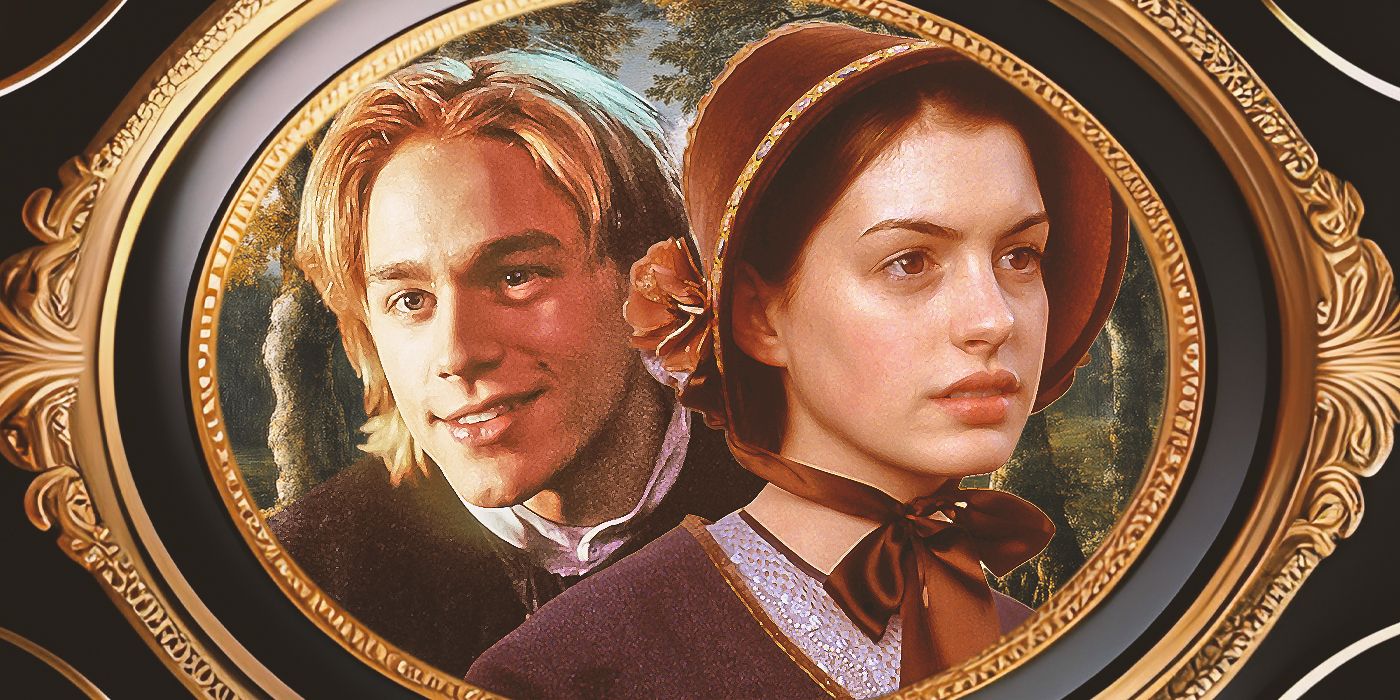
During this initial prime, Hathaway was the face of the modern fairy tale. Her performance relied on physical comedy and an earnestness that was rare in the cynical early 2000s. While these films were commercial hits, the industry initially struggled to see her beyond the "Disney Princess" mold. Her work in Ella Enchanted (2004) solidified this image, but Hathaway was already planning a strategic pivot.
The end of this era was marked by Havoc and Brokeback Mountain (2005). These roles served as a deliberate "prime transition," where she shed her G-rated persona to prove she could handle gritty, complex, and emotionally taxing adult narratives. Her role as Lureen Newsome in Brokeback Mountain is particularly significant; it demonstrated her ability to hold the screen alongside heavyweights like Heath Ledger and Jake Gyllenhaal, signaling that her "prime" was only just beginning.
The Imperial Phase: Critical and Commercial Dominance (2011–2013)
If one measures a "prime era" by awards and box office receipts, the early 2010s are the undisputed winner. This three-year span saw Hathaway achieve a level of visibility that few actors ever reach.
The Catwoman and the Oscar
In 2012, Hathaway appeared in two of the most significant films of the decade. First, she took on the iconic role of Selina Kyle (Catwoman) in Christopher Nolan’s The Dark Knight Rises. She earned praise for bringing a grounded, athletic, and sophisticated interpretation to a character that had previously been played with more camp.
Following this, her performance as Fantine in Les Misérables (2012) became the definitive moment of her dramatic career. Her rendition of "I Dreamed a Dream," recorded live on set in a single take, remains a masterclass in raw vulnerability. This performance led to a clean sweep of the 2013 awards season, including the Academy Award, the Golden Globe, and the BAFTA for Best Supporting Actress.
The Paradox of Success: The "Hathahate" Era
Ironically, the height of her professional prime coincided with a period of intense public scrutiny known as "Hathahate." The media and social media users criticized her for being "too polished" or "too earnest" during her acceptance speeches. This phenomenon is now studied as a prime example of misogyny in celebrity culture, where successful women are penalized for their excellence and perceived lack of "chill."
Despite the noise, this era was her statistical prime. She was among the highest-paid actresses in the world and a first-call talent for every major director in Hollywood.
The Modern Renaissance: The "Hathaslayance" (2022–2026)
By the early 2020s, the public narrative surrounding Hathaway shifted dramatically. The "Hathahate" of the previous decade was replaced by a collective realization of her talent and a newfound obsession with her public persona. As we stand in 2026, this "Modern Prime" is characterized by three pillars: fashion, film versatility, and cultural reclamation.
The Fashion Icon
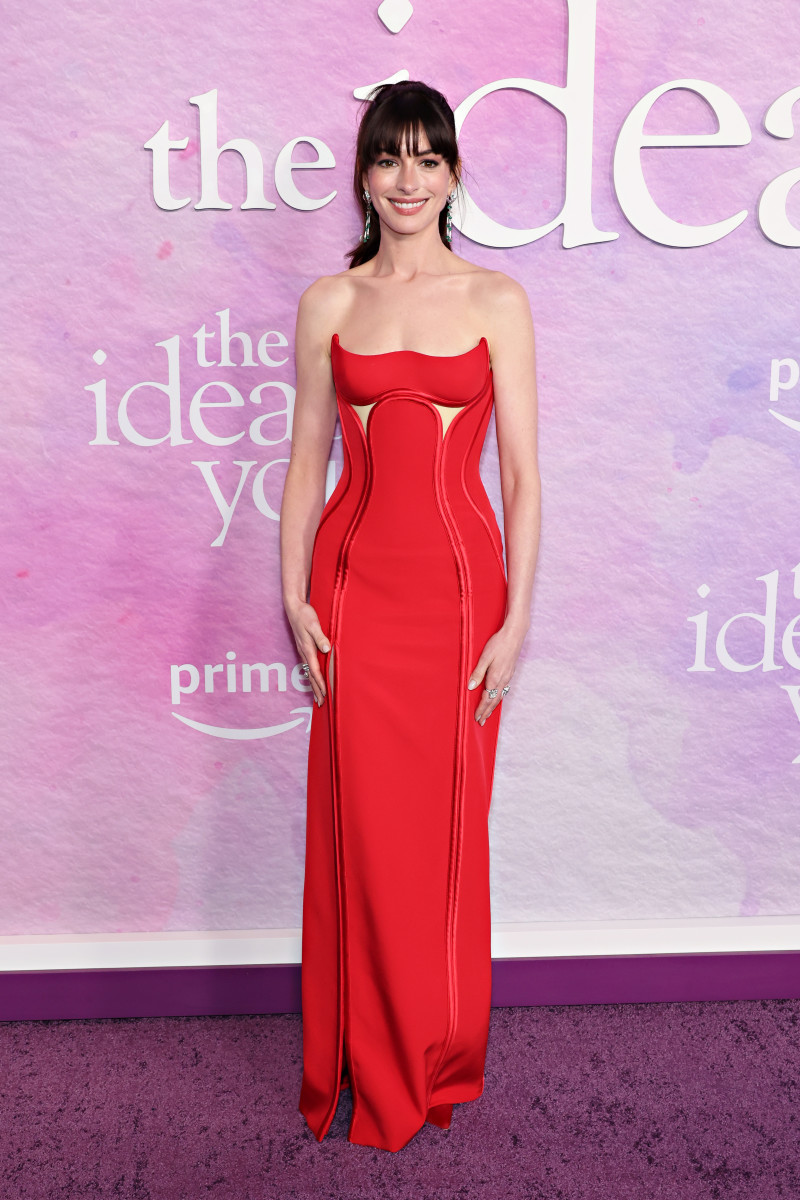
Hathaway’s partnership with stylist Erin Walsh and her role as a face for Versace and Bulgari transformed her into a high-fashion juggernaut. Her appearances at the Met Gala and the Cannes Film Festival became viral events. This version of Hathaway is confident, experimental, and seemingly ageless, appealing to a new generation of fans who value her "cool factor" as much as her acting.
Diversified Filmography
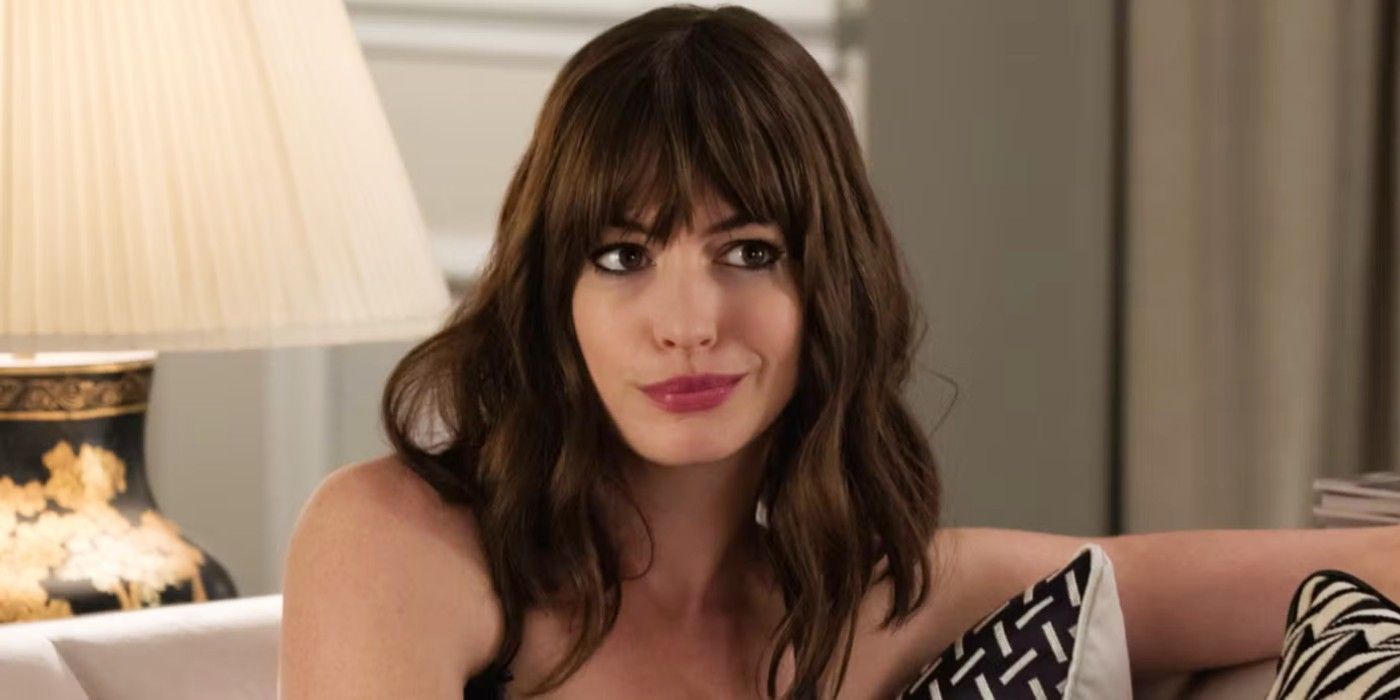
In this current era, Hathaway has moved away from traditional studio "Oscar bait" in favor of more daring and diverse projects. Films like Eileen (2023) and The Idea of You (2024) showcased her ability to lead both psychological thrillers and sophisticated romantic dramas. Her 2026 slate continues this trend, focusing on collaborations with auteur directors and streaming platforms that allow for more nuanced storytelling than the blockbusters of her 2012 era.
Comparative Analysis of Anne Hathaway’s Career Eras
The following table breaks down the key metrics that define each of Hathaway's major career phases.
| Era Feature | The Ingenue (2001–2005) | The Imperial Peak (2011–2013) | The Renaissance (2022–2026) |
|---|---|---|---|
| Primary Film Genre | Coming-of-age / Fantasy | Blockbuster / Musical | Independent / High-Concept |
| Defining Project | The Princess Diaries | Les Misérables | The Idea of You |
| Major Award Focus | Teen Choice / MTV Awards | Academy Award / Golden Globe | Critical Recognition / Icon Status |
| Public Image | Relatable Theatre Kid | Polarizing Overachiever | Relished Fashion Icon |
| Vocal Highlight | "Somebody to Love" (Ella Enchanted) | "I Dreamed a Dream" (Les Misérables) | Live performances / Fashion commentary |
| Box Office Status | Rising Star | Top-Tier Global Draw | Consistent A-List / Producer Status |
The Technical Artistry Behind Her Longevity
Hathaway’s ability to sustain a "prime" for over two decades is rooted in her technical discipline. Unlike many of her contemporaries, she is a classically trained actress who approaches roles with immense preparation.
- Vocal Control: Whether it was the operatic demands of Les Misérables or the specific accents required for films like One Day, her vocal training has allowed her to inhabit characters more deeply than those who rely solely on their natural persona.
- Physicality: In her 2012 era, she underwent rigorous physical training for The Dark Knight Rises. In her current 2026 era, she is noted for her poise and movement, which she uses to convey the status of the high-powered women she often portrays.
- Genre Fluidity: Hathaway is one of the few actresses who can move seamlessly between a Broad-style comedy (like The Hustle) and a bleak drama without losing her audience. This fluidity is what has prevented her from becoming a "legacy act."
Frequently Asked Questions
Which movie is considered Anne Hathaway's best performance?
While subjective, critics generally point to Les Misérables (2012) for its emotional intensity and Rachel Getting Married (2008) for its raw, naturalistic acting. In her current 2026 era, many also cite Eileen as a career-best performance for its subversive nature.
Why was there a period of "Hathahate"?
The "Hathahate" period (approx. 2013) was largely a social media phenomenon. It was fueled by a perception that Hathaway was "too perfect" or "performing" her humility. In retrospect, this is widely viewed as a gendered double standard, as male actors are rarely criticized for the same level of professionalism and preparation.
Is Anne Hathaway still in her prime in 2026?
Yes. By almost every metric—media presence, fashion influence, and the quality of roles offered—Hathaway is currently in her "Third Prime." This era is marked by a higher degree of creative control, as she now frequently serves as a producer on her projects.
How did The Devil Wears Prada impact her career?
Released in 2006, this film was the bridge between her ingenue era and her serious dramatic era. It proved she could lead a major commercial film that appealed to adults and fashion-conscious audiences, setting the stage for her 2011–2013 dominance.
What is the "Hathaslayance"?
"Hathaslayance" is a portmanteau of "Hathaway" and "Slay." It refers to her cultural comeback starting around 2022, characterized by her viral fashion moments and her unapologetic embrace of her fame and talent, effectively ending the previous era of public criticism.
Recommendations for Navigating the Hathaway Filmography
To truly appreciate the "prime era" of Anne Hathaway, one should view her work chronologically rather than by popularity. Start with The Princess Diaries to understand her foundation in physical comedy. Follow this with Rachel Getting Married to see the moment she became a "serious" actress.
For those interested in her peak technical achievement, Les Misérables is essential viewing. However, to understand why she remains a dominant force in 2026, one must look at her recent work in The Idea of You and her various high-fashion campaigns. These recent works demonstrate a woman who has mastered the machinery of Hollywood and is now using it to define her own legacy on her own terms. Whether you prefer the earnest princess of 2001 or the polished icon of 2026, it is clear that Anne Hathaway’s "prime" is a recurring event rather than a static point in history.