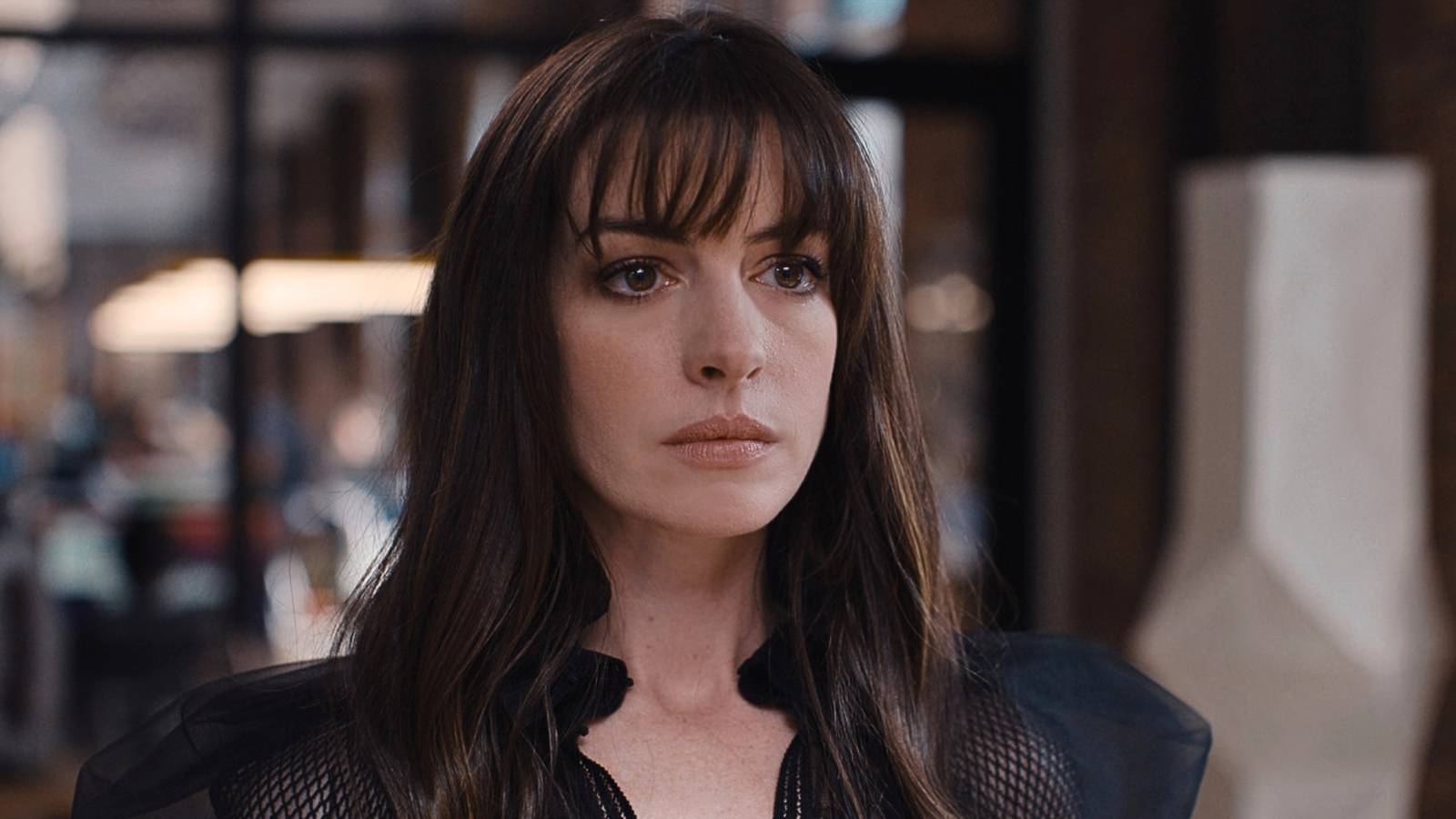
Anne Hathaway stars as the enigmatic and chilling Verity Crawford in the 2026 film adaptation of Colleen Hoover’s global phenomenon, Verity. Directed by Michael Showalter and produced by Amazon MGM Studios, the film brings the dark, controversial, and twisting narrative of the 2018 bestseller to the screen, exploring themes of maternal instinct, deception, and the blurred lines between fiction and reality.
The Casting of Anne Hathaway as Verity Crawford
The announcement that Academy Award winner Anne Hathaway would take on the role of Verity Crawford sent shockwaves through both the literary and cinematic worlds. For Hathaway, this role represents a significant departure from her more traditional dramatic and comedic roles, positioning her in the center of a high-stakes psychological horror-thriller.
In the 2026 production, Hathaway portrays a character who is, for much of the story, physically incapacitated but psychologically omnipresent. Verity Crawford is a world-renowned author who has suffered a catastrophic accident, leaving her unable to finish her highly successful book series. Her performance requires a delicate balance of physical stillness and the ability to convey a sense of underlying malevolence through brief, jarring moments of clarity.
Industry analysts note that Hathaway’s involvement elevates the project from a standard genre adaptation to a prestige thriller. Having previously collaborated with director Michael Showalter on The Idea of You, Hathaway’s casting suggests a deep creative trust. Her ability to play "unreliable" characters—previously hinted at in films like Colossal or Serenity—is pushed to its absolute limit in the adaptation of Hoover’s most polarizing work.
Understanding the Plot: From Page to Screen
The film follows the same foundational premise as the novel. Lowen Ashleigh, a struggling writer on the brink of financial ruin, is offered the opportunity of a lifetime. She is hired by Jeremy Crawford, the husband of the injured Verity, to complete the remaining books in a successful series his wife can no longer write.
Upon moving into the cavernous and isolated Crawford estate to sort through Verity's notes, Lowen discovers a hidden, unfinished autobiography. This manuscript contains bone-chilling admissions about Verity’s past, including her true feelings toward her children and the disturbing events leading up to the deaths of her daughters.
The Dual Narrative Structure
One of the primary challenges for the 2026 film was translating the "book within a book" format. The screenplay, penned by Nick Antosca (known for his work on dark, character-driven series like The Act and Channel Zero), utilizes a series of visceral flashbacks and "found footage" styles to represent the autobiography. Hathaway’s voiceovers and haunting reenactments of the manuscript’s contents provide the narrative backbone, forcing the audience to question whether they are watching the truth or the machinations of a sociopathic writer.
Production Background and Direction
The collaboration between Amazon MGM Studios and Michael Showalter marks a strategic move to capture the massive "BookTok" audience that propelled Colleen Hoover to unprecedented fame. Verity was a unique entry in Hoover’s bibliography, veering away from her usual contemporary romance into the realm of the domestic thriller, drawing comparisons to Gone Girl and Rebecca.
Key Production Details (2026 Release)
| Feature | Details |
|---|---|
| Director | Michael Showalter |
| Lead Actress | Anne Hathaway (Verity Crawford) |
| Screenwriter | Nick Antosca |
| Studio | Amazon MGM Studios |
| Source Material | Verity by Colleen Hoover (2018) |
| Genre | Psychological Thriller / Romantic Suspense |
| Rating | R (for language, violence, and sexual content) |
Showalter’s direction focuses on the claustrophobia of the Crawford home. The estate serves as a character itself, filled with shadows, locked doors, and a sense of constant surveillance. The 2026 adaptation utilizes a muted color palette to emphasize the bleakness of the family’s situation, contrasted with the vivid, often horrifying scenes depicted in the manuscript flashbacks.
The Character of Verity: A Study in Manipulation
The complexity of Hathaway’s role lies in the ambiguity of Verity’s condition. Is she truly a "vegetable," as her husband believes, or is she a master manipulator hiding in plain sight?
In the source material, the character of Verity is viewed almost entirely through the lens of the autobiography Lowen finds. For the film, Hathaway had to find ways to make Verity a presence even when she was not speaking. Critics have praised the "physicality of her stillness," noting how the slightest flicker of an eyelid or a change in breathing creates an atmosphere of intense dread.
The film explores the "Verity" persona as an extreme version of the "perfect" mother and wife who harbors a dark, rotting core. This allows Hathaway to play with the audience’s perceptions of her own public image as a polished, professional actress, subverting those expectations to play someone truly monstrous.
Addressing the "Team Manuscript" vs. "Team Letter" Debate
The central hook of Verity—and the reason for its enduring popularity—is its ambiguous ending. After Lowen uncovers the horrors of the manuscript and confrontational events lead to a climax, a hidden letter is discovered that potentially refutes everything written in the autobiography.
The 2026 film had the difficult task of handling this "Rorschach test" of an ending. Without spoiling the cinematic execution, the production team opted to maintain the ambiguity that made the book a viral sensation. By the end of the film, viewers are left to decide for themselves:
- The Manuscript was True: Verity was a cold-blooded killer who used her writing to confess her sins.
- The Letter was True: Verity was a devoted mother who wrote the manuscript as a "writing exercise" to purge dark thoughts, and she was the victim of a tragic series of misunderstandings and a vengeful husband.
Hathaway’s performance is carefully calibrated so that her actions can be interpreted through either lens, a feat that has sparked renewed debates on social media platforms in 2026, much like the book did years earlier.
Comparing the Film to Colleen Hoover’s Novel
While the film remains largely faithful to the source material, certain expansions were necessary for the cinematic medium.
- The Role of Jeremy Crawford: The film provides more depth to Jeremy, played with a brooding intensity that balances Hathaway’s ethereal and frightening Verity. His relationship with Lowen is fraught with more explicit tension, emphasizing the "romantic suspense" aspect of the story.
- Visualizing the Horror: Some of the manuscript's most disturbing sequences—such as the "breath-holding" incidents—are rendered with a stark, uncompromising realism. The film does not shy away from the darker elements of the book, earning its R-rating through a commitment to the psychological trauma described in the text.
- The Setting: The move from a generic lake house to a more imposing, architecturally unique estate allows for better use of verticality and sound design, enhancing the "gothic" feel of the story.
The Cultural Impact of the Adaptation
By 2026, the "CoHo" (Colleen Hoover) cinematic universe had become a significant pillar of mid-budget filmmaking. Following the success of It Ends with Us, Verity was seen as the "dark" sibling of the franchise. Anne Hathaway’s involvement signaled that these adaptations were not just for fans of the books but were being crafted as serious contenders in the thriller genre.
The film's release also coincided with a broader trend in Hollywood: the "maternal noir." This subgenre explores the darker, often silenced aspects of motherhood and the societal pressures placed on women to be "perfect" caregivers. Hathaway’s portrayal of Verity Crawford serves as a brutal critique of these expectations, showing the psychological fracturing that can occur when a person feels trapped by their own life.
Technical Specifications and Cinematography
The technical execution of "Anne Hathaway in Verity" is a masterclass in building tension. The cinematographer utilized long takes and slow zooms to mimic the feeling of being watched.
- Lighting: The use of "available light" in the Crawford house creates deep pockets of darkness where the viewer (and Lowen) constantly expects Verity to appear.
- Sound Design: A heavy emphasis on ambient noise—the creaking of the house, the sound of a breathing monitor, and the distant lapping of the lake—creates a sensory experience that mirrors Lowen’s escalating paranoia.
- Makeup and Prosthetics: To transform Hathaway into a woman recovering from a severe car accident, the makeup team used subtle prosthetics to create a gaunt, drained appearance, stripping away the actress's usual glow to reveal a woman who looks like a ghost in her own home.
Frequently Asked Questions
Is Anne Hathaway playing the protagonist in Verity?
While Anne Hathaway is the biggest name attached to the project, she plays the titular character, Verity Crawford, who is technically the antagonist (or at least the source of the mystery). The story is told through the perspective of Lowen Ashleigh, the writer who discovers Verity's secrets. However, Hathaway’s performance is the focal point of the film’s marketing and psychological depth.
How much of the movie is based on the book?
The 2026 film is a direct adaptation. It retains the core plot points, the "manuscript" device, and the controversial ending. While some minor character backgrounds were expanded to fit a two-hour runtime, the script by Nick Antosca remains highly faithful to the tone and sequence of events in Colleen Hoover’s novel.
Is the movie as graphic as the book?
Yes, the film is rated R. It includes the more disturbing elements of the manuscript, including the scenes involving the children and the explicit romantic encounters between the characters. The production team aimed to capture the visceral "shock factor" that made the book a bestseller.
Why was Michael Showalter chosen to direct a thriller?
While Showalter is often associated with comedy and dramedy (The Big Sick, Hello, My Name Is Doris), his recent work has shown a pivot toward intense character studies. His previous collaboration with Anne Hathaway proved they could handle complex, age-gap, and emotionally charged narratives. Amazon MGM Studios sought his ability to humanize even the most extreme situations, which was necessary to make the characters in Verity feel grounded rather than like caricatures.
Does the movie settle the "Manuscript vs. Letter" debate?
Without giving away the specific final shot, the film is designed to provoke the same debate as the book. It provides evidence for both sides, leaving the ultimate "truth" up to the viewer’s interpretation. Anne Hathaway specifically mentioned in 2026 interviews that she played the character with a "secret" in mind, but she has refused to reveal which side she personally believes.
Summary of Next Actions for Viewers
If you are planning to watch "Anne Hathaway in Verity," consider the following steps to enhance your experience:
- Read (or Re-read) the Book: Understanding the internal monologue of Lowen and the specific wording of the manuscript adds a layer of appreciation for Hathaway’s non-verbal performance.
- Watch the Michael Showalter/Anne Hathaway Collaborations: To see the evolution of their director-actor relationship, view The Idea of You (2024) before diving into the much darker Verity.
- Check Parental Guidelines: Given the film's R-rating and the nature of the "manuscript" scenes, it is not suitable for younger audiences or those sensitive to themes of child endangerment and psychological abuse.
- Engage with the Community: The "Team Manuscript" vs. "Team Letter" discussion is a core part of the Verity experience. Join 2026 film forums to see how the cinematic evidence changes the long-standing debate.