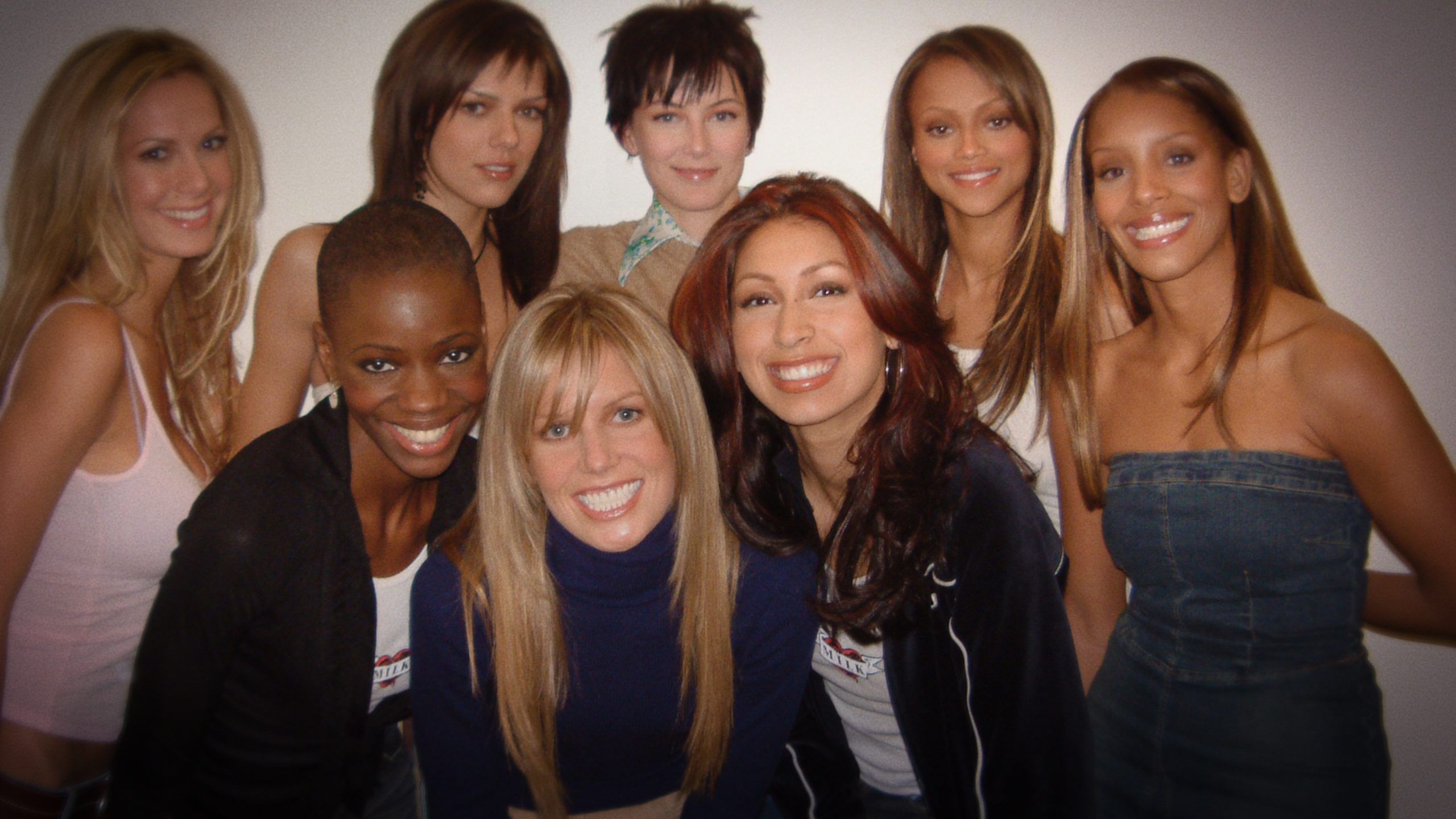
An America's Next Top Model (ANTM) makeup artist guide outlines the specialized high-fashion editorial makeup techniques, fast-paced television production workflows, and lighting-specific application methods used behind the scenes on the iconic reality competition. Mastering ANTM-style artistry requires controlling texture, crafting avant-garde concepts, balancing HD studio camera requirements, and maintaining model skin under extreme set conditions.
The Role of the Makeup Artist in Editorial Television Production
On high-concept fashion television sets like America's Next Top Model, the makeup department serves a dual purpose: translating creative director concepts into striking visual art for the camera while keeping pace with live production schedules. Unlike standard commercial or bridal makeup—where the objective is natural enhancement or soft beauty—editorial makeup for fashion television demands high drama, structural manipulation, and strict adherence to specific photoshoot themes.
Throughout the run of the show, creative leadership, such as Beauty Director Jay Manuel alongside key department makeup artists, established visual standards that transformed aspiring models into high-fashion figures. Makeup on set acts as a narrative device. It establishes the mood of a photoshoot, enhances the model's underlying bone structure, and bridges the gap between high-fashion couture garments and photographic storytelling.
Working in this environment requires artists to understand both artistic theory and film production logistics. A makeup artist on an editorial TV set must execute flawless application under tight call times, maintain continuous continuity across long shooting days, and troubleshoot cosmetic degradation caused by environmental hazards, hot studio lights, or water challenges.
Key Principles of ANTM Editorial Makeup Artistry
High-fashion editorial makeup relies on specific technical principles that differ significantly from everyday cosmetics application. Understanding these foundational pillars allows artists to achieve the intense visual impact seen in professional fashion editorials.
High-Contrast Sculpting and Bone Structure Enhancement
Photographic strobe lights flatline natural facial contours by flooding the subject with illumination. Editorial makeup artists counter this effect through strategic contouring and highlighting.
- Deep Contouring: Cream-based contour products two to three shades deeper than the natural skin tone are blended along the sub-zygomatic arch (under the cheekbones), perimeter of the forehead, jawline, and lateral sides of the nose.
- High-Point Illumination: Reflective, non-glitter highlighters are applied to the zygomatic bone, brow arch, Cupid's bow, and nasal bridge to catch directional studio lighting.
- Dimensional Shadowing: Utilizing cool-toned contours creates realistic optical shadows, mimicking deep bone structure regardless of lighting angles.
Hyper-Real Skin Preparation
High-definition cameras reveal subtle textures, dry patches, and excess oil. Preparing the canvas before foundation application is mandatory for photographic longevity.
- Exfoliation and Hydration: Chemical exfoliants (such as gentle AHAs) remove dead skin cells, followed by lightweight, hyaluronic acid-rich moisturizers to plump the skin.
- Targeted Priming: Mattifying primers are applied exclusively to the T-zone, while luminous or hydra-boost primers cover the cheeks and outer perimeter.
- Texture Management: Over-powdering creates a cakey appearance under camera lenses. Artists use micro-fine translucent silica powders focused only on areas prone to unwanted shine, preserving natural skin radiance elsewhere.
Graphic Expression and Avant-Garde Concepts
ANTM built its legacy on ambitious, unconventional themes—ranging from animal-inspired face paint and pop-art graphics to metallic embellishments and extreme color-blocking.
- Symmetry and Geometry: Graphic eye looks demand precise geometry using gel liners, calligraphic liquid pens, and sharp edge templates.
- Pigment Payoff: To ensure bright colors do not appear washed out under powerful studio flashes, artists pack pure pigment powders over color-matched cream bases.
- Texture Blending: Combining contrasting textures—such as high-shine lip gloss over matte eye shadows, or gold foil over velvety skin—adds multi-dimensional interest to extreme close-up beauty shots.
Technical Considerations: Lighting, Cameras, and Formats
A makeup application that looks flawless to the naked eye can fail completely under professional studio conditions. Makeup artists in media production must adjust their product selection and density based on the lighting equipment and camera sensor formats used on set.
| Setup / Lighting Type | Camera Impact | Makeup Adjustment |
|---|---|---|
| Studio Strobe (Flash) | Washes out low-pigment colors; causes SPF flashback glare | Increase pigment density; avoid physical sunscreens |
| Continuous LED / Ring | Amplifies oil/shine; highlights texture | Use matte finish; micro-powder T-zone |
| Natural High Sun | Shows harsh lines; melts heavy creams | Seamless blending; ultra-light layers |
| Wet / Underwater Set | Rips off standard base and cream pigments | Silicone/acrylic sealers & waterproof |
Flashback Prevention
Ingredients like zinc oxide and titanium dioxide (commonly found in physical sunscreens) and high concentrations of silica powder reflect light back into the camera lens, creating a white cast known as "flashback." Editorial artists avoid SPF products on set and use finely milled setting powders sparingly.
Color Temperature Calibration
Studio lights vary in color temperature, measured in Kelvin (K). Warm tungsten lighting (around 3200K) softens cool tones, requiring richer cool-toned blushes and contours. Cool daylight-balanced LEDs or strobes (around 5600K) accentuate warmth and redness, necessitating cool, olive, or neutral foundation undertones to prevent an overly orange appearance on camera.
Step-by-Step Execution: Signature ANTM Style Guides
Achieving distinct editorial styles requires systematic application workflows. Below are step-by-step guides for three foundational looks frequently featured on high-fashion photo shoots.
- Canvas Prep
- Cleanse, hydrate, and apply targeted primers
- Base & Complexion
- Sheer to medium foundation; spot concealment
- Cream contouring and directional highlight
- Feature Focus (Eyes / Lips / Avant-Garde)
- Set bases with packed pigments
- Sharp graphic lines or blended gradients
- Setting & Sealing
- Micro-powder application; setting spray fixative
Look 1: The High-Definition Clean "Beauty Shot"
The commercial beauty shot focuses entirely on symmetry, skin clarity, and captivating eyes.
- Skin Hydration: Massage a luminous serum into clean skin to boost circulation. Follow with a light oil-free lotion.
- Sheer Base Application: Apply a satin-finish foundation using a damp cosmetic sponge. Build coverage only where discoloration exists, allowing natural skin texture to show through.
- Micro-Concealing: Use a fine-tipped detail brush and a full-coverage cream concealer to spot-treat blemishes or dark circles without heavy layering across the face.
- Soft Dimension: Sweep a warm cream bronzer along the high points of the face. Press a muted rose cream blush onto the apples of the cheeks.
- Defined Brow & Lash Line: Brush eyebrows upward with a clear setting gel. Tightline the upper waterline with a waterproof black gel pencil, and apply a single layer of lengthening mascara.
- Nude Lip Enhancement: Line lips with a pencil matching the natural lip tone, blend inward, and top with a clear, non-sticky lip balm or gloss.
Look 2: Avant-Garde & High-Fashion Drama
Avant-garde looks require strong graphic lines, vivid color saturation, and artistic fearlessness.
- Matte Canvas Creation: Prepare skin with a pore-blurring primer. Apply a full-coverage, velvet-matte foundation evenly across the face, neck, and ears.
- Eyebrow Suppression (Optional): If blocking brows, slick brow hairs flat with washable glue stick, powder heavily with translucent powder, and cover with full-coverage color corrector and foundation.
- Graphic Eye Structure: Map out bold geometric shapes using a soft gel pencil. Sharp corners can be perfected using a flat angled brush dipped in micellar water or cream concealer.
- Pigment Saturation: Press dense metallic or neon loose pigments directly over the gel base using a flat packing brush to maximize color intensity.
- Sculpted Frame: Apply a cool-toned contour along the hollows of the cheeks, carving down toward the corners of the mouth for a dramatic structural look.
- Precision Statement Lip: Outline lips with a long-wear liquid lipstick. For crisp edges, trace the outer lip border with a precise brush and cream concealer.
Essential Professional Kit Requirements
Working on a fast-paced fashion television production demands an organized, versatile makeup kit containing professional-grade products designed for longevity and performance.
| Category | Key Products & Tools |
|---|---|
| Skincare Prep | Micellar water, AHA exfoliator, hyaluronic serum, eye patches, targeted primers (mattifying/glow) |
| Complexion | Silicone and water-based foundations, shade adjusters (blue, yellow, white), cream contours |
| Pigments & Colors | Mixing palettes, gel liners, water-activated paints, high-density pigment stacks, glitters |
| Longevity/Fixing | Alcohol-based sealers, aerosol setting sprays, ultra-fine translucent silica powders |
| Tools & Hygiene | Stainless steel palette/spatula, 70% isopropyl alcohol, disposable wands, synthetic/natural brush sets, damp precision sponges |
Hygiene and Sanitation Standards
On multi-model sets like ANTM, cross-contamination risks are high. Professional artists follow strict hygiene protocols:
- Never double-dip brushes or applicators directly into cream or liquid products.
- Scrape cream foundation, lipsticks, and gels onto a disinfected stainless steel mixing palette using a clean spatula before application.
- Sanitize brushes between models using fast-drying brush cleaner, and thoroughly deep-clean brushes with antibacterial soap after each wrap day.
- Use disposable mascara wands, lip applicators, and sponge tips for single-use operations.
Working on Set: Etiquette and Workflow
Technical skill represents only half of an editorial makeup artist's job; professional set etiquette and workflow management are equally critical.
Understanding Set Hierarchy
The key makeup artist works closely with the creative director, photographer, wardrobe stylist, and key hair stylist. The creative director dictates the visual narrative, while the photographer provides guidance based on camera angles and lighting setups. Makeup artists must take feedback constructively and execute requested adjustments instantly.
Touch-Up Protocols ("Checking Monitors")
During a photoshoot, the key artist or assistant must remain near the video village (where monitors stream real-time photos).
- Monitor Inspection: Observe how the makeup renders on calibrated screens. Check for uneven blush, unblended contour, unwanted shine on the forehead or nose, or stray hairs sticking to lip gloss.
- Stepping In: Between shot sequences or when called by the director/photographer, quickly step in with touch-up supplies (blotting papers, powder puff, lip touch-up brush) to fix issues without delaying production schedules.
Career Development: Building an Editorial Portfolio
Transitioning from beauty makeup to high-fashion editorial work requires intentional portfolio building and networking within fashion circles.
1. Test Shoots (TFP)
Collaborate with emerging fashion photographers, wardrobe stylists, hair artists, and agency signed models on Trade for Portfolio (TFP) projects. Test shoots allow artists to experiment with avant-garde concepts without the commercial constraints of client briefs.
2. Assisting Established Artists
Assisting key department heads on television sets, runway shows, and magazine editorials provides firsthand experience with call sheets, lighting dynamics, speed application, and high-pressure troubleshooting.
3. Curating Visual Work
Focus portfolios on high-resolution close-up beauty shots and clean editorial concepts. Ensure images demonstrate versatility across skin tones, precise graphic linework, seamless blending, and pristine skin prep.
Frequently Asked Questions
What made makeup on America's Next Top Model different from standard beauty makeup?
ANTM makeup prioritized dramatic storytelling, high-concept themes, and extreme editorial artistic expressions tailored specifically for photographic cameras and television lighting, rather than subtle daily wear.
How do editorial makeup artists prevent flash-back on photo shoots?
Artists avoid SPF sunscreens containing physical blockers (zinc oxide, titanium dioxide) and minimize silica-heavy setting powders. They rely instead on matte primers and finely milled tinted powders matched to the model's skin tone.
What is the difference between a Beauty Director and a Key Makeup Artist?
A Beauty Director (such as Jay Manuel on ANTM) conceptualizes the overall beauty vision, aligns themes with creative directors, and oversees the department. The Key Makeup Artist manages on-set execution, assigns model looks to the makeup team, and maintains application quality.
How do makeup artists make editorial cosmetics last through extreme water or outdoor shoots?
Artists use silicone-based or acrylic-based mixing mediums, alcohol-activated body paints, and heavy-duty waterproof fixing sprays. They also layer cream pigments under set powders to create water-resistant barriers.
How can an aspiring artist start practicing ANTM-style high-fashion makeup?
Begin by studying lighting and photography basics, practicing precision graphic lines using gel pigments, experimenting with cream-based contouring on diverse skin tones, and collaborating with local photographers on editorial test shoots.
Practical Action Plan
To master editorial makeup artistry for fashion photography and television production:
- Master Complexion Theory: Practice skin preparation on dry, oily, and combination skin types using targeted primers and minimal foundation to achieve a luminous, high-definition finish.
- Build an Editorial Kit: Assemble professional mixing palettes, shade adjusters, high-pigment cream stacks, and camera-safe translucent powders.
- Study Studio Lighting: Learn how strobe lights, LEDs, and natural sunlight alter color warmth and texture, adjusting product opacity accordingly.
- Execute Test Shoots: Partner with local fashion photographers and agency models to build a clean, high-resolution beauty and editorial portfolio.