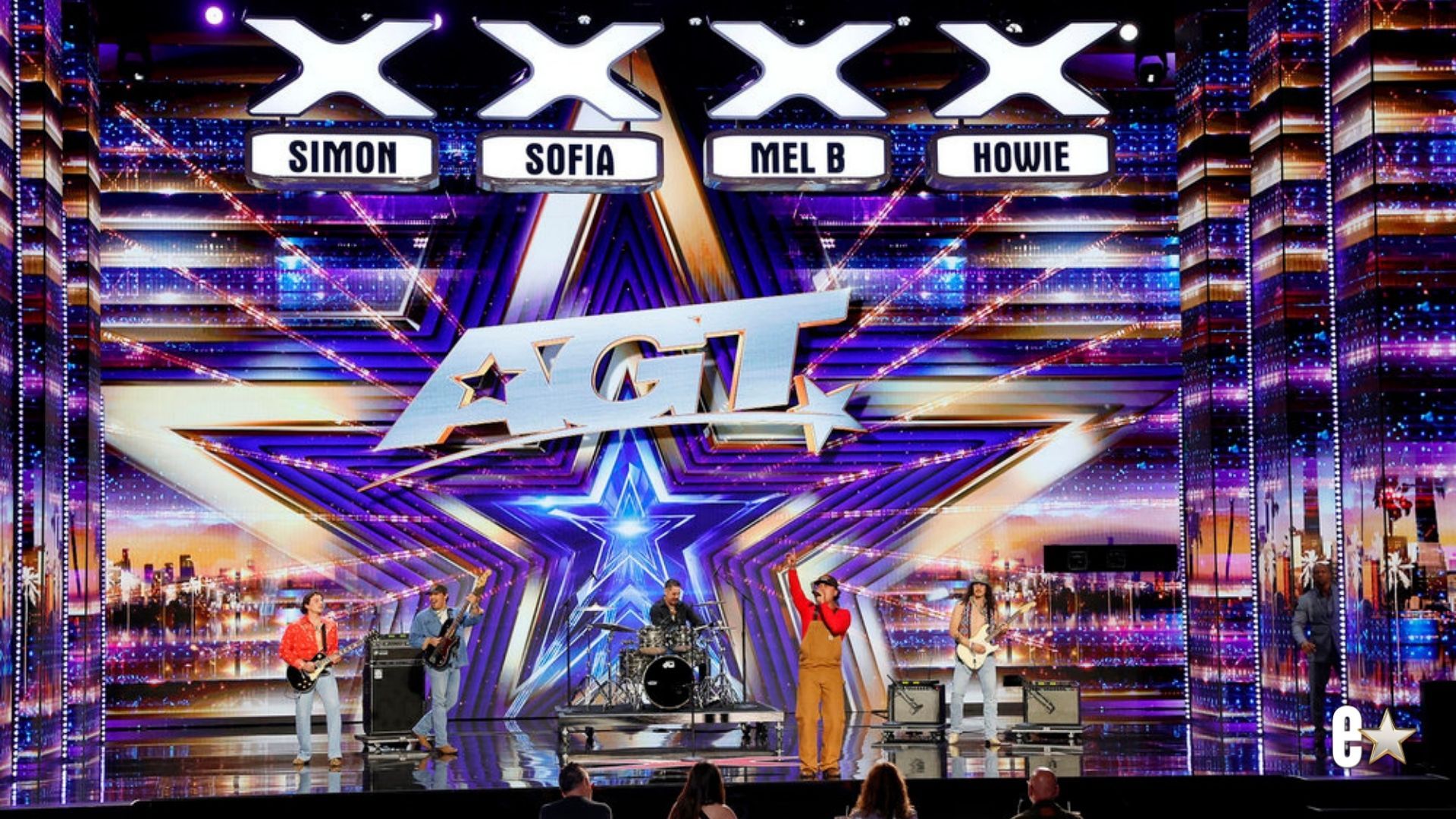
America’s Got Talent contestants represent the most diverse array of performers in the global entertainment industry, ranging from world-class magicians and singers to high-stakes variety acts and animal trainers. To succeed, these performers must navigate a multi-stage audition process, survive the scrutiny of celebrity judges, and capture the public's vote to win a $1 million prize and a headline residency in Las Vegas.
For over two decades, America's Got Talent (AGT) has served as the premier launching pad for undiscovered performers. As we move through 2026, the landscape for AGT contestants has evolved significantly, integrating advanced digital scouting with traditional open-call auditions. Whether an act is a solo child prodigy or a massive dance troupe, the journey from the "X" on the stage to the bright lights of a residency requires a combination of technical mastery, emotional storytelling, and a clear understanding of the show’s unique competitive structure.
The Journey of an AGT Contestant: Eligibility and Auditions
The path to becoming one of the official America's Got Talent contestants begins long before the televised auditions. The producers look for acts that offer "Vegas-ready" potential—performances that are high-impact, repeatable, and capable of filling a 90-minute live show.
Initial Eligibility Requirements
To audition for AGT, contestants must meet specific legal and logistical criteria. As of the 2026 season, the primary requirements remain consistent:
- Age Limits: There is no upper or lower age limit. However, performers under 18 must have parental or guardian consent and must comply with child labor laws during filming.
- Legal Status: Contestants must be United States citizens, legal permanent residents, or possess a current visa that allows them to work in the U.S. and participate in the competition.
- Exclusions: Employees of NBCUniversal, FremantleMedia, or Syco Entertainment, as well as their immediate family members, are generally ineligible to participate to maintain competitive integrity.
The Audition Tiers
There are three primary ways performers enter the AGT pipeline:
- Online Video Submissions: This is the most common entry point. Acts upload a video of their performance to the official AGT Auditions website. Producers review these year-round.
- Virtual Open Calls: In recent years, the show has shifted toward scheduled virtual audition days where performers present their acts live via webcam to a casting producer.
- Direct Scouting: For high-level variety acts—such as professional circus performers or international "Got Talent" alumni—producers often reach out directly to invite them to the televised stage.
The Significance of the Golden Buzzer
For a contestant, the Golden Buzzer is the ultimate validation. Introduced in Season 9 and refined in later seasons, the Golden Buzzer allows a judge or the host to send an act directly to the live performance rounds (the semi-finals or finals, depending on the season's specific format).
In the current 2026 format, the Golden Buzzer remains the most powerful marketing tool for a contestant. Statistically, Golden Buzzer recipients receive significantly more social media engagement and press coverage than acts that progress through the standard "Yes" vote. This early momentum is often crucial for winning the public vote in the later stages of the competition. Notable Golden Buzzer successes like Kodi Lee and Darci Lynne Farmer demonstrate that this "fast track" often identifies the eventual winner early in the season.
Life After the Show: The "Million Dollar" Reality
One of the most misunderstood aspects of being an AGT contestant is the nature of the grand prize. While the show advertises a "$1,000,000 Prize," the fine print—which has been a standard part of contestant contracts for years—stipulates how this is paid out.
The Prize Structure
Winners typically have two options:
- The Annuity: The $1 million is paid out over 40 years in annual installments of approximately $25,000.
- The Lump Sum: Winners can opt for a "present cash value" lump sum, which is significantly less than $1 million (often between $300,000 and $450,000 before taxes), depending on current interest rates and financial valuations.
The Las Vegas Residency
Beyond the cash, the headline show in Las Vegas is the true career-maker. For the 2026 season, the "America’s Got Talent Presents Superstars Live" show at the Luxor Hotel and Casino continues to be the primary destination for top-tier contestants. This residency provides consistent income and a professional platform that many variety acts could never secure independently.
Categorizing the Talent: Popular Contestant Archetypes
Successful America's Got Talent contestants usually fall into one of several high-performing categories. Understanding these niches is essential for any aspiring performer looking to stand out.
| Category | Typical Act Structure | Notable Examples | Success Rate |
|---|---|---|---|
| Singers | Solo vocalists, often with a "sob story" or unique range. | Kelly Clarkson (Idol), Grace VanderWaal, Michael Grimm | High (Frequent Winners) |
| Magicians | Close-up sleight of hand or grand illusions. | Shin Lim, Mat Franco, Dustin Tavella | Very High (Modern Era) |
| Variety/Comedy | Ventriloquists, stand-up, or prop comedy. | Terry Fator, Preacher Lawson, Tape Face | Moderate to High |
| Danger Acts | Knife throwing, escapology, or aerial stunts. | Deadly Games, Bir Khalsa Group | High Engagement / Low Win Rate |
| Dance Groups | Large-scale synchronized troupes with LED/Tech. | V.Unbeatable, Light Balance, Mayyas | High (Finalists) |
The Rise of the "Tech Act"
By 2026, we have seen a massive surge in contestants using augmented reality (AR) and projection mapping. These acts, often categorized as "Multi-media variety," require intense technical setups. Contestants in this category must work closely with the show's production team to ensure their digital elements sync perfectly with the live broadcast, a challenge that traditional singers or dancers do not face.
The Financial Impact: Beyond the Prize Money
For many America’s Got Talent contestants, the goal is not necessarily the win, but the "AGT Bounce." The exposure gained from appearing before 10 million viewers can lead to:
- Social Media Monetization: Contestants often see their following jump from hundreds to millions during their season.
- Corporate Gigs: Variety acts (magicians, acrobats) are highly sought after for corporate events, where they can command fees ranging from $5,000 to $50,000 per appearance.
- International Tours: Many finalists join the "AGT Live" tour or secure independent touring contracts in Europe and Asia, where the "Got Talent" brand is equally prestigious.
The Legal and Contractual Landscape
Prospective America's Got Talent contestants must sign extensive participation agreements. These contracts are designed to protect the production but also grant the show significant rights over the performer’s image and story.
- Exclusivity Windows: Contestants are usually barred from appearing on other televised talent shows for a set period (often one to two years) after their season airs.
- Management Options: The show’s production partners often hold an "option" to sign the winner or top finalists to management or recording contracts.
- Storytelling Rights: Contestants agree to let the show edit their footage and background stories for dramatic effect. This "reality TV" aspect is often why certain contestants are portrayed through specific emotional lenses.
Case Studies: The Gold Standard of AGT Success
To understand the potential trajectory of an AGT contestant, one must look at those who transformed their appearance into a multi-million dollar empire.
Terry Fator (Season 2)
Terry Fator remains the most successful contestant in the show’s history. After winning Season 2 as a ventriloquist, he signed a $100 million contract with The Mirage in Las Vegas. His success proved that AGT was not just a TV show, but a legitimate scouting tool for the entertainment capital of the world.
Shin Lim (Season 13 & Champions)
Shin Lim redefined what it meant to be a magician on the show. By winning both his regular season and the first "Champions" spin-off, he secured his place as a permanent fixture in the Las Vegas magic scene. His success highlights the shift toward "close-up" magic that translates well to high-definition television.
The Mayyas (Season 17)
Representing the "Dance" category, The Mayyas brought a level of precision and cultural artistry that transcended traditional talent show tropes. Their win emphasized the global nature of the show, proving that international contestants could dominate the American voting public through sheer technical excellence.
Common Pitfalls for AGT Contestants
Not every act that receives four "Yes" votes finds success. There are several common mistakes that lead to a contestant's early exit:
- Lack of Progression: An act that does the exact same routine in the semi-finals as they did in the auditions rarely survives. Contestants must show growth or "upping the ante."
- Poor Song Choice: For singers, picking a song that doesn't showcase their range or fails to connect emotionally with the audience is the most frequent cause of elimination.
- The "Technical Glitch": For danger and tech acts, the live show environment is unforgiving. A single missed cue or a failed prop can end a journey instantly.
Frequently Asked Questions
Can international acts be America's Got Talent contestants?
Yes. AGT is open to international performers as long as they can obtain the necessary P-1 or O-1 visas to perform and work in the United States. Many winners, such as Paul Zerdin (UK) and The Mayyas (Lebanon), have been international acts.
Do contestants get paid for appearing on the show?
Contestants do not receive a salary for their appearance during the audition or early rounds. However, for the live shows, the production typically covers travel, lodging, and provides a modest per diem. Union rules (SAG-AFTRA) may apply once an act reaches a certain level of the competition.
How old do you have to be to audition?
There is no minimum age. AGT has featured contestants as young as 2 and 3 years old. However, very young children must be accompanied by a legal guardian at all times, and their performance time is strictly regulated by labor laws.
How long does the filming process take for a contestant?
The journey from the first audition to the finale can span several months. Auditions are typically filmed in the spring, while the live shows take place in the late summer and fall. Contestants must be available for rehearsals and promotional filming throughout this period.
Can you audition more than once in different years?
Yes. Many successful America’s Got Talent contestants have auditioned multiple times before finally making it to the televised rounds or the live shows. Sethward, a variety performer, famously appeared in numerous seasons before becoming a crowd favorite.
Final Recommendation for Prospective Contestants
If you are considering becoming one of the many America’s Got Talent contestants in 2026 or beyond, your primary focus should be on uniqueness and scalability. The judges are rarely looking for "the next" version of a previous winner; they are looking for something they have never seen before. Ensure your act can be performed in a 90-second window for television while having enough depth to be expanded into a full-scale Las Vegas production.
Before applying, audit your digital presence. Producers frequently look at an act's YouTube or TikTok history to gauge their marketability. Having a "Vegas-ready" act means more than just having talent—it means having a brand that the American public can fall in love with.