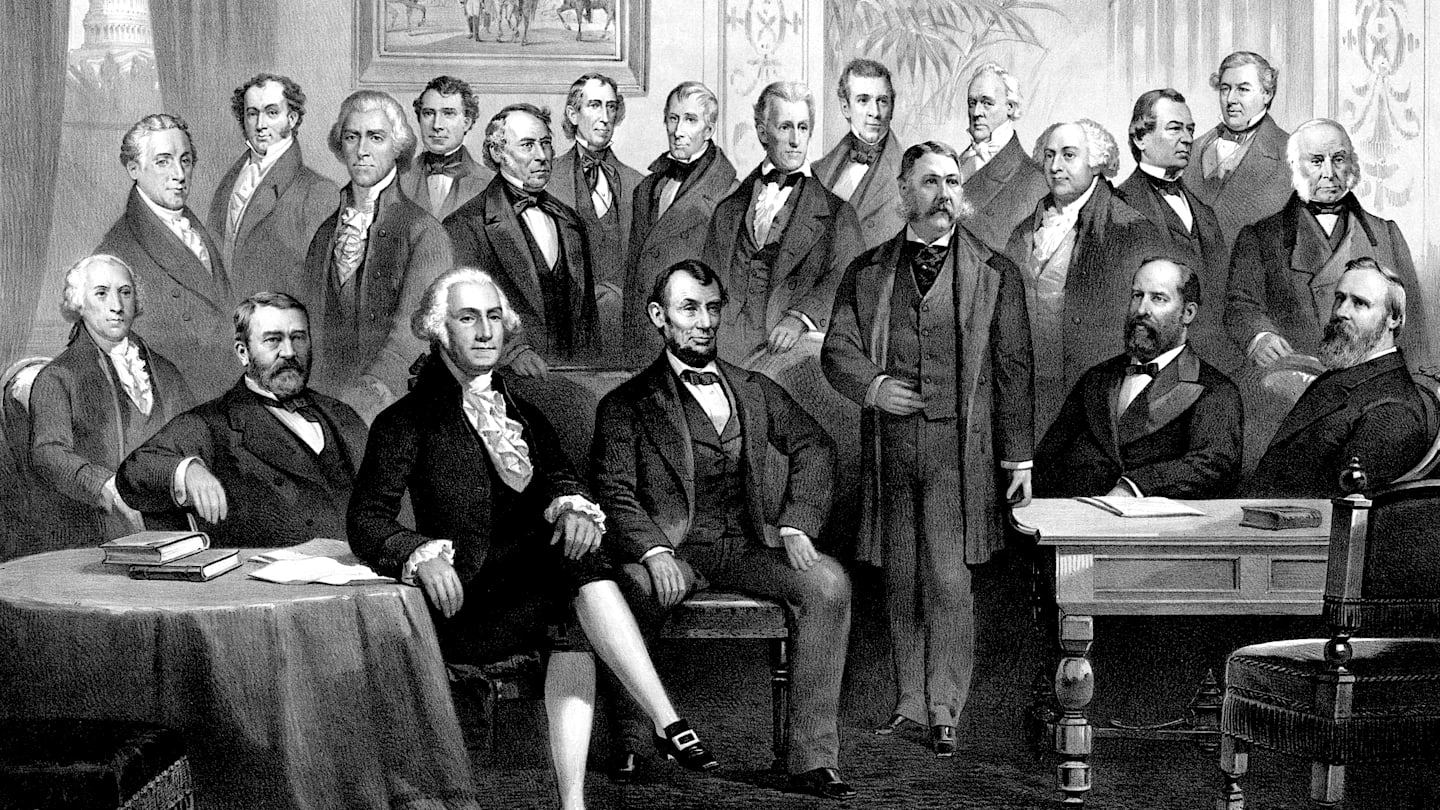
Determining the worst presidents in American history involves analyzing executive failure through the lenses of crisis management, moral authority, and long-term national impact. Historians consistently rank James Buchanan, Andrew Johnson, Franklin Pierce, and Warren G. Harding at the bottom due to their roles in accelerating national division, failing to protect civil rights, or presiding over unprecedented systemic corruption.
The Methodology of Presidential Rankings
To understand why certain leaders are classified as "disastrous," we must look at the metrics used by historians, political scientists, and biographers. As of 2026, the consensus remains anchored in long-term datasets such as the C-SPAN Presidential Historians Survey and the Siena College Research Institute’s Presidential Expert Poll. These organizations evaluate leaders across several key categories:
- Public Persuasion and Moral Authority: The ability to communicate a vision and maintain the trust of the American people.
- Crisis Leadership: How a president reacts to unexpected catastrophes, such as economic collapses or threats of war.
- Administrative Skills: The ability to manage the executive branch and appoint competent, ethical subordinates.
- Pursuit of Equal Justice: The commitment to expanding or protecting the rights of all citizens.
A "disastrous" presidency is rarely defined by a single bad policy. Instead, it is characterized by a fundamental breakdown in one or more of these pillars, often resulting in permanent damage to the American social fabric or political institutions.
James Buchanan: The Architect of Dissolution (1857–1861)
James Buchanan is frequently cited by historians as the worst president in U.S. history. His failure was not merely one of incompetence but of a legalistic paralysis that allowed the United States to fracture into civil war. Buchanan entered office with extensive experience as a Secretary of State and diplomat, yet he lacked the moral courage to address the primary crisis of his time: slavery.
The Dred Scott Influence
One of Buchanan’s most egregious failures occurred before he even took the oath of office. He actively lobbied a fellow Pennsylvanian on the Supreme Court to join the Southern majority in the Dred Scott v. Sandford decision. This ruling declared that African Americans could not be citizens and that Congress had no power to prohibit slavery in the territories. By involving the executive branch in judicial deliberations, Buchanan hoped to "settle" the slavery issue once and for all. Instead, he radicalized the North and made compromise impossible.
Paralysis During Secession
When Southern states began seceding following the election of Abraham Lincoln in 1860, Buchanan’s response was a masterpiece of inaction. He argued that while secession was illegal, the federal government had no constitutional authority to stop a state from leaving the Union. This "lame duck" period saw the seizure of federal arsenals and forts by Southern militias while Buchanan remained idle in the White House. His refusal to reinforce federal installations or take a firm stand against insurrection directly facilitated the bloody conflict that followed.
Andrew Johnson: The Saboteur of Reconstruction (1865–1869)
If Buchanan failed to prevent the war, Andrew Johnson failed to secure the peace. Taking office after the assassination of Abraham Lincoln, Johnson was tasked with reintegrating the defeated Confederate states and protecting the rights of four million formerly enslaved people.
Opposition to Civil Rights
Johnson, a Southern Unionist, held deeply racist views that poisoned the Reconstruction process. He consistently vetoed landmark legislation, including the Civil Rights Act of 1866 and the Freedmen’s Bureau Bill, which were designed to provide legal protections and assistance to Black Americans. He believed that each state should have the right to determine its own path regarding civil rights, which essentially gave the former Confederate elite a "green light" to implement Black Codes—laws designed to mimic slavery in all but name.
Impeachment and Political Isolation
Johnson’s stubbornness led to a total breakdown in relations with the "Radical Republicans" in Congress. This conflict culminated in his impeachment in 1868, primarily over his violation of the Tenure of Office Act when he attempted to fire Secretary of War Edwin Stanton. While he escaped removal by a single vote in the Senate, his presidency was effectively neutralized. His legacy is one of missed opportunities; his obstructionism delayed the cause of civil rights in America for nearly a century, setting the stage for the Jim Crow era.
Franklin Pierce: Fueling the Fires of Sectionalism (1853–1857)
Franklin Pierce is often described as a "Northern man with Southern principles." His presidency is a case study in how a weak executive can be manipulated by factional interests to the detriment of the entire nation.
The Kansas-Nebraska Act
The defining disaster of the Pierce administration was the signing of the Kansas-Nebraska Act of 1854. This legislation, pushed by Senator Stephen Douglas, repealed the Missouri Compromise and allowed the residents of new territories to decide for themselves whether to allow slavery—a concept known as "popular sovereignty." Pierce’s support for this bill turned the Kansas Territory into a literal battlefield.
The resulting violence, known as "Bleeding Kansas," saw pro-slavery and abolitionist settlers engage in guerrilla warfare. Pierce’s administration was seen as heavily biased toward the pro-slavery factions, even recognizing a fraudulent pro-slavery legislature in the territory. This instability shattered the Whig Party and gave rise to the Republican Party, further polarizing the nation along geographic lines. Pierce’s inability to maintain order or act as a neutral arbiter made the Civil War almost inevitable.
Warren G. Harding: A Legacy of Corruption (1921–1923)
Unlike the "war-adjacent" failures of the 19th century, Warren G. Harding’s disastrous reputation stems from a total lack of administrative oversight and the systemic corruption of his inner circle, known as the "Ohio Gang."
The Teapot Dome Scandal
The most famous instance of corruption during Harding’s tenure was the Teapot Dome Scandal. His Secretary of the Interior, Albert Fall, accepted bribes to lease federal oil reserves in Wyoming and California to private companies without competitive bidding. Fall became the first cabinet member in history to be sent to prison. While there is no evidence that Harding himself profited from these deals, his failure to vet his appointees or monitor their activities represents a massive breach of executive responsibility.
Personal Indiscretions and Health
Harding’s presidency was also marred by personal scandals and a general sense that he was "over his head." He famously told a journalist, "I am not fit for this office and should never have been here." His sudden death in 1923 spared him from witnessing the full fallout of the investigations into his administration, but his name remains synonymous with "cronyism" and the degradation of the dignity of the presidency.
Herbert Hoover: The Limitations of Ideology (1929–1933)
Herbert Hoover is a tragic figure in presidential history. A brilliant engineer and humanitarian who had saved millions from starvation in Europe after WWI, he proved utterly incapable of managing the greatest economic catastrophe in American history: the Great Depression.
The Failure of Rugged Individualism
Hoover’s primary failure was his rigid adherence to the philosophy of "rugged individualism." He believed that direct federal relief to the poor would destroy the American character and that the economy would eventually "fix itself" through voluntary cooperation between business and labor. As the unemployment rate climbed toward 25%, Hoover’s perceived coldness and inaction turned the public against him.
The Bonus Army Incident
The low point of his presidency occurred in 1932, when thousands of WWI veterans (the "Bonus Army") marched on Washington D.C. to demand early payment of their service certificates. Hoover ordered the military to clear their encampment. The sight of General Douglas MacArthur using tanks and tear gas against impoverished veterans was a PR disaster from which Hoover never recovered. By the time he left office, his name was a prefix for poverty: shantytowns were called "Hoovervilles" and empty pockets turned inside out were "Hoover flags."
Comparing Historical Failures
The following table compares these leaders based on the primary cause of their historical "disastrous" status and their typical ranking in 21st-century historical surveys.
| President | Term | Primary Cause of Failure | Historical Ranking (Avg) |
|---|---|---|---|
| James Buchanan | 1857–1861 | Failed to prevent secession; supported Dred Scott decision. | 43rd - 45th |
| Andrew Johnson | 1865–1869 | Opposed Reconstruction; first president to be impeached. | 42nd - 44th |
| Franklin Pierce | 1853–1857 | Signed Kansas-Nebraska Act; fueled "Bleeding Kansas." | 40th - 42nd |
| Warren G. Harding | 1921–1923 | Presided over Teapot Dome and massive cabinet corruption. | 38th - 41st |
| Herbert Hoover | 1929–1933 | Failed to address the human cost of the Great Depression. | 35th - 38th |
| John Tyler | 1841–1845 | Expelled from his party; later joined the Confederacy. | 37th - 39th |
Common Themes Among History's Worst Leaders
When analyzing these presidencies, several recurring themes emerge that serve as warning signs for executive failure.
1. Inflexibility in the Face of New Realities
Many of these leaders were "trapped" by their own ideologies or legalistic interpretations of the Constitution. Hoover could not conceive of a federal government that provided direct aid; Buchanan could not conceive of a federal government that could legally stop an insurrection. In both cases, the reality of the crisis demanded a flexibility that the leader lacked.
2. Failure to Vet Appointments
Harding and Grant (who is often also ranked low, though higher than Harding) suffered from placing personal loyalty above professional competence. When a president populates the executive branch with "friends" rather than experts, the resulting corruption invariably erodes public trust and distracts from the administration’s policy goals.
3. Misjudgment of National Sentiment
Franklin Pierce and James Buchanan both believed that the slavery issue could be "managed" through legislative or judicial tricks. They failed to realize that by the mid-1850s, the issue had become a moral crusade for millions of Americans. By ignoring the moral dimension of the crisis, they only succeeded in making the eventual explosion more violent.
The Role of Historical Revisionism
It is important to note that presidential rankings are not static. In 2026, we see shifts in how certain figures are viewed. For instance, Ulysses S. Grant, once ranked near the bottom due to the corruption of his subordinates, has seen a massive surge in his historical standing. Modern historians now prioritize his aggressive protection of civil rights for formerly enslaved people and his crushing of the first iteration of the KKK over the "Gold Ring" or "Whiskey Ring" scandals.
Conversely, leaders who were once seen as "average," such as Woodrow Wilson, have faced downward pressure in rankings due to a renewed focus on their records regarding racial segregation and civil liberties.
Frequently Asked Questions
Who is officially the "worst" president?
While there is no single official government ranking, James Buchanan almost always occupies the bottom spot in surveys conducted by C-SPAN and the American Political Science Association. This is due to his direct role in the lead-up to the American Civil War and his refusal to act when the Union began to dissolve.
Can a modern president be ranked as "disastrous" so soon?
Historians generally suggest waiting at least 20 to 30 years before finalizing a president's historical "rank." This allows the long-term consequences of their policies—such as Supreme Court appointments, economic shifts, or foreign treaties—to fully manifest. However, preliminary rankings often appear immediately after a term ends based on contemporaneous events.
Why is William Henry Harrison not on this list?
William Henry Harrison died only 31 days into his term in 1841. Because he had almost no time to implement policy or respond to a crisis, most historians exclude him from rankings or list him as "incomplete." A "disastrous" presidency usually requires enough time in office to actually cause or exacerbate a national failure.
Did any of these presidents do anything good?
Even the "worst" presidents usually have some accomplishments. For example, Warren G. Harding signed the first federal child welfare program and advocated for civil rights in the South—positions that were quite progressive for his era. Herbert Hoover was a genius at logistics and did more for international food relief than almost any other American. Their low rankings stem from their failures in the specific crises that defined their eras.
How does impeachment affect a president's ranking?
Impeachment is a significant black mark, but it is not the only factor. Andrew Johnson’s ranking is low not just because he was impeached, but because of the reason for the conflict: his opposition to basic civil rights for Black Americans. Conversely, some presidents who were never impeached, like Buchanan, are ranked lower than those who were.
Looking Forward: Lessons from Failure
The study of America’s most disastrous leaders is more than a historical exercise; it is a vital tool for understanding the requirements of the executive office. The primary lesson from these figures is that the presidency requires a combination of moral clarity, administrative competence, and the ability to adapt to changing national needs. When a leader lacks these qualities, the result is rarely just a failed term—it is often a national tragedy that takes generations to repair.
For those interested in the health of the American republic, examining the failures of the 1850s or 1930s provides a roadmap for what to avoid in future executive leadership.