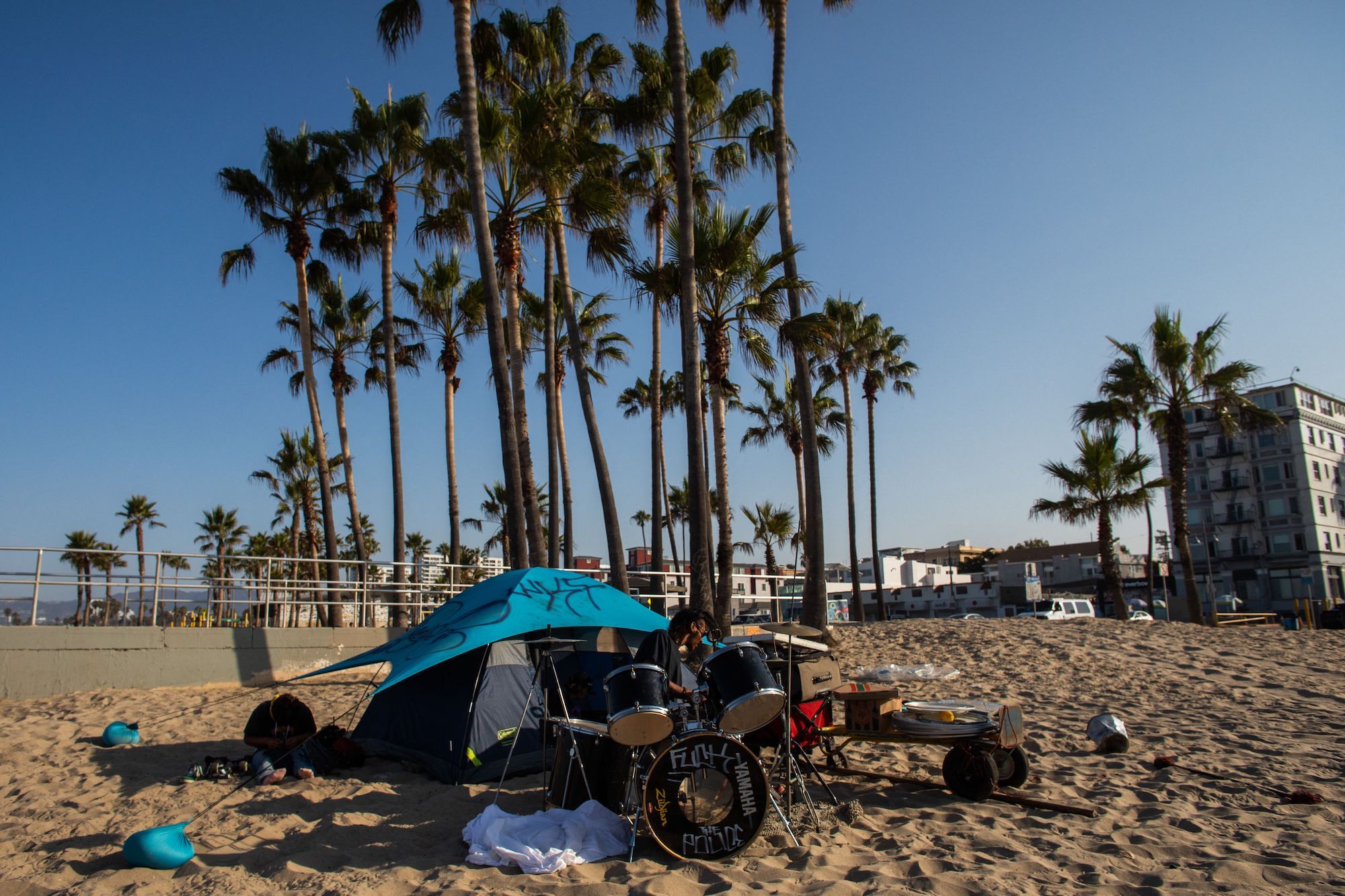
The American homeless crisis in 2026 is a multifaceted emergency driven by a chronic shortage of affordable housing, significant wage-rent disparities, and the erosion of social safety nets. Addressing this requires a shift from short-term emergency sheltering toward long-term permanent supportive housing and aggressive zoning reforms to increase the national housing supply.
The scale of homelessness in the United States has reached a critical juncture. As we navigate 2026, the data indicates that the "Rising Crisis" is no longer confined to specific metropolitan hubs like Los Angeles or New York City; it has permeated suburban and rural jurisdictions, fueled by a decade of housing costs outpacing median income growth. Understanding this crisis requires looking past the visible encampments to the systemic economic and social failures that push individuals into housing instability.
The State of Homelessness in 2026: A Statistical Overview
Current reporting from the Department of Housing and Urban Development (HUD) suggests that the number of individuals experiencing homelessness has remained at record highs following the post-pandemic surge. While the 2024 and 2025 data sets showed a stabilization in some "Housing First" cities, the national average remains elevated.
Homelessness is generally categorized into two distinct states: sheltered and unsheltered.
- Sheltered homelessness refers to individuals staying in emergency shelters, transitional housing, or safe havens.
- Unsheltered homelessness includes those living on the streets, in abandoned buildings, in vehicles, or in other places not meant for human habitation.
In 2026, the "unsheltered" population has become a focal point of public policy due to the increasing visibility of encampments and the subsequent legal battles over public space. The demographics of the crisis have also shifted. There is a notable increase in "silver homelessness"—seniors aged 65 and older who are entering the homeless system for the first time because their fixed incomes cannot keep pace with rising property taxes and rents.
Primary Drivers of the Rising Crisis
To address the homeless problem, one must first deconstruct the primary drivers that prevent individuals from maintaining stable housing. It is a common misconception that homelessness is exclusively a product of individual choices or mental health issues. While these are factors, the overarching cause is structural.
The Affordable Housing Inventory Gap
The single largest contributor to the crisis is the massive deficit in housing units. According to the National Low Income Housing Coalition, there is a shortage of several million rental homes affordable and available to extremely low-income renters. In 2026, this gap persists because the cost of new construction—driven by labor shortages and high material costs—makes the development of "low-market" housing unprofitable without massive government subsidies.
The Wage-Rent Disparity
For decades, the "30% rule"—the guideline that an individual should spend no more than 30% of their gross income on housing—has become an impossible standard for the American working class. In many coastal and Sun Belt cities, a minimum-wage worker must work more than 90 hours a week just to afford a one-bedroom apartment at Fair Market Rent. When a household is "rent-burdened" (spending 50% or more on rent), a single emergency—a car repair, a medical bill, or a reduction in hours—leads directly to eviction.
Systemic Failures in Mental Health and Addiction Care
While not the primary cause for the majority of the homeless population, untreated mental illness and substance use disorders (SUDs) create significant barriers to exiting homelessness. The fentanyl crisis of the early 2020s has left a lasting impact on the 2026 landscape. Without "Permanent Supportive Housing" (PSH)—which combines housing with on-site clinical services—individuals with these challenges often cycle between the street, the emergency room, and the jail system.
The Legal Landscape: Post-Grants Pass v. Johnson
A pivotal shift in the management of the homeless crisis occurred following the 2024 Supreme Court decision in City of Grants Pass v. Johnson. The Court ruled that municipal ordinances banning camping on public property do not constitute "cruel and unusual punishment," even if the individuals have no other place to go.
By 2026, the consequences of this ruling are evident across the country:
- Increased Enforcement: Cities have moved more aggressively to clear encampments, often citing public health and safety concerns.
- Jurisdictional Shifting: Without a corresponding increase in shelter beds, enforcement often results in "shuffling" populations from one city to its neighbor, rather than solving the underlying homelessness.
- Legal Challenges: New litigation has emerged at the state level, with advocates arguing that "right to shelter" mandates—such as those in New York—should be adopted nationwide to balance the power of cities to clear streets.
Comparative Intervention Models
Communities use various strategies to mitigate homelessness. The following table compares the most common intervention models utilized in 2026.
| Model | Primary Focus | Ideal Population | Long-term Success Rate |
|---|---|---|---|
| Housing First | Immediate permanent housing without preconditions. | Chronically homeless with high needs. | High (80%+ retention) |
| Transitional Housing | Temporary housing (up to 24 months) with intensive services. | Individuals recovering from trauma or SUDs. | Moderate |
| Rapid Rehousing | Short-term rental assistance and case management. | Families and individuals with lower barriers. | High for short-term crises |
| Emergency Shelter | Immediate safety and beds on a nightly basis. | Anyone in immediate crisis. | Low (does not solve root cause) |
| Safe Parking/Sanctioned Camping | Managed areas for vehicles or tents with sanitation. | Those resistant to traditional shelters. | Minimal (temporary stabilization) |
The Role of "NIMBYism" and Zoning Restrictions
A significant hurdle in 2026 remains NIMBY ("Not In My Backyard") sentiment. Even when funding is secured for supportive housing, local opposition frequently stalls projects for years. Stringential zoning laws, particularly those that mandate single-family residential use, prevent the "missing middle" housing—duplexes, triplexes, and small apartment complexes—that could absorb the lower-income population.
State governments have begun intervening in 2025 and 2026 by passing "Builder’s Remedy" laws, which allow developers to bypass local zoning if a city fails to meet its state-mandated housing production goals. These legal mechanisms are essential for breaking the gridlock that has kept housing supply artificially low for decades.
Strategies for Reform and Crisis Mitigation
Solving the homeless problem is not a matter of a single policy but a "stack" of interventions that address different levels of need.
1. Expanding the Housing Choice Voucher Program
The Section 8 voucher program is currently chronically underfunded. In 2026, only about one in four eligible households receives assistance. Transforming this into an entitlement program—similar to SNAP (food stamps)—would provide an immediate floor for those at risk of homelessness.
2. Integration of Healthcare and Housing
Through the use of Medicaid 1115 waivers, several states have begun using healthcare dollars to fund "housing supports." This recognizes that housing is a social determinant of health. By 2026, these programs are being used to pay for move-in costs, security deposits, and tenancy support services for people with complex medical needs.
3. Eviction Prevention and Right to Counsel
A significant portion of the "rising crisis" is driven by new entries into the homeless system. Cities that have implemented a "Right to Counsel" for tenants in eviction court have seen a dramatic reduction in households losing their homes over small arrears. Prevention is significantly more cost-effective than re-housing someone once they have entered the shelter system.
Barriers to Solving the Crisis in 2026
Despite increased awareness and funding, several barriers prevent a total resolution of the crisis:
- Inadequate Data Systems: Many jurisdictions still struggle with "Real-Time" data. The Homeless Management Information System (HMIS) is often fragmented, making it difficult to track individuals as they move across county lines.
- The "Cliffs" of Benefits: As individuals earn more income, they often lose their housing subsidies abruptly before they are truly self-sufficient, leading to a cycle of recidivism back into homelessness.
- Public Fatigue: As the crisis becomes more visible and persistent, public empathy often wanes, leading to a preference for "out of sight" enforcement policies over long-term social investments.
Frequently Asked Questions
Is homelessness in America mainly caused by mental illness?
No. While mental health issues are more prevalent among the chronically homeless population, the primary drivers for the vast majority of people experiencing homelessness are economic. Data consistently shows that homelessness rates are most highly correlated with high rent costs and low housing availability, not the prevalence of mental illness or drug use in a specific region. For example, West Virginia has high rates of poverty and addiction but lower rates of homelessness compared to California, primarily due to the lower cost of housing.
Why does it seem like homelessness is getting worse despite more spending?
The scale of the "inflow" often exceeds the "outflow." For every person a city successfully houses, several more may lose their housing due to rising rents, inflation, and the lack of a living wage. Additionally, much of the spending goes toward emergency interventions (shelters and cleanups) rather than permanent solutions (construction and long-term subsidies), which addresses the symptoms but not the disease.
What is "Housing First" and does it actually work?
"Housing First" is a strategy that prioritizes providing permanent housing to people experiencing homelessness as quickly as possible, without making sobriety or treatment a prerequisite. Once housed, they are offered supportive services. Research from the National Alliance to End Homelessness shows this model has higher retention rates and is more cost-effective than "Treatment First" models, as it provides the stability necessary for individuals to successfully engage in health services.
Can the Supreme Court’s Grants Pass ruling end homelessness?
The ruling allows cities to enforce camping bans, but it does not provide a solution for where those people should go. By itself, the ruling is an enforcement tool, not a housing strategy. Without an increase in shelter beds or permanent housing, the ruling likely results in the displacement of homeless individuals from one public space to another, rather than a reduction in the total homeless population.
How does homelessness affect the broader economy?
Homelessness is extraordinarily expensive for taxpayers. Frequent use of emergency rooms, jail stays for "nuisance" crimes, and the costs of encampment clearings far exceed the cost of providing supportive housing. Furthermore, a large homeless population represents a significant loss of human capital and puts downward pressure on local business environments and property values.
Final Recommendations for Communities
To move the needle on the homeless crisis in 2026, local and state governments must move beyond "emergency mode." The following actions are essential:
- Legalize Multi-Family Housing: Eliminate restrictive zoning to allow for naturally occurring affordable housing.
- Fund Permanent Supportive Housing: Focus resources on the most vulnerable 10% of the population who utilize 50% of the emergency resources.
- Protect Tenants: Implement robust eviction diversion programs and rental assistance to stop the flow of people into homelessness.
- Regional Cooperation: Homelessness does not respect city borders. Solutions must be coordinated at a regional or state level to prevent "jurisdiction hopping" and to ensure equitable distribution of services.
Addressing America's homeless problem requires the political will to treat housing as a basic necessity and a public infrastructure requirement rather than a purely speculative commodity.