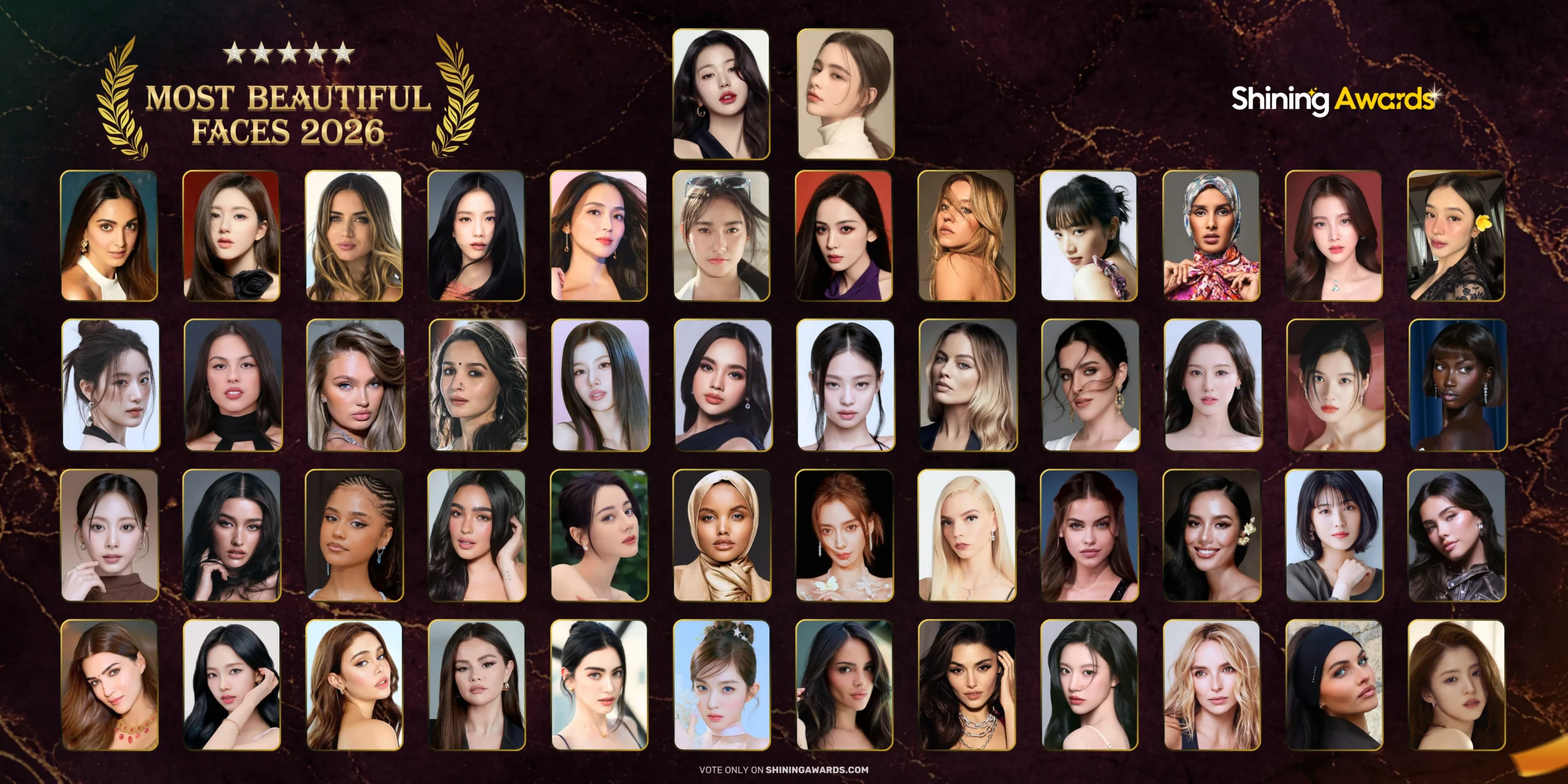
The title of America’s most beautiful woman is currently defined through three distinct lenses: official pageant titles like Miss America 2026 and Miss USA 2026, scientific metrics such as the Golden Ratio of Phi, and cultural recognition from major media outlets like People magazine. There is no single, permanent holder of this title, as it fluctuates annually based on national competitions and evolving public sentiment regarding aesthetics and influence.
Defining Beauty in the Modern American Context
In 2026, the concept of "America’s most beautiful woman" has transcended purely physical traits to incorporate leadership, advocacy, and intellectual achievement. This shift is most visible in the dual pageant systems that have dominated the American landscape for over a century: the Miss America Opportunity and the Miss USA pageant. While both competitions crown a winner who is often labeled the most beautiful in the country, their criteria and objectives differ significantly.
The Miss America organization, which celebrated its centennial recently, has moved away from the "pageant" label, styling itself as a "competition" that prioritizes scholarship and social impact. Conversely, Miss USA remains a gateway to the Miss Universe stage, emphasizing poise, fitness, and a "confidently beautiful" brand. In 2026, these titles represent the institutionalized standard of beauty, but they are far from the only metrics used by the American public.
Beyond pageantry, the advent of facial mapping technology has introduced a "scientific" definition of beauty. Researchers and cosmetic surgeons often cite the Golden Ratio, a mathematical symmetry found in nature, to rank celebrities. This objective approach frequently places high-profile figures like Bella Hadid or Zendaya at the top of the list, regardless of whether they hold a formal crown.
The Miss America and Miss USA Titleholders in 2026
As of the current 2026 cycle, the titleholders represent a cross-section of American professional and cultural life. The Miss America 2026 competition continues the trend of crowning women with rigorous academic and professional backgrounds, following the historical milestone set by Madison Marsh (Miss America 2024), the first active-duty Air Force officer to win the title.
The Miss America Transition
The Miss America title is unique because it is tied to a specific year of service. The 2026 titleholder is tasked with traveling the country to promote a Social Impact Initiative. This role makes her the "face" of American beauty in a way that emphasizes civic duty. The selection process involves:
- Private Interview: Accounting for a significant portion of the score, focusing on current events and personal ethics.
- Talent/HERStory: A demonstration of skill or a spoken-word presentation of personal history.
- Evening Gown: A display of poise and personal style.
The Miss USA Influence
The Miss USA 2026 titleholder, by contrast, holds a role that is more closely aligned with the fashion and entertainment industries. The winner of Miss USA represents the United States at the Miss Universe pageant. Following the 2024 victory of Alma Cooper, the organization has continued to emphasize "limitless" potential, removing many of the age and marital status restrictions that previously governed the competition. This inclusivity has broadened the definition of who can be considered the most beautiful woman in the country.
Scientific Perspectives: The Golden Ratio of Phi
While pageants rely on judges, the scientific community often looks to the Golden Ratio of Phi (1.618) to determine aesthetic perfection. This mathematical formula measures the symmetry and proportions of the face, including the distance between the eyes, the length of the nose, and the width of the lips.
In 2026, digital mapping tools are frequently used by aesthetic doctors to "score" celebrities. According to these metrics, the woman most frequently cited as having the "perfect" face is Bella Hadid, who has historically scored over 94% on the Phi scale. Other women who consistently rank at the top of these scientific assessments include:
- Zendaya: Noted for the symmetry of her forehead and lips.
- Amber Heard: Frequently cited in clinical studies for the proportions of her chin and nose.
- Ariana Grande: Recognized for the alignment of her eyebrows and forehead.
It is important to note that while the Golden Ratio provides a technical answer to the question of beauty, it does not account for charisma, personality, or cultural impact—elements that the American public considers essential for the title of "most beautiful."
Media Influence: People Magazine’s "The Beautiful Issue"
For decades, People magazine has served as the unofficial arbiter of beauty in the United States. In 2026, their annual "Beautiful Issue" remains a significant cultural touchstone. Unlike pageants or scientific ratios, People selects its "Most Beautiful Woman" (now often framed as the "World’s Most Beautiful") based on a combination of career success, public image, and personal grace.
Historically, this title has been held by icons such as Julia Roberts, Jennifer Aniston, and Lupita Nyong'o. The selection for 2026 reflects the decade's focus on "ageless" beauty and authenticity. Media outlets now prioritize women who use their platforms for philanthropy or who challenge traditional beauty standards. This means that "America’s most beautiful woman" in the media sense is often a woman in her 40s or 50s, proving that the American standard of beauty is no longer strictly tied to youth.
Comparing the Different Standards of Beauty
To understand how the title is distributed, it is helpful to compare the different organizations and metrics that crown or rank women in 2026.
| Category | Primary Metric | Current Representative/Icon (2026) | Focus Area |
|---|---|---|---|
| Miss America | Scholarship & Social Impact | Miss America 2026 | Community Service & Education |
| Miss USA | Poise & Global Potential | Miss USA 2026 | Fashion & International Representation |
| Scientific (Phi) | Facial Symmetry | Bella Hadid (Top Scorer) | Physical Proportions & Aesthetics |
| Media (People) | Cultural Influence | The "Beautiful Issue" Cover Star | Celebrity & Philanthropy |
| Public Sentiment | Social Media Engagement | Leading Influencers/Actors | Relatability & Personal Branding |
The Evolution of Beauty Standards in 2026
The definition of "America’s most beautiful woman" has undergone a radical transformation over the last several years. In 2026, several key factors influence how this title is perceived by the general public:
Inclusivity and Diversity
The modern American standard of beauty is more inclusive than at any point in history. This includes the celebration of various ethnicities, body types, and gender identities. The Miss Universe Organization, which oversees Miss USA, has been a leader in this change, allowing married women and mothers to compete, as well as removing the upper age limit. This change acknowledges that beauty is not a fleeting trait of youth but a lifelong quality.
The Role of Social Media
In 2026, social media platforms like Instagram and TikTok have democratized the title of "most beautiful." While traditional institutions like People magazine still carry weight, the public often looks to "viral" beauty. Influencers who showcase "unfiltered" or "real" beauty have gained massive followings, challenging the airbrushed standards of the past. This has led to a dual reality where the "most beautiful woman" might be a Hollywood star one day and a relatable content creator the next.
Mental Health and Inner Beauty
There is a growing consensus in 2026 that physical beauty is incomplete without mental well-being. Pageant contestants and celebrities are now frequently judged on their "inner work." This has made vulnerability—the willingness to speak about struggles with mental health or personal failure—an attractive trait that contributes to a woman's overall "beauty" in the eyes of the American public.
Common Myths About Beauty Titles
Despite the clarity provided by official organizations, several misconceptions persist regarding the title of "America’s most beautiful woman."
- Myth: Miss America and Miss USA are the same thing.
- Fact: They are entirely separate organizations with different owners, goals, and prize structures. Miss America focuses on scholarships, while Miss USA is a commercial enterprise linked to Miss Universe.
- Myth: There is a single "winner" of the most beautiful woman title each year.
- Fact: Several women hold variations of this title simultaneously across different platforms (media, pageantry, and science).
- Myth: The title is only based on physical appearance.
- Fact: In 2026, interview scores and social advocacy often outweigh physical appearance in official competitions.
Frequently Asked Questions
Who is the current Miss America 2026?
The Miss America 2026 title is awarded in early 2026 during the national broadcast. The winner is selected from 51 contestants representing all 50 states and the District of Columbia. She succeeds the 2025 winner and spends her year as a full-time brand ambassador for the Miss America Opportunity, earning six figures in scholarship assistance.
How is the "Most Beautiful Woman" in America officially chosen?
There is no single "official" government or state-sanctioned choice. Instead, the title is usually associated with the winner of the Miss USA pageant, as she goes on to represent the country internationally. However, People magazine’s annual selection is often cited by the media as the cultural standard for that year.
Does the Golden Ratio really determine beauty?
The Golden Ratio (Phi) is a mathematical tool used to measure symmetry, which humans often find subconsciously appealing. While it is used by scientists and plastic surgeons to rank "aesthetic perfection," it is not a definitive measure of beauty. Cultural trends, personality, and personal preference play much larger roles in how beauty is perceived in everyday life.
Can married women be considered the most beautiful woman in pageant terms?
Yes. As of 2024, the Miss USA and Miss Universe organizations changed their eligibility rules to allow married women, divorced women, and mothers to compete. This was a major shift in the pageant world, reflecting a more modern view of womanhood and beauty in 2026.
What is the difference between Miss USA and Miss America?
Miss USA is part of the Miss Universe Organization and focuses on the winner’s potential as a global brand ambassador and model. Miss America is a non-profit organization that is one of the world's largest providers of scholarship assistance for young women, focusing on talent and social impact.
Practical Recommendation for Following Beauty Trends
If you are looking to stay updated on who currently holds the title of "America’s most beautiful woman" through various sectors, follow these steps:
- Pageantry: Watch the national telecasts of Miss USA (usually in the summer) and Miss America (usually in the winter) to see the newly crowned representatives.
- Media: Monitor the release of People magazine’s "Beautiful Issue" every spring for their high-profile celebrity selection.
- Social Analysis: Follow major fashion publications like Vogue or Harper’s Bazaar, which often profile the "Faces of the Year" based on their influence in the modeling and film industries.
- Scientific Rankings: Look for annual reports from organizations like the Centre For Advanced Facial Cosmetic & Plastic Surgery, which frequently update their lists of celebrities who best fit the Golden Ratio.
By 2026, the identity of the most beautiful woman in America is no longer a static image but a dynamic representation of talent, symmetry, and cultural relevance.