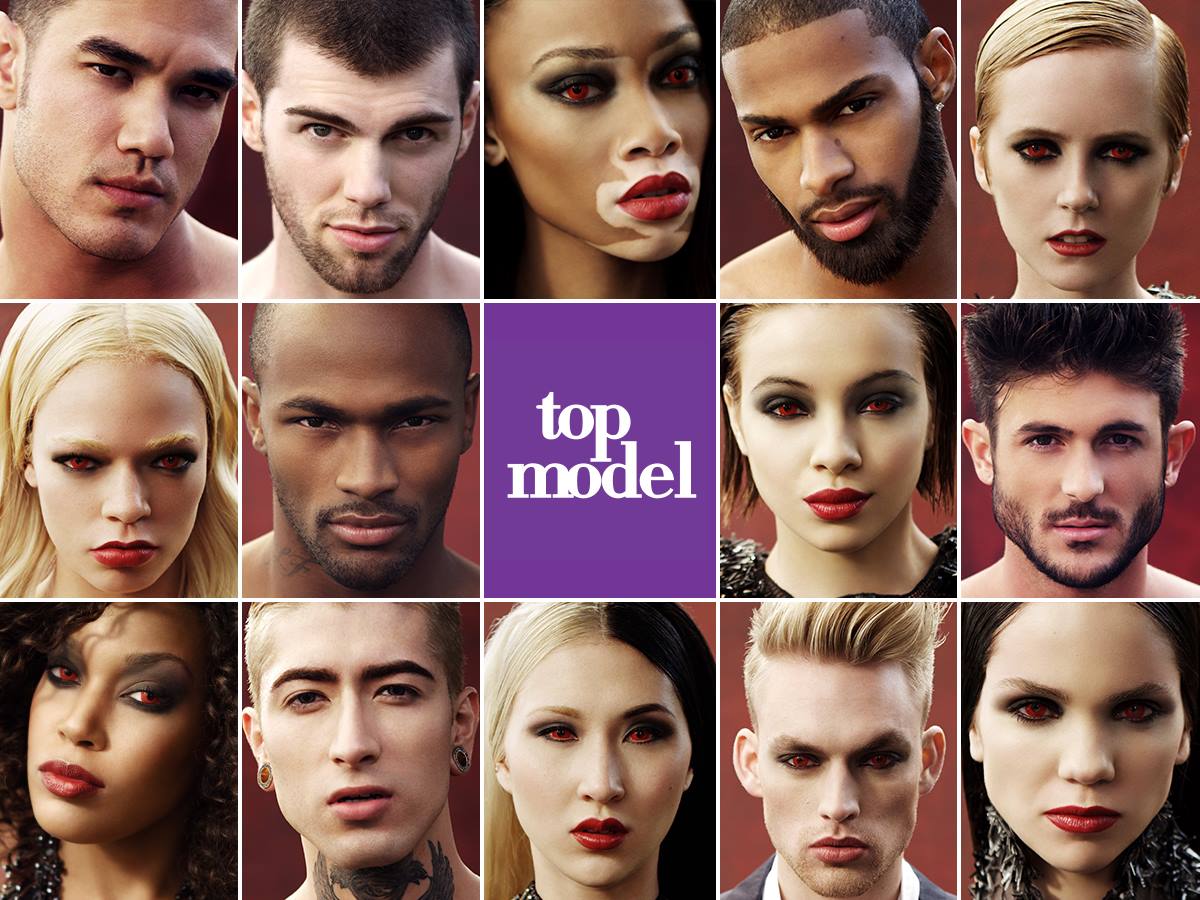
The official conclusion of America’s Next Top Model (ANTM) marked the end of reality television’s most influential modeling gatekeeper. Rather than closing doors, the show's absence decentralized the fashion industry, empowering aspiring talent to bypass traditional broadcast networks and secure direct modeling, branding, and creative opportunities through digital platforms, inclusive agencies, and self-managed careers.
The Legacy of America's Next Top Model and Its Industry Limits
For over two decades following its 2003 premiere, America’s Next Top Model served as the primary cultural touchstone for fashion competition television. Created by supermodel Tyra Banks, the franchise spanned 24 cycles across UPN, The CW, and VH1, broadcasting to dozens of international markets. The series transformed complex industry processes—such as go-sees, photo shoots, runway walks, and commercial auditions—into prime-time entertainment.
However, the broadcast model that made ANTM a pop-culture phenomenon created structural bottlenecks for its contestants. The show operated primarily as a televised drama, prioritizing high-stakes entertainment, strict character edits, and viral moments over sustainable career building. Contestants were subjected to extreme makeover reveals, psychological pressure, and unconventional photoshoot concepts—such as posing underwater, on moving platforms, or in extreme elements—that rarely reflected the daily operational reality of professional editorial or commercial modeling.
Furthermore, winners and fan favorites often encountered systemic hurdles after the cameras stopped rolling:
- Contractual Restraints: Early cycles tied winners to rigid management and prize contracts that were not always tailored to the model's individual long-term interests or specific market strengths.
- Industry Stigma: High-fashion casting directors in fashion capitals like Paris, Milan, and New York frequently held a prejudice against reality television participants, viewing them as commercial television personalities rather than high-fashion editorial models.
- Over-Centralization: Thousands of hopefuls traveled to mass regional casting calls each year, putting their careers on hold for a microscopic chance at being selected by television producers.
When production permanently halted, the single largest television gateway into the fashion world disappeared. Far from leaving a permanent void, this shift forced fashion talent discovery to evolve toward decentralized, direct-access pathways.
How the Off-Air Transition Reshaped Fashion Talent Discovery
The retirement of the traditional ANTM broadcast pipeline coincided with a major overhaul in how global modeling agencies, fashion houses, and commercial brands discover talent. Without a weekly television show dictating aesthetic standards or controlling media visibility, fashion casting underwent two primary shifts: democratization and diversification.
| TRADITIONAL ERA (ANTM / Broadcast) | MODERN ERA (Digital / Direct) |
|---|---|
| Network casting directors | Direct-to-brand outreach |
| High-fashion height/size rules | Inclusive casting specs |
| Manufactured TV personas | Authentic personal agency |
| Reality television stigma | Multi-platform monetization |
In the traditional broadcast era, a handful of TV executives and agency heads held exclusive power over who gained national exposure. In contrast, modern talent discovery relies on direct digital engagement, algorithmic discovery, and organic community building. Talent scouts no longer need to filter through tens of thousands of reality show application tapes; instead, they monitor real-time digital engagement, specialized hashtags, and self-published digital portfolios.
Additionally, industry advocacy groups like the Model Alliance have consistently championed safer workplace practices, contract transparency, and fair treatment for models. The high-pressure environment of early-2000s competition shows has increasingly been replaced by structured agency representations and standardized industry guidelines, giving newcomers greater legal protection and professional autonomy than early reality TV participants ever experienced.
4 Major Opportunities Emerging in the Post-ANTM Era
The sunsetting of ANTM created new avenues for models, digital creators, and fashion entrepreneurs. Aspiring talent no longer relies on producer approval to launch a national campaign; instead, four distinct pathways offer direct access to commercial success.
1. Social Media Scouting and Interactive Digital Portfolios
The most immediate replacement for reality TV casting calls is digital scouting via platforms like Instagram and TikTok. Major global agencies—including IMG Models, Elite Model Management, and Next Management—run dedicated digital scouting programs (such as IMG’s @WeLoveYourGenes initiative) that invite candidates to submit unedited digital polaroids directly online.
This shift delivers several distinct advantages:
- Creative Control: Models direct their own aesthetic, controlling lighting, wardrobe, and presentation without television edits framing them as on-screen tropes.
- Global Accessibility: Aspiring models living outside major fashion hubs like New York or Los Angeles can be scouted directly from their homes without traveling to regional open calls.
- Real-Time Analytics: Brands can evaluate a model's natural audience interaction, professional communication style, and content production capabilities before booking a shoot.
2. Direct-to-Brand Partnerships and E-Commerce Expansion
The exponential growth of e-commerce and direct-to-consumer (D2C) fashion brands has created massive demand for commercial, lifestyle, and digital campaign models. Unlike traditional high-fashion editorial work—which historically paid lower rates in exchange for prestige—e-commerce and digital apparel campaigns offer consistent, lucrative employment.
Models can pitch fashion, beauty, and activewear labels directly, offering UGC (User-Generated Content) packages, micro-influencer product campaigns, and website lookbook modeling. This direct commercial pipeline eliminates third-party television management fees, allowing talent to keep a significantly higher percentage of their earnings.
3. Inclusive Casting Across Demographics
While ANTM occasionally featured "petite cycles" or "college cycles," these variations were often presented as special television themes rather than permanent updates to agency standards. Modern casting, by contrast, integrates diversity as a core operational standard across the global fashion ecosystem.
Current casting pipelines regularly recruit talent across demographics that were historically excluded from broadcast television modeling competitions:
- Curve and Plus-Size Modeling: High-fashion and commercial sectors now routinely cast curve models for major runway shows and global fragrance campaigns, rather than limiting them to niche market segments.
- Adaptive and Inclusive Fashion: Brands actively recruit models with disabilities, neurodivergency, and limb differences for mainstream apparel and beauty campaigns.
- Gender-Fluid and Transgender Representation: Runway and commercial castings increasingly emphasize gender-affirming, non-binary, and transgender models across all market categories.
- Mature Modeling: Apparel brands frequently seek models in their 30s, 40s, 50s, and beyond to reflect the true demographic breakdown of global consumers.
4. Direct Streaming and Creator Talent Showcases
While ANTM's formula relied on dramatic confrontation, newer digital and streaming formats focus on technical skill, creative collaboration, and authentic design processes. Streaming projects and creator-led web series prioritize mentorship over artificial conflict.
Furthermore, creators build their own independent media ecosystems via YouTube channels, digital zines, and fashion podcasts. By sharing behind-the-scenes fitting footage, runway vlogs, and career tutorials, aspiring models create self-sustaining personal brands that attract brand sponsorships independent of traditional TV syndication.
Comparing Traditional TV Discovery with Modern Digital Pathways
Understanding the structural differences between legacy TV competitions and today's career access points helps newcomers choose the right strategy for their professional goals.
| Evaluation Metric | Traditional ANTM Era | Modern Digital & Direct Pathways |
|---|---|---|
| Primary Gatekeeper | TV Producers & Network Executives | Digital Scouts, Brand Marketers, & Algorithms |
| Creative Control | Minimal (Subject to producer edits & storylines) | High (Self-directed portfolios & social channels) |
| Diversity & Inclusion | Limited (Gimmick-driven or theme-based) | High (Systemic integration across size, age, & identity) |
| Initial Audience Reach | Mass Broadcast Audience (Passive viewers) | Targeted Niche/Community (Engaged followers) |
| Monetization Speed | Delayed (Restricted by post-show contract terms) | Immediate (Direct brand deals & agency bookings) |
| Career Longevity | Vulnerable to reality TV casting stigma | Built on direct industry relationships & diversified skills |
| Upfront Financial Cost | High travel costs for physical auditions | Low (Basic smartphone photo/video setup) |
Step-by-Step Guide: Building a Fashion and Modeling Career Today
Navigating the contemporary fashion industry requires a proactive, business-oriented approach. Rather than waiting for a talent competition open call, follow this step-by-step strategy to establish a professional modeling career.
- Build Natural Digital Polaroids (Clean, minimal lighting)
- Apply to Verified Agencies & Online Open Calls (No entry fees)
- Develop a Unified Professional Online Presence
- Pitch Direct-to-Consumer & Regional Commercial Brands
- Verify Legal Contracts & Protect Intellectual Property
Step 1: Create Authentic Digital Polaroids
Agency scouts prefer clean, unedited natural images over heavily edited glamour shots. You do not need an expensive photographer to start.
- Lighting: Stand facing a large window with soft, natural daylight. Avoid harsh shadows, ring lights, or artificial filters.
- Wardrobe: Wear simple, form-fitting clothes (e.g., a black or white fitted t-shirt/tank top with plain jeans or dark leggings).
- Hair & Makeup: Keep hair clean and away from your face; wear minimal to no makeup to show your natural skin texture and facial structure.
- Required Shots: Capture a full-length body shot, a headshot (smiling and natural expression), a waist-up profile shot, and a profile headshot.
Step 2: Target Reputable Agencies via Online Open Calls
Legitimate modeling agencies do not charge application fees or force candidates to pay for compulsory training classes. Research established agencies affiliated with industry standards, such as those registered with the Council of Fashion Designers of America network or major international agency directories.
- Submit your digital polaroids via official agency website portals or verified scouting email addresses.
- Check whether regional open calls exist in your area, or submit via official scouting hashtags on social media.
- Always verify that the person contacting you is an accredited agency representative by checking their official business email domain and cross-referencing agency directories.
Step 3: Build a Clean, Business-Focused Social Presence
Treat your public social media profiles as an active portfolio and business resume.
- Organize your profile bio with your location, height, measurement specifications, contact email, and agency representation status (e.g., "Unsigned" or "Represented by [Agency Name]").
- Post a balanced mix of professional test shoots, behind-the-scenes video clips, short video introductions, and authentic personal style posts.
- Engage professionally in comment sections and direct messages, maintaining clear boundaries between personal content and business communications.
Step 4: Pitch Commercial Brands and UGC Opportunities Directly
Build early experience and proof-of-work by connecting with direct-to-consumer brands, local designers, and digital apparel retailers.
- Reach out to local fashion designers, boutique owners, and e-commerce labels to offer lookbook modeling or content creation services.
- Join verified creator platforms that connect models directly with e-commerce brands for UGC video shoots and product testing campaigns.
- Collect high-resolution imagery and video footage from every verified job to update your digital composite card ("comp card") and portfolio site.
Step 5: Review Legal Contracts and Ensure Workplace Protections
Before signing any management agreement, representation contract, or brand licensing deal, ensure you understand your legal rights and compensation terms.
- Exclusivity Rules: Determine whether an agency contract is exclusive (limiting you to one agency worldwide) or non-exclusive (allowing regional representation across different territories).
- Image Rights and AI Clauses: Confirm how your likeness will be used, paying close attention to clauses regarding digital scanning, artificial intelligence alterations, and indefinite image licensing rights.
- Commission Rates: Standard industry commission rates typically range from 15% to 20% for standard agency bookings. Be cautious of contracts requiring high upfront fees or mandatory paid portfolio packages.
Frequently Asked Questions
Did winning America's Next Top Model guarantee a successful high-fashion career?
No. While the show provided instant national fame, TV contracts, and prize packages, winning ANTM did not guarantee long-term high-fashion success. High-fashion houses in Europe frequently held prejudices against reality television personalities. Many of the show's most commercially successful alumni—such as Yaya DaCosta, Analeigh Tipton, and Winnie Harlow—built their careers by transitioning into acting or leveraging post-show personal branding rather than relying solely on the winner's title.
How do major modeling agencies scout new talent without television open calls?
Agencies scout talent primarily through direct digital outreach, social media tracking, dedicated digital submission portals, and regional open calls. Talent scouts search specific hashtags, monitor viral video trends, review digital polaroid submissions, and visit community events, music festivals, and sports competitions to find new faces naturally.
Is a large social media following mandatory to get signed by an agency?
No. Agencies regularly sign "fresh faces" with small or private social media followings based entirely on their natural features, proportions, and presence. However, having a curated, professional social media presence can help accelerate brand partnerships and commercial bookings once you are signed.
What are the biggest safety risks for models applying online?
The primary risks include fake talent scouts, phishing scams asking for explicit photos under the guise of "digitals," upfront financial scams requiring payment for "mandatory modeling classes," and unvetted photographers. Always verify a scout's credentials via the agency's official website or direct landline, never send nude or semi-nude photos, and bring a trusted chaperone to initial test shoots.
Are fashion reality shows still relevant for launching a career?
While specialized design and fashion competition shows continue to attract viewers on major streaming networks, they no longer act as exclusive gatekeepers for entry into the modeling industry. Modern streaming shows operate alongside robust social platforms, making TV appearances just one of many optional tools for visibility rather than a strict requirement.
Navigating Your Next Steps in Modern Modeling
The conclusion of America’s Next Top Model marked the end of an era defined by centralized television gatekeeping, but it ushered in an era of personal agency, creative control, and direct industry access. Today’s modeling landscape values authenticity, clear digital communication, and multi-dimensional talent over manufactured on-screen drama.
If you are an aspiring model or creative professional, skip the outdated search for broadcast open calls. Focus on capturing clean digital polaroids, building a clear and professional online portfolio, applying directly to accredited agencies, and pitching direct-to-consumer fashion brands. Taking control of your presentation, rights, and business relationships ensures your long-term viability in today's fashion ecosystem.