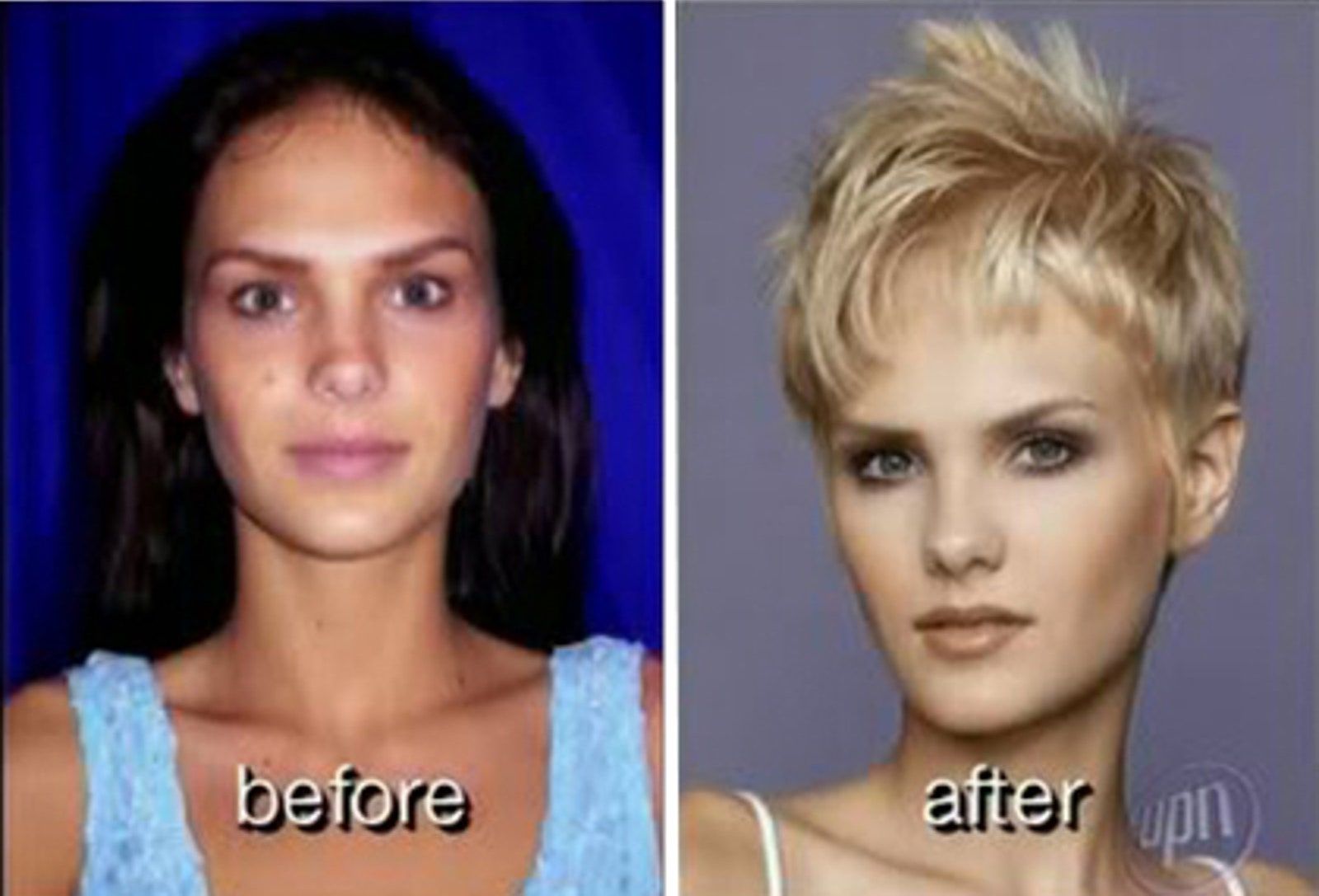
During its broadcast run, America's Next Top Model (ANTM) relied on its partnership with CoverGirl cosmetics from Cycle 3 through Cycle 18 to determine which contestant possessed true commercial beauty appeal. Evaluating the top CoverGirl campaigns reveals how the high-pressure combination of print photoshoots and scripted TV commercials consistently separated raw runway talent from market-ready, relatable beauty spokesmodels.
- THE ANTM COVERGIRL EVALUATION FRAMEWORK
- PRINT CAPABILITY
- Facial Symmetry & Radiance
- Eye Connection to Camera
- Product Placement Naturalness
- COMMERCIAL EXECUTION
- Script Memorization
- Teleprompter Fluidity
- Brand-Appropriate Charisma
- PRINT CAPABILITY
- FINAL JUDGING PANEL VERDICT & WINNER ($100,000 CoverGirl Contract & National Campaign)
The Evolution of CoverGirl in America's Next Top Model
When America's Next Top Model, created by supermodel Tyra Banks, premiered in 2003, its initial cosmetic sponsor was Revlon (Cycle 1), followed by Sephora (Cycle 2). However, beginning with Cycle 3 in autumn 2004, the show established a historic partnership with CoverGirl. For sixteen consecutive cycles ending in 2012, CoverGirl served as the ultimate reward and standard of success for aspiring models.
The inclusion of CoverGirl transformed the competitive structure of ANTM. Beyond standard high-fashion editorial modeling—which often prioritized striking, unique, or unconventional proportions and expressions—CoverGirl demanded commercial viability. A model had to appeal directly to everyday American consumers, projecting warmth, approachability, and youthful enthusiasm.
Each season's finale traditionally featured the remaining top three (or top two) contestants shooting both a print advertisement and a 30-second television commercial for a specific CoverGirl product line, such as LashBlast Mascara, Wet Slicks Lipgloss, or Clean Liquid Makeup. These finals took place across global fashion capitals, from Tokyo and London to Rome and Sydney, adding extreme jet lag, language barriers, and tight production deadlines to the modeling challenges.
Commercial Viability vs. High Fashion: The Core CoverGirl Dilemma
The primary tension throughout the CoverGirl era of ANTM was the clash between high-fashion editorial skill and mainstream commercial charm. Many contestants excelled at avant-garde poses, artistic expression, and walking the runway, yet struggled when placed in front of a teleprompter or asked to smile naturally while holding a tube of lipgloss.
CoverGirl campaigns required four main attributes:
- Facial Symmetry and Radiance: The print ad required striking beauty close-ups where makeup products were clearly visible and appealing.
- Vocal Clarity and Warmth: The television commercial tested the candidate's voice modulation, accent neutrality, and ability to sound genuine while repeating brand slogans like "Easy, Breezy, Beautiful, CoverGirl."
- Poise Under Pressure: Finalists frequently had to shoot their commercials under demanding environmental conditions—such as extreme heat, wind machines, or crowded public venues—while retaining an effortlessly polished appearance.
- Relatability: The winning model had to represent an aspirational yet attainable aesthetic that resonated with shoppers at major retail corridors.
When judges evaluated the final portfolios, a contestant's CoverGirl performance carried immense weight. Superior high-fashion portfolios throughout the season could be instantly derailed by a stiff, mechanical, or unconvincing CoverGirl commercial in the season finale.
Cycle-by-Cycle CoverGirl Shoot Comparison
The table below compares key cycles during the CoverGirl era, highlighting the featured products, location, winning models, and memorable performance dynamics between top finalists.
| Cycle | Destination | Featured Product | Winning Model | Key CoverGirl Performance Highlights |
|---|---|---|---|---|
| Cycle 3 | Tokyo, Japan | Wet Slicks Lipgloss | Eva Pigford | Eva delivered an iconic, joyful commercial and print shot, triumphing over Yaya DaCosta's more reserved editorial style. |
| Cycle 4 | Cape Town, South Africa | Outlast Smoothwear Lipcolor | Naima Mora | Naima delivered a polished, energetic performance; runner-up Kahlen Rondot excelled in print but lacked commercial warmth. |
| Cycle 6 | Bangkok, Thailand | LashExact Mascara | Danielle Evans | Danielle won despite accent critiques due to undeniable charm; Jade Cole famously struggled with line memorization. |
| Cycle 7 | Barcelona, Spain | TruBlend Liquid Makeup | CariDee English | CariDee delivered a glowing print shot and confident commercial delivery, edging out Melrose Bickerstaff. |
| Cycle 10 | Rome, Italy | LashBlast Mascara | Whitney Thompson | Whitney produced a vibrant, warm commercial performance that outperformed frontrunner Anya Kop's print-focused run. |
| Cycle 13 | Maui, Hawaii | Simply Ageless Eye Corrector | Nicole Fox | Nicole dominated both the print photo and commercial, balancing her quirky personality with soft beauty appeal. |
| Cycle 14 | Auckland, New Zealand | Clean Liquid Makeup | Krista White | Krista demonstrated high editorial growth, though her CoverGirl shoot required heavy direction compared to Raina Hein. |
| Cycle 18 | Hong Kong, China | Blast Flipstick Lipcolor | Sophie Sumner | Sophie showcased flawless British charm and natural comedic timing in the final commercial shoot against Laura LaFrate. |
Standout CoverGirl Campaigns: The Best vs. The Most Infamous
Examining specific performances reveals why certain CoverGirl commercials became classic television moments while others serve as cautionary tales for commercial models.
ANTM COVERGIRL PERFORMANCE SPECTRUM
- INFAMOUS / STRUGGLED
- Jade Cole (C6): Forgot lines, improvised
- Joanie Dodds (C6): Snagged line delivery
- Kahlen Rondot (C4): Great print, stiff voice
- Anya Kop (C10): Strong photo, flat delivery
- EXEMPLARY / HIGH IMPACT
- Eva Pigford (C3): Flawless smile & energy
- Nicole Fox (C13): Perfect eyes & charm
Top Tier Winners: Flawless Commercial Execution
- Eva Pigford (Cycle 3): Eva’s Cycle 3 victory established the template for what CoverGirl sought in an ANTM winner. Shooting in Tokyo for Wet Slicks Lipgloss, her print photo captured radiant eyes and a genuine, infectious laugh. Her commercial delivery was natural, youthful, and immediately usable for national syndication.
- Danielle Evans (Cycle 6): Set against the backdrop of Bangkok, Danielle faced intense scrutiny from judge Nolé Marin and Tyra Banks regarding her strong Southern accent. Despite this, her CoverGirl LashExact shoot showcased effortless magnetism, warmth, and an engaging smile that outshone her competition.
- Nicole Fox (Cycle 13): As the winner of the "Petite Cycle" (models 5'7" and under), Nicole's shoot in Hawaii for LashBlast Mascara proved that high-fashion faces can translate seamlessly into commercial beauty. Her clear eye connection and calm delivery delivered one of the highest-rated final beauty shots in the show's history.
High-Fashion Drama & Commercial Stumbles
- Jade Cole (Cycle 6): Jade’s iconic commercial attempt in Thailand remains one of the most famous moments in reality TV history. Struggling to memorize her dialogue, Jade abandoned the script entirely, delivering improvised, avant-garde lines ("Wonderful, fabulous...") that compromised the brand's clear, consumer-friendly messaging.
- Kahlen Rondot (Cycle 4): Kahlen was a high-fashion powerhouse throughout Cycle 4, producing editorial photos that captivated the judges. However, during her final CoverGirl shoot in South Africa, her lack of commercial experience resulted in a stiff, rehearsed television delivery, allowing Naima Mora to take the title.
- Anya Kop (Cycle 10): Dominating the competition in Rome with five first-callouts, Anya seemed poised to win Cycle 10. However, her final CoverGirl commercial was marked by hesitant vocal delivery and slurred pronunciation, opening the door for Whitney Thompson’s charismatic, highly polished commercial performance.
How the CoverGirl Shoot Decided the ANTM Winner
In many cycles, the final CoverGirl assessment operated as the ultimate tiebreaker—or even a total course correction—for the judging panel. While the judges evaluated the contestants' overall performance over 10 to 12 weeks, the CoverGirl contract was a real-world business prize worth $100,000. CoverGirl executives held significant influence over who took the title, as the winner would immediately represent their brand in national print publications like Seventeen and appear in television spots.
- Evaluation Inputs:
- SEASONAL PORTFOLIO SCORE (High-Fashion Editorial & Runway)
- FINAL COVERGIRL PERFORMANCE (Commercial Viability & Script Delivery)
- JUDGING PANEL & SPONSOR RECONCILIATION
- Does the candidate represent a viable, market-ready CoverGirl brand ambassador?
- FINAL WINNER SELECTION
This business requirement explains several controversial wins in ANTM history:
- Commercial Appeal Over Portfolio Dominance: In Cycle 10, Anya Kop possessed a statistically superior portfolio compared to Whitney Thompson. However, Whitney’s commercial for LashBlast Mascara was lively, articulate, and completely aligned with CoverGirl’s mass-market demographic.
- Adaptability and Growth: In Cycle 7, CariDee English produced a vibrant CoverGirl TruBlend ad despite an earlier controversy during a runway show. Her ability to bounce back and deliver a radiant beauty shot convinced the brand executives of her professional versatility over runner-up Melrose Bickerstaff.
- Target Audience Alignment: During Cycle 18 ("British Invasion"), winner Sophie Sumner delivered a commercial for the Blast Flipstick that blended British humor with crisp product presentation, directly matching CoverGirl's push toward vibrant, youth-oriented cosmetic campaigns.
The Legacy and Aftermath: Why CoverGirl Left ANTM
The partnership between America's Next Top Model and CoverGirl officially concluded after Cycle 18 in 2012. Several industry factors contributed to this shift:
- Evolving Reality TV Formats: As ANTM shifted its focus toward social media voting, male-and-female contestant cycles (Cycles 20–22), and dramatic viral challenges, the show's format aligned less with CoverGirl's clean, mainstream beauty marketing.
- Transition to New Sponsors: Following CoverGirl’s departure, ANTM partnered with other cosmetics brands, including Smashbox Cosmetics, Dream Come True fragrance, and Rimmel London in Cycle 24. However, none achieved the iconic cultural footprint of the CoverGirl era.
- Post-Show Career Impact: Winners who capitalized on their CoverGirl contracts—such as Eva Marcille (Pigford), Danielle Evans, and Jaslene Gonzalez (Cycle 8)—successfully translated their exposure into long-term careers in television, commercial print, and fashion, demonstrating the real-world value of the sponsorship.
Frequently Asked Questions
Which cycle of ANTM introduced the CoverGirl partnership?
CoverGirl became the official cosmetic sponsor of America's Next Top Model in Cycle 3, which aired in late 2004 and was won by Eva Pigford. The partnership continued uninterrupted through Cycle 18 in 2012.
What did the winner receive from the CoverGirl contract?
The winning model typically received a $100,000 contract with CoverGirl cosmetics, which included starring in a national television commercial, appearing in print advertisements for major retailers, and having their winning shoot featured in top fashion magazines such as Seventeen, ELLEgirl, or Glamour.
Why was the CoverGirl shoot considered harder than high-fashion shoots?
High-fashion shoots prioritize artistic posing, distinct facial angles, and quiet intensity. In contrast, the CoverGirl final shoot required contestants to speak directly to a camera, memorize commercial scripts, maintain energy through repetitive takes, and sell a specific beauty product while looking effortless and naturally accessible.
Did the best print model always win the CoverGirl challenge?
No. Contestants who excelled at print modeling often failed the television commercial portion due to nerves, mechanical script delivery, or an overly serious high-fashion facial expression. The judges prioritized models who balanced high-quality print shots with charming, articulate, and warm commercial performances.
What happened to the CoverGirl sponsorship after Cycle 18?
After Cycle 18, CoverGirl ended its sponsorship agreement with ANTM as the network overhauled the show's format and target audience. Subsequent cycles featured alternative sponsors, including Smashbox Cosmetics, Rimmel London, and independent fashion brands, before the series concluded its original network run.
Practical Takeaways for Fashion and Media Analysis
Analyzing the CoverGirl era of America's Next Top Model offers valuable insights into beauty marketing, brand strategy, and commercial modeling:
- Study the Dual Dynamics of Modeling: Success in fashion requires mastering two distinct skill sets—editorial modeling (artistic, high-concept, boundary-pushing) and commercial modeling (relatable, articulate, product-focused).
- Observe Voice and On-Camera Technique: Commercial modeling heavily relies on voice projection, facial warmth, and effortless script delivery—skills that extend far beyond walking a runway.
- Understand Reality TV Sponsorship Dynamics: Corporate brand partnerships often dictate the ultimate outcome of competition shows, as sponsors require a representative who reliably aligns with their national identity and consumer base.
For pop culture enthusiasts and students of media production, reviewing the CoverGirl campaigns from Cycles 3 through 18 provides a clear case study in how mass-market beauty brands evaluate, construct, and launch national media campaigns.