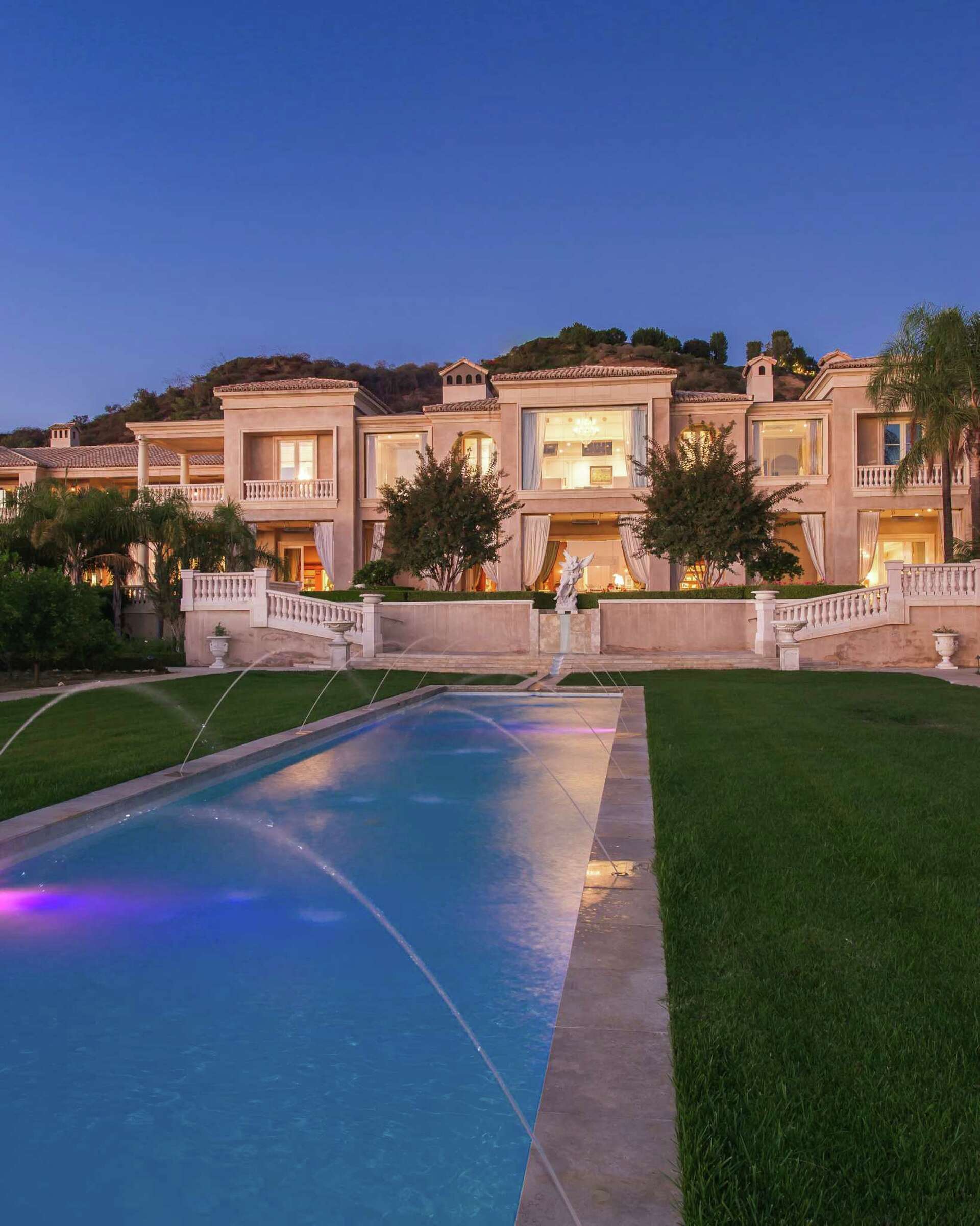
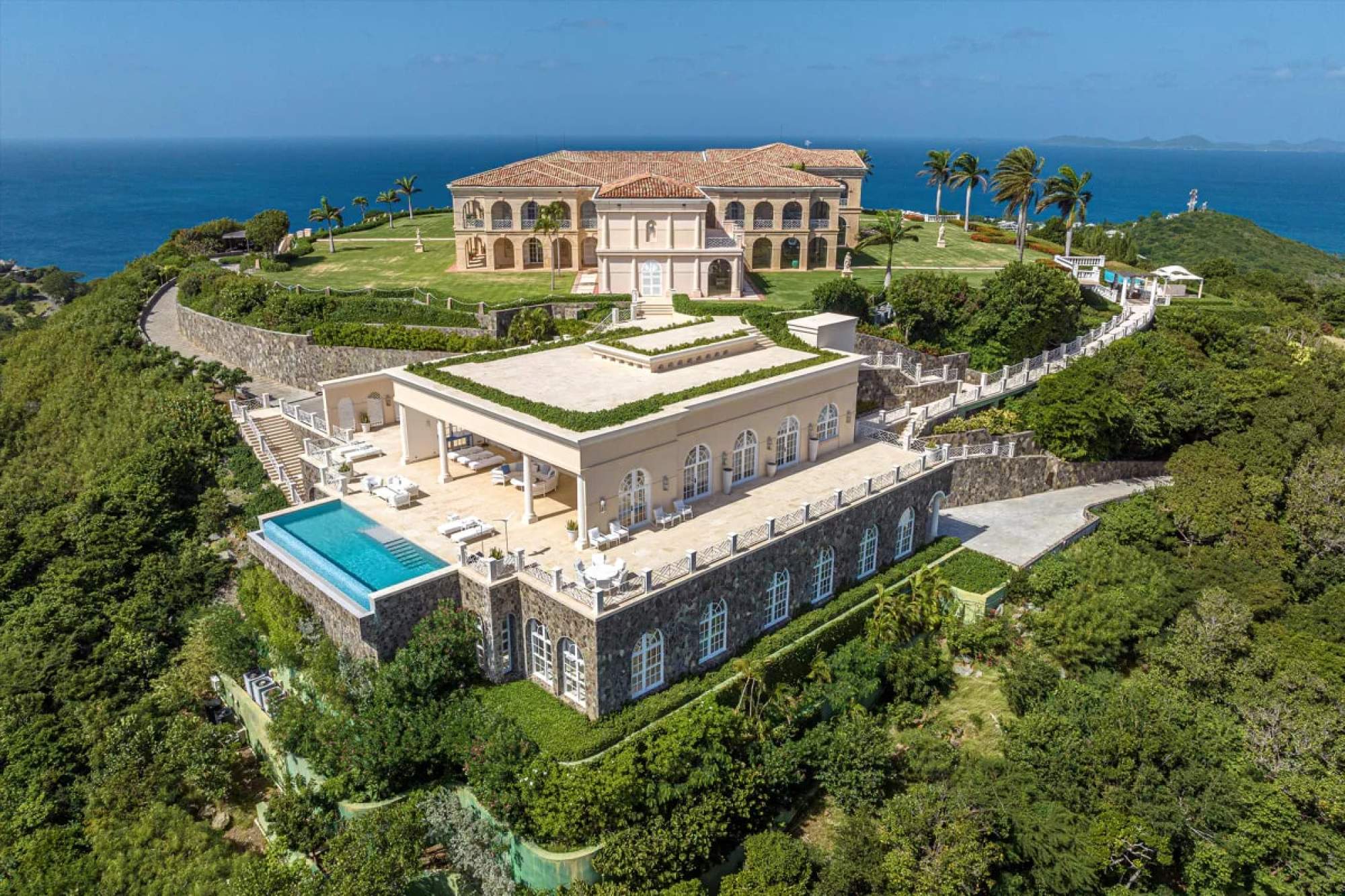
As of 2026, the title of America’s most expensive mansion belongs to The One, a 105,000-square-foot mega-estate in Bel Air, California. While its initial $500 million asking price set a global record, its eventual $141 million sale price and current valuation reflect the complex economics of the ultra-high-net-worth real estate market.
The landscape of American luxury real estate is defined by a handful of "trophy properties" that exceed the boundaries of traditional residential living. These structures are not merely homes; they are architectural feats that function as private resorts, galleries, and statement assets. To understand what constitutes the most expensive mansion in the United States, one must look beyond the sticker price and examine the architectural scale, historical provenance, and the specific geographic enclaves that support nine-figure valuations.
The Titan of Bel Air: The One
Located on a five-acre plateau in one of Los Angeles' most prestigious neighborhoods, The One remains the most significant singular residential project in American history. Designed by architect Paul McClean and developed by Nile Niami, the property took nearly a decade to complete. Its sheer scale—105,000 square feet—makes it one of the largest private residences in the world.
The amenities within The One are designed to eliminate the need for the owner to ever leave the premises. It features 21 bedrooms and 42 bathrooms, but its utility extends far beyond sleeping quarters. The estate includes a 400-foot private outdoor jogging track, a 50-seat Dolby Digital cinema, a four-lane bowling alley, and a full-service hair and beauty salon. For social gatherings, the house boasts a "philanthropy wing" designed to host charity galas for hundreds of guests, complemented by a 10,000-bottle wine cellar.
From a technical standpoint, the engineering of The One is as impressive as its luxury. The property is surrounded by a moat on three sides, creating the illusion that the glass-and-marble structure is floating above the city. The glass walls are floor-to-ceiling and motorized, allowing for a seamless transition between the interior and the expansive views of the Pacific Ocean and the Los Angeles basin. However, the property’s journey also serves as a cautionary tale of "speculative building," where the costs of maintenance and the niche pool of buyers led to a high-profile bankruptcy and auction process that reset the market's expectations for mega-mansion pricing.
Historical Grandeur: Casa Encantada
While modern builds like The One capture headlines for their size, properties like Casa Encantada represent the value of historical provenance and land. Located on nearly nine acres in Bel Air, Casa Encantada was listed for $250 million, consistently making it one of the most expensive listings in the country.
Built in 1937 by architect James E. Dolena, the estate is a masterwork of Georgian Modern architecture. Unlike the "spec homes" built today, Casa Encantada has a storied history of ownership, including hotelier Conrad Hilton and billionaire Gary Winnick. The value here is derived from the rare acreage in a land-locked city and the meticulous restoration of its original details. The interiors feature custom furniture by T.H. Robsjohn-Gibbings and intricate plasterwork that would be prohibitively expensive to replicate today.
The distinction between a property like The One and Casa Encantada highlights the two primary paths to reaching the "most expensive" status: modern, amenity-heavy scale versus historical, land-rich elegance. In 2026, buyers are increasingly gravitating toward the latter, valuing privacy and "old-world" craftsmanship over the high-maintenance complexity of modern glass boxes.
The Billion-Dollar Compound: Ken Griffin’s Palm Beach Estate
If we move from single-structure mansions to residential compounds, the most valuable residential property in America is located in Palm Beach, Florida. Hedge fund billionaire Ken Griffin has spent over a decade and hundreds of millions of dollars assembling a 20-acre oceanfront estate. Experts estimate that once the planned construction is completed in 2026, the total investment and market value of the land and structures could approach $1 billion.
This project represents a shift in the ultra-luxury market. Rather than buying a pre-built mansion, the wealthiest individuals are creating "legacy compounds." Griffin’s estate spans from the Atlantic Ocean to the Lake Worth Lagoon, providing a level of security and privacy that is unattainable in Los Angeles or New York. This type of development influences the broader market by setting new benchmarks for price-per-square-foot in Florida, which has seen a massive influx of wealth over the last five years.
Technical Specifications and Operational Realities
Owning America’s most expensive mansion involves technical and financial requirements that differ significantly from standard homeownership. These properties are managed more like boutique hotels or corporate headquarters than private residences.
Smart Home Integration and Security
The technical infrastructure of these homes often relies on enterprise-grade systems. Crestron or Lutron systems control everything from the "circadian lighting" (which mimics the sun’s natural path to improve sleep) to the climate zones in the art galleries. Security is paramount; most of these mansions feature biometric access, high-definition thermal imaging cameras, and "safe rooms" equipped with independent air filtration and communication lines.
Maintenance and Staffing
The operational costs of a $100 million+ mansion can range from $1 million to $5 million annually. This includes:
- Property Taxes: In jurisdictions like Los Angeles, "mansion taxes" (such as Measure ULA) add significant costs to both the purchase and the annual holding.
- Staffing: A mansion of this scale typically requires a full-time house manager (butler), executive chefs, professional cleaning crews, security teams, and specialized technicians for the pools and HVAC systems.
- Utility Consumption: The electricity required to power 100,000 square feet of climate-controlled space, especially with glass-heavy modern architecture, is equivalent to that of a small commercial building.
Comparison of America’s Most Expensive Residential Assets
The following table compares the top residential properties in the United States by their current market significance and estimated valuations as of 2026.
| Property Name | Location | Est. Value / Asking | Approx. Sq. Footage | Primary Appeal |
|---|---|---|---|---|
| The One | Bel Air, CA | $141M - $250M | 105,000 | Unmatched scale and amenities |
| Casa Encantada | Bel Air, CA | $250M | 40,000 | Historical provenance and acreage |
| Griffin Estate | Palm Beach, FL | $1B (Projected) | 20+ Acres | Private ocean-to-lake compound |
| The Manor | Holmby Hills, CA | $155M - $165M | 56,500 | "Spelling Manor" historical fame |
| Central Park Tower Penthouse | New York, NY | $195M - $250M | 17,500 | Highest residential view in the world |
| Gordon Heights | Hamptons, NY | $150M+ | 15,000+ | Rare oceanfront Hamptons estate |
The Impact of Geographic Hotspots
The concentration of wealth in specific "ZIP codes of power" is what drives these valuations. In 2026, four primary markets dominate the list of America's most expensive mansions:
- Bel Air & Holmby Hills (Los Angeles): Known as the "Platinum Triangle," this area offers the large plots of land necessary for mega-mansions. The topography allows for "jetliner views" of the city, which is a major value driver for modern builds.
- Palm Beach (Florida): This has become the preferred destination for tax-sensitive billionaires. The limited availability of oceanfront land has created an artificial ceiling on supply, pushing prices for even modest beachfront homes into the $50 million range.
- The Hamptons (New York): The market here is defined by seasonal use and traditional shingle-style architecture. Value is almost entirely driven by water frontage and proximity to the ocean.
- Manhattan (New York): In NYC, the most expensive "mansions" are often "mansions in the sky"—penthouses along Billionaires' Row (57th Street). These properties trade on verticality and 360-degree views of Central Park.
Market Dynamics: Auctions vs. Traditional Listings
A notable trend in the 2020s has been the use of high-profile auctions for the country's most expensive homes. Because the pool of buyers for a $150 million home is incredibly small—estimated at fewer than 3,000 people globally—traditional marketing can sometimes fail.
Auctions, such as those conducted by Concierge Auctions (now part of Sotheby’s), provide a definitive date of sale and force the market to determine the true value. This was seen with The One, where the initial $500 million valuation was proved unrealistic by the market, eventually settling at $141 million. This "price discovery" is essential for the health of the luxury market, as it prevents inventory from sitting stagnant for years.
Frequently Asked Questions
What is the "Mansion Tax" and how does it affect these sales?
In cities like Los Angeles, Measure ULA (enacted in 2023) imposes a 5.5% tax on all real estate sales over $10 million. For a $100 million mansion, this adds a $5.5 million tax burden on the seller. This has led many sellers to list properties just below the threshold or to structure deals that include furnishings and art as separate transactions to mitigate the tax impact.
Who typically buys these most expensive mansions?
Buyers are usually a mix of tech entrepreneurs, hedge fund managers, and international royalty. In 2026, we are also seeing an increase in family offices purchasing these properties as "land bank" investments—assets that hold value in prime locations while providing a functional residence for the principal.
Why do some of these mansions sell for so much less than their asking price?
Ultra-luxury real estate is often subject to "aspirational pricing." Developers set high prices to generate global media coverage, which acts as a marketing tool. The actual sale price is usually a reflection of what a motivated buyer is willing to pay after a rigorous due diligence process, which often reveals the high costs of upkeep or required finishing work.
What is the largest private house in America?
While The One is the largest modern mansion, the Biltmore Estate in Asheville, North Carolina, remains the largest private residence ever built in the U.S. at 178,926 square feet. However, it is now a museum and a National Historic Landmark, rather than a single-family home.
Can you tour these mansions?
Generally, no. Access to properties like The One or Casa Encantada is restricted to "qualified buyers"—individuals who can provide a Proof of Funds (POF) or a bank letter verifying their ability to close a nine-figure transaction. For the general public, these homes are only visible through high-end real estate publications like Architectural Digest or the Wall Street Journal.
Practical Recommendation for Luxury Research
If you are analyzing the luxury market for investment or professional purposes in 2026, focus on price-per-square-foot and land value rather than the total asking price. The "most expensive" title is often a fleeting marketing label. Real value in the 2026 market is found in properties with "irreplaceable" characteristics—such as a specific historical pedigree or a rare oceanfront lot that can no longer be permitted for development.
For those interested in the architectural evolution of these structures, following the work of architects like Paul McClean, SAOTA, and Kappe Architects provides insight into the design trends that define the current era of American opulence.