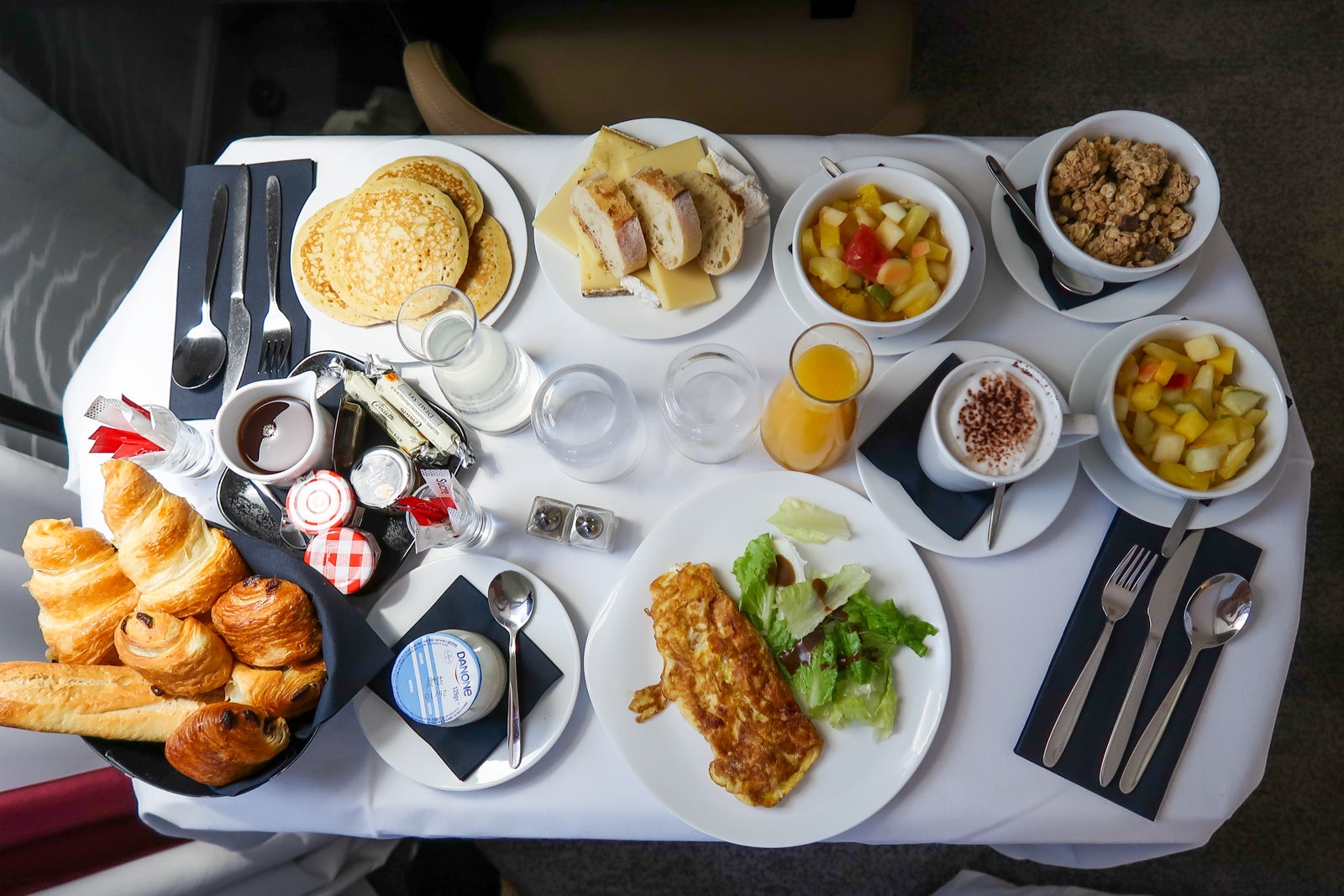
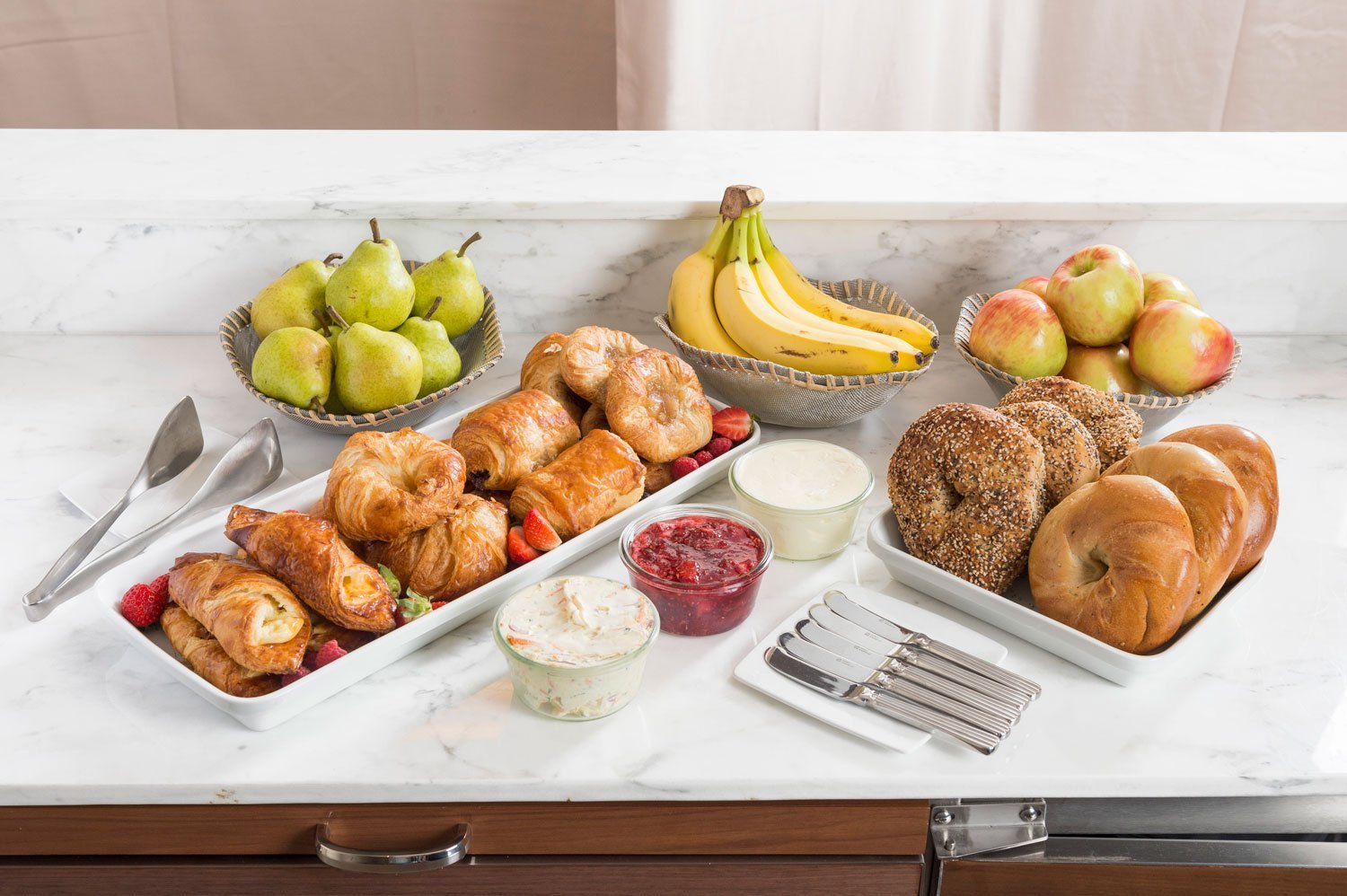
The primary difference between an American breakfast and a continental breakfast lies in the variety, temperature, and protein content of the food served. An American breakfast is a heavy, cooked meal featuring eggs, breakfast meats, and starches, while a continental breakfast is a light, typically cold meal centered on breads, pastries, and fruit.
When booking a hotel or planning an event, the "breakfast included" label often hides a significant range of culinary experiences. Understanding the nuances between these two standards is essential for travelers managing dietary needs, event planners budgeting for catering, and hospitality professionals aiming to meet guest expectations. While the lines have blurred slightly in 2026 due to the rise of "extended" or "enhanced" buffets, the core philosophies of these two meal types remain distinct.
The Historical Origins of Breakfast Terminology
To understand the modern "continental" and "American" labels, one must look at the 19th-century hospitality industry. The term continental breakfast originated in the mid-1800s in the United Kingdom and the United States. At the time, the traditional "Full English" or "American" breakfasts were incredibly heavy, designed for laborers who needed thousands of calories to fuel a day of physical toil.
As the middle class grew and international travel became more common, a new type of traveler emerged: the "continental" European. Tourists from countries like France and Italy were accustomed to a lighter morning meal—usually just a roll and coffee. American hotels began offering this "continental" style to appeal to these visitors and to the emerging class of sedentary office workers who found heavy breakfasts indigestible.
Conversely, the American breakfast evolved from the farmstead tradition. Because the United States had vast agricultural resources, meat (especially pork) and eggs were relatively inexpensive and plentiful. This led to the development of a multi-course, protein-heavy morning feast that eventually became a staple of diner culture and high-end hotel service.
What is an American Breakfast?
An American breakfast is defined by heat and heartiness. It is almost always a "hot breakfast," requiring a full kitchen staff to prepare. In 2026, while many mid-range hotels have moved toward automated or self-service stations, a true American breakfast implies a level of culinary complexity that includes several distinct components.
Core Components of the American Breakfast
- Eggs: These are the centerpiece. They may be prepared to order (scrambled, fried, poached, or as omelets). In a buffet setting, they are typically served as large trays of scrambled eggs.
- Breakfast Meats: Protein is a requirement. Common options include crispy bacon, link sausages, patty sausages, or occasionally ham steaks and Canadian bacon.
- Starches and Grains: This category includes hash browns, home fries (cubed potatoes), or grits (popular in the Southern U.S.). Toasted sliced bread, English muffins, or biscuits are also standard.
- The "Sweet" Side: Many American breakfasts include a griddle component such as pancakes with maple syrup, waffles, or French toast.
- Beverages: Large servings of filtered coffee (often with free refills), a variety of fruit juices (orange, apple, grapefruit), and milk.
The American style is designed to be a complete, satiating meal that can often carry a person through to a late lunch or even dinner.
What is a Continental Breakfast?
The continental breakfast is built on the principle of convenience and shelf-stability. It is designed to be set up quickly, often without the need for a professional chef or a ventilation hood in the dining area. The focus is on Viennoiserie (yeast-leavened products) and simple accompaniments.
Core Components of the Continental Breakfast
- Breads and Pastries: This is the heart of the meal. Expect croissants, danishes, muffins, bagels, and sliced bread for toasting.
- Spreads: Butter, various fruit jams or preserves, honey, and cream cheese.
- Fruit and Dairy: Fresh whole fruit (bananas, apples) or sliced seasonal fruit, alongside individual yogurt cups or a large bowl of yogurt.
- Cereal: Various boxed cold cereals served with cold milk.
- Beverages: High-quality coffee (often espresso-based in Europe), tea, and a limited selection of juices.
While traditionally cold, modern continental breakfasts in 2026 often include a "hot" element like oatmeal (porridge) or hard-boiled eggs to satisfy the demand for more protein and warmth without significantly increasing labor costs.
Technical Comparison: American vs. Continental
| Feature | American Breakfast | Continental Breakfast |
|---|---|---|
| Primary Temperature | Hot (Cooked) | Cold (Prepared) |
| Protein Level | High (Eggs, Meat) | Low to Moderate (Yogurt, Cheese) |
| Carbohydrate Type | Complex & Simple (Potatoes, Pancakes) | Mostly Simple (Pastries, Breads) |
| Service Style | A la Carte or Full Buffet | Self-Service Buffet |
| Preparation Time | 10–20 minutes per order | Instant (Grab-and-go) |
| Cost to Consumer | Generally higher ($15–$40) | Often complimentary or low cost ($5–$15) |
| Labor Requirement | High (Chef, Line Cook, Server) | Low (Attendant for restocking) |
| Caloric Density | High (800–1,200+ calories) | Moderate (300–600 calories) |
The Business Logic: Why Hotels Choose One Over the Other
From a hospitality management perspective, the choice between offering an American or continental breakfast is driven by logistics, overhead, and brand positioning.
The Economics of Continental Breakfast
Hotels favor the continental model because it requires minimal staffing. One or two attendants can manage a room of 100 guests by simply restocking trays and wiping tables. There is no need for a "short-order" cook, which drastically reduces the payroll. Furthermore, the ingredients—such as cereal, jam, and frozen pastries—have a longer shelf life and lower waste margins compared to fresh eggs and raw meat. This is why "Complimentary Breakfast" at budget and mid-tier hotels is almost exclusively continental.
The Prestige of the American Breakfast
Luxury hotels and full-service resorts use the American breakfast as a differentiator. Providing a "cooked-to-order" experience allows the hotel to charge a premium. It also increases "Guest Satisfaction Scores" because it feels more like a pampered experience. In 2026, high-end establishments often use the American breakfast to showcase local sourcing—featuring farm-fresh eggs, artisanal bacon, and locally milled grains—turning a standard meal into a culinary event.
Nutritional Considerations and Dietary Impact
When choosing between these two, health-conscious travelers should consider the macronutrient profiles.
The American breakfast provides a significant hit of protein and fats. This can be beneficial for blood sugar stability (assuming pancakes and syrup are avoided), as protein and fat slow down digestion and provide long-lasting energy. However, it is also typically much higher in sodium and saturated fats, which may be a concern for those with cardiovascular restrictions.
The Continental breakfast is notoriously high in refined carbohydrates and sugars. A meal consisting of a muffin, a glass of orange juice, and a sweetened yogurt can cause a rapid spike in blood glucose followed by a mid-morning "crash." For those looking for a healthier continental experience, focusing on whole fruit, plain yogurt, and nuts (if available) is recommended to mitigate the glycemic load.
Variations and Global Evolutions
As we look at the landscape in 2026, many regions have put their own spin on these two categories, creating "hybrid" breakfasts that can confuse the uninitiated.
- The Full English/Irish: Often confused with the American breakfast, this is even more extensive, including baked beans, grilled tomatoes, sautéed mushrooms, and black/white pudding (blood sausage).
- The "Enhanced" Continental: This is the current standard for many American mid-scale hotel chains. It adds one or two hot items—usually a DIY waffle station and a tray of pre-cooked egg patties or "breakfast sandwiches"—to a traditional continental spread.
- Mediterranean Continental: Common in Spain, Greece, and Italy, this may include savory items like olives, feta cheese, sliced cucumbers, and tomatoes alongside the breads, moving away from the "sweet" focus of the French-style continental breakfast.
Common Mistakes to Avoid When Booking
One of the most frequent complaints in the travel industry is the "misaligned breakfast expectation." To avoid disappointment, consider these factors:
- Check the "Hot" Status: If a hotel website says "Breakfast Included," look for the word "Hot." If it isn't there, assume it is a continental spread.
- Understand the "American Plan": In some resort settings, the "Modified American Plan" (MAP) includes breakfast and one other meal, usually dinner. Always verify if the breakfast is a buffet or a la carte.
- Dietary Restrictions: Continental breakfasts are often a minefield for those with gluten sensitivities or Celiac disease, as they are centered on wheat products. American breakfasts, while higher in meat, offer more naturally gluten-free options like eggs and potatoes.
Frequently Asked Questions
Is a continental breakfast always cold?
Traditionally, yes. However, in 2026, most continental breakfasts include at least one hot beverage (coffee/tea) and often a hot cereal like oatmeal. Some may also include a self-service waffle maker or hard-boiled eggs, but they generally lack the grilled meats and fried eggs that define a hot American breakfast.
Why is it called "continental" if it's served in America?
The "continent" refers specifically to mainland Europe (France, Italy, etc.). The term was coined by the British to describe the lighter breakfast style of their neighbors across the English Channel. Americans adopted the term to describe the same European-style light meal offered in their own hotels.
Which breakfast is better for weight loss?
Nutritionally, an American breakfast focused on eggs and lean protein is often superior for satiety and muscle maintenance. A continental breakfast is frequently dominated by empty calories from refined flour and sugar, which can lead to overeating later in the day. However, an American breakfast can easily exceed 1,000 calories if it includes heavy meats and pancakes.
Does a continental breakfast include eggs?
In its strictest form, no. However, to meet modern guest demands for protein, many hotels now include hard-boiled eggs in their continental offerings. You will rarely find scrambled, poached, or fried eggs in a standard continental setup.
Is the American breakfast more expensive?
Almost always. Due to the cost of raw protein (meat and eggs) and the labor required to cook them safely and fresh, an American breakfast carries a higher price point for both the hotel to produce and the guest to purchase.
Final Recommendation
If you are a traveler looking for the best value, an American breakfast is the superior choice for a long day of sightseeing or physical activity, as the protein will keep you full longer. However, if you are a light eater or in a rush to catch a morning meeting, a continental breakfast offers a quick, efficient way to refuel without the time commitment or heavy caloric load of a cooked meal. When booking your next stay in 2026, always verify the specific items included in the "breakfast" offer to ensure it aligns with your dietary needs and morning schedule.