The rise of American beers, often categorized internationally as "cervejas americanas," represents a global shift from traditional European brewing styles toward hop-forward, innovative, and bold flavor profiles. This movement, driven by the American craft beer revolution, has redefined global standards for India Pale Ales (IPAs), Pale Ales, and specialized lagers by 2026.
The Historical Foundation of the American Brewing Identity
To understand the current dominance of American beer styles, one must look back at the radical transformation of the U.S. brewing landscape. For much of the 20th century, the American market was synonymous with light, adjunct lagers produced by a handful of massive breweries. However, the late 1970s marked a legislative and cultural pivot. The deregulation of homebrewing in 1978 allowed enthusiasts to experiment with forgotten styles and new ingredients, laying the groundwork for what would become a multi-billion-dollar global export.
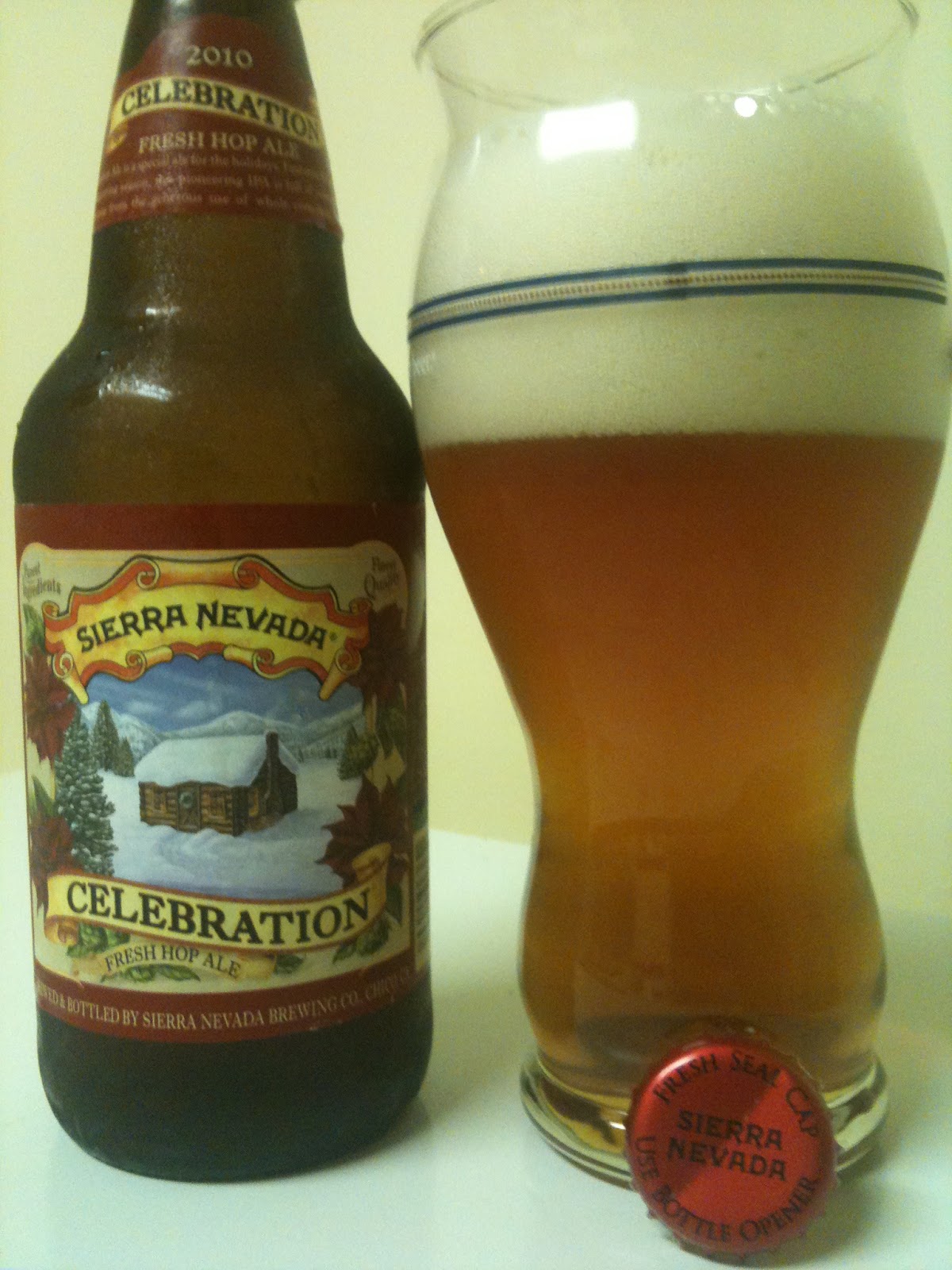
Early pioneers like Anchor Brewing and Sierra Nevada Brewing Co. moved away from the thin-bodied profiles of the era, reintroducing the world to the "C-hops"—Cascade, Centennial, and Columbus. These hops provided a citrusy, piney, and floral resinous quality that had no equivalent in the noble hop traditions of Germany or the earthy hop profiles of the United Kingdom. By the early 2000s, this "American" style began to infiltrate international markets, leading to the colloquial adoption of the term "cervejas americanas" in regions like Brazil and Portugal, where a new generation of drinkers sought alternatives to standard industrial pilsners.
By 2026, the historical narrative has shifted from one of "rebellion" to one of "established excellence." American brewing is no longer defined just by its novelty but by its technical precision and its ability to influence legacy brewing nations. Even traditional breweries in Belgium and Germany now produce "American-style" IPAs to satisfy a consumer base that demands the bold aromatics pioneered in the Pacific Northwest.
Defining Characteristics: What Makes a Beer "American"?
When enthusiasts discuss "cervejas americanas," they are generally referring to specific technical and sensory markers that distinguish these brews from their European ancestors. The "Americanization" of a style typically involves three core components: hop selection, yeast attenuation, and water chemistry.
The Role of High-Alpha Acid Hops
American beers are characterized by their aggressive use of hops, particularly varieties grown in the Yakima Valley of Washington and the Willamette Valley of Oregon. Unlike European "noble" hops (such as Hallertau or Saaz), which are low in alpha acids and offer subtle spicy or herbal notes, American varieties are bred for high oil content and intense aromatics. In 2026, the market has expanded beyond the classic Cascade to include "designer" hops like Citra, Mosaic, and Galaxy (though the latter is Australian, it is a staple of American-style brewing). These hops provide flavors of grapefruit, mango, passion fruit, and dank resin that define the modern American palate.
Yeast and Fermentation Profiles
While British ales often feature fruity esters and Belgian ales are defined by spicy phenols, the quintessential American ale yeast—often referred to as the "Chico" strain—is prized for its neutrality. This clean fermentation allows the hops and malt to remain the focal point. In American-style lagers, the focus is on a crisp, dry finish with minimal residual sweetness, achieved through highly controlled fermentation temperatures and, occasionally, the use of corn or rice as adjuncts to lighten the body without adding heavy flavors.
Water Chemistry and "Burtonization"
Modern American brewers are masters of water chemistry. To achieve the sharp, "crisp" bitterness found in West Coast IPAs, brewers often adjust their brewing water with calcium sulfate (gypsum). This enhances the perception of hop bitterness and helps the beer feel refreshing rather than cloying. Conversely, for the "Hazy" or New England styles that remain popular in 2026, brewers utilize higher chloride levels to create a soft, pillowy mouthfeel that mimics the texture of fruit juice.
The Global Expansion: The Rise of "Cervejas Americanas"
The term "cervejas americanas" gained significant traction as the American craft movement exported its culture to South America and Europe. Brazil, in particular, has seen a meteoric rise in local breweries adopting American techniques. This is not merely a trend of importing bottles from the United States; it is the adoption of the American "brewing philosophy"—an emphasis on experimentation, local branding, and high hop saturation.
In the mid-2010s, Brazilian craft breweries began winning international awards for their iterations of American IPAs and Double IPAs. By 2026, this has evolved into a sophisticated sub-industry where "American-style" is a quality tier. Consumers in Lisbon, São Paulo, and Luanda look for "cervejas americanas" when they want a beer that is aromatic, bitter, and higher in alcohol content than their traditional local lagers.
The rise of this category is also fueled by the "taproom culture" exported from the U.S. The American model of the brewery as a community hub—serving fresh beer directly to the consumer—has been replicated globally. This direct-to-consumer model allows for the rapid iteration of styles, meaning a "cerveja americana" brewed in Brazil can be just as modern and "hyped" as one brewed in Vermont or California.
Technical Comparison of Core American Styles
The following table outlines the technical specifications for the most prominent styles within the "cervejas americanas" umbrella, as defined by standard industry guidelines (BJCP/GABF) updated through 2026.
| Style | ABV Range (%) | IBU (Bitterness) | Primary Hop Profile | Color (SRM) |
|---|---|---|---|---|
| American Pale Ale (APA) | 4.5 – 6.2 | 30 – 50 | Citrus, Floral, Pine | 5 – 10 (Golden to Amber) |
| American IPA | 5.5 – 7.5 | 40 – 70 | Tropical Fruit, Resin, Citrus | 6 – 14 (Gold to Copper) |
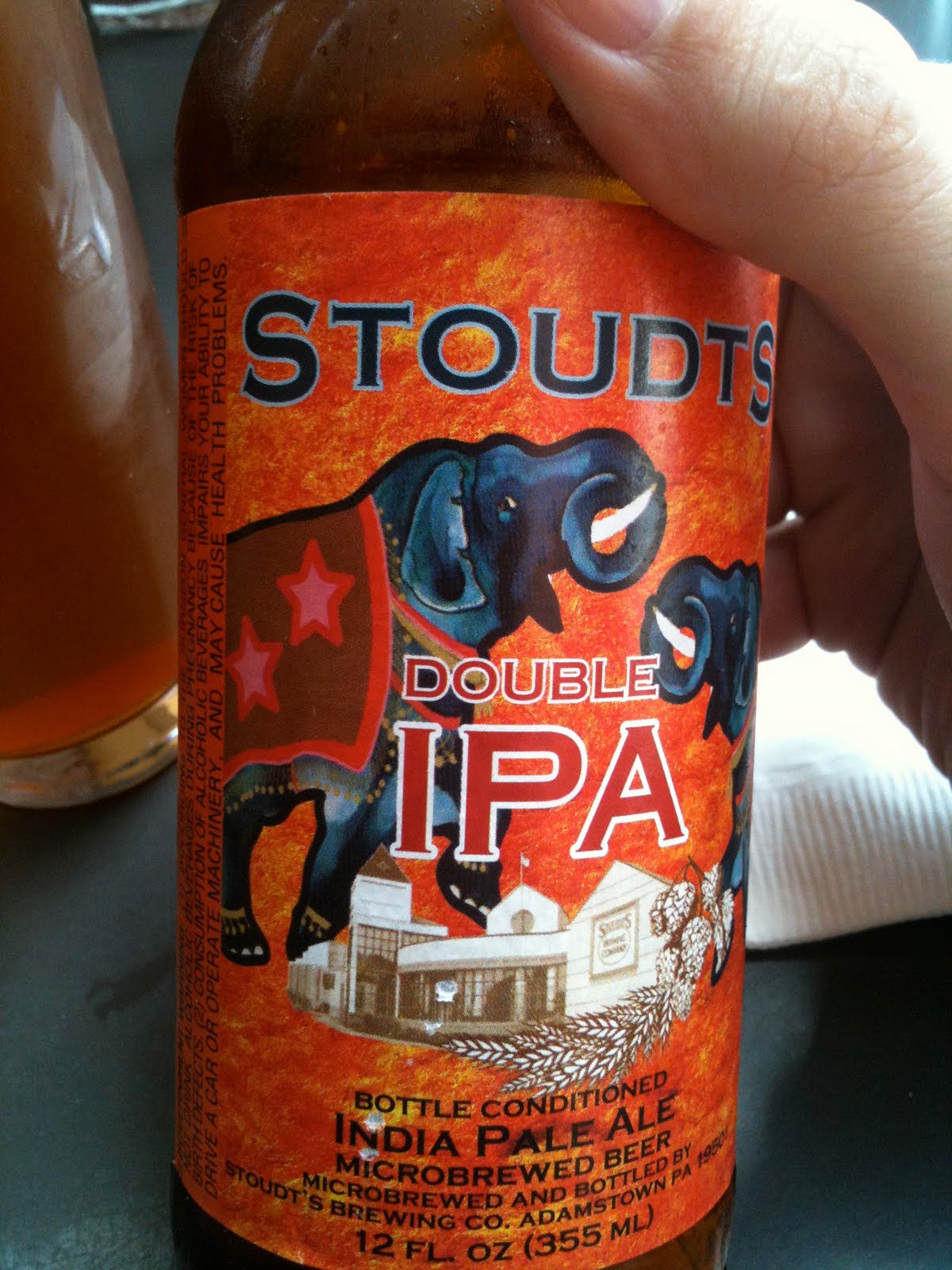
| Double / Imperial IPA | 7.5 – 10.0+ | 60 – 100+ | Intense Fruit, Dank, Floral | 6 – 15 (Golden to Orange) |
| Hazy / NEIPA | 6.0 – 8.5 | 25 – 45 | Mango, Peach, Juice-like | 3 – 7 (Straw to Yellow) |
| American Lager | 4.2 – 5.3 | 8 – 18 | Very Low, Clean, Crisp | 2 – 4 (Pale Straw) |
| Cream Ale | 4.2 – 5.6 | 8 – 20 | Low Malt, Subtle Corn | 2 – 5 (Pale Gold) |
Core Styles Driving the Global Movement
The Dominance of the American IPA
The India Pale Ale is the undisputed flagship of American beer. While the style originated in England, the American version is a different beast entirely. The West Coast IPA, characterized by its clarity and stinging bitterness, was the first to go global. However, the 2026 market is currently dominated by a hybrid approach: "Mountain Style" IPAs that combine the heavy dry-hopping of the East Coast with the clean finish and moderate clarity of the West Coast. These beers are designed for "crushability"—a term used by brewers to describe high-alcohol beers that remain easy to drink.
The Refinement of the American Pale Ale (APA)
Often overshadowed by its bigger brother, the IPA, the American Pale Ale remains the "everyday" beer of the craft world. It is the style that introduced the world to the Cascade hop. In 2026, the APA is seeing a resurgence as consumers look for lower-alcohol options (sessionability) without sacrificing the complex hop aromas they have grown to love. It serves as the perfect entry point for those transitioning from mass-market lagers to the world of "cervejas americanas."
The Evolution of American Lagers
Perhaps the most surprising development by 2026 is the "Craft Lager" movement. For decades, American lagers were dismissed by enthusiasts as "watery." Today, craft brewers have reclaimed the style, using high-quality pilsner malts and even dry-hopping lagers to create "IPLs" (India Pale Lagers). This has bridged the gap between the traditional lager drinker and the craft enthusiast, making the American beer portfolio more diverse than ever.
Sustainability and Innovation in 2026
As of 2026, the rise of American beers is no longer just about flavor—it is about the ethics of production. The American brewing industry has led the way in sustainable practices, which has become a major selling point for "cervejas americanas" in eco-conscious markets.
- Regenerative Hop Farming: Many of the top hop suppliers in the U.S. have moved toward regenerative agriculture, reducing synthetic inputs and focusing on soil health. This has resulted in "Carbon Neutral" certifications for several high-profile American hop varieties.
- Water Reclamation: In drought-prone areas like California and Colorado, breweries have implemented advanced water-scrubbing technologies, allowing them to use significantly less water per gallon of beer produced compared to the global average.
- CO2 Capture: Innovative American breweries are now capturing the carbon dioxide produced during fermentation to carbonate their own beers, reducing their reliance on industrial gas and lowering their carbon footprint.
These innovations have made American beer a leader in "green" manufacturing, a factor that increasingly influences purchasing decisions in the European Union and other regulated markets.
Challenges and Market Saturation
Despite the global rise of American styles, the industry faces significant hurdles in 2026. The "hype cycle" that once drove the industry—where consumers would wait in line for hours for a specific can release—has largely cooled. The market is now in a period of consolidation.
- Shelf Stability: The very thing that makes American IPAs great—fresh hops—is also their greatest weakness. Hop aromatics degrade quickly. International distributors have had to invest heavily in "cold chain" logistics (refrigerated shipping and storage) to ensure that a "cerveja americana" in Brazil tastes the same as it did at the brewery in Oregon.
- Economic Pressures: Rising costs of aluminum, grain, and labor have forced many smaller "American-style" breweries to pivot toward taproom-only models, making it harder for new brands to achieve the global reach seen a decade ago.
- The Rise of Non-Alcoholic (NA) Craft: By 2026, the fastest-growing segment within the American beer category is non-alcoholic craft beer. Using vacuum distillation and specialized yeast strains, American brewers are now producing NA IPAs that are virtually indistinguishable from their alcoholic counterparts, challenging the very definition of what a "beer" is.
Frequently Asked Questions
What is the difference between a "cerveja americana" and a traditional European beer?
Traditional European beers often prioritize malt balance (sweetness/grain) and yeast character (spiciness/fruitiness). American beers typically prioritize hop aromatics and bitterness. While a German Pilsner is crisp and floral, an American Lager or Pale Ale will likely have more aggressive citrus or tropical notes due to the specific hop varieties used.
Why is the term "cervejas americanas" used in non-English speaking countries?
The term is used to categorize beers that follow the American craft brewing tradition. Much like "Belgian-style" refers to beers with specific yeast profiles, "American-style" or "cervejas americanas" signals to the consumer that the beer will be hop-forward, often higher in ABV, and inspired by U.S. craft innovations rather than local historical recipes.
Are American beers always more bitter?
Not necessarily. While the West Coast IPA is known for high bitterness (IBUs), the New England/Hazy IPA—a staple of the American movement—is known for a soft, low-bitterness profile with an emphasis on fruit-juice aromatics. The American category also includes very light lagers and cream ales with very low bitterness.
How should I store American-style beers to maintain quality?
"Cervejas americanas," particularly IPAs and Pale Ales, must be kept cold and consumed fresh. Hop oils are highly volatile and sensitive to heat and light. For the best experience, store these beers in a refrigerator at 3–7°C (38–45°F) and check the "canned on" date; most are best consumed within 90 days of packaging.
Is the "Hazy IPA" still popular in 2026?
Yes, the Hazy IPA remains a dominant force, but it has evolved. In 2026, brewers are focusing more on "bio-transformation"—the interaction between yeast and hops—to create more stable and complex tropical flavors without the "yeast bite" or heavy sediment seen in earlier versions of the style.
Recommended Next Actions for Enthusiasts
For those looking to explore the rise of "cervejas americanas," the best course of action is to seek out a local craft beer cellar that specializes in cold-chain imports. Start by comparing a classic American Pale Ale with a modern Hazy IPA to understand the spectrum of hop expression. Furthermore, look for local breweries in your region that identify as "American-style"; these often provide the freshest representation of the style using locally available water and imported American hops. Finally, consider attending a sanctioned beer competition or tasting event, where the technical differences between these styles are often highlighted by certified judges.