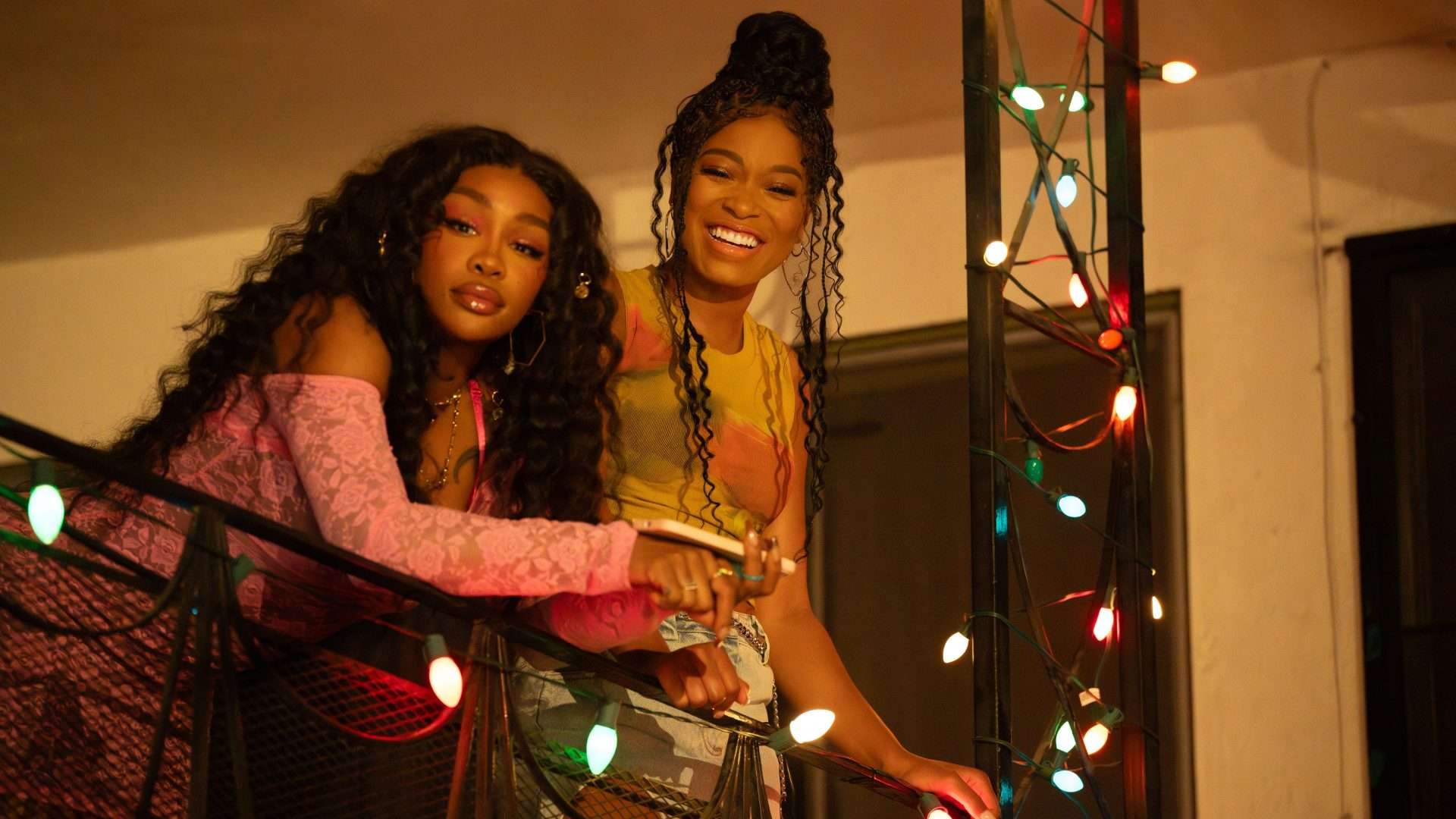
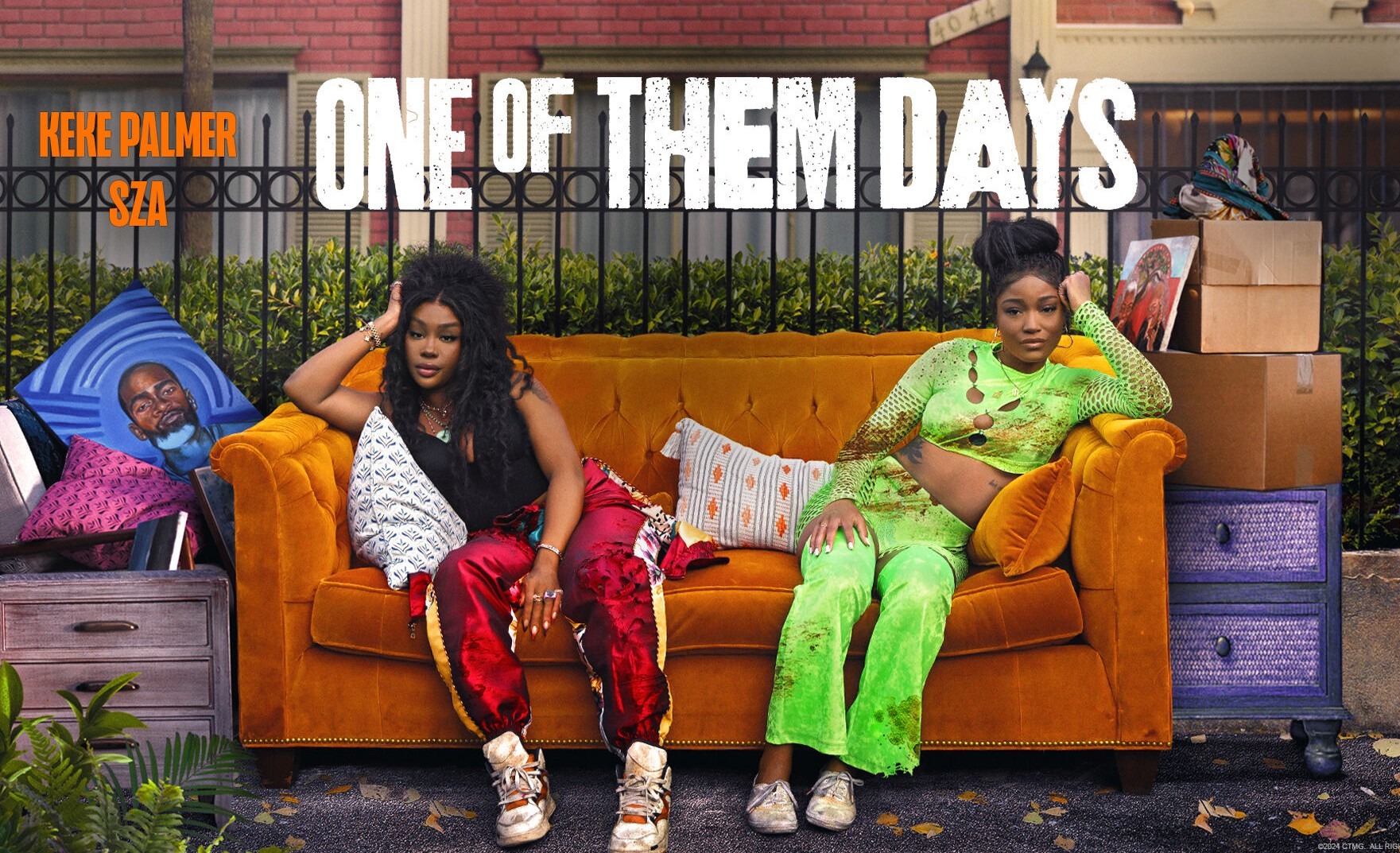
The phrase "Alyssa on one of them days" refers to a specific style of digital content popularized by influencer Alyssa McKay, characterized by unfiltered, high-frequency vlogging that documents chaotic, emotionally taxing, or "relatable" daily struggles. In 2026, this format represents a significant shift from polished "aesthetic" content toward a "raw" vlogging style that prioritizes parasocial intimacy and authenticity over professional production values.
The Cultural Significance of "One of Them Days"
The term "one of them days" is a colloquialism deeply embedded in American vernacular, typically used to describe a period when everything seems to go wrong or when one is feeling particularly overwhelmed. When applied to Alyssa McKay—a creator who has built a massive following on platforms like Snapchat, TikTok, and YouTube—it becomes a brand identifier for a specific type of storytelling.
In the landscape of 2026, digital audiences have largely moved away from the "curated perfection" that dominated the early 2020s. Instead, viewers gravitate toward creators who are willing to show the "messy" side of life. "Alyssa on one of them days" encapsulates this movement, serving as a shorthand for content that features the creator in a state of vulnerability, disarray, or mundane frustration. This approach leverages the "POV" (Point of View) format to make the viewer feel like a close friend or confidant rather than a distant consumer.
The Origins of the Content Style
To understand why "one of them days" resonates, one must look at the evolution of Alyssa McKay’s career. Originally an actress, McKay transitioned into full-time content creation, identifying a gap in the market for high-volume, narrative-driven vlogging. Unlike traditional YouTubers who might post one highly edited video a week, McKay utilized Snapchat’s "Stories" feature to post dozens, sometimes hundreds, of short clips daily.
This high-frequency posting created a real-time narrative. When a "one of them days" cycle begins, the audience follows the progression of a bad mood or a series of unfortunate events from morning until night. This creates a sense of temporal continuity that traditional media cannot replicate. By 2026, this "constant stream" model has become the gold standard for influencers looking to maximize engagement and ad revenue through platform-specific monetization programs like the Snapchat Spotlight.
Analyzing the Components of "Relatable" Vlogging
The success of "Alyssa on one of them days" is not accidental; it relies on several specific content pillars that foster a deep connection with the audience. These pillars include emotional transparency, the "anti-aesthetic" visual style, and the linguistic markers of Gen Z and Alpha communication.
Emotional Transparency and Vulnerability
In these videos, the subject often discusses mental health, burnout, or personal insecurities. By labeling a video as being about "one of them days," the creator sets an expectation of emotional honesty. This transparency serves a dual purpose: it humanizes the influencer, who may otherwise live a lifestyle far beyond the means of the average viewer, and it provides a cathartic experience for the audience.
Psychologically, this taps into "downward social comparison." When viewers see a successful influencer struggling with the same mundane problems they face—such as a messy house, car trouble, or a bad breakout—it reduces the pressure they feel to be perfect. In 2026, this has been termed "vulnerability baiting" by some critics, but for the core audience, it remains a vital source of community and shared experience.
The Anti-Aesthetic Movement
For years, social media was dominated by the "Clean Girl" aesthetic—slicked-back hair, minimalist interiors, and perfectly organized lives. "Alyssa on one of them days" is the direct antithesis of this. The visual cues often include:
- Unstyled appearance: Pajamas, messy hair, and no makeup.
- Cluttered environments: Unmade beds, piles of laundry, or a messy kitchen.
- Handheld camera work: Shaky, unedited footage that emphasizes the "realness" of the moment.
This "anti-aesthetic" is a deliberate choice. It signals to the viewer that the content is urgent and unplanned, even if the creator is technically professional and knows exactly how to frame the chaos for maximum impact.
Platform Mechanics: Why Snapchat and TikTok?
The "one of them days" format thrives on specific platforms because of their algorithmic and structural designs. While YouTube is better for evergreen, long-form content, Snapchat and TikTok are designed for the "now."
Snapchat’s Role in Narrative Vlogging
Snapchat is the primary engine for this type of content. The platform's structure allows for a chronological sequence of short videos that expire after 24 hours. This creates an "appointment viewing" culture. Fans check in throughout the day to see if "Alyssa is having one of them days," much like they would check in on a friend.
Furthermore, Snapchat’s monetization model in 2026 rewards creators for the volume of snaps they post and the "completion rate" of their stories. By creating a compelling "one of them days" narrative arc, creators ensure that viewers tap through every single clip, significantly increasing their revenue.
TikTok and the Viral "POV"
On TikTok, the "one of them days" content is often condensed into 60-second sketches or montages. Here, the focus is on the "POV" (Point of View) caption. A video might be titled "POV: You’re having one of them days with Alyssa," which immediately places the viewer in the scene. TikTok’s algorithm pushes these videos to users who have previously engaged with "relatable" or "lifestyle" content, expanding the reach of the brand beyond the core fan base.
Comparison: Authentic Vlogging vs. Curated Content
To better understand where "Alyssa on one of them days" fits into the broader media landscape, it is helpful to compare it to other popular vlogging styles.
| Feature | Authentic/Relatable Vlogging | Curated/Aesthetic Vlogging |
|---|---|---|
| Primary Goal | Emotional connection and relatability | Aspirational lifestyle and inspiration |
| Editing Style | Minimal, jump cuts, raw audio | High-production, color grading, music overlays |
| Frequency | Multiple times per day (high volume) | Weekly or bi-weekly (high quality) |
| Visual Cues | "The Messy Girl," pajamas, clutter | "The Clean Girl," minimalist, organized |
| Audience Relationship | Parasocial "best friend" dynamic | Admirer/Fan relationship |
| Monetization | Volume-based (Snapchat/TikTok) | Brand deals and YouTube AdSense |
The Impact on the Influencer Economy in 2026
The "one of them days" phenomenon has fundamentally changed how influencers approach brand partnerships. In the past, brands only wanted to be associated with perfection. However, in 2026, brands have realized that the highest conversion rates often come from the most "authentic" moments.
When Alyssa McKay mentions a specific skincare product or a comfort food during "one of them days," it feels like a recommendation from a friend rather than a paid advertisement. This "organic integration" is highly valuable. Agencies now look for creators who can maintain a high level of trust during their "low" moments, as these are the times when their audience is most engaged and emotionally receptive.
Technical Depth: The Logistics of High-Frequency Vlogging
While the content looks "unplanned," the logistics of maintaining this style are immense. To document "one of them days" effectively, a creator must:
- Maintain "Always-On" Awareness: The creator must be ready to film even when they are genuinely upset or busy.
- Manage Data and Storage: Uploading 100+ high-definition clips a day requires significant bandwidth and cloud storage management.
- Engage in Narrative Pacing: Even a "messy" day needs a beginning, middle, and end to keep viewers interested. The creator must decide which moments of the struggle are "entertaining" and which are too personal.
Common Criticisms and Challenges
Despite its popularity, the "Alyssa on one of them days" style of content faces several challenges and criticisms in the 2026 digital landscape.
The Authenticity Paradox
The most frequent criticism is the "Authenticity Paradox." If a creator is filming their "breakdown" or their "messy house," is the experience still authentic? The act of picking up a camera, framing a shot, and thinking about the caption inherently changes the nature of the moment. Critics argue that "relatability" has become a performance in itself, where creators compete to see who can appear the most "unfiltered."
Privacy and Burnout
Living life in a constant "POV" state takes a toll on the creator’s mental health. Documenting a "bad day" for millions of people means that the creator never truly gets a break from their "work" persona. In 2026, we have seen an increase in influencer burnout specifically among those who use the high-frequency vlogging model. The pressure to always have a "narrative," even when one just wants to be alone, is a significant occupational hazard.
How to Navigate "Relatable" Content as a Viewer
For viewers who enjoy "Alyssa on one of them days" or similar content, it is important to maintain a healthy perspective on the nature of digital media.
- Recognize the Narrative: Understand that even "raw" content is a choice. You are seeing a curated version of a "bad day."
- Avoid Excessive Parasocial Investment: While it feels like you are "going through it" with the creator, remember that the relationship is one-sided.
- Balance with Educational Content: High-frequency vlogging can be addictive. Balancing this "fast-food" style of media with more long-form or educational content can prevent digital fatigue.
FAQs
Who is Alyssa McKay and why is she associated with this phrase?
Alyssa McKay is a prominent social media influencer and actress known for her prolific vlogging on Snapchat and TikTok. She became a leading figure in the "relatable vlogging" movement by sharing every aspect of her life, including the days when she is overwhelmed, which fans often refer to as her being "on one of them days."
Is "one of them days" content scripted?
Generally, this type of content is not scripted in the traditional sense, but it is "produced." The creator decides which moments to show and how to frame them to create a compelling story. While the emotions may be real, the presentation is designed for maximum audience engagement.
Where can I watch "Alyssa on one of them days" videos?
The most comprehensive versions of this content are typically found on Alyssa McKay’s Snapchat Stories, where she posts in real-time. Shorter, highlight versions or related "POV" sketches are frequently posted to her TikTok and YouTube Shorts accounts.
Why do people find watching someone have a bad day entertaining?
It stems from a psychological need for relatability. Seeing a successful, famous person navigate mundane or emotional struggles makes viewers feel less alone in their own difficulties. It creates a sense of community and humanizes the digital figures they follow.
What are the risks of this vlogging style for the creator?
The primary risks include severe burnout, loss of personal privacy, and the "authenticity paradox," where the creator feels they must perform "unfilteredness" to stay relevant, potentially damaging their actual mental well-being.
Practical Recommendation: Finding Balance in Vlogging
For aspiring creators looking to emulate the "Alyssa on one of them days" style, the key is selective vulnerability. You do not need to show every single moment of your life to be relatable. Choose specific, universal struggles—like being tired after a long day or dealing with a minor inconvenience—to share with your audience. This allows you to build a connection without sacrificing your entire private life to the algorithm.
In 2026, the most sustainable creators are those who have "one of them days" with their audience but also know when to put the camera down and experience their lives privately. Authenticity is a powerful tool, but it should never come at the expense of your actual mental health.