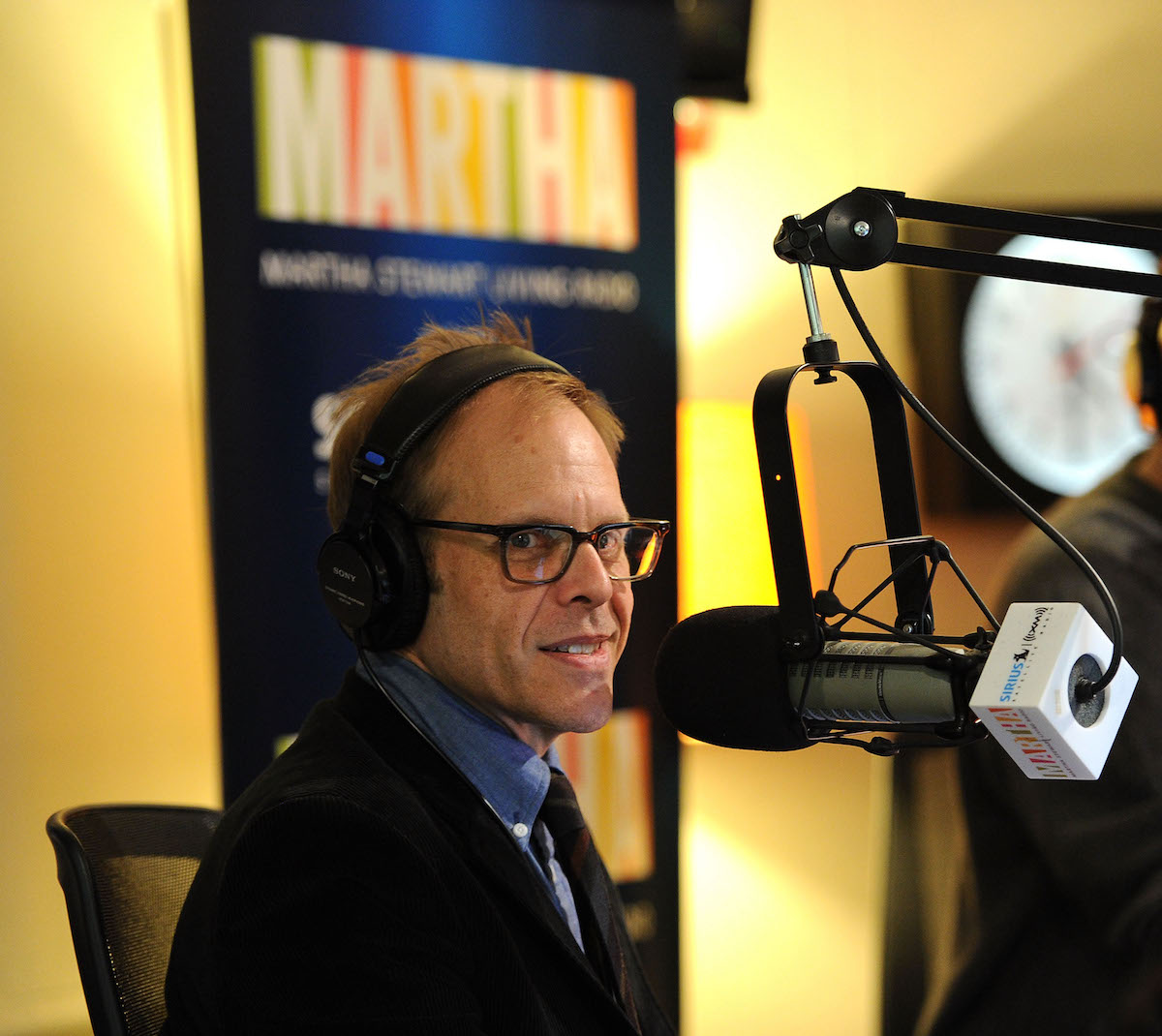
In late 2010, Alton Brown embarked on a high-profile national book tour to promote Good Eats 2: The Middle Years. This tour visited major U.S. cities, featuring massive book signings at retailers like Barnes & Noble and Williams-Sonoma, where Brown engaged with thousands of fans through his signature blend of culinary science and wit.
The Significance of the 2010 Book Tour
The year 2010 represented a pivotal era for Alton Brown and the Food Network. By this time, Good Eats had evolved from a quirky, low-budget instructional show into a cultural phenomenon that fundamentally changed how Americans approached their kitchens. The 2010 book tour was more than a simple promotional circuit; it was a victory lap for the "Middle Years" of the series, covering the creative peak of seasons seven through ten.
For fans, the tour offered a rare opportunity to interact with the man who made food science accessible. Unlike traditional celebrity chefs who focused on lifestyle and "easy" meals, Brown’s brand was built on the "why" of cooking. This intellectual approach fostered a deeply loyal fan base, many of whom were willing to wait in lines for six to eight hours during the 2010 tour stops. The tour helped solidify the book's status as a New York Times bestseller, proving that the demand for technical, science-heavy culinary literature was significant.
Understanding the Subject: Good Eats 2: The Middle Years
To understand the 2010 tour, one must understand the product at its center. Good Eats 2: The Middle Years was the second installment in a trilogy of books designed to document the entire run of the television show. Published by Stewart, Tabori & Chang, the book was a massive, 400-plus page tome that functioned as both a cookbook and a behind-the-scenes encyclopedia.
Content and Structure
The book covered episodes ranging from "The Egg Files" to "Caseus Irae" (the cheese episode). Each chapter corresponded to a specific episode, providing:
- Revised Recipes: Brown took the opportunity to update and "fix" recipes that had been featured on the show years prior.
- Science Sidebars: Deep dives into the chemical reactions and physical properties of ingredients.
- Production Notes: Insights into the props, cameras, and "sock puppet" segments that defined the show’s aesthetic.
- The "Knowledge": Snippets of history and lore that didn't make the final cut of the 22-minute television episodes.
Technical Design
The book was noted for its high production value. It utilized a layout that mimicked the frantic, information-dense style of the show, using various fonts, callout boxes, and high-quality photography. For fans in 2010, owning the book was like owning a piece of the show's script and production bible combined.
Logistics of the 2010 Tour: Cities and Formats
The 2010 tour was strategically designed to hit major metropolitan hubs where Food Network viewership was highest. While the schedule was grueling, it followed a standardized format to ensure that as many fans as possible could get their books signed.
Standard Tour Stop Protocol
Due to the sheer volume of attendees, the 2010 tour stops were famous for their efficiency. Brown and his team implemented several "rules" to keep the lines moving, which became part of the tour’s lore:
- The Post-it Note Rule: Fans were required to have a Post-it note on the title page with the name they wanted the book inscribed to. This prevented spelling errors and saved precious seconds.
- The "No Memorabilia" Policy: To ensure everyone in line had a chance, Brown generally only signed copies of his books (specifically Good Eats 2 and the previous volume), rather than spatulas, pans, or DVDs.
- The Photo Policy: While fans could take photos from the line, "posed" photos behind the table were often restricted to keep the pace steady.
Key Locations and Retailers
The tour focused on a mix of independent bookstores and large national chains. Major stops included:
- New York City: Events at the Union Square Barnes & Noble often drew the largest crowds, sometimes stretching around the block.
- Atlanta: As Brown’s home base, the Atlanta stops were particularly high-energy, often involving local media coverage.
- Los Angeles: Signings at "The Grove" were notable for celebrity sightings and high-profile production value.
- Chicago and Seattle: These cities saw record-breaking turnouts for culinary book events, highlighting the "foodie" culture of the Pacific Northwest and the Midwest.
Comparison of the Good Eats Book Series
The 2010 tour was the middle chapter of a larger publishing project. Comparing the volumes helps illustrate why the 2010 release was so anticipated.
| Feature | Good Eats 1: The Early Years (2009) | Good Eats 2: The Middle Years (2010) | Good Eats 3: The Later Years (2011) |
|---|---|---|---|
| TV Seasons Covered | Seasons 1–6 | Seasons 7–10 | Seasons 11–14 |
| Primary Focus | Establishing the "Science" format | Refining techniques & complex builds | Global flavors and advanced tech |
| Key Recipes | Roast Turkey, Pizza, Steaks | French Onion Soup, Crepes, Biscuits | Molecular Gastronomy, Special Diets |
| Page Count | ~400 Pages | ~400 Pages | ~400 Pages |
| Tour Intensity | Moderate | Very High (Peak Popularity) | High |
The "Alton Brownography" and Digital Strategy in 2010
The 2010 tour was significant because it occurred right as social media was beginning to transform celebrity-fan interactions. Alton Brown was an early adopter of Twitter (now X), and he used the platform during the 2010 tour in ways that were revolutionary for the time.
He would tweet live updates about line lengths, share "behind-the-scenes" photos of his travel gear (he is a noted photography and aviation enthusiast), and interact with fans who were waiting in line. This digital engagement created a "community" feel for the tour. Fans weren't just waiting for a signature; they were part of a live, digital event.
The Gear and the Aesthetic
During the 2010 tour, Brown was frequently seen with his personal camera equipment. His interest in the technical side of media—cameras, lenses, and lighting—often became a topic of conversation with fans in line. This reinforced his image not as a "TV personality" who showed up and read lines, but as a creator who was intimately involved in every technical aspect of his brand.
Challenges and Troubleshooting During the Tour
Despite the careful planning, the 2010 tour faced logistical hurdles. The primary issue was the "capacity gap." In several cities, the number of fans far exceeded the venue's capacity or the time allotted for the signing.
- Sold-out Events: Many bookstores required the purchase of the book from that specific location to receive a wristband for the signing. In 2010, these wristbands often sold out weeks in advance.
- Fatigue: Signing books for six hours straight is physically demanding. Brown often spoke in later interviews about the toll these tours took on his hands and back, leading him to develop more efficient signing techniques and ergonomic setups for subsequent tours.
- Weather and Travel: Late 2010 saw several winter storms that impacted the East Coast and Midwest legs of the tour, requiring last-minute rescheduling and testing the patience of the fan base.
Legacy: From Book Signings to Live Stage Shows
The success of the 2010 book tour served as a proof-of-concept for Brown’s future endeavors. He realized that his audience was hungry for a live experience that went beyond just watching him on a screen or reading his words.
The massive turnouts in 2010 directly paved the way for his later live variety shows:
- Edible Inevitable Tour: This incorporated music, science experiments, and food, moving from bookstores to large theaters.
- Eat Your Science: The follow-up tour that further refined the "culinary variety show" format.
Without the data and fan engagement gathered during the Good Eats 2 tour in 2010, the shift toward large-scale theatrical culinary performances might never have happened. The 2010 tour proved that Alton Brown was a "bankable" live draw, capable of filling venues based on his name and intellectual brand alone.
Frequently Asked Questions
Which book was Alton Brown promoting during his 2010 tour?
He was primarily promoting Good Eats 2: The Middle Years. This book covers seasons seven through ten of his hit Food Network show, Good Eats. It was released in October 2010 and immediately became a central focus of his public appearances and media interviews throughout the remainder of that year.
Did Alton Brown sign other items besides his new book on the 2010 tour?
Generally, no. To ensure that the maximum number of people could move through the line, the tour enforced a strict "books only" policy. In most cases, he would sign copies of Good Eats 2 and the previous volume, Good Eats 1: The Early Years, but fans were discouraged from bringing memorabilia, kitchen equipment, or other personal items.
How long were the wait times for the 2010 book signings?
Wait times varied by city, but for major metropolitan areas like New York, Chicago, and Atlanta, fans frequently reported waiting between four and eight hours. Because of these long waits, many venues implemented wristband systems where fans had to purchase the book in advance to secure a spot in the signing line.
Was the 2010 tour limited to the United States?
Yes, the 2010 tour for Good Eats 2 was almost exclusively focused on the United States. While Brown has an international fan base, the logistics of the book release and the partnership with the Food Network (which was primarily U.S.-based at the time) dictated a domestic schedule.
Are the books from the 2010 tour still available?
While the first editions signed during the 2010 tour are now collector's items, the content itself remains available. The Good Eats book trilogy is still in print and remains a foundational resource for home cooks. As of 2026, many fans still seek out the 2010 "Middle Years" volume for its detailed breakdown of the show's most iconic "science-heavy" episodes.
Practical Recommendation for Collectors
If you are looking to acquire a signed copy of the book from the 2010 tour, pay close attention to the inscription. During that specific tour, Brown almost always used a black permanent marker and often included a brief, witty remark or a small drawing if the line was moving slowly enough.
Because of the "Post-it Note Rule" used during the 2010 tour, most signed copies from this era are personalized to a specific name. Non-personalized (signature only) copies from the 2010 tour are rarer and generally command a higher price on the secondary market. Always verify the provenance of the signature by checking if the bookstore's original receipt or a "Signed by the Author" sticker from a reputable retailer like Barnes & Noble is included.