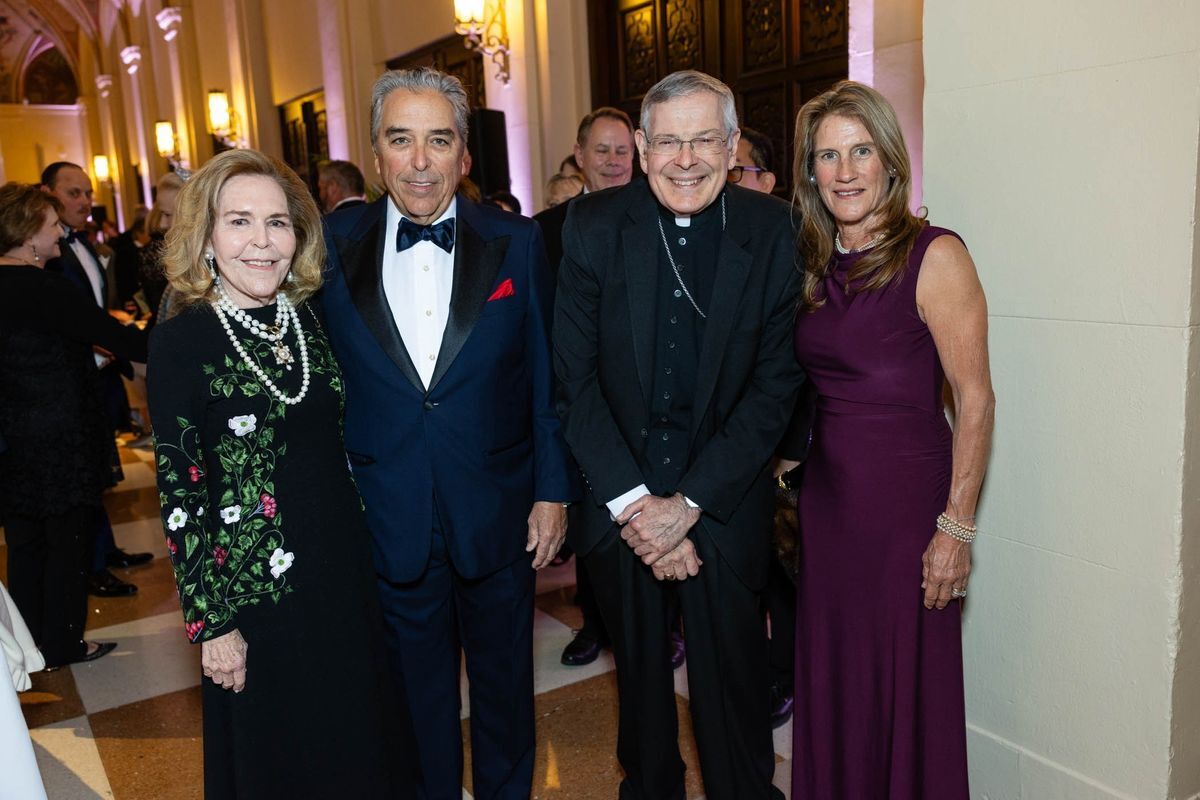
Alfy Fanjul, the chairman and CEO of Fanjul Corp, maintains an estimated individual net worth of approximately $1.2 billion to $1.5 billion as of 2026, while his family’s collective wealth is estimated to exceed $8 billion. This fortune is anchored in a vast, vertically integrated sugar and real estate empire spanning the United States, the Caribbean, and Europe.
Alfonso "Alfy" Fanjul Jr. is the eldest of the four Fanjul brothers—including Pepe, Alexander, and Andres—who transformed a displaced Cuban sugar dynasty into a global powerhouse. Often referred to as the "Sugar Kings," the family controls massive swaths of land and the infrastructure required to process, refine, and distribute sugar on a scale few other private entities can match. Understanding Alfy Fanjul’s net worth requires a deep dive into the private holdings of the Fanjul Corporation, the political influence that protects their interests, and the diversified assets that keep the family at the pinnacle of global wealth.
The Foundation of the Fanjul Business Empire
The wealth associated with Alfy Fanjul is not tied to a single publicly traded stock ticker but is instead distributed across several massive private entities. Because these companies are not required to disclose their full financials to the public, net worth estimations rely on land valuations, production capacities, and market shares in the global sugar trade.
Florida Crystals Corporation
Alfy Fanjul serves as the primary leader of Florida Crystals, headquartered in West Palm Beach. This company is the backbone of the family’s domestic operations. It owns approximately 190,000 acres of land in the Everglades Agricultural Area (EAA) of South Florida.
Florida Crystals was a pioneer in industrializing the "field-to-table" approach for sugar. They operate the first fully integrated cane sugar refinery in the United States and the country’s largest renewable energy facility of its kind, which burns bagasse (the fiber left over from sugar cane stalks) to power their milling and refining operations. The value of this land alone, given the scarcity of agricultural space in Florida and the potential for future development, contributes significantly to Alfy’s personal balance sheet.
ASR Group (American Sugar Refining)
The Fanjuls, in partnership with the Sugar Cane Growers Cooperative of Florida, own the ASR Group. This is the largest cane sugar refining company in the world. Its portfolio includes some of the most recognizable consumer brands in the industry:
- Domino Sugar: The iconic American brand.
- C&H Sugar: A staple on the U.S. West Coast.
- Redpath Sugar: A leading brand in Canada.
- Tate & Lyle Sugars: A historic European brand.
- Sidul: A major player in the Portuguese market.
By controlling the refining process, the Fanjul brothers ensure they capture profit at every stage of the supply chain, from the raw cane grown on their Florida farms to the branded bags on supermarket shelves.
Central Romana Corporation
In the Dominican Republic, the family operates Central Romana. This is arguably the most valuable single asset in their portfolio outside of the United States. It is the largest sugar producer in the country and one of its biggest employers. Beyond sugar, Central Romana is a massive diversified conglomerate that owns:
- Casa de Campo: A 7,000-acre luxury resort and gated community.
- La Romana International Airport: A private airport servicing the resort and the region.
- The Port of La Romana: A key shipping and cruise terminal.
- Extensive Real Estate: Thousands of villas and luxury developments.
Estimating the Individual Net Worth of Alfy Fanjul
While the $8 billion figure is frequently applied to the "Fanjul Brothers" as a collective unit, Alfy Fanjul’s individual portion is bolstered by his seniority and his role as the chief executive officer of the primary holding companies. In 2026, financial analysts value his stake based on the following metrics:
| Asset Category | Estimated Value (Family Total) | Alfy’s Proportional Stake & Role |
|---|---|---|
| Florida Agricultural Land | $2.5 Billion - $3 Billion | Lead Stake / CEO of Florida Crystals |
| ASR Group (Refineries) | $3.5 Billion | Co-Owner / Strategic Oversight |
| Central Romana (DR Assets) | $2.0 Billion | Lead Partner / Regional Director |
| Real Estate & Private Assets | $500 Million+ | Significant Personal Holdings in FL & DR |
The Role of Private Equity and Dividends
As the head of a private conglomerate, Alfy Fanjul’s net worth is not just about asset value but also about cash flow. The sugar industry is notoriously cyclical, yet the Fanjuls have historically benefited from U.S. federal sugar programs. These programs include price supports and import quotas that keep domestic sugar prices higher than global market prices. This "sugar subsidy" provides a stable, high-margin revenue stream that allows Alfy to reinvest in other sectors, such as high-end real estate and energy, further insulating his wealth from market volatility.
Historical Context: From Havana to Palm Beach
The story of Alfy Fanjul’s wealth is one of recovery and expansion. The Fanjul family’s history in sugar dates back to 19th-century Spain and later Cuba, where they were among the wealthiest families on the island. When the Cuban Revolution occurred in 1959, the Fanjul family's assets were nationalized by the Castro government.
Alfy, alongside his father Alfonso Sr., arrived in Florida with very little of their former fortune. However, they possessed something more valuable: technical expertise and deep industry connections. They purchased roughly 4,000 acres of land near Lake Okeechobee and began the grueling process of draining the marshy soil to grow sugarcane.
Throughout the 1960s and 70s, Alfy took the lead in aggressive expansion. He realized that the U.S. was looking for a domestic alternative to Cuban sugar. By the time he became the face of the family business, he had turned a few thousand acres into a multi-state, multi-national operation. This historical resilience is a key component of the "Fanjul brand," signaling to investors and partners that the family views their business through the lens of generations, not fiscal quarters.
Political Influence and the "Sugar Lobby"
One cannot discuss Alfy Fanjul’s net worth without addressing the political environment that sustains it. Alfy Fanjul is famously known for his deep ties to the Democratic Party, while his brother Pepe Fanjul has historically supported the Republican Party. This "hedging" strategy ensures that the family has an open door at the White House and in Congress, regardless of which party is in power.
The Clinton Connection
Alfy Fanjul’s influence reached its zenith during the Clinton administration. He was a major fundraiser for Bill Clinton. A famous anecdote from the Starr Report notes that President Clinton was interrupted during a meeting with Monica Lewinsky to take a phone call from Alfy Fanjul. This level of access is more than just social status; it is a defensive mechanism for their business. By maintaining influence over sugar policy, Alfy helps protect the regulatory environment that underpins the valuation of Florida Crystals and ASR Group.
Impact on Valuation
The "political premium" is a real factor in Alfy's net worth. If the U.S. government were to end sugar price supports, the value of the family’s Florida land and domestic refineries could see a significant downward adjustment. However, decades of successful lobbying suggest that this risk remains low, keeping the Fanjul assets among the most stable private holdings in the agricultural world.
Diversification into Luxury Real Estate and Tourism
To mitigate the risks of a commodity-based fortune, Alfy Fanjul has spearheaded massive diversification into luxury real estate. The jewel in this crown is Casa de Campo in the Dominican Republic.
Casa de Campo is not merely a hotel; it is a self-contained city for the global elite. It features three championship golf courses (including the famous "Teeth of the Dog"), a marina, an equestrian center, and hundreds of millions of dollars worth of private villas. Alfy Fanjul himself maintains a massive estate within the complex.
This diversification serves two purposes:
- Revenue Hedging: When sugar prices are low, luxury tourism and high-end real estate often remain resilient or follow a different economic cycle.
- Asset Appreciation: The land value of 7,000 acres of prime Caribbean coastline has appreciated at a rate far exceeding that of agricultural land.
Challenges and Controversies Impacting the Brand
Despite the immense wealth, Alfy Fanjul’s business practices have faced intense scrutiny, which occasionally impacts the "perceived value" of the empire and its social license to operate.
Environmental Issues in the Everglades
Florida Crystals has been a primary target for environmental groups concerned with the health of the Florida Everglades. Critics argue that the phosphorus runoff from the sugar fields contributes to toxic algae blooms and disrupts the natural water flow of the "River of Grass." While Alfy has defended the company’s environmental record and invested in water filtration technology, the ongoing legal and PR battles are a cost of doing business that requires significant legal and lobbying expenditures.
Labor Practices in the Dominican Republic
In recent years, Central Romana has faced allegations regarding labor conditions for Haitian migrant workers. In late 2022 and throughout 2023, U.S. Customs and Border Protection (CBP) issued a "Withhold Release Order" (WRO) against Central Romana sugar due to concerns over forced labor.
Under Alfy’s leadership, the company has worked to address these allegations to lift the import bans. While these issues have not bankrupted the family, they represent a significant reputational risk that can complicate international trade and banking relationships.
Succession and the Future of the Fanjul Fortune
As of 2026, Alfy Fanjul remains an active figure, but the question of succession is paramount for the long-term stability of the $8 billion family net worth. The next generation of Fanjuls—including Pepe Jr., Alfonso "Ali" Fanjul III, and Crista Fanjul—already hold senior leadership positions within Florida Crystals and the ASR Group.
Alfy’s legacy will likely be defined by his ability to transition a 20th-century agricultural giant into a 21st-century diversified conglomerate. The family has recently moved into renewable energy, organic sugar production, and tech-driven logistics. This modernization ensures that even as traditional sugar consumption patterns change due to health trends, the Fanjul infrastructure remains indispensable.
Frequently Asked Questions
What is the primary source of Alfy Fanjul’s wealth?
The primary source is his majority stake in Fanjul Corp, which owns Florida Crystals and the ASR Group (Domino Sugar). This is complemented by significant real estate holdings in Florida and the Dominican Republic.
How much land do the Fanjul brothers own?
Collectively, the brothers control over 400,000 acres of land globally, with approximately 190,000 acres in Florida and over 240,000 acres in the Dominican Republic.
Is Alfy Fanjul still the CEO of Florida Crystals?
As of 2026, Alfy Fanjul remains the Chairman and CEO of the Fanjul Corporation, the parent organization, while younger members of the family have taken on day-to-day executive roles at Florida Crystals.
Does Alfy Fanjul have public stock?
No. The Fanjul businesses are private. This means Alfy Fanjul does not have a "stock price" that fluctuates on the NYSE, making his wealth more stable and less transparent than that of public tech billionaires.
Why are the Fanjul brothers called the "Sugar Kings"?
The title was inherited from their family’s dominance in the Cuban sugar industry prior to 1959 and solidified by their successful rebuilding of that dominance in the United States and the Caribbean.
What is Alfy Fanjul’s connection to the Clinton family?
Alfy Fanjul was a prominent donor and fundraiser for Bill Clinton’s presidential campaigns. He was considered a close advisor on Caribbean issues and maintained a high level of personal access to the Clinton White House.
Practical Recommendation: Understanding Private Wealth Analysis
For those researching high-net-worth individuals like Alfy Fanjul, it is essential to distinguish between liquid assets (cash and stocks) and fixed assets (land and refineries). Alfy Fanjul’s wealth is heavily tied to the latter. If you are looking to track the Fanjul fortune, monitor U.S. Farm Bill negotiations and global sugar trade agreements, as these regulatory shifts have a far greater impact on his net worth than traditional market swings.