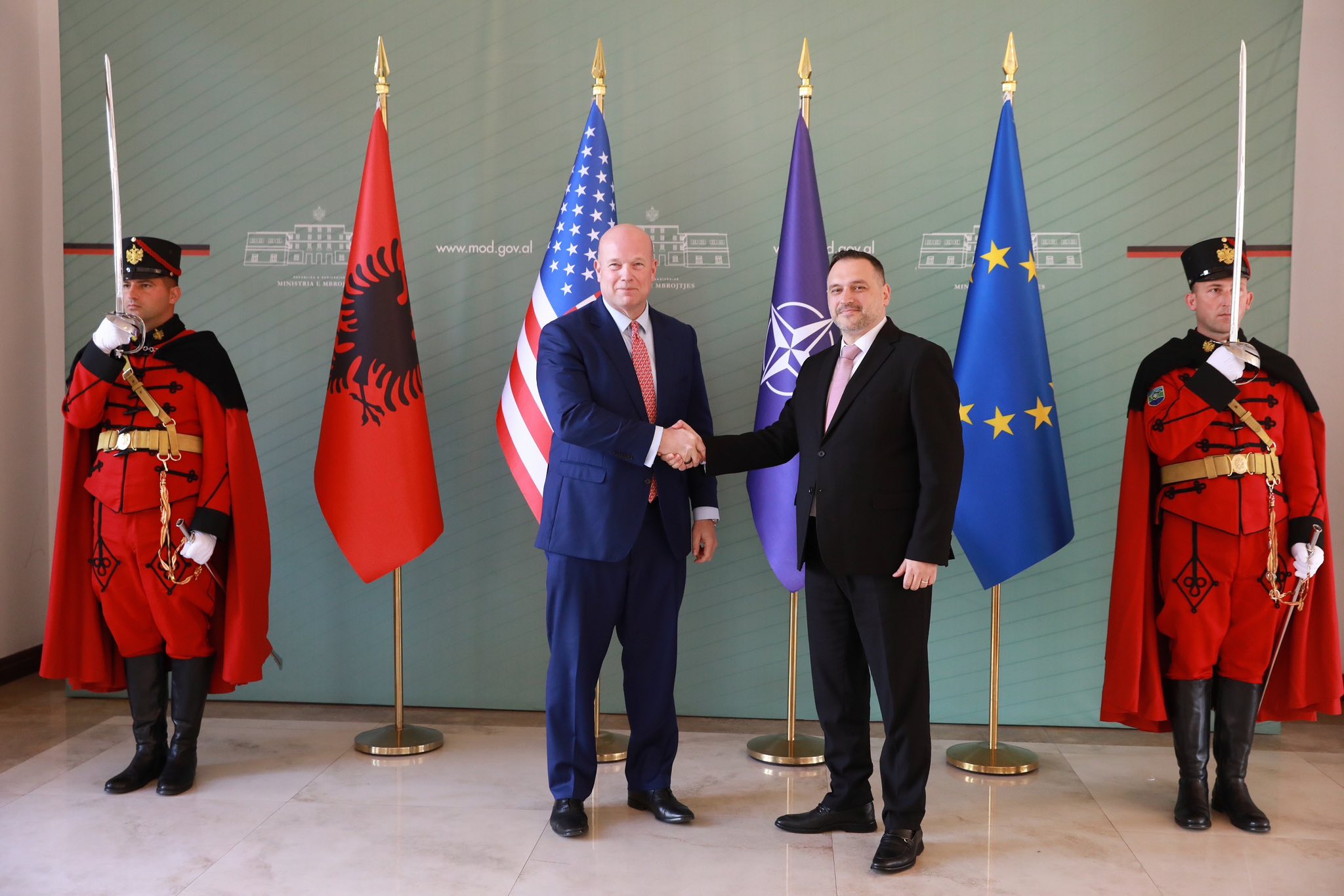
Albania officially became a member of NATO on April 1, 2009, marking a transformative milestone in its post-communist history. Over the past 17 years, the country has transitioned from a security consumer to a proactive contributor, modernizing its military forces and hosting critical strategic infrastructure like the Kuçovë Air Base to bolster regional stability.
The Long Journey to Accession (1992–2009)
Albania’s path to the North Atlantic Treaty Organization was not an overnight achievement but the result of nearly two decades of intensive institutional, legal, and military reforms. Following the collapse of one of the world's most isolationist communist regimes in the early 1990s, Albania looked toward Euro-Atlantic integration as a primary guarantee for its national security and democratic stability.
In 1992, Albania became the first former communist country to apply for membership in the North Atlantic Cooperation Council. This was followed by joining the Partnership for Peace (PfP) program in 1994, which provided the framework for the Albanian Armed Forces (AAF) to begin aligning with Western operational standards. The civil unrest of 1997, triggered by the collapse of pyramid schemes, briefly stalled progress, but it also underscored the urgent need for a professionalized military under civilian control.
The most critical phase began in 1999 when Albania was granted the Membership Action Plan (MAP). This roadmap required the country to meet specific benchmarks in five areas: political and economic issues, military and defense issues, resource issues, security issues, and legal issues. Throughout the early 2000s, Albania served as a vital logistical hub for NATO operations in Kosovo (KFOR), demonstrating its strategic value even before official entry. At the April 2008 Bucharest Summit, Albania received the formal invitation to join, leading to the deposition of the instrument of accession in Washington D.C. on April 1, 2009.
Structural Transformation of the Albanian Armed Forces
Since 2009, the primary objective of the Albanian Ministry of Defense has been the complete transformation of its military from a massive, ill-equipped conscript force into a lean, professional, and highly mobile volunteer force. This shift was necessitated by the "Smart Defense" concept championed by NATO, which encourages smaller nations to specialize in niche capabilities rather than maintaining a full-spectrum military.
Decommissioning Soviet-Era Hardware
At the time of its entry, Albania possessed a vast but obsolete inventory of Soviet and Chinese military hardware, including Type 59 tanks and MiG-15/19 fighters. Since 2009, the AAF has undergone a systematic decommissioning process. This was not merely about scrapping old metal; it involved the hazardous disposal of thousands of tons of surplus ammunition, a process supported by various NATO agencies to prevent industrial accidents and illicit trafficking.
Modernization and Interoperability
Integration into NATO required Albania to adopt the Standardized Agreements (STANAGs). This meant updating communication systems, adopting English as the operational language for command staff, and procuring Western-standard weaponry. Today, the Albanian Land Forces utilize modern equipment such as the Beretta ARX-160 assault rifle and International MaxxPro MRAP vehicles.
In terms of aviation, the focus shifted from fixed-wing combat aircraft to rotary-wing utility. The Air Force now operates a fleet consisting of Eurocopter AS532 Cougar and Sikorsky UH-60 Black Hawk helicopters. These assets are vital not only for military operations but also for civil emergencies, search and rescue, and medical evacuations—tasks that Albania frequently performs as part of its domestic mandate.
The Strategic Importance of the Kuçovë Air Base
As of 2026, one of the most tangible symbols of Albania's NATO membership is the Tactical Air Base in Kuçovë. Originally built in the 1950s, the base underwent a comprehensive €50 million renovation funded by NATO’s Security Investment Programme (NSIP), with additional support from the Albanian government.
The revitalization of Kuçovë, which saw its official reopening as a NATO tactical hub in 2024, serves several strategic purposes:
- Logistical Support: It provides a secure location for NATO transport aircraft to refuel and store supplies, facilitating rapid deployment across the Western Balkans.
- Air Policing: The base supports NATO’s Integrated Air and Missile Defense System. Since Albania does not possess its own fighter jets, its airspace is protected through the NATO Air Policing mission, primarily conducted by the Italian and Greek Air Forces. Kuçovë offers a local platform to enhance the responsiveness of these missions.
- Training and Exercises: The facility features modernized runways, control towers, and hangars capable of hosting international drills, fostering higher levels of interoperability between Albanian forces and their allies.
Albania’s Contributions to Global Security Operations
Membership in NATO is a reciprocal arrangement. While Albania benefits from the Article 5 collective defense guarantee, it has consistently contributed to missions far beyond its borders. These deployments have been instrumental in proving that Albania is a "provider" of security.
ISAF and Resolute Support (Afghanistan)
From the early 2000s until the withdrawal in 2021, Albanian troops were a constant presence in Afghanistan. Initially part of the International Security Assistance Force (ISAF) and later the Resolute Support Mission, Albanian special forces and military police were tasked with high-stakes roles, including base security and training Afghan security forces.
KFOR (Kosovo)
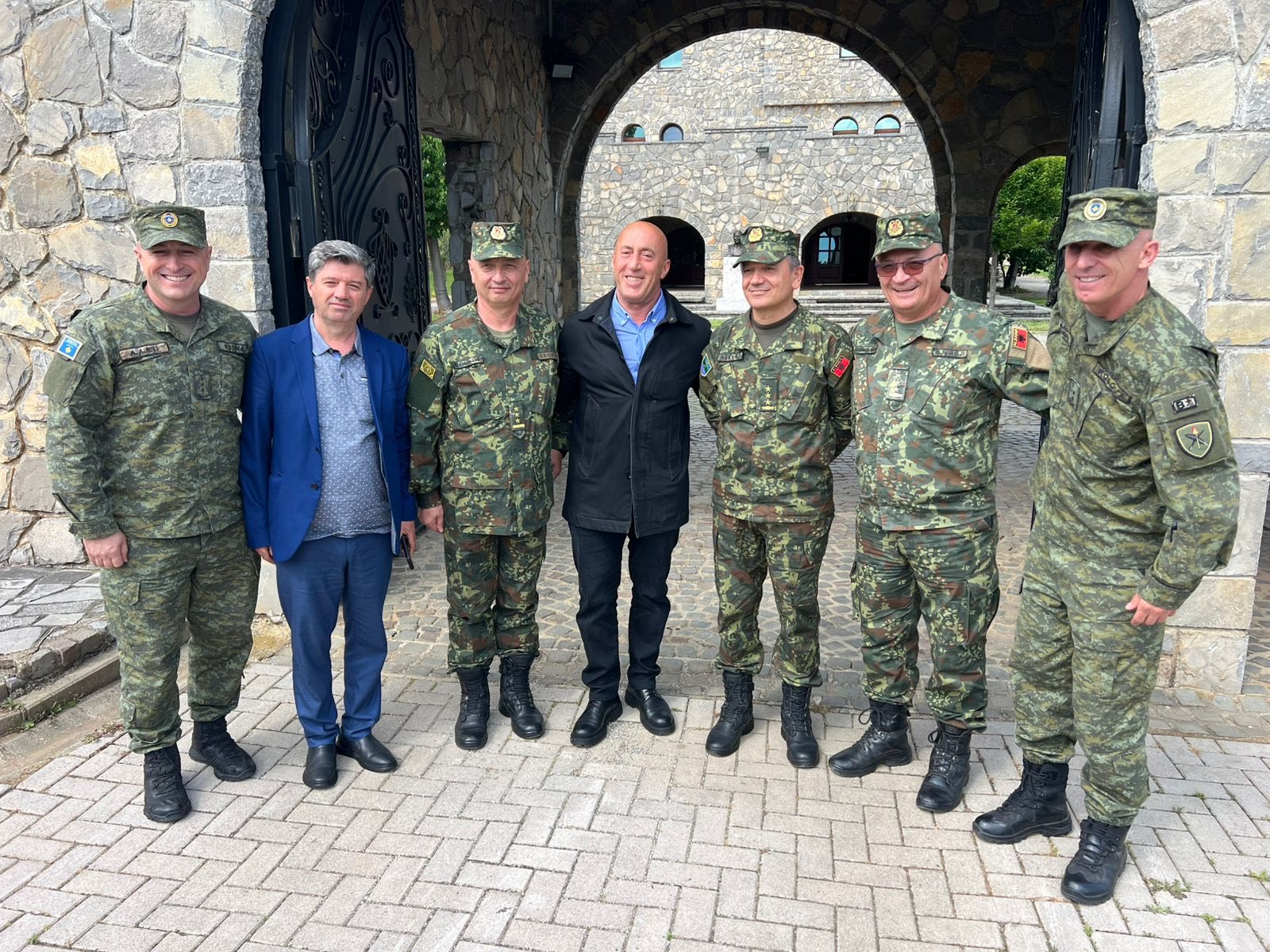
Given the cultural and historical ties between Albania and Kosovo, the presence of the AAF in the KFOR mission is of significant regional importance. Albania’s contribution to KFOR helps maintain a safe and secure environment in the Western Balkans, preventing ethnic tensions from escalating into broader conflict.
Enhanced Forward Presence (eFP)
Following the Russian annexation of Crimea and subsequent geopolitical shifts, Albania joined the NATO Enhanced Forward Presence (eFP) battlegroups in the Baltic region. Specifically, Albanian EOD (Explosive Ordnance Disposal) units have been stationed in Latvia under Canadian leadership. This deployment demonstrates Albania's commitment to the security of all Allies, regardless of geographic distance.
| Mission Name | Region | Primary Role | Status (as of 2026) |
|---|---|---|---|
| KFOR | Kosovo | Peacekeeping and security | Ongoing |
| eFP Latvia | Baltics | Deterrence and EOD support | Ongoing |
| Sea Guardian | Mediterranean | Maritime situational awareness | Periodic Participation |
| Resolute Support | Afghanistan | Training and advisory | Concluded (2021) |
| NATO Mission Iraq | Iraq | Non-combat advisory/training | Ongoing |
Defense Spending and Economic Impact
A recurring theme within the Alliance is the "Defense Investment Pledge" made at the 2014 Wales Summit, which requires members to move toward spending 2% of their GDP on defense. For a developing economy like Albania, this has been a significant fiscal challenge.
However, the Albanian government has consistently increased its defense budget over the last decade. By 2024, Albania reached the 2% target, a commitment it has maintained through 2026. This spending is not purely for military hardware; it includes investments in cyber defense, infrastructure, and personnel training.
Economically, NATO membership has acted as a "seal of approval" for foreign investors. The logic is straightforward: membership implies a level of political stability and rule of law that reduces the risk for long-term capital investment. Since 2009, Albania has seen increased interest in its energy and tourism sectors, partially attributed to the security umbrella provided by the Alliance.
Regional Stability and the Western Balkans
Albania’s role within NATO is often viewed through the lens of Western Balkan stability. The region has historically been a theater of competition between Western and Eastern spheres of influence. By being a steadfast member of NATO, Albania serves as an anchor for the "Open Door" policy, advocating for the integration of its neighbors.
Albania played a supportive role in the accession of Montenegro (2017) and North Macedonia (2020). By forming a contiguous block of NATO members along the Adriatic and Ionian coasts, these nations have effectively limited the maritime access of adversarial powers and reduced the potential for local territorial disputes to ignite wider wars.
Furthermore, Albania has been a vocal proponent of countering malign foreign influence, particularly in the realm of disinformation and cyber warfare. The 2022 cyberattacks on Albanian government infrastructure, attributed to Iranian-sponsored actors, led to a swift NATO response, with Allied teams providing technical assistance to restore systems and harden defenses. This incident highlighted that NATO membership is as much about digital security in 2026 as it is about physical borders.
Frequently Asked Questions
Why did Albania join NATO in 2009?
Albania joined NATO to ensure its national security, promote democratic reforms, and integrate into the Western political and economic community. After decades of isolation, the government viewed NATO as the ultimate guarantor of its borders and a catalyst for modernizing its military forces.
How many troops does Albania contribute to NATO?
While the total number of Albanian personnel is small compared to major powers (around 8,500 active-duty personnel), Albania contributes a high percentage of its forces relative to its size. At any given time, several hundred troops are deployed in international missions, including special forces, EOD units, and military police.
Does NATO have a permanent base in Albania?
Yes. The Kuçovë Air Base is a NATO-funded tactical air base. While it remains Albanian property, it is built to NATO standards and serves as a strategic hub for Allied operations in the Balkans and the Mediterranean region.
How has NATO membership affected Albania's relationship with Russia?
Albania’s relationship with Russia has become increasingly strained since 2009, particularly following the 2022 invasion of Ukraine. Albania has aligned itself fully with NATO and EU sanctions and has been identified by Russia as an "unfriendly nation." NATO membership provides Albania with the collective security necessary to maintain this firm diplomatic stance.
What is the 2% defense spending rule, and does Albania follow it?
The rule is a guideline for NATO members to spend at least 2% of their GDP on defense. Albania reached this threshold in 2024 and has continued to meet or exceed it through 2026, focusing heavily on modernizing equipment and improving its cyber-defense capabilities.
Strategic Outlook and Next Actions
Looking ahead, Albania’s focus within the Alliance is shifting toward the maritime and digital domains. The planned naval base at Porto Romano in Durrës is expected to be the next major infrastructure project seeking NATO integration, potentially providing the Alliance with a deep-water port on the Adriatic.
For policymakers and military leaders, the next steps involve:
- Enhancing Cyber Resilience: Continuing to work with the NATO Cooperative Cyber Defence Centre of Excellence (CCDCOE) to protect critical infrastructure.
- Climate Security: Addressing how rising sea levels and extreme weather might affect coastal military installations and regional stability.
- Educational Reform: Strengthening the Academy of the Armed Forces to ensure the next generation of officers is fully versed in multi-domain operations.
For citizens and observers, the status of "Albania in NATO since 2009" remains a cornerstone of the country's identity—a journey from a closed communist state to a reliable partner in the world's most successful military alliance.