To legally operate a motor vehicle on public roadways in Alaska, drivers must maintain liability insurance coverage with minimum limits of $50,000 for bodily injury or death of one person, $100,000 for bodily injury or death of two or more people, and $25,000 for property damage per accident. These requirements ensure that drivers can provide financial compensation for damages caused to others during an incident.
Understanding the Mandatory Financial Responsibility Law
In Alaska, the state enforces a "Financial Responsibility Law" that mandates all vehicle owners demonstrate an ability to pay for damages resulting from accidents. While some states allow for cash bonds or self-insurance in specific, high-threshold circumstances, the vast majority of Alaska residents satisfy this mandate by purchasing a standard automobile liability insurance policy from a state-licensed provider.
The primary purpose of these minimums is to protect innocent parties on the road. Without mandatory insurance, an at-fault driver might lack the personal assets to compensate someone they have injured or whose property they have destroyed. The 50/100/25 structure—often referred to in the industry as "50/100/25 liability limits"—serves as the baseline layer of protection required by the Alaska Division of Motor Vehicles (DMV).
Breakdown of the 50/100/25 Liability Limits
It is essential to distinguish between the three components of the mandatory insurance requirements. Understanding these numbers helps you evaluate your own financial risk profile.
- $50,000 Bodily Injury Per Person: If you cause an accident, this is the maximum amount your insurance provider will pay for the medical expenses, lost wages, and pain and suffering of a single individual injured in the crash.
- $100,000 Bodily Injury Per Accident: This is the total maximum amount the insurance company will pay for bodily injuries across all people involved in a single accident. If three people are injured and their total medical bills exceed $100,000, you may be personally liable for the remaining balance.
- $25,000 Property Damage Per Accident: This covers the cost of repairing or replacing the other party’s vehicle, as well as any other damaged property such as fences, poles, or storefronts.
It is a common misconception that these minimums cover your own medical bills or the repairs to your own vehicle. In reality, these limits exist solely to cover the damages you inflict on others.
Optional Coverages: Going Beyond the Minimum
While the 50/100/25 limits satisfy the law, many insurance professionals and legal experts in Alaska recommend carrying higher limits. Alaska’s unique geography, weather conditions, and high cost of living mean that repair and medical costs can easily exceed these baseline figures.
If you are involved in a collision with a luxury vehicle or a high-occupancy commercial truck, $25,000 in property damage may be depleted in an instant. Similarly, major medical procedures can quickly surpass the $50,000 per-person threshold. To protect your personal assets—such as your home, savings, and future earnings—many drivers choose to add the following common optional coverages:
- Collision Coverage: Pays for repairs to your vehicle after a crash, regardless of who is at fault. This is often required by lenders if you are financing or leasing your car.
- Comprehensive Coverage: Protects against non-collision incidents such as fire, theft, vandalism, or damage caused by wildlife. This is particularly relevant in Alaska, where animal-related accidents are significantly more common than in many other states.
- Uninsured/Underinsured Motorist Coverage (UM/UIM): This is highly recommended in Alaska. If you are hit by a driver who lacks insurance or carries only the bare minimum, this coverage helps pay for your medical bills and property damage that the at-fault driver cannot cover.
- Medical Payments Coverage (MedPay): Covers immediate medical expenses for you and your passengers, regardless of fault.
Comparison of Minimums vs. Recommended Coverage
| Coverage Type | Alaska Minimum Required | Recommended for Security |
|---|---|---|
| Bodily Injury (Per Person) | $50,000 | $100,000 - $300,000 |
| Bodily Injury (Per Accident) | $100,000 | $300,000 - $500,000 |
| Property Damage | $25,000 | $50,000 - $100,000 |
| Uninsured Motorist | Not Mandated | Highly Recommended |
The Role of the Alaska DMV and Enforcement
The Alaska Division of Motor Vehicles does not physically track every insurance policy in real-time. However, the state utilizes a random verification program. If you are stopped by law enforcement or involved in an accident, you are required to provide proof of insurance.
Operating a vehicle without the required minimum coverage can lead to severe penalties, including:
- Suspension of your driver’s license.
- Suspension of your vehicle registration.
- Requirement to file an SR-22 form (a document proving financial responsibility) with the state for a specified number of years, which significantly increases your future insurance premiums.
- Substantial fines and potential impoundment of your vehicle.
When you purchase insurance, your provider will typically issue an insurance identification card. It is a legal requirement in Alaska to carry this document or a digital version of it in your vehicle at all times while operating on public roads.
Special Considerations for Alaska Residents
Alaska poses unique challenges for auto insurance. The state’s extreme winters, icy road conditions, and remote locations impact both the likelihood of accidents and the cost of vehicle repairs. Because labor rates and shipping costs for auto parts are generally higher in Alaska than in the Lower 48, it is vital to review your policy with a local agent who understands the regional economic landscape.
Furthermore, if you live in remote areas, ensure your policy is valid for the specific types of terrain you traverse. Some standard policies may have limitations regarding off-road driving or specific seasonal driving risks. Always verify your coverage details if you frequently travel between interior Alaska and the coastal regions, as road hazards differ significantly.
Factors Affecting Your Insurance Premium
While the 50/100/25 requirement is the base, your premium—the amount you pay periodically—will vary based on several factors. Insurance companies use actuarial data to determine your individual risk level. These factors include:
- Driving History: A history of speeding tickets or accidents will increase your rates.
- Vehicle Type: Newer, more expensive vehicles or those with high-performance engines typically cost more to insure.
- Credit Score: In many jurisdictions, insurers use credit-based insurance scores to predict the likelihood of future claims.
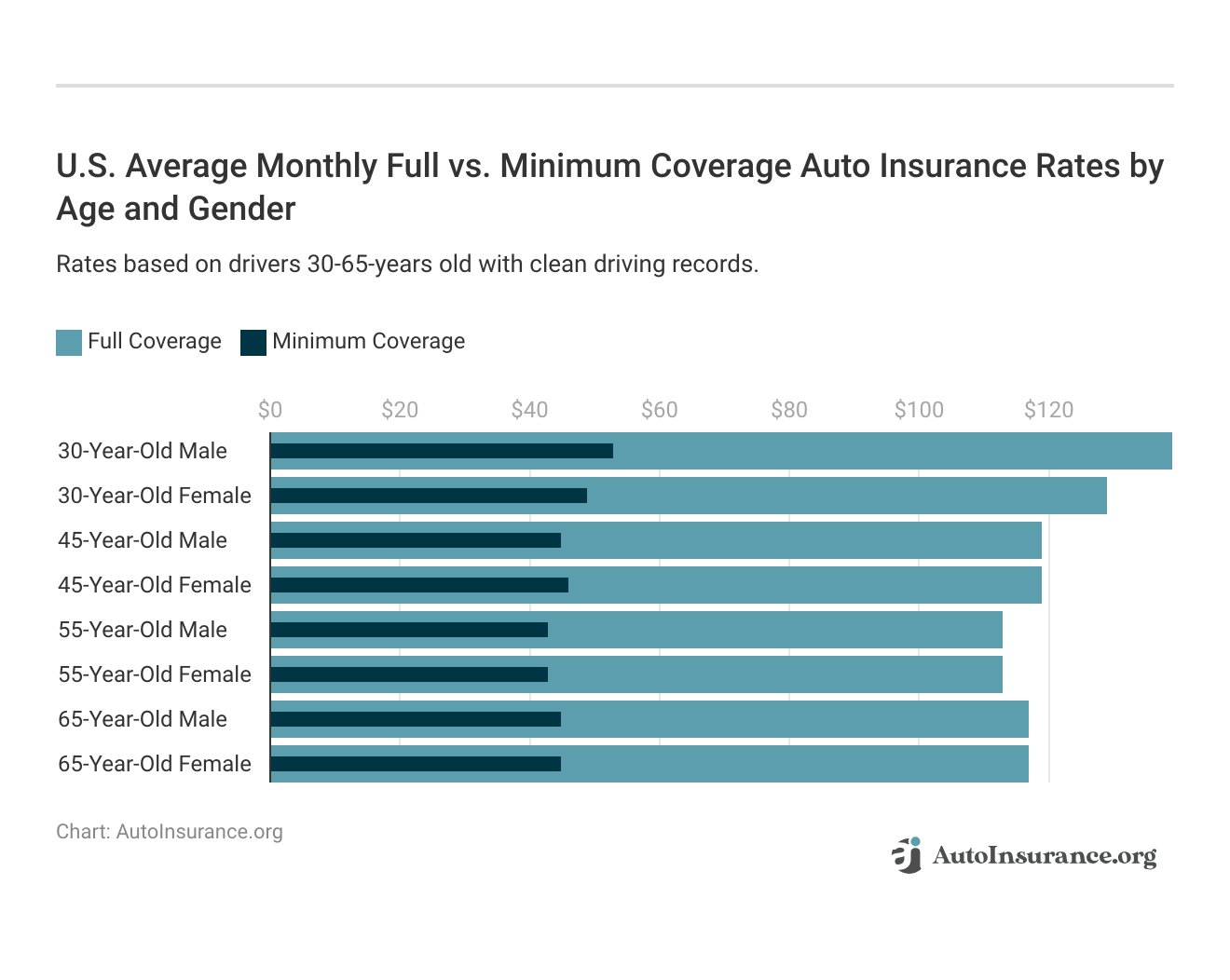
- Age and Experience: Younger, less experienced drivers generally face higher premiums due to higher statistical risk profiles.
- Usage: The number of miles you drive annually and whether you use your vehicle for commuting or commercial purposes will influence the cost.
Steps to Verify and Maintain Compliance
- Obtain Documentation: After purchasing a policy, ensure you receive an insurance card from your carrier that clearly lists the policy limits and expiration date.
- Regular Review: Review your policy annually, especially if you move, purchase a new vehicle, or change your daily driving commute.
- Digital Backup: Many carriers now offer mobile applications. Ensure you have the app installed or a digital image of your proof of insurance accessible offline, as cellular reception can be unreliable across the Alaskan highway system.
- Reporting Changes: Always notify your insurer immediately if you add a new driver to your household or change your primary residence, as these factors can affect your compliance status.
Frequently Asked Questions
Does my Alaska insurance cover me if I drive into Canada? Yes, most Alaska auto insurance policies provide coverage for travel within Canada. However, you should carry a "Canadian Non-Resident Inter-Province Motor Vehicle Liability Insurance Card" (often called a Yellow Card), which you can request from your insurance company. This confirms your coverage meets Canadian legal standards.
What should I do if I am involved in an accident with an uninsured driver? If the other driver is uninsured, you should contact your insurance company immediately. If you have Uninsured Motorist (UM) coverage, your provider will help manage the claim process. If you do not have UM coverage, you may be forced to pursue legal action against the at-fault driver to recover costs for your vehicle repairs and medical bills.
Can I use a self-insurance bond in Alaska instead of an insurance policy? While the Alaska Financial Responsibility Law does permit certain entities to qualify as self-insurers, it is rarely a practical option for the average individual driver. It requires depositing a significant amount of cash or securities with the state to cover potential liability, which is financially prohibitive for most.
Does my minimum liability insurance cover theft or fire? No. The state-required minimum is strictly for "Liability," meaning damages caused to other people or their property. To cover theft, fire, or vandalism to your own vehicle, you must purchase Comprehensive coverage.
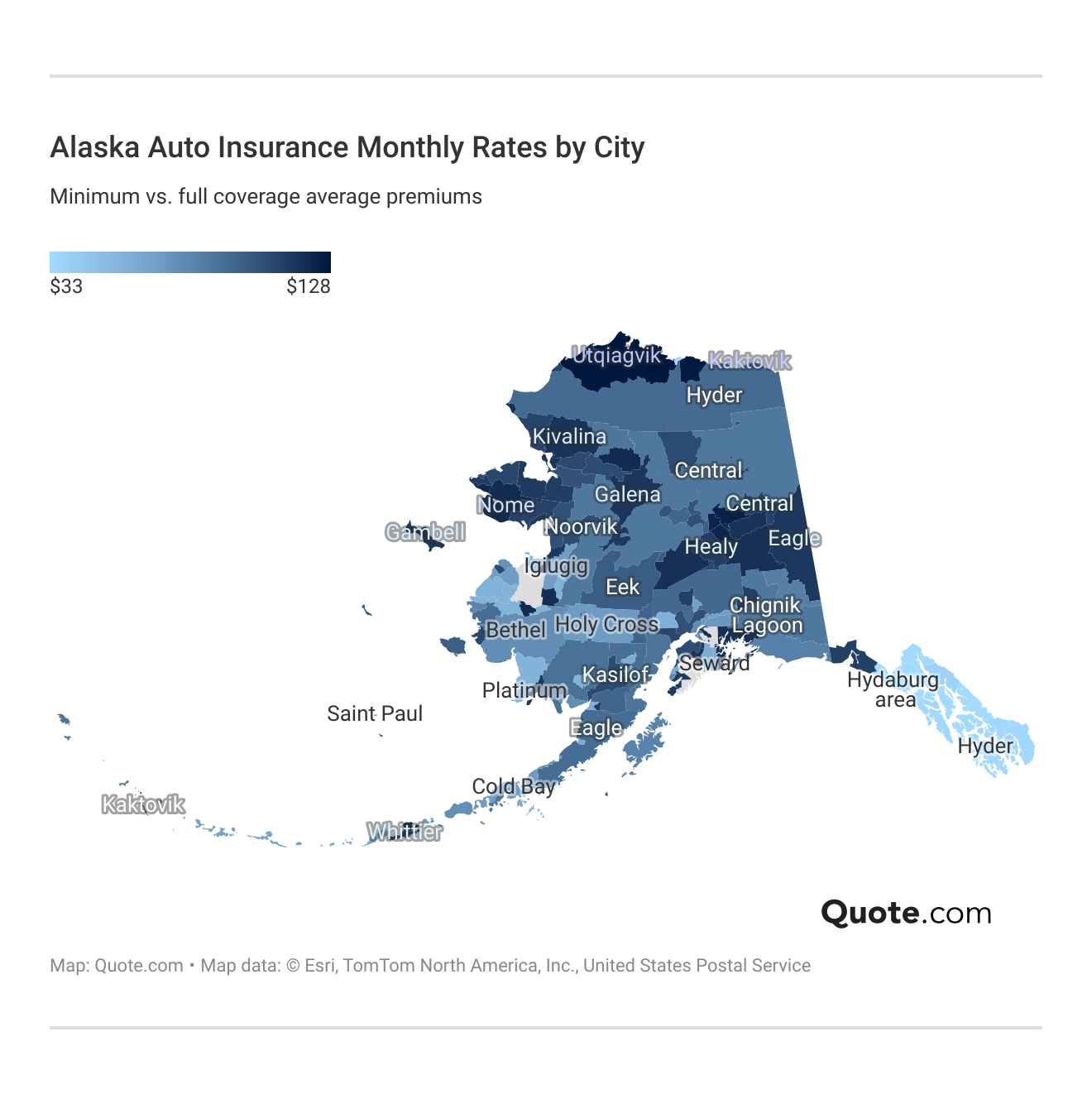
Will my insurance rates change if I move from rural to urban Alaska? Yes. Insurance companies factor in population density, traffic congestion, and local accident statistics. Moving from a remote area with low traffic to a city center like Anchorage or Fairbanks will typically result in a rate adjustment.
Next Steps for Drivers
The first step toward full compliance is to review your current policy declarations page to confirm your limits are at least 50/100/25. If you find your limits are lower than required, contact your insurance agent immediately to adjust your coverage. If you are shopping for a new policy, request quotes from multiple providers, but ensure they are licensed to operate in Alaska to guarantee their documentation will be accepted by the DMV.
Disclaimer: This information is for educational purposes only and does not constitute legal or financial advice. Insurance regulations are subject to change. Always consult with a licensed insurance professional or the Alaska Division of Motor Vehicles for guidance specific to your personal circumstances.