Alan Hardy’s tenure at Notts County, spanning from January 2017 to July 2019, remains one of the most volatile and debated periods in the history of the world’s oldest professional football club. It was a 30-month odyssey that began with a dramatic "Great Escape" from relegation and ended in the club’s first-ever exit from the Football League, mirrored by the collapse of Hardy’s business empire.
The Takeover and the 2017 "Great Escape"
When Alan Hardy, a local businessman and lifelong Notts County supporter, purchased the club from Ray Trew in January 2017, the Magpies were in a state of existential crisis. The club was languishing near the bottom of League Two, suffering from a lack of investment and a fractured relationship between the boardroom and the terraces. Hardy, the owner of the successful fit-out firm Paragon Interiors, was viewed as a savior—a "fan with a checkbook" who could restore the club’s pride.
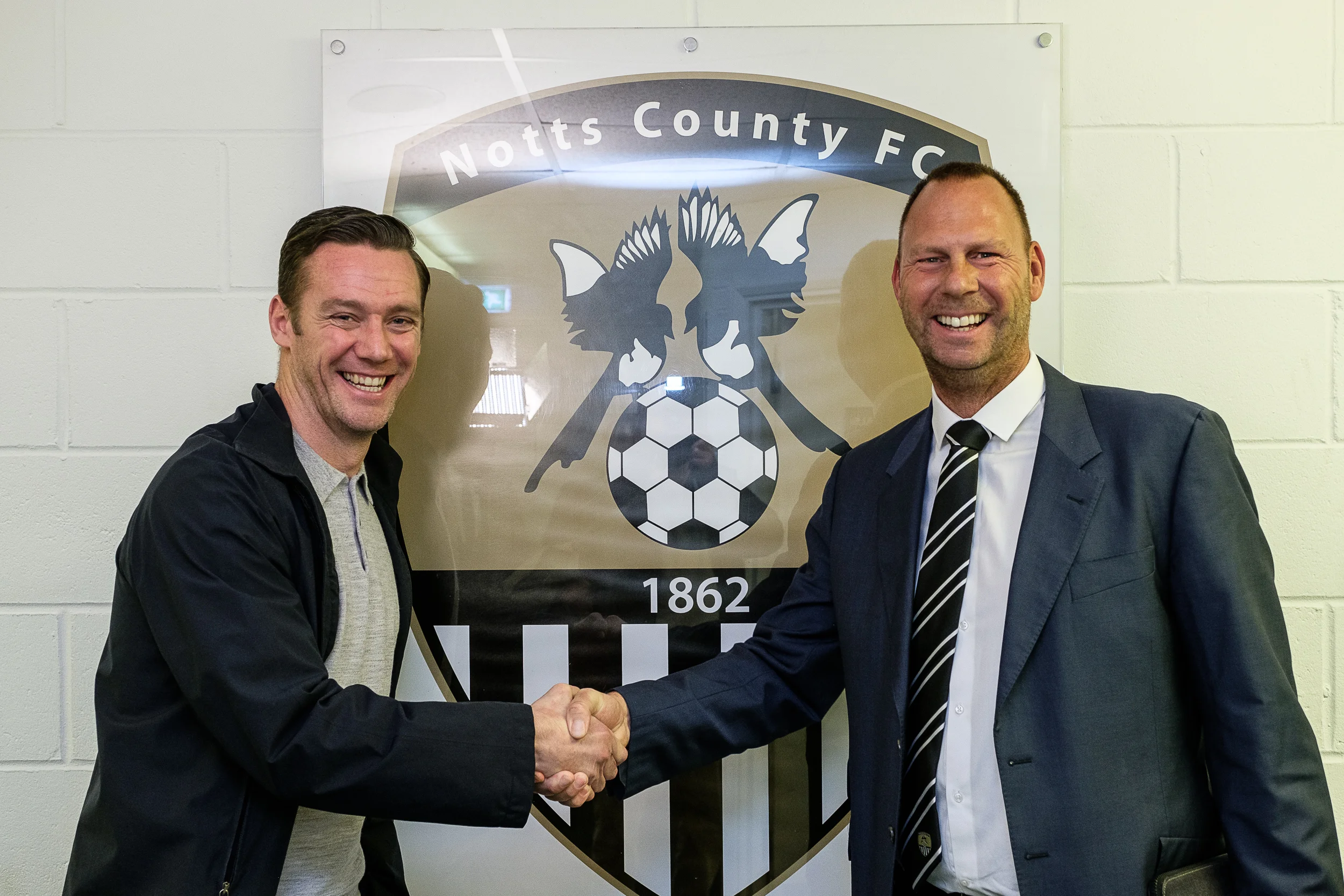
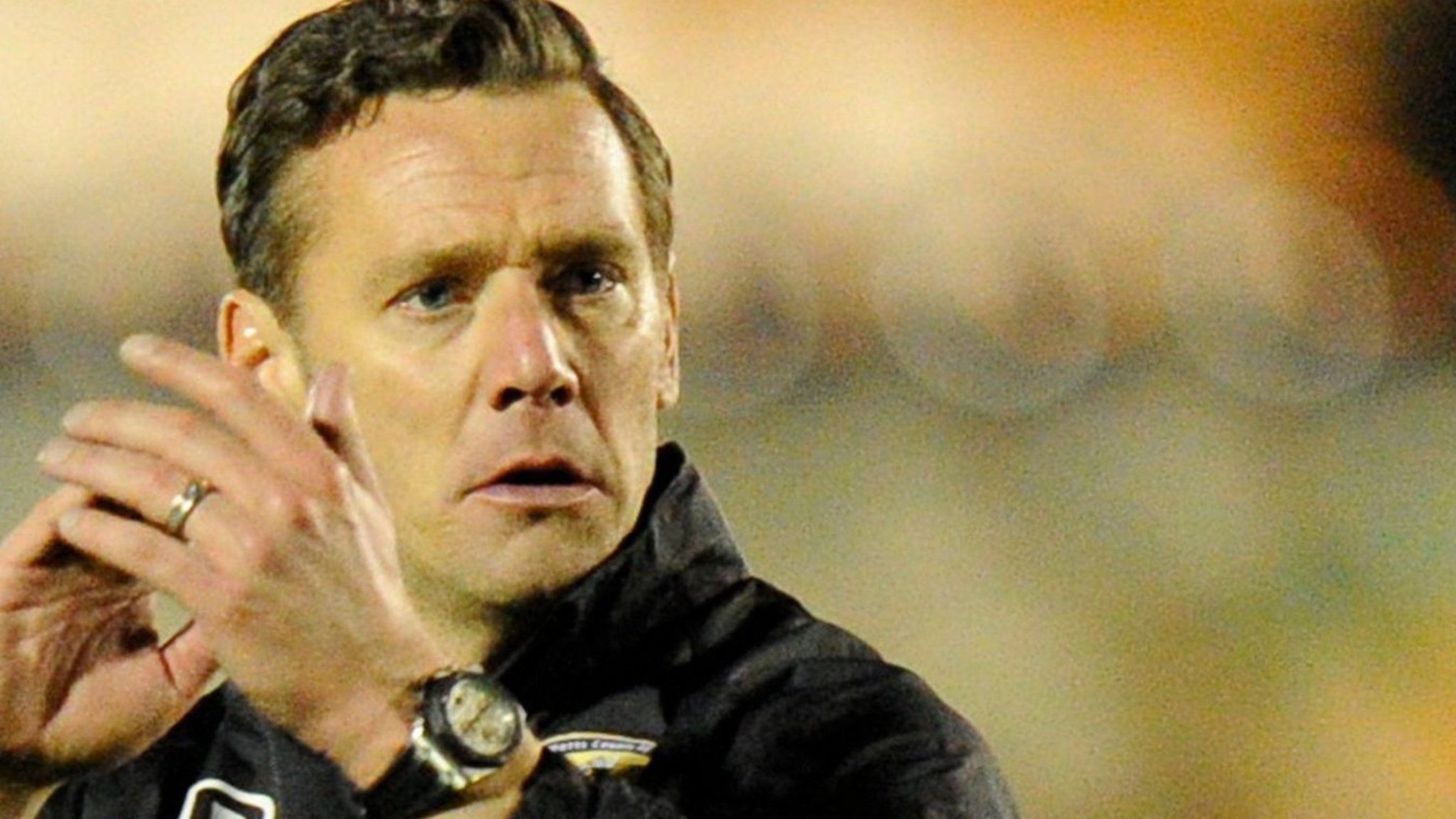
Upon his arrival, Hardy’s first major decision was the appointment of Kevin Nolan as manager. Nolan, a former Premier League midfielder, brought an immediate sense of discipline and professionalism to Meadow Lane. The impact was instantaneous. Notts County, who had looked certain for relegation to the National League, embarked on a remarkable run of form. This period, often referred to by fans as the "Great Escape," saw the team climb to safety with games to spare.
Hardy’s early months were characterized by high engagement. He was hyper-active on social media, refurbished parts of the stadium, and significantly increased the club’s marketing presence. For the first time in years, Meadow Lane felt like a vibrant, ambitious hub. Average attendances began to rise, and the "Hardy Era" started with a sense of boundless optimism that suggested the club was destined for League One and beyond.
The 2017/18 Season: The Peak of Optimism
The 2017/18 season is often remembered as the high-water mark of Hardy’s ownership. With Nolan at the helm and Hardy’s financial backing, the club recruited experienced players like Jorge Grant (on loan from Nottingham Forest) and Shola Ameobi. The Magpies spent much of the season in the automatic promotion places, playing a resilient, if sometimes direct, style of football that proved highly effective in League Two.
The relationship between the owner and the fans was at its zenith during this period. Hardy was seen as a transparent leader who communicated directly with supporters via Twitter (now X). However, beneath the surface, the seeds of future instability were being sown. The club’s wage bill was reportedly among the highest in the division, and the reliance on Hardy’s personal wealth and the profitability of Paragon Interiors was absolute.
Ultimately, Notts County finished 5th, qualifying for the playoffs. A controversial semi-final defeat to Coventry City ended their promotion hopes. While the disappointment was palpable, the consensus in 2018 was that Hardy had successfully stabilized a sinking ship and that promotion the following year was a near-certainty.
The Turning Point: Summer 2018 and the Sacking of Kevin Nolan
The summer of 2018 was the definitive turning point for Hardy’s tenure. Following the playoff heartbreak, there was a shift in the recruitment strategy. The club moved away from the formula that had brought success, offloading key figures and bringing in a high volume of new players. Despite the heavy spending, the squad lacked balance and defensive cohesion.
The season began disastrously. After failing to win any of the first five league matches, Hardy made the controversial decision to sack Kevin Nolan. This move shocked the football world and divided the fanbase. Nolan had a high approval rating and many felt he had earned the right to fix the poor start. By dismissing him so early, Hardy inadvertently signaled the start of a period of managerial instability that would eventually lead to the club's downfall.
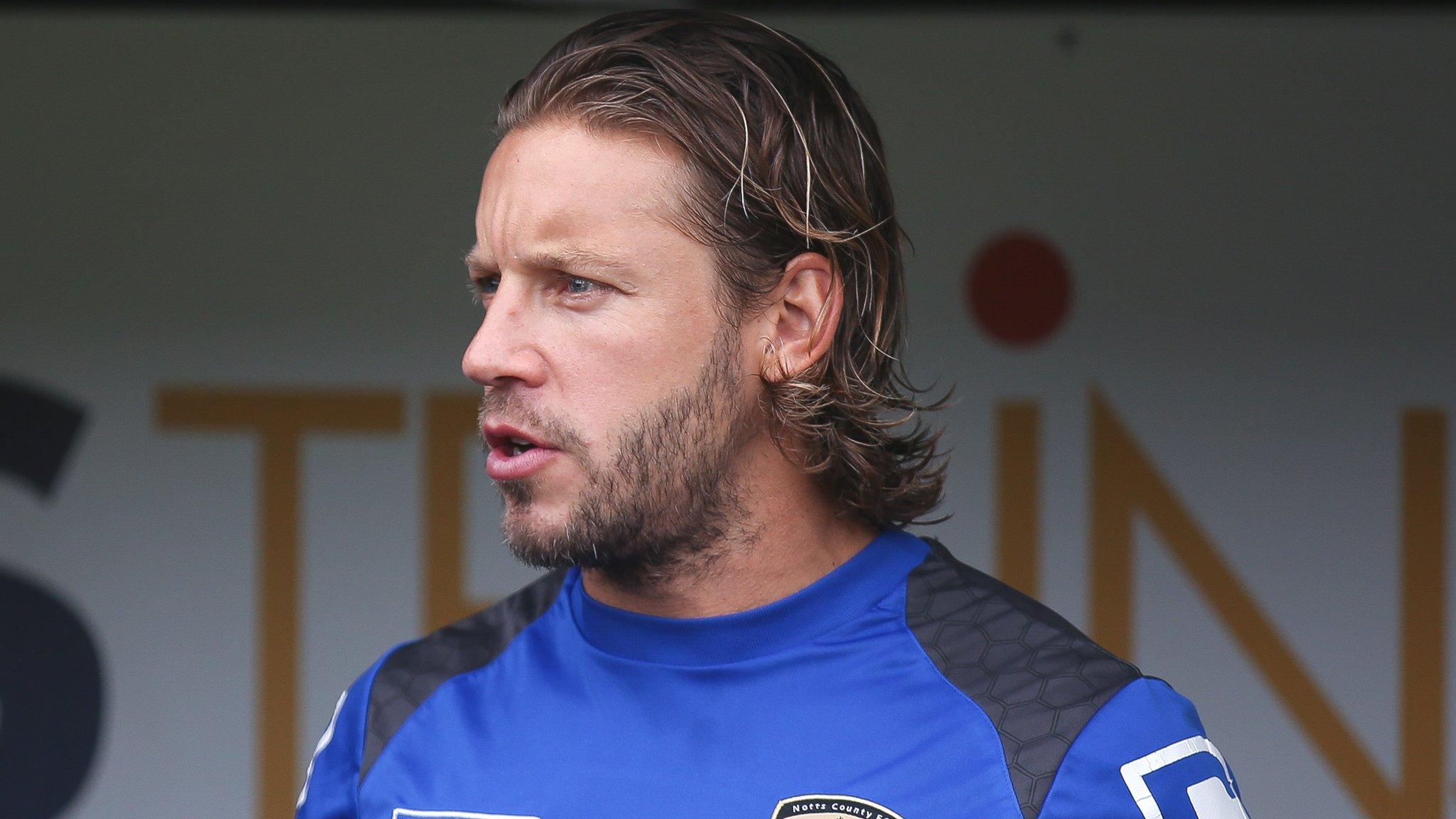
The subsequent appointment of Harry Kewell was a gamble that failed spectacularly. Kewell lasted just ten weeks, winning only three of his 14 games in charge. The Australian’s departure left the club in the relegation zone, and the atmosphere at Meadow Lane turned toxic. Hardy then turned to Neal Ardley, but by then, the momentum of decline was becoming difficult to halt.
The Financial Collapse of Paragon Interiors
While results on the pitch were deteriorating, the financial foundation of Hardy’s tenure was crumbling. In early 2019, reports began to surface regarding the financial health of Paragon Interiors, the company Hardy used to fund Notts County. By February 2019, Paragon Interiors had officially entered administration, leaving the football club in a precarious position.
The collapse of Paragon had immediate and devastating consequences for Notts County. The club was hit with multiple winding-up petitions from HMRC over unpaid tax bills. Staff and players faced delays in receiving their wages, and a transfer embargo was placed on the club, preventing Ardley from strengthening the squad during the crucial final months of the season.
Hardy’s personal reputation also took a significant hit during this time. He was forced to put the club up for sale, but the process was protracted and complicated by the club’s mounting debts. The transparency that fans had once praised now felt like a liability, as Hardy’s public search for a buyer played out in the headlines, adding to the sense of chaos surrounding Meadow Lane.
The Twitter Incident and PR Crises
No retrospective of Alan Hardy’s tenure would be complete without mentioning the "Twitter incident" of January 2019. In a momentary but catastrophic lapse of judgment, Hardy accidentally posted an intimate photograph of himself on his public Twitter account while attempting to share a screenshot of a fan’s message.
The fallout was immediate and international. The incident turned the club into a laughing stock and forced Hardy to delete his social media account—the very platform he had used to build his brand as an accessible owner. More importantly, it served as a major distraction at a time when the club needed focused leadership to survive both financially and competitively. The incident underscored the dangers of the "celebrity owner" model and marked the end of Hardy’s honeymoon period with the broader public.
Relegation: The End of an Era
The culmination of the 2018/19 season was the darkest day in Notts County’s history. On May 4, 2019, a 3-1 defeat away at Swindon Town confirmed the club’s relegation from the Football League. After 157 years as a founding member and a continuous presence in the league, the Magpies were relegated to the National League.
The relegation was seen as a direct consequence of the instability at the top. The constant change in managers, the recruitment failures of Summer 2018, and the financial paralysis caused by the Paragon collapse had created a perfect storm. Hardy, who had entered the club to cheers and chants of his name, was now the target of intense vitriol.
For several weeks following relegation, the very existence of the club was in doubt. With the club still in the hands of administrators and HMRC lurking, many feared Notts County would follow the path of clubs like Bury. However, the tenure finally concluded in July 2019, when Hardy sold the club to Alexander and Christoffer Reedtz, two Danish brothers who owned the football analysis company Football Radar.
Managerial Overview Under Alan Hardy
The following table summarizes the managerial appointments and their league performance during the Hardy era.
| Manager | Tenure Start | Tenure End | League Games | Win % (League) | Outcome |
|---|---|---|---|---|---|
| Kevin Nolan | Jan 2017 | Aug 2018 | 72 | 43.1% | Sacked after poor start to 2018/19 |
| Harry Kewell | Aug 2018 | Nov 2018 | 11 | 18.2% | Sacked after 10 weeks |
| Neal Ardley | Nov 2018 | (End of Tenure) | 27 | 18.5% | Relegated to National League |
Analysis of the Hardy Legacy
Looking back from 2026, the Alan Hardy era is studied as a cautionary tale of "over-leveraged ambition." While Hardy’s passion for the club was undeniable, his management style highlighted several critical risks in modern football ownership:
- Concentration of Risk: By tying the club’s survival so closely to a single business entity (Paragon Interiors), the club was left defenseless when that business failed.
- Short-termism: The sacking of Kevin Nolan was a reactive decision that ignored the stability he had built over the previous 18 months.
- The Perils of Social Media: Hardy’s direct engagement was a double-edged sword. It built a community but also allowed personal errors to damage the club’s institutional reputation.
- Recruitment Imbalance: The 2018 summer window demonstrated that spending money is not a substitute for a coherent recruitment strategy and squad harmony.
Despite the pain of relegation, some argue that the Hardy era was a necessary catalyst for the modernization that followed under the Reedtz brothers. The shift toward data-driven recruitment and sustainable financial modeling was a direct reaction to the "boom and bust" nature of Hardy’s tenure.
Frequently Asked Questions
Why did Alan Hardy sell Notts County?
Alan Hardy was forced to sell the club primarily due to the financial collapse of his main business, Paragon Interiors, which entered administration in early 2019. The resulting lack of liquidity meant he could no longer fund the club’s operations or settle outstanding debts with HMRC, leading to multiple winding-up petitions.
Was Notts County relegated because of the points deduction?
No, Notts County did not receive a points deduction during the 2018/19 season. Their relegation was strictly due to on-pitch performance, finishing 23rd in League Two with 41 points. However, the financial instability and transfer embargo significantly hampered the team's ability to compete.
Who bought the club from Alan Hardy?
The club was purchased by Alexander and Christoffer Reedtz in July 2019. The Danish brothers brought a more analytical, data-driven approach to the club’s management, which eventually led to their return to the Football League in 2023.
What happened to Paragon Interiors?
Paragon Interiors, Hardy's office fit-out company, collapsed in 2019 with significant debts. The administration process revealed that the company had been struggling for some time, and its failure effectively ended Hardy's ability to maintain his ownership of Notts County.
How did the fans react to Hardy's departure?
The reaction was a mix of relief and sadness. While fans appreciated Hardy's initial investment and the excitement of the 2017/18 season, the subsequent relegation and financial chaos left a bitter taste. Most supporters were eager for a new start under more stable ownership.
Practical Lessons for Football Governance
For those involved in the governance of lower-league clubs, the Hardy tenure provides a clear blueprint for what to avoid. The most critical takeaway is the necessity of diversified funding and the implementation of independent financial oversight. Relying on a single benefactor whose primary business is in a volatile sector like construction or fit-outs is inherently risky.
Furthermore, the role of a "Director of Football" or a structured recruitment department has since become standard practice at Meadow Lane to prevent the erratic squad-building seen in the summer of 2018. Prospective owners should look to the transition between Hardy and the Reedtz brothers as a case study in moving from "emotional ownership" to "systematic ownership."