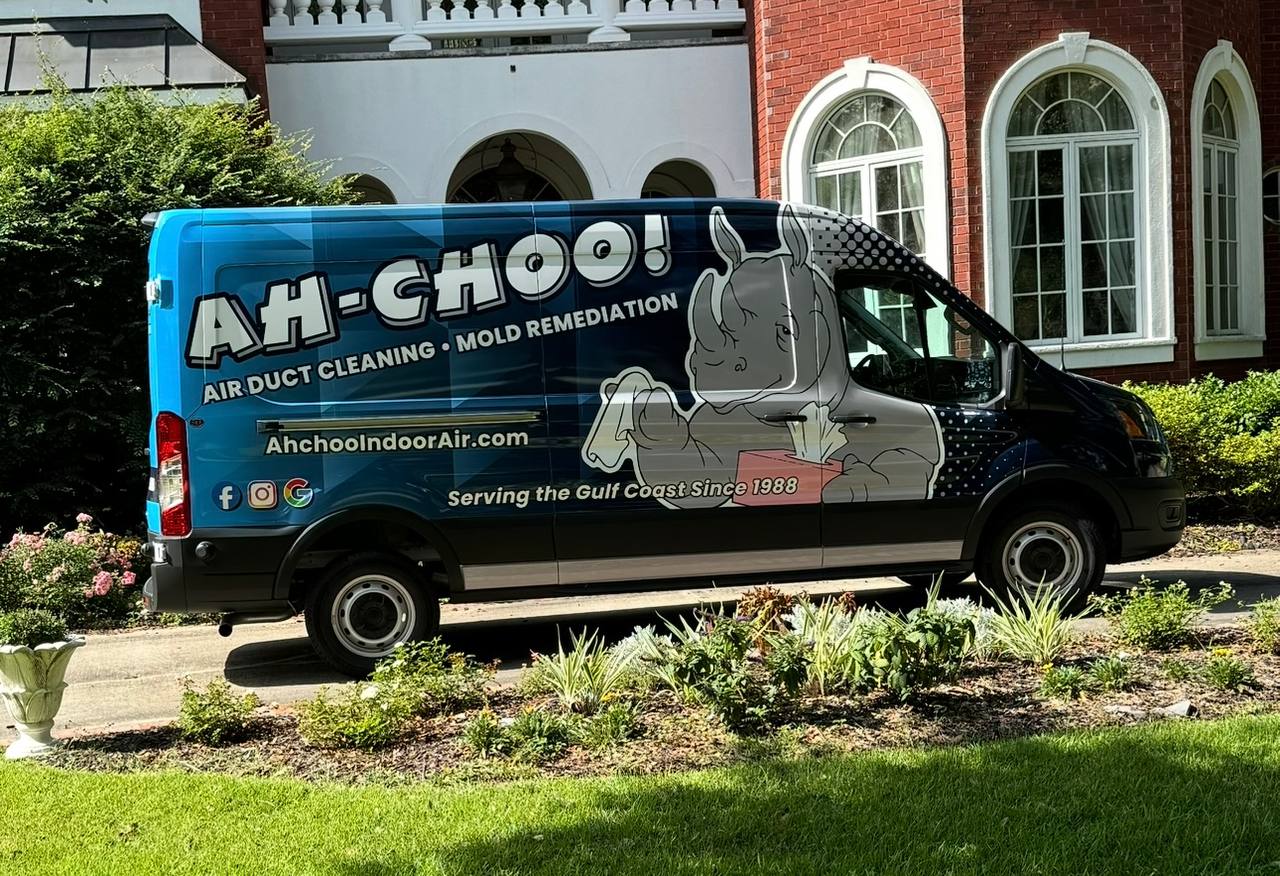
Air duct mold remediation in Houston is a specialized process involving the containment, removal, and prevention of fungal growth within HVAC systems. Due to Houston’s high humidity, professionals use HEPA-filtered negative air machines and EPA-registered antimicrobial treatments to ensure air quality. Successful remediation requires identifying the moisture source and adhering to Texas Department of Licensing and Regulation (TDLR) standards.
The Critical Challenge of Mold in Houston HVAC Systems
Houston’s subtropical climate presents a unique set of challenges for indoor air quality. With average humidity levels often exceeding 60%, the environment is naturally conducive to mold proliferation. In an HVAC (Heating, Ventilation, and Air Conditioning) system, mold typically gains a foothold when organic dust—comprised of skin cells, pet dander, and pollen—accumulates on damp surfaces like evaporator coils, drip pans, and the interior lining of fiberglass ducts.
As of 2026, the intersection of high-efficiency HVAC technology and older building envelopes in Houston has made moisture management more complex. Modern variable-speed systems are excellent at dehumidification, but if they are improperly sized or if the ductwork has significant leaks, condensation can form rapidly. When this moisture meets the "food source" of accumulated dust in the dark environment of a duct, mold colonies begin to thrive. This is not merely a cleanliness issue; it is a structural and health concern that requires a technical response beyond simple vacuuming.
Signs You Require Professional Air Duct Mold Remediation
Identifying mold within a ventilation system can be difficult because the majority of the ductwork is hidden behind walls and ceilings. However, several indicators suggest a professional inspection is necessary:
- Musty or Earthy Odors: If you notice a "wet sock" smell only when the AC or heater is running, it is a strong indicator that mold or bacteria are growing on the coils or inside the duct liners.
- Visible Growth on Vents: Dark, fuzzy, or "slimy" spots on the supply registers (the metal grates in your ceiling or floor) often indicate a localized moisture problem or a systemic mold issue.
- Physical Symptoms: Residents may experience unexplained headaches, persistent coughing, watery eyes, or exacerbated asthma symptoms that improve when they leave the home for extended periods.
- Increased Humidity Levels: If your indoor hygrometer consistently reads above 50% humidity, your HVAC system is likely struggling to remove moisture, creating a high-risk environment for mold.
The Legal Landscape: Texas Mold Remediation Regulations
Texas maintains some of the strictest mold remediation laws in the United States, governed by the Texas Department of Licensing and Regulation (TDLR). These regulations are designed to protect consumers from ineffective or dangerous "fly-by-night" services.
In Houston, if a mold remediation project involves a total surface area of more than 25 contiguous square feet of mold, the law requires specific protocols. One of the most important protections for homeowners is the mandatory separation of roles: the company that performs the initial Mold Assessment cannot be the same company that performs the Mold Remediation. This prevents a conflict of interest where a company might "find" mold simply to charge for its removal.
Furthermore, once the work is completed, a licensed Mold Assessment Consultant must perform a "clearance" inspection to verify that the environment has returned to a normal fungal ecology before the project is legally considered closed. For smaller residential air duct projects, while these strict protocols may not always be legally triggered by square footage, following them is considered the gold standard for safety and efficacy in 2026.
The Professional Remediation Protocol
Professional air duct mold remediation is a multi-stage process that follows the NADCA (National Air Duct Cleaners Association) ACR Standard. This standard ensures that the HVAC system is not just cleaned, but restored to a hygienic state.
1. System Assessment and Source Identification
Before any cleaning begins, technicians must identify why the mold started growing. Common culprits in Houston include leaking roof flashing near vents, disconnected duct boots, or a cracked primary drain pan. If the moisture source is not fixed, the mold will return within weeks of the remediation.
2. Containment and Negative Pressure
To prevent cross-contamination, the work area is isolated. Professionals use "negative air machines" equipped with HEPA (High-Efficiency Particulate Air) filters. These machines pull air from the ductwork and vent it outdoors or through a high-level filtration system, creating a vacuum. This ensures that when mold is agitated, the spores are sucked into the machine rather than blown into your living room.
3. Mechanical Agitation and Extraction
Mold is tenacious; it clings to surfaces. Technicians use specialized tools such as:
- Rotating Brushes: To scrub the interior walls of metal ducts.
- Air Whips and Skippers: To dislodge debris in flex ducts without tearing the delicate plastic lining.
- HEPA Vacuums: For direct contact vacuuming of sensitive components like the blower motor and evaporator coils.
4. Sanitization and Antimicrobial Treatment
Once the physical debris and fungal structures are removed, the system may be treated with an EPA-registered antimicrobial solution. These products are specifically labeled for use in HVAC systems. In 2026, many Houston firms utilize botanical-based solutions like thymol, which are effective against spores but have lower toxicity profiles for sensitive occupants.
5. Sealing and Post-Remediation Verification
If the duct lining (fiberglass insulation) is heavily infested, it cannot be cleaned and must be replaced. However, if the mold was surface-level on metal, a specialized sealant may be applied to prevent future growth and to "lock down" any microscopic fibers.
Comparison of Remediation Approaches
The following table outlines the differences between standard duct cleaning and professional mold remediation in the Houston market.
| Feature | Standard Duct Cleaning | Professional Mold Remediation |
|---|---|---|
| Primary Goal | Removal of dust and allergens | Elimination of fungal colonies and spores |
| Equipment | Basic vacuum and brush | HEPA-filtered negative air, air whips, containment |
| Chemicals Used | Optional deodorizers | EPA-registered disinfectants and fungicides |
| Regulatory Oversight | General HVAC licensing | TDLR Mold Remediation licensing (if >25 sq ft) |
| Testing | Rarely performed | Pre- and post-remediation air/surface sampling |
| Cost (Houston 2026) | $400 - $1,000 | $1,500 - $5,000+ (depending on scope) |
Factors Influencing Cost in Houston
In 2026, several factors influence the price of air duct mold remediation in the Greater Houston area. The size of the home and the number of HVAC units are the primary drivers, but the type of ductwork is equally critical.
- Metal Ducts: These are the easiest to remediate because they are non-porous. Mold can be scrubbed off the surface effectively.
- Flex Ducts: Common in newer Houston suburbs like Katy or The Woodlands, these consist of a plastic liner over a wire coil. If the mold has penetrated the insulation layer, remediation is often impossible, and the ducts must be replaced entirely.
- Duct Board: Made of compressed fiberglass, this material is porous. If mold growth is significant, EPA guidelines generally recommend replacement rather than cleaning, as the mold roots (hyphae) grow into the material.
Labor rates in Houston also fluctuate based on the accessibility of the unit. A system located in a tight, 130-degree attic in July will command a higher labor premium than a system located in a dedicated mechanical closet.
Preventing Mold Recurrence in a Humid Environment
Remediation is an expensive "reset button." To ensure the mold does not return, Houston property owners must focus on moisture control:
- Whole-Home Dehumidification: While your AC cools the air, a dedicated dehumidifier can maintain the relative humidity at exactly 45-50%, even when the AC isn't running. This is the single most effective way to stop mold in Houston.
- Regular Filter Changes: Use filters with a MERV (Minimum Efficiency Reporting Value) rating of 11 to 13. These are dense enough to catch mold spores without overly restricting airflow and causing the coil to freeze.
- UV-C Germicidal Lights: Installing ultraviolet lights over the evaporator coil can prevent the "biofilm" that often serves as a precursor to mold growth.
- Seal Duct Leaks: Leaky ducts in a hot attic create condensation. Professionals can use aerosolized sealants or traditional mastic to ensure the cold air stays inside the insulated duct.
Frequently Asked Questions
Can I spray bleach into my air ducts to kill mold?
No, you should never spray bleach into air ducts. Bleach is primarily water; when the chlorine evaporates, the remaining water can actually encourage more mold growth. Furthermore, bleach is highly corrosive to the metal components of your HVAC system and can release toxic fumes when circulated throughout the house. Professional remediators use EPA-registered fungicides specifically designed for HVAC surfaces.
Does homeowners insurance cover air duct mold remediation?
In most cases, insurance only covers mold remediation if the mold was caused by a "covered peril," such as a sudden pipe burst or a water heater failure. Mold resulting from high humidity, poor maintenance, or "wear and tear" is typically excluded. Some policies in the Houston area have specific "Mold Endorsements" that provide limited coverage (often capped at $5,000 or $10,000), so check your specific 2026 policy language.
How long does the remediation process take?
For a standard 2,000-square-foot home in Houston, a professional mold remediation of the air ducts usually takes between one and two days. This includes the time needed to set up containment, clean the supply and return ducts, sanitize the air handler, and allow for the application of any sealants.
Is it safe to stay in the house during remediation?
While professionals use negative pressure to keep spores contained, the noise and the presence of technicians can be disruptive. If a member of the household has severe mold allergies, chronic obstructive pulmonary disease (COPD), or is immunocompromised, it is generally recommended that they stay elsewhere until the "clearance" report is received and the air has been fully scrubbed.
How often should I have my ducts checked for mold in Houston?
Given the local climate, a professional HVAC inspection should be performed annually. However, a deep inspection of the duct interiors is recommended every 3 to 5 years, or immediately if you experience a water leak, flood, or a noticeable change in indoor air quality.
Practical Recommendations and Next Actions
If you suspect mold in your Houston air ducts, your first step should not be to call a cleaning company, but to hire a licensed Mold Assessment Consultant. This independent professional will provide a "Remediation Protocol"—a document that tells the cleaning company exactly what needs to be done.
Once you have the protocol, solicit bids from at least three companies that hold a Mold Remediation Contractor license from the TDLR. Ensure their proposal includes the use of HEPA-filtered equipment and explicitly mentions adherence to NADCA standards. After the work is complete, ensure you receive a Certificate of Mold Remediation, which is a vital document for any future real estate transactions in the state of Texas.