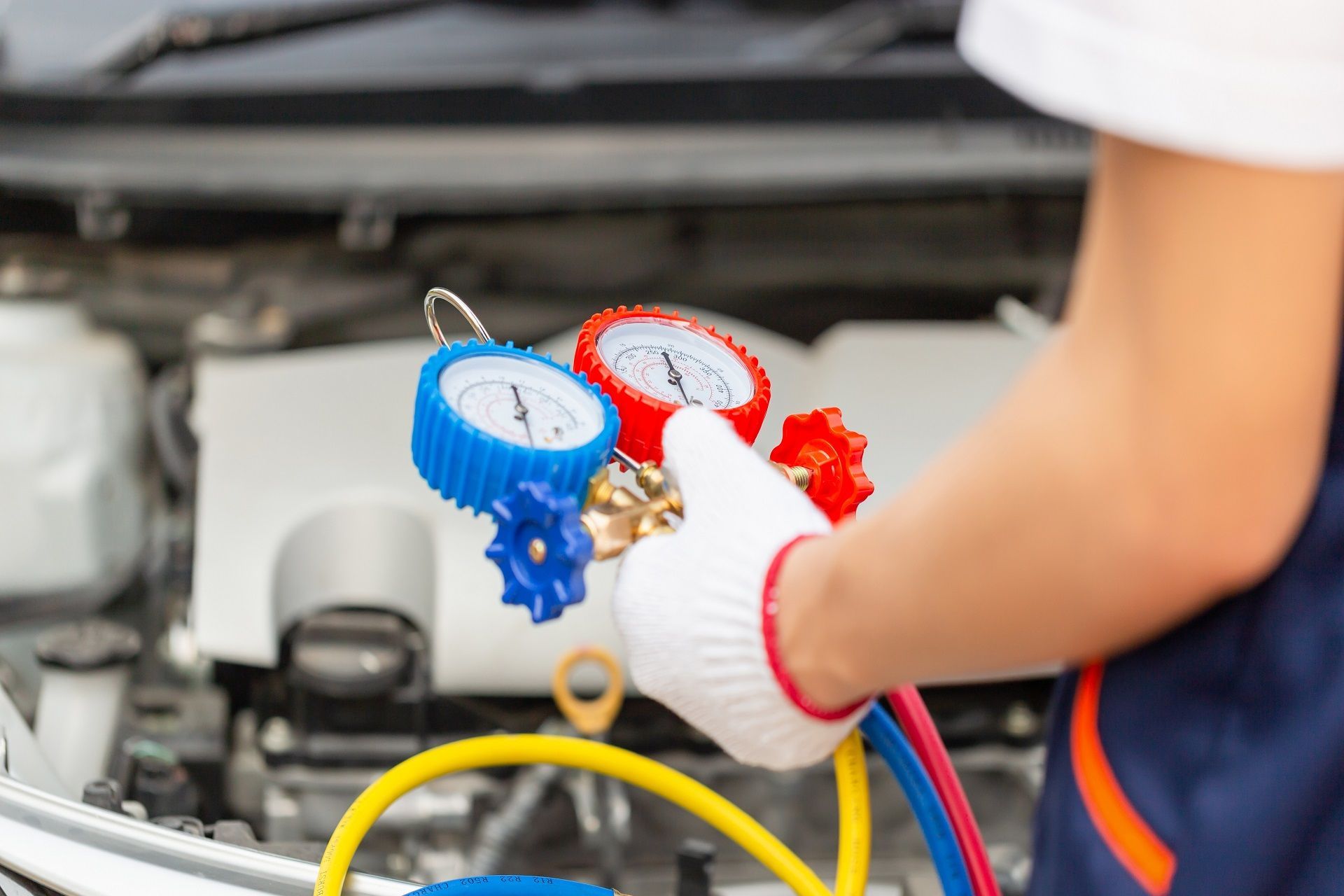
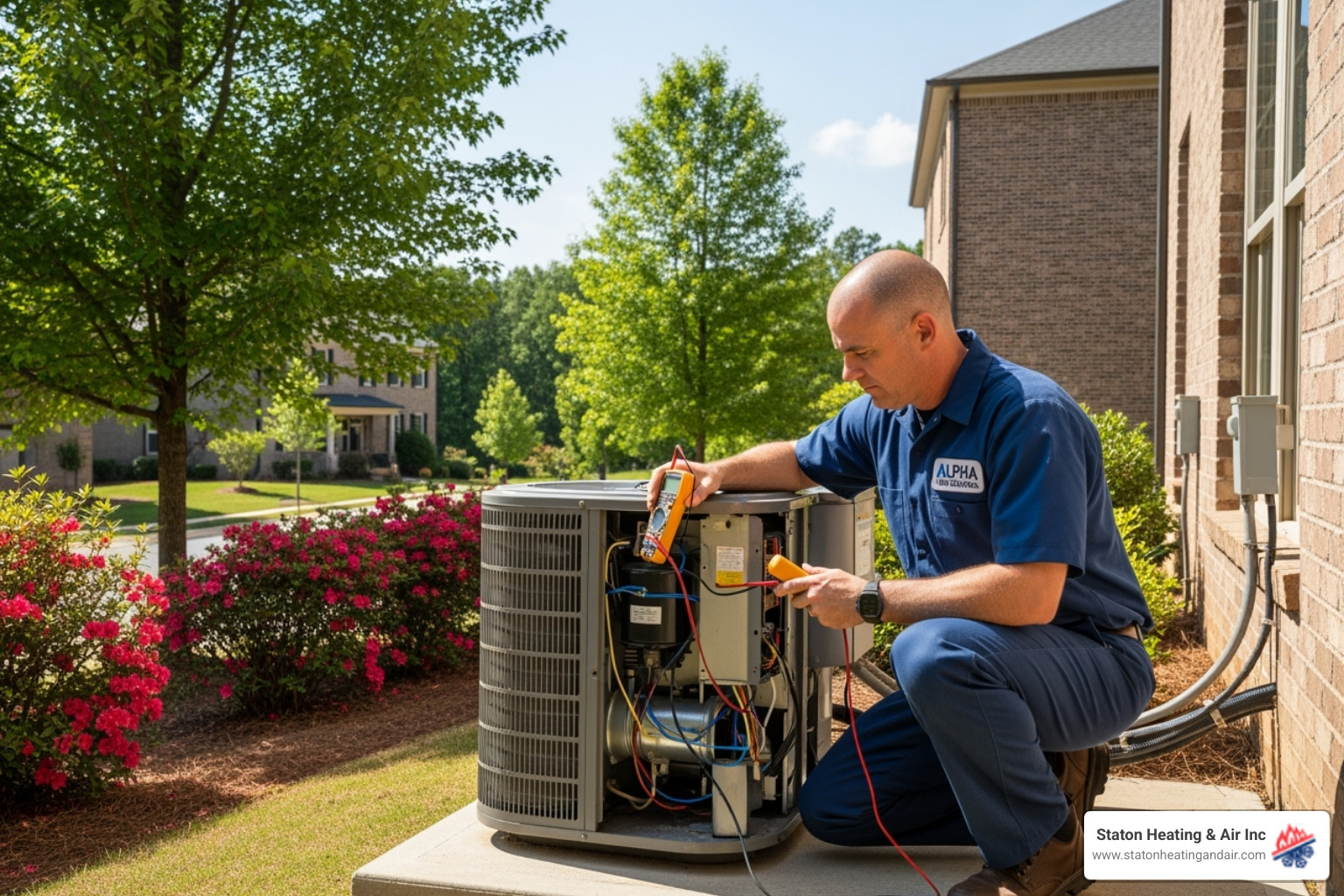
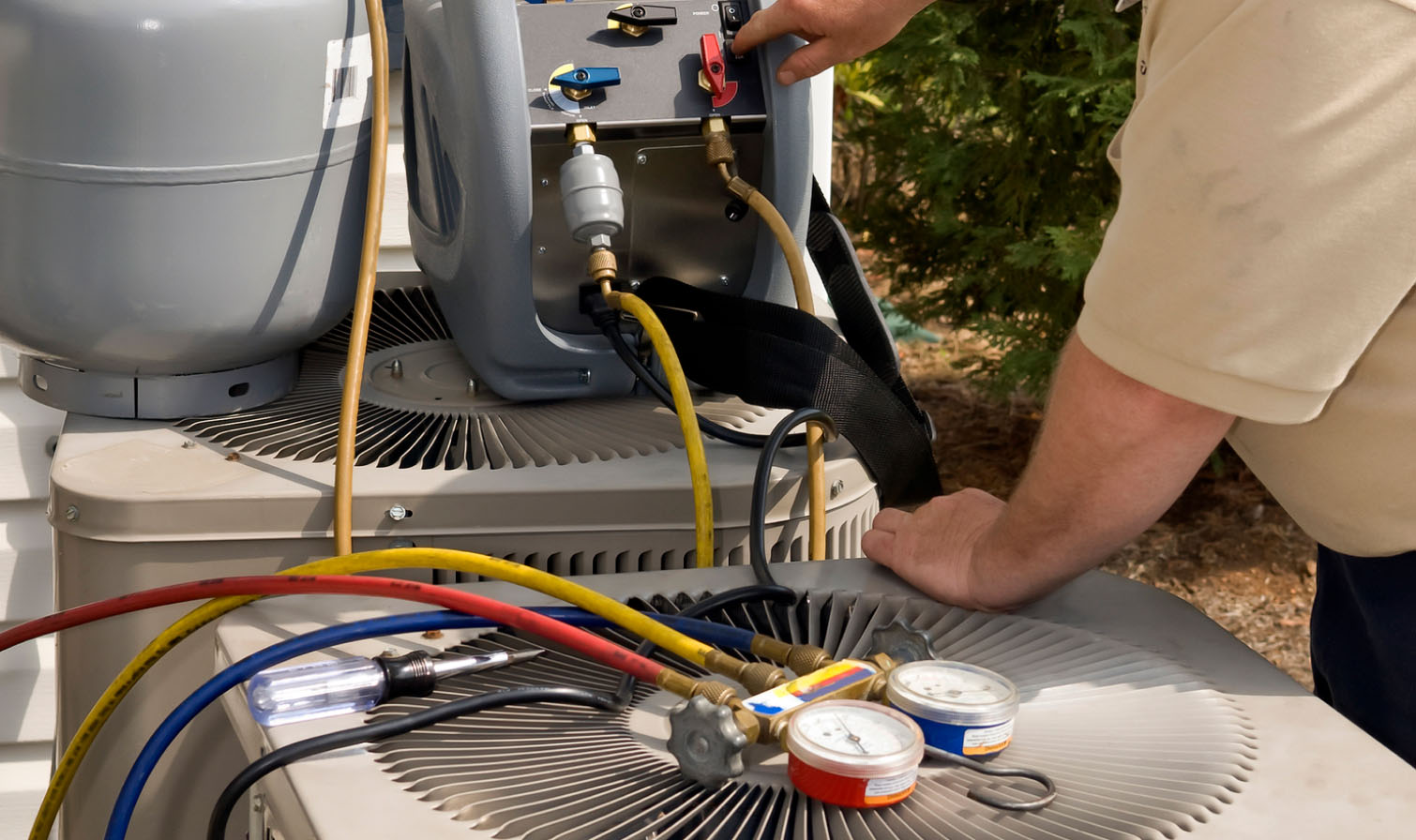
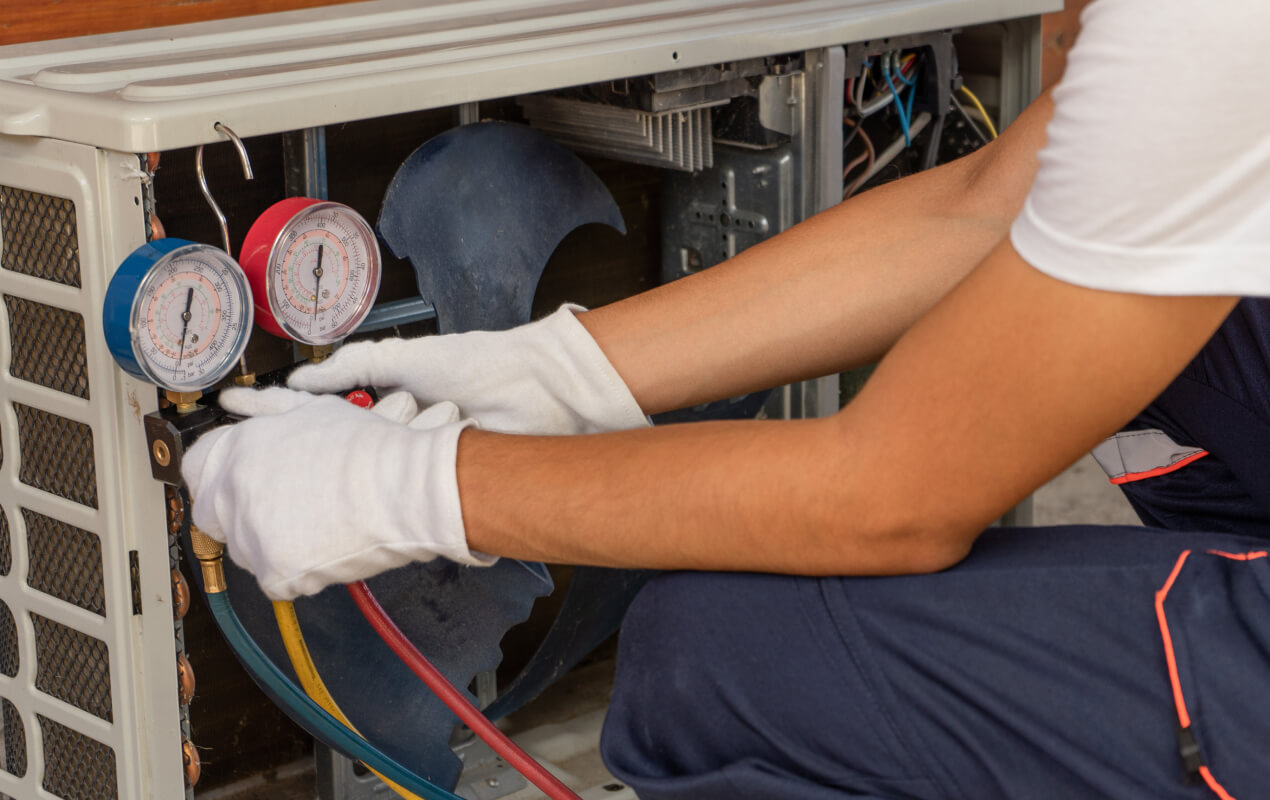
Professional air conditioning repair in Alpharetta involves the diagnosis, maintenance, and restoration of residential or commercial cooling systems to ensure optimal performance during Georgia’s humid summers. Common services include refrigerant leak detection, electrical component replacement, and compressor repairs. Local technicians specialize in addressing the unique demands of the North Fulton climate to maintain indoor air quality and energy efficiency.
Alpharetta residents are no strangers to the intense heat and high humidity that define the Georgia climate. When an air conditioning system fails in mid-July, it is more than a minor inconvenience; it is a matter of safety and property preservation. Maintaining a functional HVAC (Heating, Ventilation, and Air Conditioning) system requires a blend of proactive homeowner care and specialized professional intervention. As we navigate the cooling needs of 2026, new environmental regulations and advanced smart-home technologies have changed how repairs are approached, making it essential to understand the current landscape of the industry.
Identifying the Need for Professional AC Repair
Recognizing the early warning signs of a failing air conditioner can be the difference between a simple part replacement and a total system overhaul. In Alpharetta’s affluent residential neighborhoods, many homes utilize high-efficiency split systems or heat pumps that require precise calibration.
Unusual Noises and Vibrations
A well-functioning unit should operate with a consistent, low-level hum. If you begin to hear grinding, squealing, or banging, it often indicates a mechanical failure. For example, a squealing sound usually points toward a slipped or frayed fan belt, while grinding noises suggest that the bearings in the blower motor have worn out. Ignoring these sounds can lead to the motor seizing entirely, which often results in a much higher repair bill than a simple bearing replacement.
Inconsistent Cooling and Short Cycling
If some rooms in your Alpharetta home feel like a sauna while others are freezing, the system is likely struggling with airflow or a failing thermostat. Furthermore, "short cycling"—where the AC turns on and off frequently without completing a full cooling cycle—places immense strain on the compressor. This behavior is often caused by an oversized unit, a frozen evaporator coil, or a malfunctioning control board. In the 2026 market, many technicians use diagnostic software to pinpoint exactly where the communication breakdown is occurring between the thermostat and the air handler.
Increased Humidity Levels
Georgia is notorious for its humidity, and a primary function of your air conditioner is to dehumidify the air as it cools. If the air inside your home feels "sticky" or if you notice condensation on the interior side of your windows, your AC unit is failing its latent heat removal duties. This is often linked to dirty coils or a clogged condensate drain line. Left unaddressed, high indoor humidity encourages the growth of mold and mildew within the ductwork, which can compromise the respiratory health of your household.
Technical Challenges Specific to the Alpharetta Climate
The environmental conditions in North Fulton County present specific challenges to HVAC longevity. Understanding these local factors can help homeowners prepare for necessary repairs and maintenance.
The Impact of High Pollen and Dust
Alpharetta is known for its lush greenery, but the high pollen counts each spring can wreak havoc on outdoor condenser units. Pollen and dust create a "blanket" over the condenser coils, preventing the system from releasing heat effectively. This causes the system to run longer and hotter, accelerating the degradation of electrical components like capacitors and contactors. Professional cleaning of these coils is a standard part of any reputable repair service in the area.
Voltage Surges and Summer Storms
The frequent afternoon thunderstorms in Georgia often bring power surges. Even a minor fluctuation in voltage can damage the sensitive electronic control boards found in modern, high-SEER2 (Seasonal Energy Efficiency Ratio) units. Many Alpharetta HVAC experts now recommend and install dedicated surge protectors for both the indoor and outdoor components of the AC system to mitigate the risk of "fried" circuits during the stormy season.
Transitions in Refrigerant Standards
By 2026, the HVAC industry has largely transitioned away from R-410A in new installations due to the Environmental Protection Agency’s (EPA) phasedown of HFCs (hydrofluorocarbons). However, many homes in Alpharetta still operate on R-410A systems. Repairing these older units has become more expensive as the supply of reclaimed refrigerant tightens. Technicians must now be highly skilled in leak detection to ensure that no drop of expensive, regulated refrigerant is wasted. For more information on these regulations, you can visit the EPA’s Greenhouse Gas Reporting Program.
DIY Troubleshooting vs. Professional Intervention
While some AC issues require a licensed professional, homeowners can perform basic checks to ensure the problem isn't a simple oversight.
Homeowner Checklist
Before calling a technician for air conditioning repair in Alpharetta, perform the following steps:
- Check the Thermostat: Ensure it is set to "Cool" and the temperature is lower than the current room temperature. Replace the batteries if the display is faint or blank.
- Inspect the Air Filter: A clogged filter is the leading cause of airflow issues. If you haven't changed yours in the last 90 days, do so immediately.
- Examine the Circuit Breaker: Check your home's electrical panel to see if the AC circuit has tripped. If it trips again immediately after being reset, do not attempt to reset it a third time, as this indicates a dangerous electrical fault.
- Clear Debris: Ensure that the outdoor unit is free of leaves, grass clippings, and overhanging bushes.
When to Call a Licensed Technician
Any task involving the refrigeration cycle, high-voltage wiring, or internal gas components must be handled by a professional. In the state of Georgia, HVAC contractors must be licensed by the Georgia Secretary of State’s Construction Industry Licensing Board. Handling refrigerant without an EPA 608 certification is illegal and hazardous to the environment. Furthermore, DIY repairs on internal components often void the manufacturer’s warranty, leaving the homeowner responsible for the full cost of future failures.
Cost Analysis of AC Repair in Alpharetta (2026)
Repair costs can vary significantly based on the age of the unit, the specific part that failed, and the complexity of the labor involved. In Alpharetta, labor rates tend to reflect the specialized expertise required for the high-end systems common in the area.
| Repair Service | Estimated Cost (Parts & Labor) | Complexity Level | Time to Complete |
|---|---|---|---|
| Diagnostic/Service Call Fee | $85 – $150 | Low | 30 – 60 mins |
| Capacitor Replacement | $180 – $350 | Moderate | 1 hour |
| Condensate Pump Repair | $250 – $450 | Moderate | 1 – 2 hours |
| Blower Motor Replacement | $500 – $1,200 | High | 2 – 4 hours |
| Refrigerant Leak Repair & Recharge | $400 – $1,500 | Very High | 3 – 5 hours |
| Evaporator Coil Replacement | $1,200 – $2,500 | Very High | 4 – 8 hours |
| Compressor Replacement | $1,800 – $3,500 | Very High | 6 – 10 hours |
Note: Prices are estimates based on 2026 market trends in the North Fulton area. High-efficiency or proprietary communication systems (like those from Carrier or Trane) may incur higher parts costs.
Choosing a Quality HVAC Contractor in Alpharetta
Selecting the right contractor is as important as the repair itself. Given the density of service providers in the Alpharetta and Milton areas, homeowners should use a rigorous vetting process.
Credentials and Certifications
Ensure the technician is NATE-certified (North American Technician Excellence). NATE certification is the industry gold standard, ensuring the technician has passed rigorous testing on real-world HVAC knowledge. Additionally, verify that the company carries both general liability insurance and workers' compensation. This protects the homeowner from liability in the event of an accident on their property.
Transparency and Documentation
A reputable Alpharetta repair service should provide a detailed, written estimate before starting any work. This estimate should break down the cost of parts, labor, and any applicable disposal fees for old components or refrigerants. In 2026, many leading companies use digital platforms to send photos of the damaged parts and performance readings directly to the homeowner’s smartphone, providing a clear "before and after" of the repair process.
The Importance of Local Knowledge
Companies that have been operating in North Fulton for years understand the specific architectural styles of the area. Whether it is a historic home near downtown Alpharetta with aging ductwork or a new construction in the Avalon vicinity with zoned heating and cooling, local experts know the common failure points associated with specific local builders and installations.
Preventive Maintenance: Avoiding Emergency Repairs
The best way to handle air conditioning repair in Alpharetta is to prevent the need for it in the first place. A proactive maintenance strategy can extend the life of a cooling system by 15% to 20%.
Annual Maintenance Agreements
Most local HVAC companies offer maintenance plans, often called "seasonal tune-ups." These typically involve two visits per year—one in the spring for the AC and one in the fall for the furnace. During a spring tune-up, a technician will:
- Clean the evaporator and condenser coils.
- Check refrigerant levels and look for leaks.
- Tighten all electrical connections and measure voltage/current.
- Lubricate moving parts to reduce friction.
- Inspect the condensate drain for blockages.
The Role of Smart Technology
By 2026, many Alpharetta homes are equipped with smart thermostats that do more than just set schedules. These devices can monitor system performance and send alerts to the homeowner (and sometimes directly to the HVAC company) when a performance dip is detected. This "predictive maintenance" allows for repairs to be scheduled before the system fails entirely, often saving the homeowner from an emergency service fee during a heatwave. Information on energy-efficient cooling can be found at Energy.gov.
Frequently Asked Questions
1. How long does a typical AC unit last in the Alpharetta climate?
In the North Fulton area, a well-maintained central air conditioning unit typically lasts between 12 and 15 years. However, the high humidity and heavy summer usage can shorten this lifespan if the unit is not serviced annually. Systems located near heavy tree cover may also experience faster coil degradation due to organic debris accumulation.
2. Is it worth repairing a 10-year-old AC unit?
This depends on the "5,000 Rule." Multiply the age of the unit by the cost of the repair. If the result is more than $5,000, replacement is usually the better investment. For example, a $600 repair on a 10-year-old unit equals $6,000, suggesting a replacement might be more cost-effective in the long run, especially considering the higher energy efficiency of 2026 models.
3. Why is my AC running but not blowing cold air?
This is a common issue often caused by a failed capacitor (preventing the outdoor compressor from starting) or a significant refrigerant leak. If the indoor fan is blowing air, but that air is warm, check the outdoor unit to see if the fan is spinning. If it isn't, the problem is likely electrical. If it is spinning, you may have a clogged coil or a refrigerant issue.
4. Are emergency AC repair services available in Alpharetta on weekends?
Yes, most established HVAC contractors in Alpharetta offer 24/7 emergency services because Georgia's high temperatures can pose a health risk, especially to the elderly and young children. Expect to pay a premium "after-hours" diagnostic fee, which usually ranges from $150 to $250, excluding the cost of parts and labor for the actual repair.
5. Can I switch from R-410A to a newer refrigerant without replacing my unit?
No, you cannot simply "drop in" a new refrigerant like R-454B or R-32 into a system designed for R-410A. The oils used in the compressors and the pressure requirements of the systems are different. Attempting to mix refrigerants or use an unapproved type will destroy the compressor and likely lead to a total system failure.
Final Recommendation for Alpharetta Homeowners
If your air conditioning system is exhibiting signs of failure, such as unusual noises, poor airflow, or a sudden spike in your Georgia Power bill, the most prudent next step is to schedule a professional diagnostic. Early intervention typically prevents a single component failure from cascading into a total system breakdown. When selecting a service provider, prioritize those who offer NATE-certified technicians and transparent, flat-rate pricing. For residents in the Alpharetta, Johns Creek, and Milton area, maintaining a consistent service history with a local provider not only ensures priority service during peak summer months but also maintains the long-term value and comfort of your home.