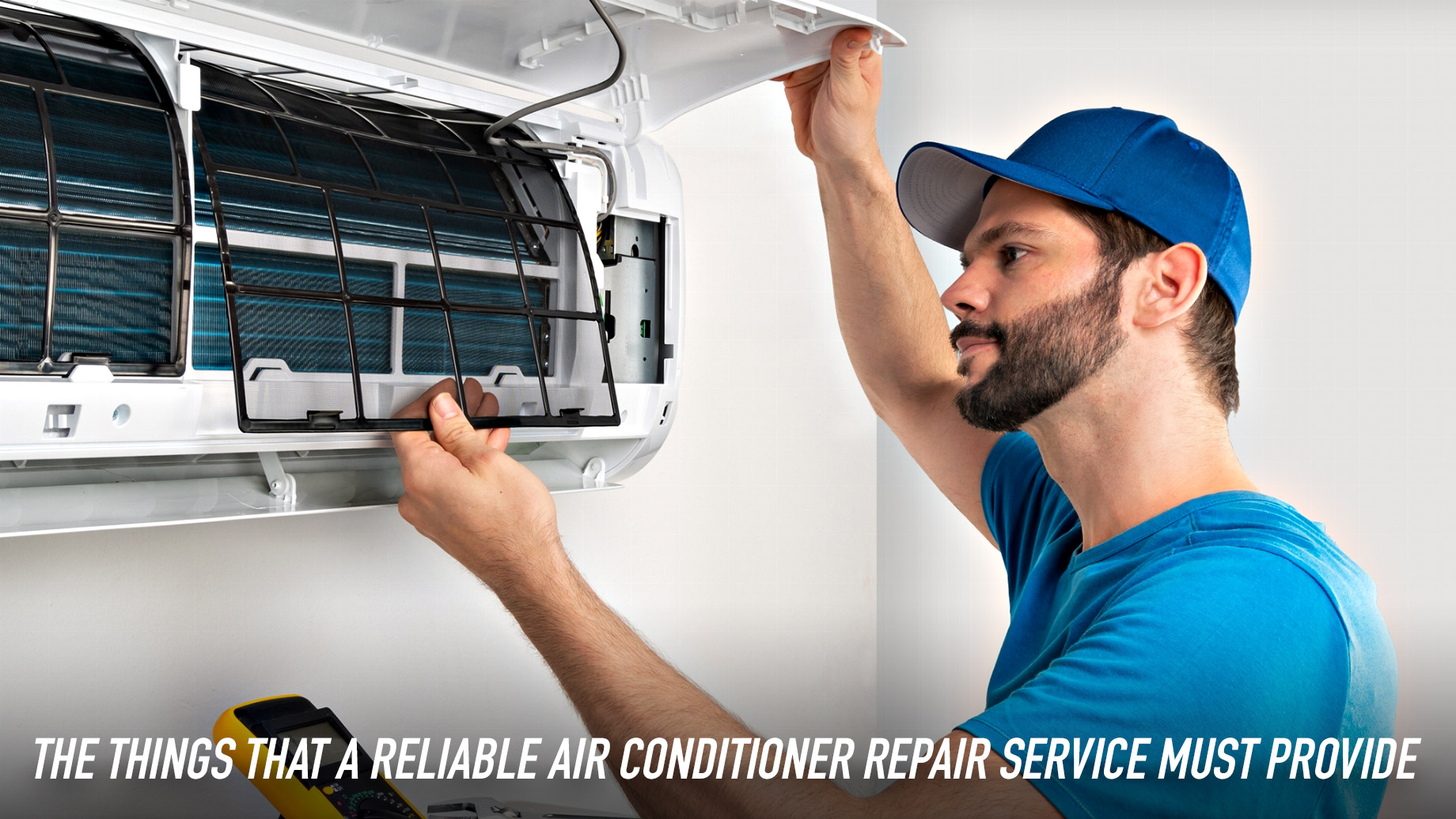
Routine air conditioner maintenance services involve comprehensive inspections, chemical cleanings, electrical testing, and mechanical adjustments performed by licensed HVAC technicians to ensure optimal cooling performance, energy efficiency, and extended equipment lifespan. By addressing minor wear and tear before it results in system failure, professional maintenance protects your home comfort and preserves manufacturer warranty protections.
Maintaining a residential or commercial cooling system is often treated as an afterthought—something property owners address only when the equipment blows warm air on the hottest day of the year. However, proactive upkeep is vital for protecting mechanical equipment, maintaining indoor air quality, and controlling escalating monthly energy expenses. Understanding the full scope of professional air conditioner maintenance services helps property owners navigate service agreements, evaluate contractor proposals, and maximize the operational longevity of their climate control systems.
The Core Objectives of Professional Air Conditioner Maintenance
Air conditioning systems are complex closed-loop networks operating under high pressure. Over months of continuous operation, components endure severe thermal stress, particulate accumulation, and mechanical vibration. Professional air conditioner maintenance services systematically counteract these degradation factors through diagnostic protocols and preventative adjustments.
Energy Efficiency and Utility Bill Mitigation
When dust, pollen, and biological growth coat indoor evaporator coils and outdoor condenser coils, thermal transfer efficiency plummets. The system must run longer and harder to achieve the target thermostat setting, drawing more electricity from the grid.
Professional maintenance restores design-level heat transfer capabilities. Clean coils, properly lubricated fan motors, and precisely calibrated refrigerant charges allow the compressor to operate at peak efficiency. According to the United States Department of Energy, routine cleaning and tune-ups can reduce an air conditioner’s energy consumption by up to 15 percent, translating to noticeable savings on seasonal utility bills.
Indoor Air Quality Enhancement
An air conditioning system does not merely cool air; it circulates, filters, and dehumidifies the indoor environment. Without routine care, the dark, moist enclosure of the air handler becomes a breeding ground for mold spores, bacteria, dust mites, and fungal growth.
During standard service visits, technicians clean condensate drain pans, flush clogged drain lines, and treat biological growth inhibitors. This prevents musty odors, minimizes airborne allergens, and protects household members from respiratory irritants circulating through the ductwork.
Equipment Longevity and Breakdown Prevention
The compressor is the heart of any air conditioning system, and replacing it often costs nearly as much as installing an entirely new unit. Most compressor failures stem from secondary issues that build up over time, such as restricted airflow, low refrigerant levels due to minor leaks, or failing electrical capacitors.
Routine tune-ups catch these precursor symptoms early. By identifying a failing capacitor or a fraying wire during a spring maintenance visit, a technician can perform an inexpensive component swap instead of executing an emergency compressor replacement during a heatwave.
Detailed Breakdown of Standard Maintenance Tasks
A comprehensive air conditioner maintenance service follows a rigorous, multi-point checklist. Homeowners should verify that any contracted HVAC technician performs a thorough physical inspection rather than a superficial visual check.
1. Coil Cleaning and Inspection
- Evaporator Coil: Located inside the air handler, this coil absorbs heat from indoor air. Technicians inspect it for dust accumulation and clean it using specialized non-toxic, no-rinse coil cleaners when necessary.
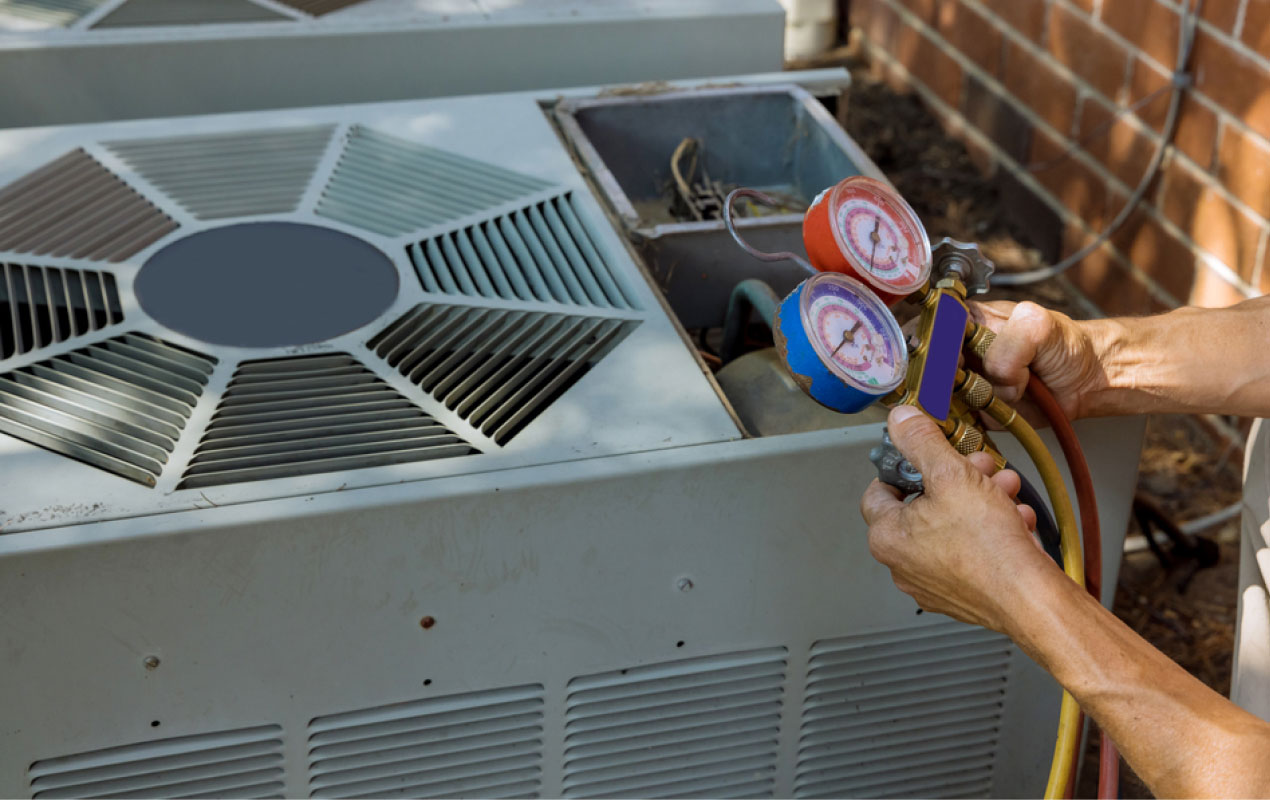
- Condenser Coil: Situated in the outdoor unit, this coil releases absorbed heat into the outside atmosphere. Because outdoor units are exposed to lawn clippings, cottonwood seeds, and ambient dust, technicians wash these coils using low-pressure water streams to prevent bent cooling fins.
2. Refrigerant Pressure and Leak Verification
Refrigerant is neither consumed nor depleted during normal operation; it cycles continuously. If refrigerant levels are low, the system has a leak. Technicians attach digital manifold gauges to service ports to measure operating pressures and subcooling or superheat temperatures. If pressures indicate a deficit, leak detection protocols using electronic sniffzers or ultraviolet dye must be deployed before recharging the system.
3. Electrical Component Testing
Electrical failures account for a significant percentage of mid-season breakdowns. Technicians execute the following electrical verifications:
- Capacitors: Measure microfarad output to ensure motors receive the proper starting and running torque. Weak capacitors exhibit out-of-tolerance capacitance and require immediate replacement.
- Contactors: Inspect electrical relay contact points for pitting, carbon buildup, or welding, which can cause erratic compressor operation.
- Wiring and Terminals: Tighten all high-voltage and low-voltage electrical connections to prevent voltage drops, arcing, and potential fire hazards.
4. Condensate Drainage Management
As air passes over the cold evaporator coil, moisture condenses out of the air and drips into a collection pan. Over time, algae and sediment can clog the drain line, causing water to back up and overflow into living spaces, resulting in expensive structural water damage. Technicians clear these lines using compressed air or specialized clearing solutions and test float switches designed to shut down the system if a blockage occurs.
5. Mechanical and Blower Analysis
The blower assembly moves conditioned air throughout the building architecture. Technicians measure motor amperage draw against manufacturer specifications to detect failing bearings, lubricate moving parts on older belt-driven systems, and inspect blower wheels for dust-caking that disrupts airflow dynamics.
Frequency and Timing of Maintenance Services
Timing is an essential element of effective HVAC management. Attempting to schedule service during the peak of summer often results in lengthy wait times and emergency diagnostic fees.
Seasonal Timing: Spring vs. Autumn
- Cooling Season Prep (Spring): The ideal window for air conditioner maintenance is early spring (March through May), before ambient temperatures spike and local contractors are overwhelmed with emergency repair calls. This ensures the system is fully prepped for heavy summer loads.
- Heating Season Prep (Autumn): If the property utilizes a heat pump—which provides both heating and cooling—a secondary service visit in the autumn is necessary to verify reversing valve operation and emergency heat strip functionality. For split systems utilizing a separate furnace, spring maintenance focuses exclusively on the cooling components.
Single Visits vs. Maintenance Memberships
Most reputable HVAC companies offer annual or semi-annual maintenance agreements (often styled as "Energy Savings Clubs" or "Comfort Clubs"). These contracts typically include:
- Two scheduled visits per year (Spring AC tune-up, Fall heating tune-up).
- Priority scheduling during peak emergency seasons.
- Discounts on repair parts and labor rates.
- Waived or reduced after-hours diagnostic fees.
| Feature / Benefit | One-Time Tune-Up | Annual Maintenance Agreement |
|---|---|---|
| Visit Frequency | Single scheduled appointment | Twice yearly (Heating & Cooling) |
| Priority Dispatch | Standard queuing | Priority emergency scheduling |
| Repair Discounts | Standard retail pricing | 10% to 15% discount on parts/labor |
| Diagnostic Fees | Full fee applies | Waived or discounted |
| Warranty Protection | Validates immediate claim | Satisfies annual maintenance mandates |
Manufacturer Warranties and Maintenance Requirements
Many property owners are unaware that modern air conditioning equipment comes with conditional manufacturer warranties. Major brands—such as Trane, Carrier, Lennox, and Goodman—typically offer a 10-year parts warranty only if the equipment is registered within a specified window following installation (often 60 to 90 days).
Crucially, the fine print of these warranty agreements almost universally contains a clause requiring proof of annual professional maintenance. If a compressor or control board fails in year seven and the owner cannot produce service records proving that licensed technicians performed annual tune-ups, the manufacturer reserves the right to deny warranty coverage, leaving the owner responsible for the full cost of parts and labor. Maintaining a meticulous binder or digital archive of all service invoices is a vital financial safeguard.
DIY Maintenance vs. Professional Service Limitations
While professional contractors must handle complex electrical testing, refrigerant handling, and internal coil servicing, homeowners play a critical role in daily and monthly system upkeep. Understanding the division of labor prevents equipment damage and optimizes baseline performance.
Safe Homeowner Maintenance Tasks
- Filter Replacements: The single most important task for any homeowner is inspecting and replacing disposable air filters every 30 to 90 days. A choked, dirty filter starves the system of airflow, causing evaporator coils to freeze over and forcing the compressor to overheat.
- Outdoor Unit Clearance: Maintain a minimum clearance of two feet around the outdoor condenser unit. Trim back shrubs, clear away fallen leaves, and remove stacked debris that obstructs airflow.
- Visual Drain Inspection: Periodically check the clear plastic condensate drain tube or external drain outlet to ensure water is flowing freely away from the property foundation.
Prohibited DIY Tasks (Safety and Legal Constraints)
- Refrigerant Handling: Under United States Environmental Protection Agency (EPA) Section 608 regulations, venting ozone-depleting or high-global-warming-potential refrigerants into the atmosphere is strictly illegal. Purchasing and handling regulated refrigerants (such as R-410A or R-22) requires formal EPA Section 608 technician certification.
- High-Voltage Electrical Work: Opening the high-voltage electrical compartment exposes individuals to severe shock and electrocution hazards from capacitors holding electrical charges even when the system breaker is turned off.
- Component Disassembly: Attempting to clean indoor coils with aggressive chemical sprays without proper containment equipment can damage sensitive electronic control boards and flood the blower motor housing.
Evaluating and Selecting an HVAC Service Provider
Selecting a qualified contractor requires looking beyond glossy advertisements and low introductory pricing gimmicks. Quality workmanship protects your investment, while shoddy service can compromise system safety and efficiency.
Key Verification Criteria
- Licensing and Insurance: Verify that the contractor holds a valid state or municipal HVAC contractor license. Ensure they carry both general liability insurance and workers' compensation coverage to protect your property from accidental damage or injury claims.
- Technician Certification: Look for technicians holding certifications from North American Technician Excellence (NATE) or the HVAC Excellence organization, which indicate advanced technical competency through rigorous testing.
- Transparent Pricing Structure: Avoid contractors who quote vague "flat inspection fees" that suddenly escalate into aggressive sales pitches for expensive indoor air quality accessories or whole-system replacements. Reputable technicians provide clear diagnostic breakdowns and written estimates before commencing non-routine repairs.
- Local Reputation and Reviews: Consult independent review platforms and verify Better Business Bureau (BBB) standing to gauge long-term customer satisfaction and complaint-resolution histories.
Troubleshooting Common Pre-Service Issues
Before placing a service call for air conditioner maintenance or repair, homeowners can perform basic diagnostic checks to resolve simple user errors or save diagnostic fees.
- System Malfunction Observed
- Check Thermostat Settings (Verify set to "Cool" and temp is lower than room)
- Inspect Circuit Breaker (Reset tripped breaker at main electrical panel)
- Examine Air Filter (Replace clogged or frozen filter)
- Verify Outdoor Unit Power (Ensure disconnect switch box is engaged)
- Tripped Circuit Breakers: If the system is completely unresponsive, check the main electrical panel and the outdoor disconnect box. A single trip caused by an momentary power surge can be reset once; however, if the breaker trips repeatedly, call a professional immediately, as this indicates an electrical short or failing motor winding.
- Thermostat Battery Failures: Many digital thermostats rely on internal AA or AAA batteries to maintain programming and relay signals to the control board. A blank screen often indicates nothing more than depleted batteries.
- Blocked Condensate Float Switches: If the system fan runs but the outdoor compressor refuses to engage, a tripped safety float switch in the drain pan may have interrupted the 24-volt control circuit to prevent water overflow. Clearing the drain line typically restores normal operation.
Conclusion
Routine air conditioner maintenance services represent a smart financial and operational investment in home infrastructure. By engaging licensed professionals for comprehensive spring and autumn inspections, property owners safeguard manufacturer warranty protections, reduce monthly energy expenditures, enhance indoor air quality, and prevent catastrophic mid-season equipment breakdowns. Combined with diligent homeowner participation—such as regular air filter replacements and keeping outdoor units clear of debris—structured preventative maintenance ensures reliable cooling performance for years to come.