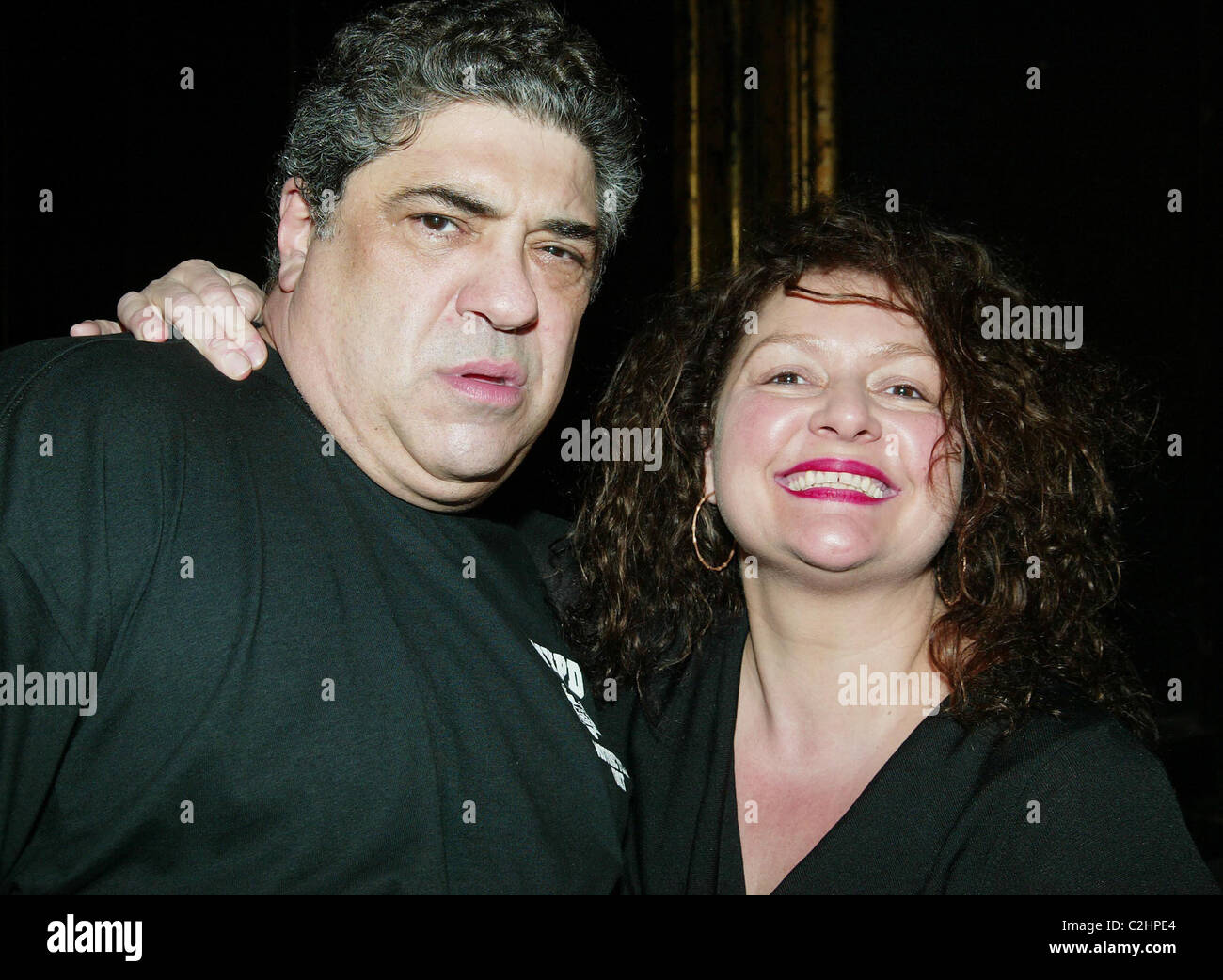
Aida Turturro is the actress who portrayed Janice Soprano, the complex and manipulative sister of Tony Soprano, in the acclaimed HBO television series The Sopranos. Her performance spanned several seasons, cementing the character as one of the most polarizing and memorable figures in television history.
The Casting and Introduction of Janice Soprano
Janice Soprano’s introduction to The Sopranos in the second season marked a significant shift in the show’s internal family dynamics. Before Janice arrived in New Jersey, Tony Soprano’s domestic life was primarily defined by his nuclear family—Carmela, Meadow, and A.J.—and his relationship with his mother, Livia. The arrival of an estranged sister provided the writers with a vehicle to explore Tony’s childhood baggage and the generational trauma inherent in the Soprano family.
Aida Turturro was cast in the role, bringing a unique blend of New Age sensibilities, thinly veiled resentment, and opportunistic behavior to the character. Unlike the other characters in the crime drama, Janice often attempted to mask her selfishness with "enlightened" language or therapy-speak, which frequently grated on Tony and the rest of the DiMeo crime family. Turturro’s ability to walk the tightrope between absurdity and genuine malice allowed Janice to remain a constant source of friction within the household.
Analyzing the Character Arc of Janice Soprano
Throughout her tenure on the series, Janice Soprano evolved from a sporadic visitor into a central antagonist and occasional foil for Tony. Her arc is defined by a series of failed reinventions. Whether she was posing as a born-again Christian, a spiritual seeker, or a grieving daughter, Janice remained fundamentally driven by greed and a desire for the status that the Soprano name provided, despite her vocal rejection of their lifestyle.
One of the most critical aspects of Turturro’s portrayal was the "mirror" Janice held up to Tony. Janice shared many of their mother Livia’s worst traits—manipulation, victimhood, and a penchant for stirring conflict—yet she frequently criticized Tony for his criminal activities. This hypocrisy created a fascinating narrative tension. Turturro played these scenes with a specific brand of defiance, showing that Janice viewed herself as the "black sheep" of the family, yet she never truly left the gravitational pull of the North Jersey mob environment.
Aida Turturro’s Acting Approach and Technique
Aida Turturro’s performance in The Sopranos is a masterclass in nuance. Many of the characters in the series, particularly the male mobsters, relied on bluster, violence, and intimidation to exert control. Janice, however, operated differently. She used emotional labor, strategic vulnerability, and gaslighting.
Turturro famously captured the "voice" of the character—a slightly nasal, condescending inflection that signaled to the audience that Janice was rarely being honest, even with herself. Her interactions with Bobby Baccalieri, who eventually became her husband, highlighted her predatory nature. While there were moments where the show teased a genuine bond between them, Turturro’s performance consistently hinted at the underlying calculation. She treated relationships like tactical maneuvers, a skill she clearly inherited from Livia.
Key Moments and Narrative Impact
Janice Soprano is responsible for some of the most shocking and memorable moments in the series. Her relationship with Richie Aprile and the subsequent fallout, her ongoing psychological battles with Tony over their father’s estate, and her eventually stable (if unconventional) life with Bobby all served to propel the plot forward.
Significant Character Milestones
| Milestone | Context | Impact on Story |
|---|---|---|
| Return to NJ | Janice arrives in Season 2 | Reintroduces childhood conflict to Tony |
| Richie Aprile | Engagement to the hot-headed captain | Drives plot toward major internal conflict |
| The Killing of Richie | Janice shoots Richie in an argument | Demonstrates her own violent, impulsive nature |
| Marriage to Bobby | Marriage to Tony's associate | Solidifies her permanent place in Tony's world |
| Harpo/Hal | The estrangement from her son | Highlights her neglectful tendencies |
Each of these milestones provided Aida Turturro with different emotional landscapes to navigate. The incident with Richie Aprile, in particular, was a turning point for the audience’s perception of her. It stripped away any pretense that she was merely a "hippie" outsider and revealed her to be just as capable of cold, calculated survival as the men in the show.
Comparison: Janice Soprano vs. Other Female Leads
In the world of The Sopranos, female characters generally fell into two categories: those who were complicit in the crime world (like Carmela) and those who were victims of it (like Meadow or Dr. Melfi). Janice existed in a gray area. She was both a victim of her upbringing and a perpetrator of emotional violence.
Unlike Carmela, who often struggled with the moral implications of her lifestyle, Janice was fundamentally unbothered by the source of the family’s wealth. She wanted the money, but she wanted to feel intellectually or morally superior while spending it. This lack of self-awareness was Turturro’s greatest asset in the role. She played Janice with such total conviction in her own righteousness that even when she was objectively at her worst, the character felt grounded and realistic.
The Cultural Legacy of the Character
By 2026, the cultural impact of The Sopranos remains significant, and Janice Soprano is frequently cited as one of the best-written secondary characters in television history. Aida Turturro’s work contributed to a shift in how female villains or "anti-heroines" were written. She was not a classic "femme fatale," nor was she a traditional villain. She was a deeply flawed, often irritating, and frequently dangerous person who felt like someone one might actually meet in real life.
The character’s name itself has become shorthand in pop culture for the "difficult sibling" or the person who uses pseudo-spirituality to mask selfishness. This longevity is a testament to the writing, but it is equally a testament to the physicality and emotional presence Turturro brought to the screen.
Frequently Asked Questions
Did Aida Turturro use her own personality for Janice Soprano? No. Aida Turturro has stated in various interviews that she is quite different from Janice. She often noted that she had to work to find the specific "meanness" and the "entitlement" that defined the character, as they were not traits she naturally identified with.
How did Janice Soprano change after marrying Bobby Baccalieri? While Janice remained manipulative, her marriage to Bobby forced her to adopt a more domestic role. She attempted to play the part of a supportive mob wife and stepmother. However, Turturro continued to display glimmers of the old Janice, showing that her transformation was largely performative to ensure her own security within the family structure.
Was Aida Turturro related to John Turturro? Yes, Aida Turturro is the cousin of actors John Turturro and Nicholas Turturro. Acting runs in the family, though Aida built a distinct identity through her work on The Sopranos that is entirely independent of her famous cousins.
Why was Janice Soprano often called "Parvati"? Janice adopted the name "Parvati" during her years living in Seattle to signify her "enlightened" and "spiritually evolved" persona. Tony often used the name mockingly to highlight the absurdity of her identity shift and to remind her that, regardless of her name change, she was still a Soprano.
Is Janice Soprano considered a main character? While she was not a series regular in every episode like Tony or Carmela, Janice is widely considered a primary supporting character. Her influence on the plot, especially in the middle-to-late seasons, is so pervasive that the show’s central conflicts frequently revolve around her actions and her volatile relationship with her brother.
Next Steps for Fans of the Character
If you are revisiting the series or interested in exploring the character of Janice Soprano further, focus on the scenes where she interacts with Livia Soprano. These moments provide the foundational context for why Janice acts the way she does. Pay close attention to her body language; Aida Turturro uses subtle shifts in posture and expression to signal when Janice is about to "perform" for someone or when she is genuinely angry. Understanding these non-verbal cues provides a richer experience of the character's psychological complexity.