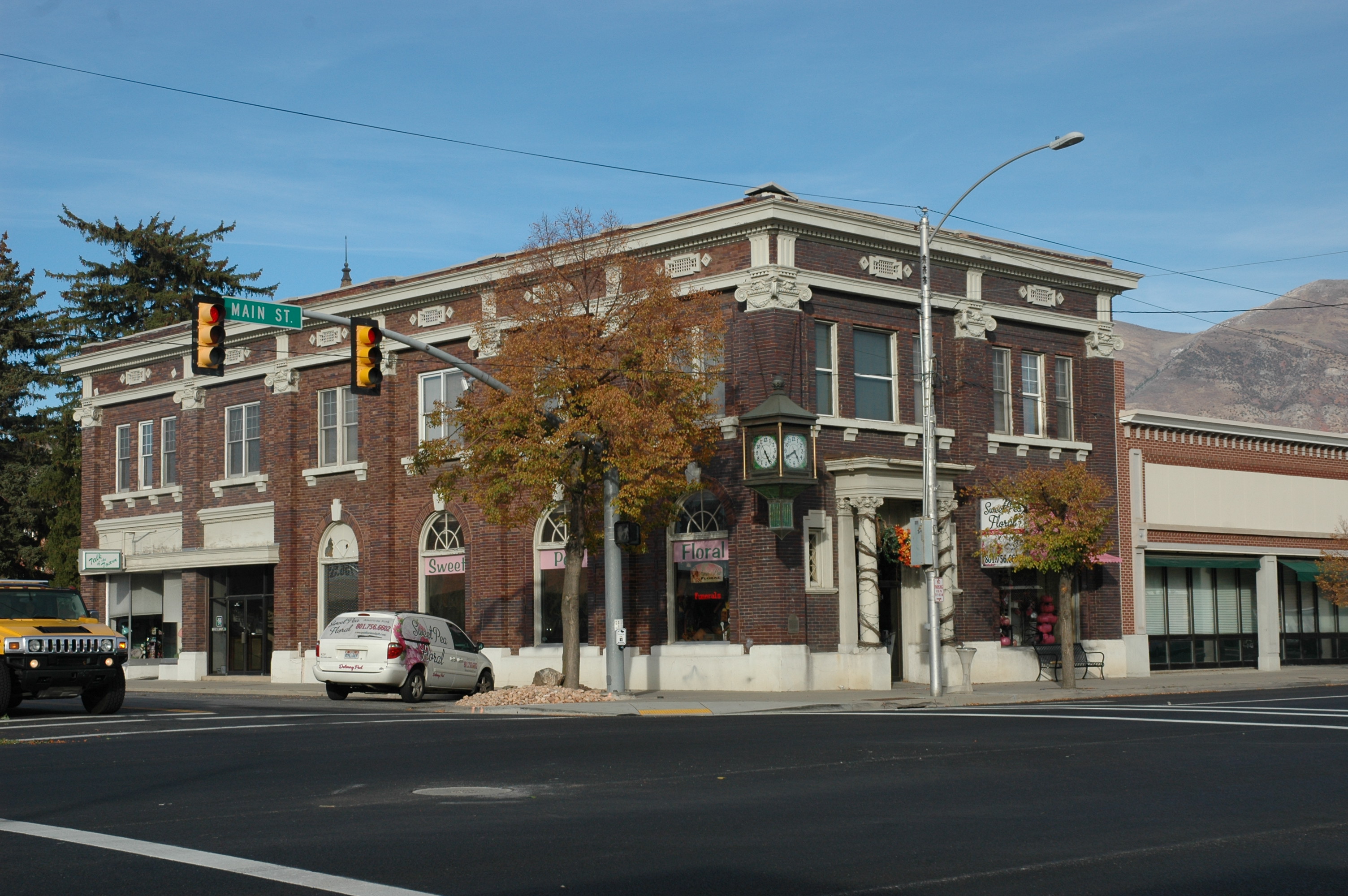
Navigating auto insurance requirements in American Fork, Utah, involves understanding state-mandated coverage minimums, evaluating local agency offerings, and selecting policy limits that protect personal assets against the unique driving conditions along the Wasatch Front. Whether you are relocating to Utah County, purchasing a new vehicle, or re-evaluating your current policy, securing the right protection requires a clear breakdown of legal requirements, coverage types, local risk factors, and actionable steps to optimize your premium rates.
Understanding Utah Auto Insurance Regulations and Requirements
Motorists operating vehicles in American Fork must comply with the motor vehicle insurance laws established by the Utah Insurance Department. Utah is classified as a "no-fault" state, which dictates a specific framework for handling accident claims, liability distribution, and medical expense coverage regardless of who caused a collision.
The Personal Injury Protection (PIP) Mandate
Under Utah Code Section 31A-22-302, every owner of a motor vehicle registered in the state must maintain Personal Injury Protection (PIP) coverage. PIP is designed to pay medical expenses, rehabilitation costs, and a portion of lost wages or essential services for the driver and injured passengers, up to the policy limits, without having to prove fault in a court of law.
- Minimum PIP Limit: Utah law requires a minimum PIP coverage limit of $3,000 per person. However, many insurance providers and local agents in American Fork recommend higher limits, such as $10,000, given escalating healthcare costs.
- Health Insurance Coordination: Motorists in Utah have the option to coordinate their PIP coverage with their health insurance plan, which can reduce the auto insurance premium. If coordinated, the health insurance primary payer handles medical bills first, while PIP covers deductibles, co-pays, and supplemental expenses up to its limit.
Minimum Liability Insurance Limits
In addition to PIP, Utah drivers must carry mandatory liability insurance to cover bodily injury and property damage caused to other parties when the policyholder is at fault. The state-mandated minimum liability limits—often expressed as a split limit—are:
- $25,000 for bodily injury liability per person injured in any one accident.
- $50,000 for total bodily injury liability if multiple people are injured in a single accident.
- $15,000 for property damage liability per accident.
While these numbers represent the legal floor to register a vehicle with the Utah Division of Motor Vehicles (DMV), financial advisors and insurance professionals universally advise higher limits. Property damage costs and medical bills resulting from multi-car accidents on busy corridors like Interstate 15 or State Road 92 can easily exceed these modest thresholds, leaving unprotected motorists personally liable for remaining balances.
Evaluating Local Driving Risks in American Fork, Utah
When underwriting policies for residents in American Fork, insurance carriers evaluate geographic, environmental, and infrastructural risk factors specific to Utah County. Understanding these variables helps drivers select comprehensive coverage options that extend beyond basic legal minimums.
Seasonal Weather and Mountain Driving Conditions
American Fork experiences distinct four-season weather patterns, presenting driving challenges that directly influence insurance risk:
- Winter Storms and Snowfall: Situated at the base of Mount Timpanogos, American Fork frequently receives heavy winter snowfall and encounters freezing temperatures. Black ice on local streets and the nearby Provo Canyon or Alpine Loop routes increases the frequency of sliding accidents, single-car slip-offs, and rear-end collisions.
- Canyon Winds: Strong east canyon winds blowing out of American Fork Canyon can affect high-profile vehicles, semi-trucks, and drivers towing trailers along local arteries, raising the risk of wind-related structural or collision damage.
Infrastructure and Traffic Density
The rapid population growth along the Wasatch Front has transformed American Fork into a bustling suburban hub. Commuters traveling north toward Silicon Slopes in Lehi or south toward Provo contribute to dense rush-hour traffic along major thoroughfares, including:
- Interstate 15 (I-15)
- State Road 145 (Main Street)
- State Road 61 (500 East)
- State Road 92 (Alpine Highway)
High traffic volume increases the statistical likelihood of congestion-related fender-benders, stop-and-go collisions, and uninsured motorist incidents. Consequently, incorporating Uninsured/Underinsured Motorist (UM/UIM) coverage is a prudent safeguard for drivers in this region.
Comprehensive vs. Collision: Protecting Your Vehicle
Beyond liability and PIP, vehicle owners financing their cars or seeking total asset protection must choose physical damage coverages. These optional policies pay to repair or replace the insured vehicle after an incident.
| Coverage Type | What It Protects Against | Typical Application |
|---|---|---|
| Collision Coverage | Damage to your vehicle resulting from a collision with another vehicle or object (e.g., guardrails, trees, buildings, or rollovers). | Essential for leased or financed vehicles; recommended for newer cars with significant market value. |
| Comprehensive Coverage | Non-collision incidents, including theft, vandalism, fire, windshield cracks from flying rocks, falling tree branches, and animal strikes. | Crucial for mountain-adjacent areas where wildlife encounters (such as deer) or severe weather pose regular risks. |
| Uninsured/Underinsured Motorist (UM/UIM) | Medical bills and property damage when you are struck by a driver who carries no insurance or lacks adequate limits to pay claims. | Highly recommended in Utah to shield against financial loss from under-protected motorists. |
Steps to Secure and Optimize Auto Insurance in American Fork
Securing an auto insurance policy that balances comprehensive protection with manageable monthly premiums involves a systematic approach. By preparing necessary documentation and evaluating discounts, consumers can streamline the enrollment process.
Step 1: Gather Required Personal and Vehicle Information
Before contacting insurance agencies or utilizing online quote engines, compile the following data points to ensure accurate underwriting and pricing:
- Driver’s License Numbers: For all household members who will be listed as drivers on the policy.
- Vehicle Identification Numbers (VINs): Located on vehicle registrations, insurance cards, or the driver’s side dashboard.
- Driving History: Approximate dates of any traffic violations, speeding tickets, or at-fault accidents within the past three to five years.
- Current Odometer Readings: Essential for estimating annual mileage accurately, which impacts premium calculations.
Step 2: Compare Local Agencies and National Carriers
Drivers in American Fork have access to a wide array of insurance providers, ranging from independent local insurance agencies embedded in Utah County to major national carriers with digital platforms.
- Independent Agents: Local independent agents can quote policies across multiple competing insurance companies simultaneously, helping clients find specialized regional discounts and personalized customer service.
- Direct Writers: National carriers allow policyholders to manage claims and adjustments entirely through mobile applications, though rates may vary based on corporate underwriting algorithms.
Step 3: Leverage Available Discounts
Insurance companies offer various discounts to reduce premium costs. When requesting quotes in American Fork, verify eligibility for the following:
- Multi-Policy (Bundle) Discounts: Combining home, renters, or umbrella insurance with auto insurance under a single provider.
- Safe Driver Discounts: Maintaining a clean driving record free of accidents and moving violations for three to five consecutive years.
- Telematics Programs: Enrolling in app-based monitoring programs (such as Progressive Snapshot or State Farm Drive Safe & Save) that track driving habits like speed, braking, and phone usage.
- Vehicle Safety Features: Disclosing factory-installed anti-theft systems, anti-lock brakes, and advanced driver-assistance systems (ADAS).
Factors Influencing Auto Insurance Rates in Utah
Insurance premiums are not uniform; carriers utilize complex actuarial models to price risk. Understanding these variables helps policyholders identify areas where they can improve their risk profile over time.
Driving Record and Claims History
An individual's driving history remains one of the most heavily weighted rating factors. Speeding tickets, reckless driving citations, DUIs, and at-fault accidents signal higher statistical risk to underwriters, resulting in surcharges that can persist for three to seven years depending on the infraction severity. Conversely, maintaining a clean record qualifies motorists for preferred tier pricing.
Credit-Based Insurance Scores
In accordance with Utah insurance regulations, carriers may use credit-based insurance scores to help determine premium rates. Statistical correlations indicate that individuals who manage credit responsibly tend to file fewer insurance claims. Paying down revolving debt and monitoring credit reports for errors can positively influence insurance pricing over time.
Vehicle Make, Model, and Repair Costs
The type of vehicle driven directly affects comprehensive and collision premiums. Vehicles equipped with expensive electronic sensors, aluminum bodies, or specialized parts cost more to repair after a collision. High-performance sports cars or frequently targeted vehicle models for theft also carry higher insurance premiums compared to standard sedan or compact SUV models.
Frequently Asked Questions
What are the mandatory auto insurance requirements in Utah?
Utah law requires all registered vehicles to carry Personal Injury Protection (PIP) with a minimum limit of $3,000 per person, alongside liability insurance limits of $25,000 for bodily injury per person, $50,000 for total bodily injury per accident, and $15,000 for property damage per accident.
Is Utah a no-fault auto insurance state?
Yes. Utah is a no-fault state, meaning that after an accident, each driver's own insurance policy covers their medical expenses and lost wages through PIP, regardless of who caused the collision, up to the policy's limits.
How can I lower my auto insurance rates in American Fork?
You can lower your insurance rates by bundling your auto policy with home or renters insurance, maintaining a clean driving record, opting for a higher deductible, driving a vehicle with advanced safety features, and inquiring about defensive driving course completion discounts.
Are uninsured motorist coverage options necessary in Utah?
While not legally mandatory, uninsured and underinsured motorist (UM/UIM) coverage is strongly recommended. It protects you financially if you are involved in an accident with a motorist who carries no insurance or insufficient liability limits to cover your medical and repair costs.
Can my credit score affect my auto insurance premium in Utah?
Yes. Utah law permits insurance companies to utilize credit-based insurance scores as a factor in determining rates, provided they follow state guidelines regarding disclosure and non-discriminatory practices.
Practical Next Actions
To secure appropriate auto insurance coverage in American Fork, begin by reviewing your current policy limits against Utah’s statutory minimums and your personal asset protection goals. Contact at least three independent local agents or national carriers to request comparative quotes using identical coverage parameters. Verify that your policy includes adequate PIP, liability, and optional comprehensive protections tailored to Utah's seasonal driving environment.
Disclaimer: Insurance laws, regulations, and underwriting guidelines are subject to periodic revision. Readers should consult with a licensed insurance professional or the Utah Insurance Department for specific guidance regarding individual policy needs.