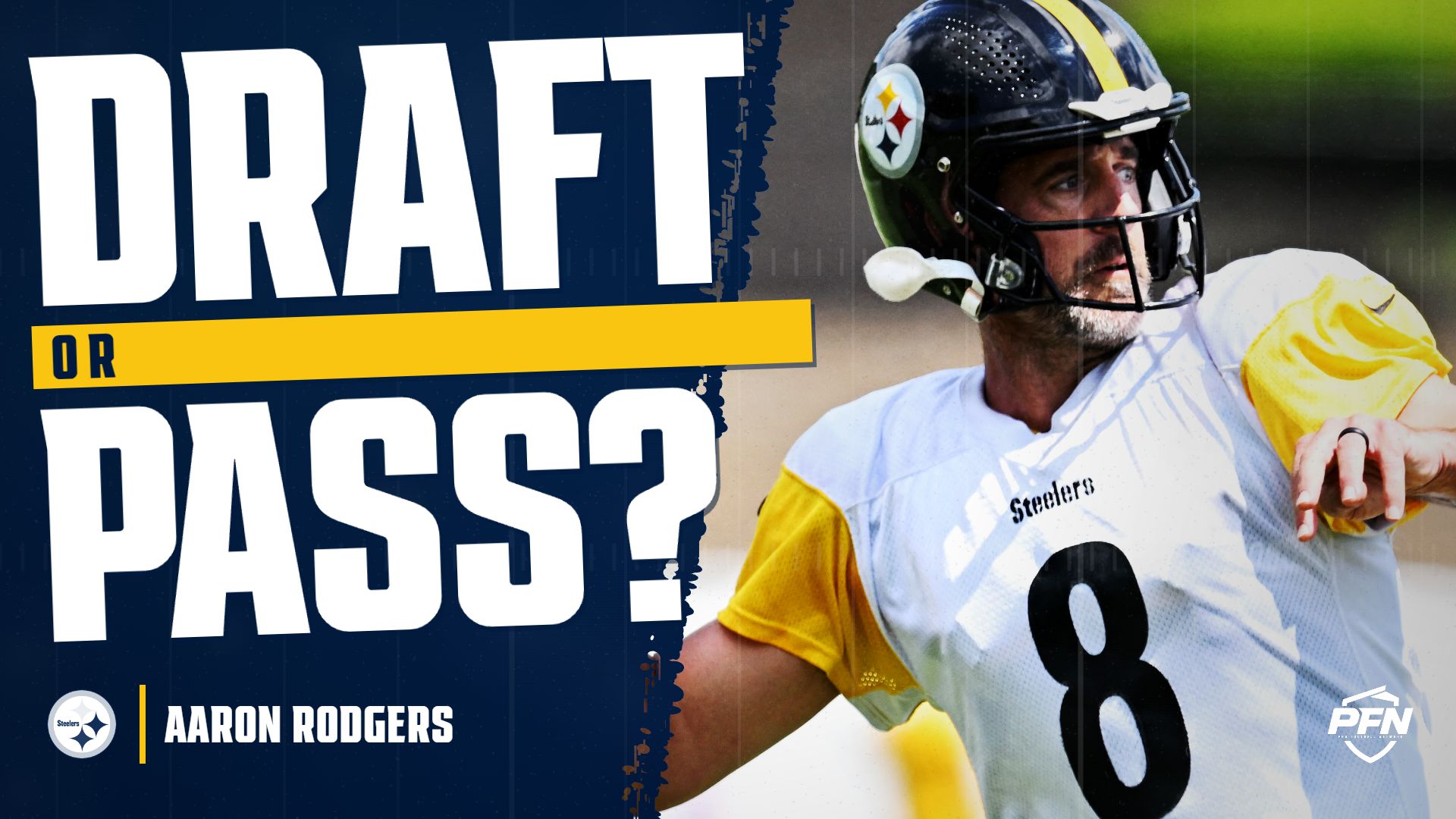
Selecting the perfect team name is a cornerstone of the fantasy football experience, blending team loyalty, pop culture wit, and the specific quirks of a star player. For managers looking to honor Aaron Rodgers in their 2026 fantasy lineups, the right moniker should balance his long-standing legacy in the NFL with the evolving narrative surrounding his current career chapter. Whether you are looking for puns based on his name, references to his iconic plays, or nods to his off-field personality, the following guide provides a comprehensive breakdown of naming conventions, thematic categories, and strategic tips to help you stand out in your league.
Understanding the Anatomy of a Great Fantasy Name
A top-tier fantasy football name usually relies on a few key elements: phonetic resonance, cultural recognition, and a touch of self-deprecation or bravado. When working with a specific player like Aaron Rodgers, the primary goal is to create a connection that your league mates instantly recognize. If a name requires too much explanation, it loses its punch.
In 2026, many managers prefer names that highlight longevity. As Rodgers has solidified his place as one of the most recognizable figures in sports history, names that play on his status as an elder statesman of the game provide a balanced mix of respect and humor. The best names bridge the gap between the player’s on-field technical mastery—his precision passing and football IQ—and the more colorful aspects of his public persona.
Categorizing Your Aaron Rodgers Fantasy Names
To find the right fit for your team, it helps to group ideas by theme. This allows you to tailor your name to your specific team culture, whether you prefer something professional, irreverent, or purely pun-based.
The Wordplay and Pun-Based Category
These are the classics of the fantasy world. They utilize Rodgers’ first and last name to create memorable associations with popular songs, movie titles, or everyday phrases.
- Rodgers That: A nod to the military/pilot communication phrase, perfect for a team that prioritizes precision passing.
- The Aaron-naut: Implies your team is on a space-faring journey to the championship.
- A-Rod’s Redemption: A classic sports trope that adds a sense of narrative stakes to your weekly matchups.
- Mr. Rodgers’ Neighborhood: A timeless classic that frames your fantasy team as the dominant force in the league.
- Rodgers and Hammerstein: For the manager who views fantasy football as a high-art theatrical performance.
The Skill-Set and Tactical Category
These names focus on the technical side of the game. If your fantasy strategy revolves around drafting high-volume passers or if you play in a Superflex or 2-QB league, these names emphasize the quarterback position’s importance.
- Hail Mary Specialists: Referencing the famous high-arc throws that defined significant moments in his career.
- The MVP Archive: A reminder of his historical accolades and high-level performance metrics.
- Precision Passing Co.: Professional and slightly intimidating, suggesting that your team is built on efficiency.
- The Discount Double-Check: Referencing his most famous celebration; it serves as a subtle reminder to opponents that they need to check their defensive schemes.
The Persona and Pop Culture Category
Given Rodgers’ high public profile, many managers enjoy incorporating elements of his lifestyle and interests into their team branding.
- The Darkness Retreat: A timely reference to his well-publicized off-field interests.
- Jet Fuel & Hail Marys: Specific to his later-career team tenure, grounding your name in his current organizational context.
- State Farm Security: A clever play on his long-standing commercial partnerships and the idea that your team is "insured" against bad weeks.
Choosing a Name for Your League Format
The structure of your league matters. If you are in a highly competitive, high-buy-in "dynasty" league, you might opt for a name that sounds more established and serious. In a casual "redraft" league among friends, you have more leeway to lean into absurdity or inside jokes.
| Category | Recommended Vibe | Example Name |
|---|---|---|
| Competitive / Dynasty | Established, Intimidating | The MVP Archive |
| Casual / Friends | Humorous, Lighthearted | Mr. Rodgers’ Neighborhood |
| Superflex / 2-QB | Technical, Tactical | Rodgers and Out |
| High-Stakes | Bold, Narrative-Driven | Rodgers That |
Tactical Considerations for Fantasy Naming
When finalizing your choice, consider the longevity of the name. Changing your team name mid-season can sometimes be seen as a sign of panic or instability. A name that sounds good in Week 1 should ideally still feel relevant during the playoffs in December.
Furthermore, ensure that your chosen name complies with any league-specific guidelines. While most private leagues have loose regulations, public platforms—such as those hosted by major sports outlets—often have character limits or profanity filters. Keeping your name clean ensures that you don't face forced changes or administrative warnings from league commissioners.
Common Pitfalls to Avoid
The most frequent mistake managers make is choosing a name that is too long. While a long name might seem clever, it will often be truncated on the mobile app interfaces where most fantasy football is managed. Aim for under 20 characters to ensure your team name is fully legible on the scoreboard and in the matchup previews.
Additionally, avoid choosing a name that is too niche. If the reference relies on a specific event from five years ago that nobody remembers, you will find yourself explaining your team name every single week. The most successful names are those that rely on widely understood concepts related to the player.
Expert Tips for Personalization
To make an Aaron Rodgers-themed name feel unique to your team in 2026, consider adding a personal suffix or prefix.
- Combine with your name: "Smith’s Rodgers-n-Load"
- Add your location: "NYC Rodgers’ Neighborhood"
- Include your team’s goal: "Rodgers 4 Ringz"
By personalizing the moniker, you turn a generic player reference into a unique brand for your fantasy franchise.
Frequently Asked Questions
Can I use my Aaron Rodgers team name in multiple leagues?
Yes, you can use the same name across different platforms. In fact, many managers do this to maintain a consistent "fantasy brand" across all the leagues they participate in, which can help your friends and rivals recognize you immediately.
Should I change my name if Rodgers has a bad week?
It is generally advised against. Part of the fun of fantasy football is the "ride or die" mentality. If your team is struggling, a name change can feel like you are abandoning your commitment to the roster. Stick with the name through the slump, and it will be all the more rewarding when your team bounces back.
Are there any copyright issues with using these names?
Fantasy team names are considered personal creative expressions within a private game environment. As long as you are not using the names for commercial gain or to misrepresent yourself as the official player, you are well within the standard rules of recreational fantasy football.
What if my league mates already have similar names?
If someone else in your league has already claimed a version of the name (e.g., "Mr. Rodgers' Neighborhood"), try to iterate. Add a modifier like "The REAL Mr. Rodgers' Neighborhood" or "The Original Rodgers Neighborhood." Most leagues allow for minor variations, and it can even spark a fun, lighthearted rivalry between the two team owners.
Is it better to be funny or intimidating?
This depends entirely on the tone of your league. If your league is highly active with lots of trash talk, an intimidating or slightly edgy name might be the best route. If your league is a group of friends who prioritize humor, go for the funniest pun you can find.
Next Actions for Your Fantasy Season
Once you have selected your name, the next logical step is to build your team branding around it. Update your team logo—many platforms allow you to upload custom images—to match the theme. If you chose "Mr. Rodgers' Neighborhood," a custom avatar featuring a caricature of the quarterback in a cardigan can provide a cohesive look that signals you are invested in the team's presentation as much as its points total.
As the 2026 season progresses, track how your team performs relative to the "intensity" of your name. If you find yourself leading the league, a strong, bold name becomes a point of pride. If you find yourself in the middle of the pack, a humorous name acts as a great icebreaker, keeping the league atmosphere fun regardless of the weekly outcome.