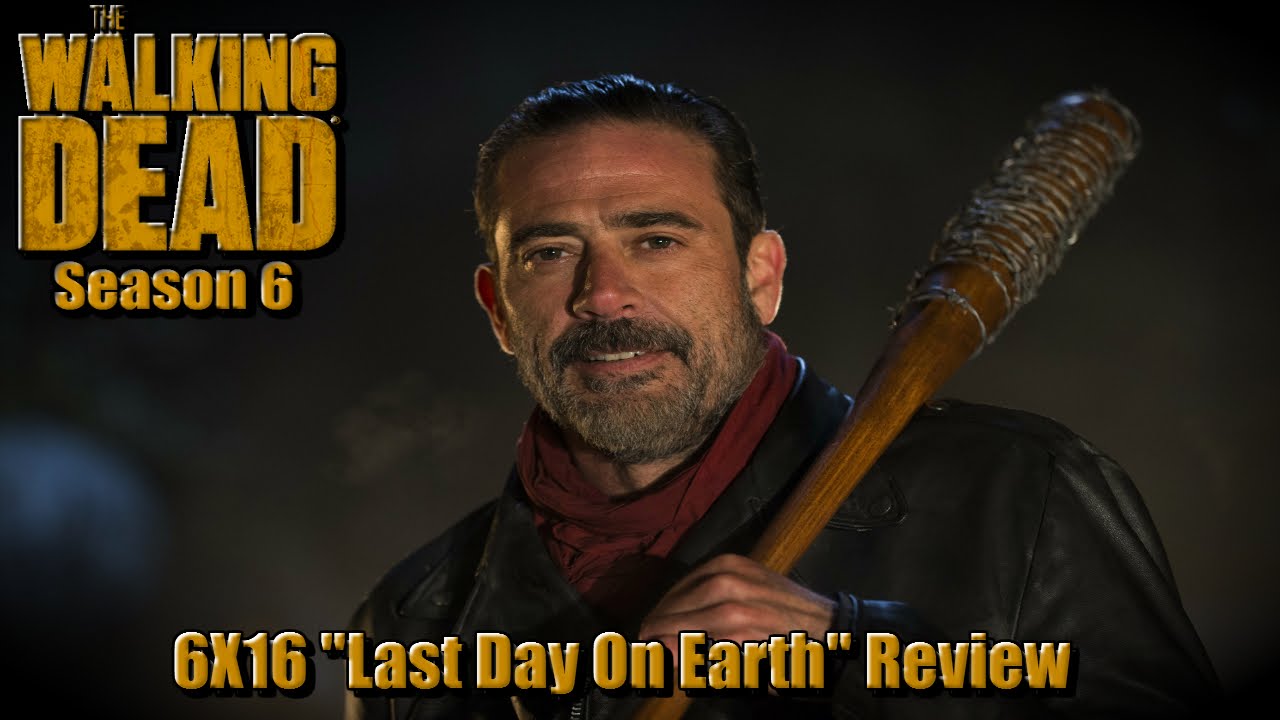
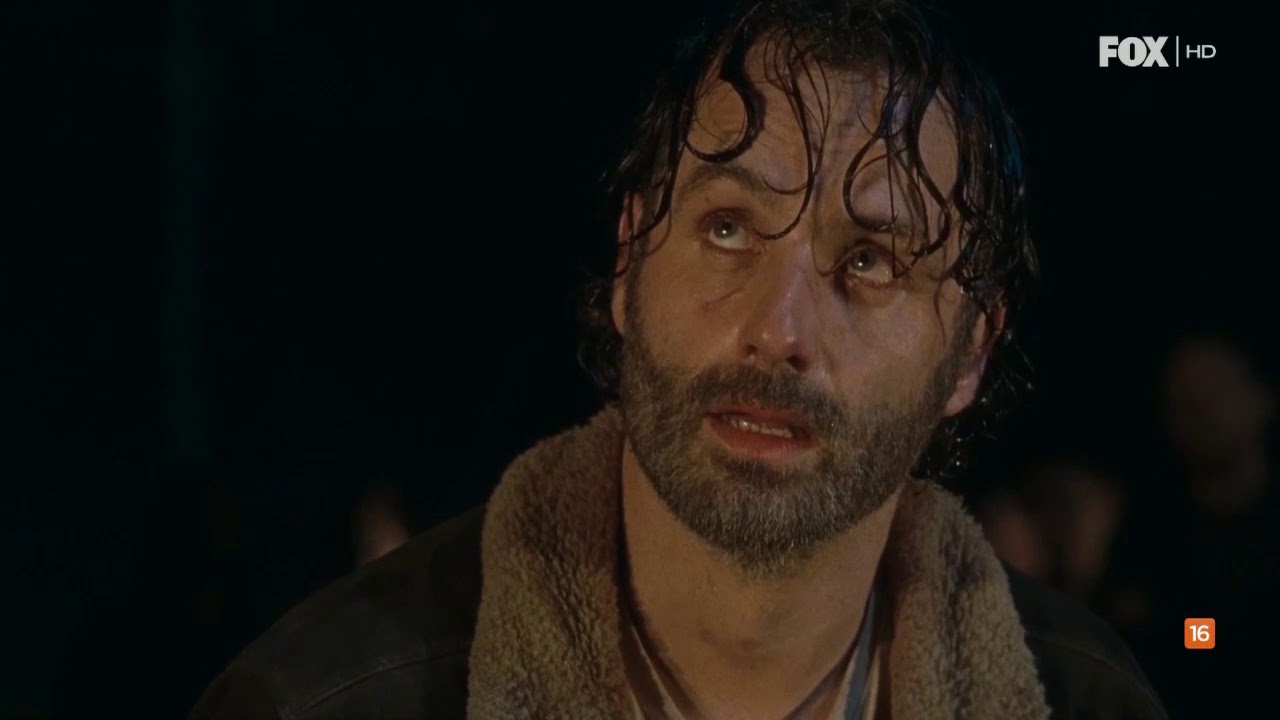
The Walking Dead Season 6, Episode 16, titled "Last Day on Earth," is the landmark finale that introduced the iconic villain Negan and concluded with one of the most controversial cliffhangers in television history. Aired in 2016, the episode follows Rick Grimes and his group as they are systematically trapped by the Saviors, culminating in a lethal game of "Eeny, Meeny, Miny, Moe" that left the identity of Negan’s victim a mystery for six months.
The Narrative Architecture of "Last Day on Earth"
To understand the weight of "Last Day on Earth," one must look at the psychological construction of the episode. Unlike many previous finales that relied on massive zombie hordes or explosive battles, 6x16 was a slow-burn exercise in claustrophobia and helplessness. The plot is structured around a desperate mission: Rick, Carl, Abraham, Sasha, Eugene, and Aaron are attempting to transport a severely ill, pregnant Maggie to the Hilltop Colony for medical assistance.
As they travel in their RV, they encounter a series of roadblocks set by the Saviors. Each encounter is progressively more intimidating than the last. Initially, the roadblocks are small groups of armed men, but they soon evolve into elaborate psychological traps. One roadblock features a chain of walkers tethered together, some wearing clothes or items belonging to Michonne and Daryl, signaling that their friends have already been captured. Another consists of a massive wall of burning logs.
The brilliance of the writing in this episode lies in the reversal of power. Throughout Season 6, Rick’s group had become increasingly arrogant, believing they could handle any threat after their easy slaughter of a Savior outpost earlier in the season. Episode 16 systematically deconstructs that confidence. By the time the group is forced to abandon the RV and travel on foot through the woods at night, the sound of the Saviors’ whistling—a haunting, melodic signal—marks the total transition from hunters to prey.
The Introduction of Negan and Lucille
The final ten minutes of "Last Day on Earth" are dedicated almost entirely to the introduction of Negan, played by Jeffrey Dean Morgan. This remains one of the most significant character debuts in the history of the AMC franchise. Negan’s entrance is deliberately theatrical; he steps out of the shadows of the Saviors’ semi-truck, clad in a leather jacket and carrying "Lucille," a baseball bat wrapped in barbed wire.
Negan’s monologue is a masterclass in tension. He explains the "New World Order," a system of vassalage where Rick’s community must provide half of their supplies to the Saviors in exchange for being allowed to live. The technical depth of Morgan’s performance—blending charismatic charm with sociopathic cruelty—redefined the show's tone for the next several seasons.
From a technical SEO and narrative perspective, this episode is often searched for in relation to "Negan's first appearance" or "The Walking Dead Season 6 finale death." The episode served as a pivot point for the series, shifting the focus from surviving the undead to navigating the complex, often brutal political structures of surviving human factions.
The Great Cliffhanger Controversy of 2016
The most discussed aspect of 6x16 is the ending. After Negan selects his victim through a nursery rhyme, the camera switches to a first-person point of view (POV) from the victim’s perspective. Negan brings Lucille down on the camera, the screen blurs with blood, and the audio fades into the sound of sickening thuds and the screams of the survivors. The credits roll without revealing who died.
In the decade since its release, looking back from 2026, the industry consensus remains that this cliffhanger was a "double-edged sword." While it generated unprecedented social media engagement and high ratings for the Season 7 premiere, it also alienated a significant portion of the core audience. Many fans felt that the tension built over the 90-minute episode was robbed of its emotional catharsis.
The Impact on Viewing Habits
The backlash to the Season 6 finale changed how AMC and other networks approached storytelling. It highlighted a growing fatigue with "cliffhanger-bait" in the era of social media, where fans wanted immediate resolution. The six-month wait led to intense forensic analysis of the footage, with fans slowing down the audio to hear if they could identify which character was screaming. This level of scrutiny was a testament to the show's popularity but also created an impossible level of hype for the Season 7 premiere to satisfy.
Technical Analysis of the Saviors' Roadblocks
The roadblocks in "Last Day on Earth" were not just physical barriers; they were tactical displays of the Saviors' numbers and resources. The following table breaks down the progression of the obstacles Rick's group faced.
| Roadblock Order | Description of Obstacle | Psychological Intent | Impact on Rick's Group |
|---|---|---|---|
| First | Small group of Saviors with a captive. | To test the group's willingness to fight or negotiate. | Rick remains confident, thinking they can outmaneuver them. |
| Second | Larger group with vehicles blocking the road. | To show the Saviors have superior numbers and logistics. | The group begins to realize the scale of the enemy. |
| Third | The Walker Chain (tethered zombies). | To show the Saviors have captured Rick's "inner circle" (Daryl/Michonne). | Panic begins to set in; the group's invincibility is shattered. |
| Fourth | The Log Wall (massive pile of burning timber). | To demonstrate total control over the environment. | They realize they are being herded into a specific location. |
| Final | The Clearing (hundreds of armed Saviors). | Total submission and psychological breaking of the leader. | Rick is reduced to a state of absolute terror and helplessness. |
Comparing the TV Finale to Issue 100 of the Comics
For readers familiar with Robert Kirkman’s source material, 6x16 was an adaptation of the milestone 100th issue of The Walking Dead comic book. However, the television adaptation made several key changes to lengthen the tension.
In the comic, Negan’s arrival is swift. There are no elaborate roadblocks; the group is simply ambushed on the road. The most significant difference is the resolution. In Issue 100, the reader sees exactly who Negan kills—Glenn Rhee—immediately. The choice to delay this reveal in the TV show was a creative gamble by showrunner Scott M. Gimple.
While the show eventually followed the comic's path in the Season 7 premiere (also killing Abraham Ford to surprise comic readers), the Season 6 finale was criticized for prioritizing the "shock" of the cliffhanger over the emotional weight of the death itself. In retrospect, the decision to split the scene across two seasons is often cited as the moment The Walking Dead began to lose its "prestige TV" status in the eyes of some critics, even as it remained a commercial powerhouse.
Production and Cinematography in "Last Day on Earth"
The technical execution of the episode is often overlooked due to the controversy of the ending. Directed by Greg Nicotero, the episode utilizes a "diminishing light" technique. The episode begins in the bright, harsh sunlight of day and ends in the pitch-black woods, illuminated only by the artificial, oppressive glare of the Saviors' truck headlights.
The use of the 16mm film stock, which the show utilized until its later seasons, adds a gritty, documentary-like feel to the forest scenes. The sound design is equally vital; the ambient noise of the woods is slowly replaced by the rhythmic, synchronized whistling of the Saviors. This "whistling" became a recurring motif for the Saviors, symbolizing their cult-like devotion to Negan and their ability to be everywhere at once.
The Long-Term Legacy: A 2026 Perspective
In 2026, we can see the full trajectory of the "Negan Era" that began in 6x16. The introduction of Negan didn't just provide a new antagonist; it forced the series to expand its world. It led to the "All Out War" arc and, eventually, to the redemption of Negan himself—a journey that transitioned him from the most hated villain in television history to a complicated anti-hero in spin-offs like The Walking Dead: Dead City.
Episode 6x16 remains a "must-watch" for any fan of the franchise because it represents the end of the "Small World" era of the show. Before this episode, the threats were manageable, and the group's survival felt like a series of tactical victories. After this episode, the scope of the world grew much larger, much darker, and significantly more complex.
Common Mistakes in Recalling 6x16
- The Identity of the Victim: Many fans mistakenly remember the death occurring in 6x16. In reality, the death occurs in 7x01. 6x16 ends with the POV "blood screen."
- The Number of Deaths: Only one person was "killed" in the cliffhanger of 6x16, though two died in the eventual resolution of the scene in the following season.
- The Duration of the Finale: This was an extended 90-minute episode (including commercials), which added to the frustration of the non-reveal ending.
FAQ: Key Details About The Walking Dead 6x16
Who did Negan kill in the Season 6 finale?
Technically, the Season 6 finale does not reveal who was killed. The screen turns black after Negan hits a character with his bat. It wasn't until the Season 7 premiere, "The Day Will Come When You Won't Be," that it was revealed Negan killed Abraham Ford and subsequently Glenn Rhee.
Why did the show end Season 6 on a cliffhanger?
Showrunner Scott M. Gimple and the producers argued that the cliffhanger was intended to mark the end of one story (Rick's group losing their power) and the beginning of another (living under Negan's rule). They wanted the audience to feel the same uncertainty and fear that the characters felt in that moment.
How did fans react to the 6x16 cliffhanger?
The reaction was largely negative among critics and a vocal segment of the fanbase. Many felt it was a "cheap" way to ensure viewers returned for Season 7. However, the episode remains one of the highest-rated in terms of viewership, proving that despite the frustration, the "hook" worked.
What is the name of the song at the end of the episode?
The episode features the song "Suddenly" by Soraya, but the most haunting audio is the "Saviors' Whistle," which was an original sound design choice to represent the presence of Negan's army throughout the woods.
Is Jeffrey Dean Morgan's Negan different from the comic version in this episode?
In 6x16, the TV version of Negan is very close to the comic version in terms of dialogue and appearance. The primary difference is the lack of profanity; due to AMC’s broadcast restrictions at the time, Negan’s famous "F-bombs" from the comics were replaced with other dialogue, though an "uncensored" version was later released on Blu-ray.
How many people are in Negan's group in 6x16?
While the exact number isn't stated, the final scene in the clearing shows at least 50 to 100 Saviors surrounding Rick's group, with many more implied to be stationed at their base, the Sanctuary. This was the first time the audience realized the Saviors were a massive paramilitary force rather than just a small gang.
Final Recommendations for Re-watching
If you are revisiting "Last Day on Earth" in 2026, it is best viewed immediately followed by the Season 7 premiere. When watched back-to-back, the narrative flow is much more cohesive, and the frustration of the cliffhanger is mitigated by the immediate resolution. Pay close attention to Rick’s facial expressions throughout the episode; Andrew Lincoln’s performance perfectly tracks the character’s descent from arrogance to total psychological defeat, which remains some of the finest acting in the entire series.