The best iPhone for seniors in 2026 depends on balancing screen size, battery longevity, and ease of use, with the iPhone 17 Plus and iPhone 16 Plus currently leading the market. For those prioritizing familiarity, the iPhone SE remains a top choice due to its physical Home Button and compact design.
Selecting a smartphone for an older adult is no longer about finding a "simplified" device but rather about choosing hardware that supports the robust accessibility features built into Apple’s iOS. As we move through 2026, the gap between high-end professional features and senior-friendly utility has narrowed. Whether the user is a tech-savvy retiree or someone who simply wants to stay connected with family through FaceTime, there is a specific model tailored to those needs.
Understanding Why iPhones Excel for Older Adults
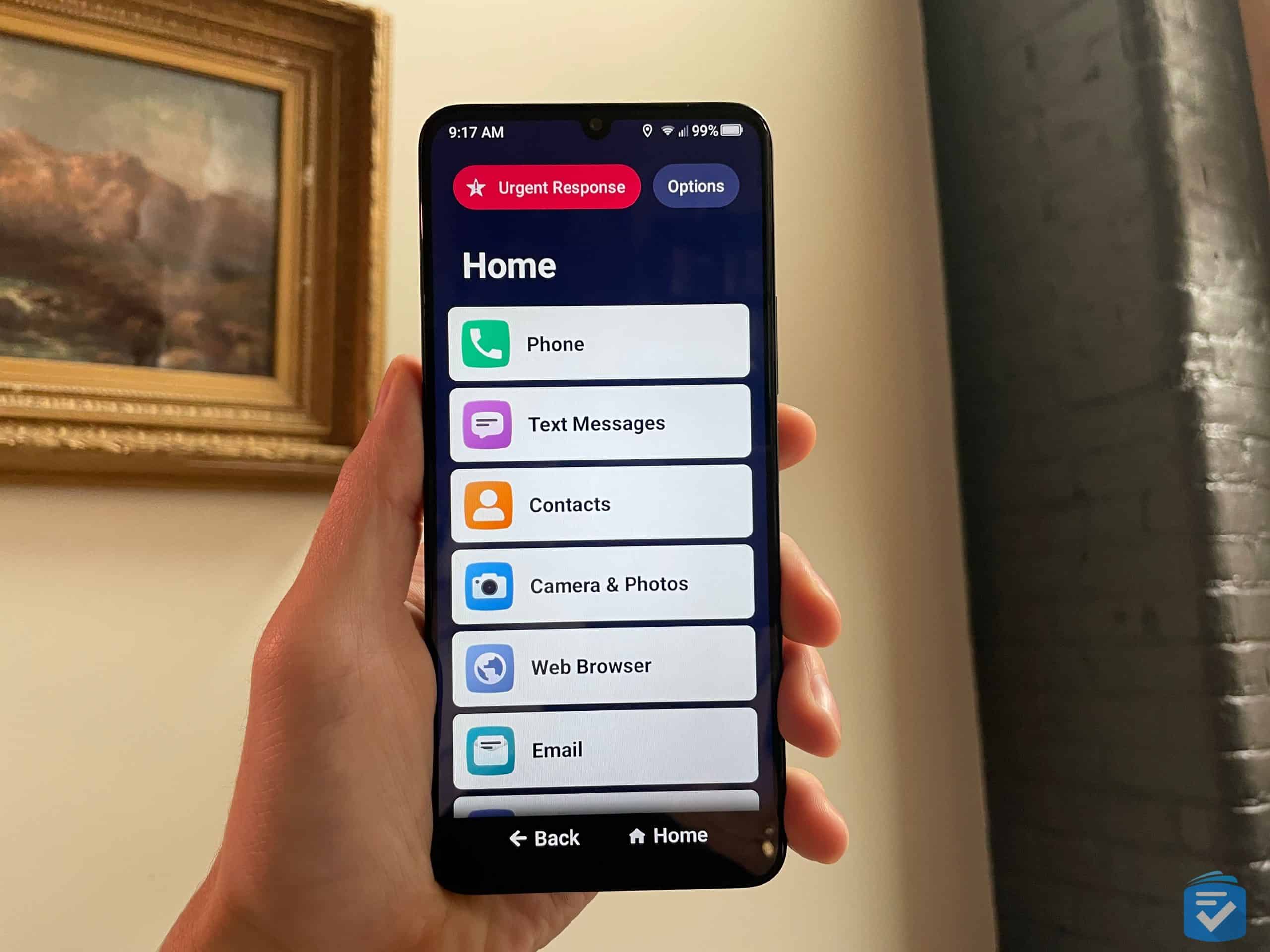
Apple has invested heavily in accessibility, making the iPhone the industry standard for users with visual, auditory, or motor challenges. In 2026, the software environment—specifically Assistive Access—allows caregivers or users to transform the complex interface into a streamlined version with high-contrast buttons, large text, and a focused list of essential apps.
Furthermore, the longevity of these devices is a significant factor. An iPhone purchased today in 2026 is likely to receive security updates and software improvements for at least five to seven years. This reliability reduces the "tech fatigue" that occurs when users are forced to upgrade and relearn a new interface every two years. The integration with the broader Apple ecosystem also means that features like Find My and Health Sharing allow family members to stay informed about their loved one's well-being without being intrusive.
Detailed Breakdown of the 7 Best iPhone Picks for Seniors
1. iPhone 17 Plus: The Best Overall Balance
The iPhone 17 Plus is the standout recommendation for 2026. It features a massive 6.7-inch Super Retina XDR display, which is critical for those who have increased the text size in their settings. Unlike the "Pro Max" models, the Plus version utilizes a lightweight aluminum frame rather than titanium or stainless steel, making it much easier to hold for long periods, especially for those with arthritis or limited grip strength.
The primary advantage of the 17 Plus is its battery life. It currently offers the longest-lasting charge in the standard lineup, which is vital for seniors who may forget to plug in their device every night. With the transition to USB-C now fully established, charging is also more universal, though many seniors still prefer the convenience of MagSafe wireless charging to avoid fumbling with small cables.
2. iPhone 16 Plus: The High-Value Choice
As the iPhone 17 series takes the spotlight, the iPhone 16 Plus has become a highly attractive option for seniors looking for a large screen without the 2026 flagship price tag. It shares the same 6.7-inch screen dimensions as the newer models and includes the Action Button, which can be programmed as a one-touch shortcut for the flashlight, the Magnifier app, or even a direct call to a primary caregiver.
The iPhone 16 Plus also supports Apple Intelligence, providing smarter Siri interactions that can help users navigate the phone using natural language. For a senior who finds "tapping and swiping" difficult, being able to say, "Siri, find the photo my grandson sent yesterday" is a transformative feature.
3. iPhone SE (Current Generation): The Comfort of Familiarity
For many seniors, the biggest hurdle in adopting a new phone is the removal of the physical Home Button. The iPhone SE remains the only model in the 2026 lineup that retains this classic design. It offers Touch ID, which many users find more intuitive and reliable than Face ID, particularly if they frequently wear glasses, hats, or medical masks.
While the 4.7-inch screen is smaller than other models, the SE is extremely portable and fits easily into small pockets or purses. It is the most affordable entry point into the iOS ecosystem, making it an excellent choice for those who primarily use their phone for calls, text messages, and occasional photos.
4. iPhone 17 Pro Max: The Ultimate Tool for Low Vision
If budget is not a primary concern and the user suffers from significant visual impairment, the iPhone 17 Pro Max is the most capable tool available. Its ProMotion display offers a 120Hz refresh rate, which makes scrolling much smoother and reduces eye strain.
The "Pro" camera system is not just for photography; it powers the Magnifier app with LiDAR technology. This allows the phone to detect people, doors, and objects, and even read out text on medication bottles or menus with incredible clarity. The 17 Pro Max also features the highest peak brightness, making the screen legible even in direct sunlight—a common struggle for older eyes.
5. iPhone 15: The Practical Compact Pick
For seniors who find the "Plus" and "Max" sizes too heavy or unwieldy, the standard iPhone 15 is the "Goldilocks" option. It introduced the Dynamic Island to the standard line, which provides easy-to-see alerts for timers, incoming calls, and music without the user needing to navigate through multiple menus.
The iPhone 15 is significantly lighter than the 16 and 17 series while still providing a modern, gesture-based interface. It was the first standard model to adopt USB-C, ensuring that the user is not left behind with obsolete Lightning cables as they move through 2026.
6. iPhone 14 Plus: The Affordable Big Screen
The iPhone 14 Plus remains in the 2026 secondary market as a "legacy" champion. It was the first model to bring the large 6.7-inch screen to the non-Pro lineup. For seniors who do not need the latest "Apple Intelligence" features or the fastest processors, the 14 Plus provides the essential big-screen experience and multi-day battery life at a fraction of the cost of new models.
Crucially, the 14 Plus supports Emergency SOS via Satellite and Crash Detection. These safety features provide peace of mind for seniors who enjoy hiking, traveling, or driving alone, as the phone can contact emergency services even when there is no cellular signal.
7. iPhone 16: The Standard Daily Driver
The standard iPhone 16 is the best choice for a senior who wants a modern phone that "just works." It is faster and more capable than the 15, with better camera optics for capturing clear photos of family. It also features the improved thermal design introduced in 2024, meaning the phone stays cool even during long FaceTime calls with the grandkids.
The iPhone 16 strikes a balance between being a powerful computer and a simple communication device. With the latest iOS 19 or iOS 20 features expected in 2026, this model will remain relevant and fast for many years to come.
Comparison of Top iPhone Models for Seniors (2026)
| Model | Screen Size | Biometrics | Weight | Key Benefit for Seniors |
|---|---|---|---|---|
| iPhone 17 Plus | 6.7-inch | Face ID | Medium | Best battery & largest standard screen |
| iPhone 16 Plus | 6.7-inch | Face ID | Medium | Best value for a large display |
| iPhone SE | 4.7-inch | Touch ID | Light | Physical Home Button & familiar feel |
| iPhone 17 Pro Max | 6.7-inch | Face ID | Heavy | Best for low vision (LiDAR/Bright) |
| iPhone 15 | 6.1-inch | Face ID | Light | Compact size with modern USB-C |
| iPhone 14 Plus | 6.7-inch | Face ID | Medium | Most affordable large-screen option |
| iPhone 16 | 6.1-inch | Face ID | Light | Latest tech in a manageable size |
Essential Accessibility Features to Enable
When setting up any of these 7 picks for a senior, hardware is only half of the equation. Apple’s Accessibility Suite provides tools that can be customized to the user’s specific needs.
Assistive Access
Introduced in iOS 17 and refined in subsequent updates, Assistive Access is a high-contrast interface designed specifically for those with cognitive disabilities or seniors who find the standard iOS layout overwhelming. It replaces the grid of small icons with large, clearly labeled buttons. You can limit the phone to just five or six essential apps (e.g., Phone, Messages, Photos, Camera, and Music), making it nearly impossible for the user to get "lost" in the settings.
Vision and Text Enhancements
Most seniors will benefit from going to Settings > Display & Brightness and enabling Bold Text and increasing the Text Size. Furthermore, the Zoom feature allows users to magnify specific parts of the screen. For those with significant vision loss, VoiceOver provides an industry-leading screen reader that describes exactly what is happening on the display.
Hearing Aid Integration
iPhones are "Made for iPhone" (MFi) hearing aid compatible. This allows the phone to stream audio—including phone calls, movies, and music—directly to the user's hearing aids via Bluetooth. In 2026, many modern hearing aids also support the LE Audio standard, which ensures high-quality sound with very low battery drain for both the phone and the hearing aids.
Safety and Health Monitoring
Every model from the iPhone 14 onwards includes Crash Detection. Additionally, when paired with an Apple Watch, the iPhone becomes a hub for Fall Detection. You should also set up a Medical ID in the Health app, which allows first responders to see medical conditions, allergies, and emergency contacts even if the phone is locked.
Common Pitfalls to Avoid
When choosing between these 7 picks, avoid the temptation to buy the "Pro" models simply because they are the "best." For many seniors, the Pro models are unnecessarily heavy. The stainless steel or titanium builds can lead to hand fatigue. Unless the user specifically needs the advanced vision tools (LiDAR) found in the Pro Max, the "Plus" models are almost always the better ergonomic choice.
Another mistake is opting for a used model older than the iPhone 13. By 2026, older devices may struggle with battery health and may soon lose support for the latest iOS updates. Security is a major concern for seniors, who are often targets for phishing and scams; keeping them on a supported version of iOS is the first line of defense.
Frequently Asked Questions
Which iPhone has the longest battery life for seniors?
As of 2026, the iPhone 17 Plus and iPhone 16 Plus offer the best battery life for seniors. These models are designed for efficiency and have larger physical batteries than the standard models. They can easily last two days with light to moderate use, which is ideal for users who may not remember to charge their phone daily.
Is Face ID or Touch ID better for older users?
This depends on the user's dexterity. Touch ID (found on the iPhone SE) is often preferred by those who like the tactile feedback of a button. However, Face ID is generally more "set it and forget it." For seniors with tremors or arthritis who may struggle to place a finger precisely on a sensor, Face ID is significantly easier as it only requires them to look at the device.
Can I simplify the iPhone screen for my elderly parent?
Yes. Using the Assistive Access mode in Settings, you can create a simplified layout with large buttons and limited features. This prevents the user from accidentally deleting apps or changing complex system settings while still allowing them to enjoy the core functions of the smartphone.
Do these iPhones work with hearing aids?
Yes, all modern iPhones (including the 7 picks listed) are compatible with MFi (Made for iPhone) hearing aids. They allow for direct streaming of calls and media. Many models also support "Live Listen," which uses the iPhone’s microphone to pick up conversation in a noisy room and beam it directly into the hearing aids.
What is the most lightweight iPhone for seniors?
The iPhone SE and the iPhone 15 are the lightest models. If a senior finds the larger phones too heavy for their wrists, these two models provide the most comfortable experience without sacrificing the essential features of the Apple ecosystem.
Final Recommendation: Which One Should You Buy?
In 2026, the iPhone 17 Plus is the definitive choice for the majority of seniors. Its combination of a large, legible screen, manageable weight, and exceptional battery life addresses the most common complaints older users have with mobile technology.
However, if the user is transitioning from an older "Flip Phone" or an early iPhone and is intimidated by the lack of buttons, the iPhone SE remains a vital bridge. For those acting as caregivers, the most important step after purchase is spending thirty minutes in the Accessibility menu to tailor the device to the specific visual and auditory needs of the user. This customization is what truly makes an iPhone the "best" phone for a senior.