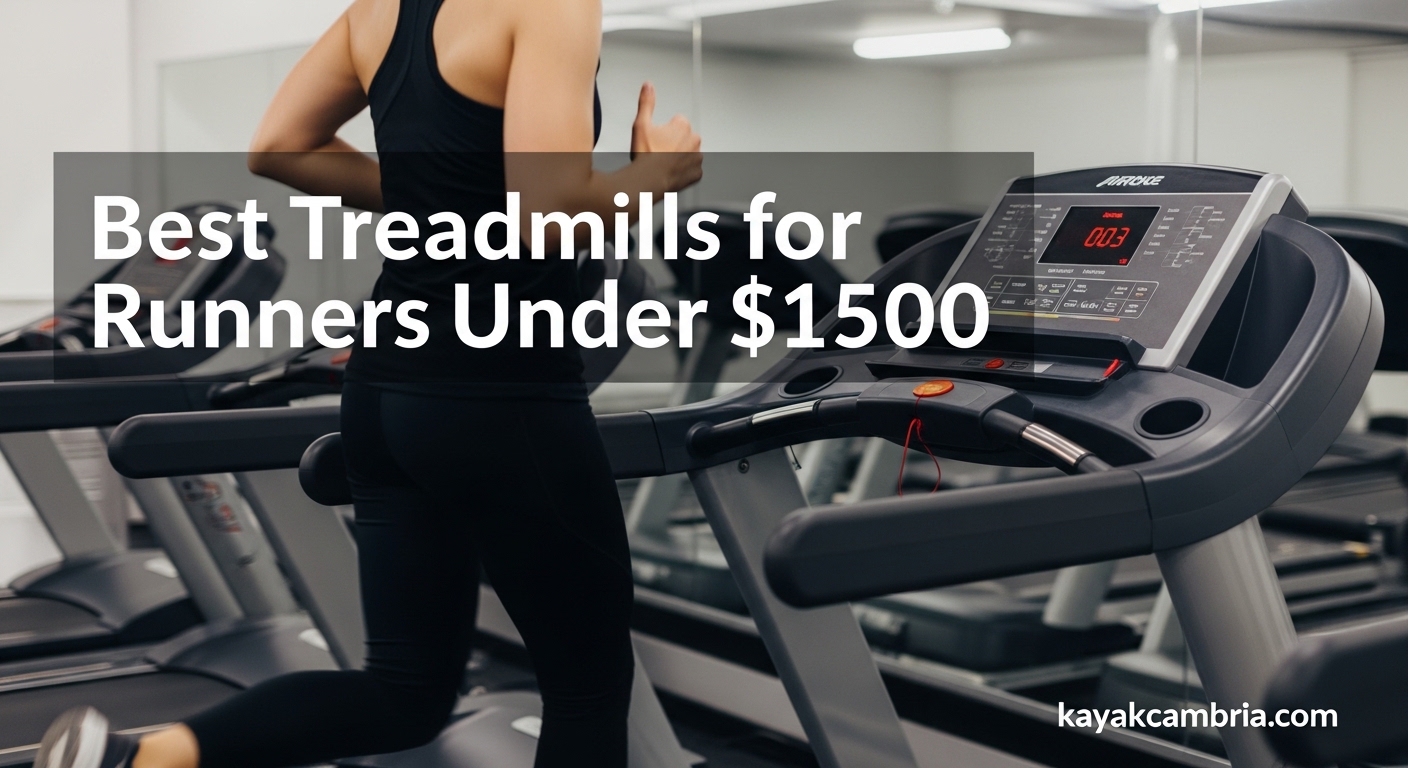
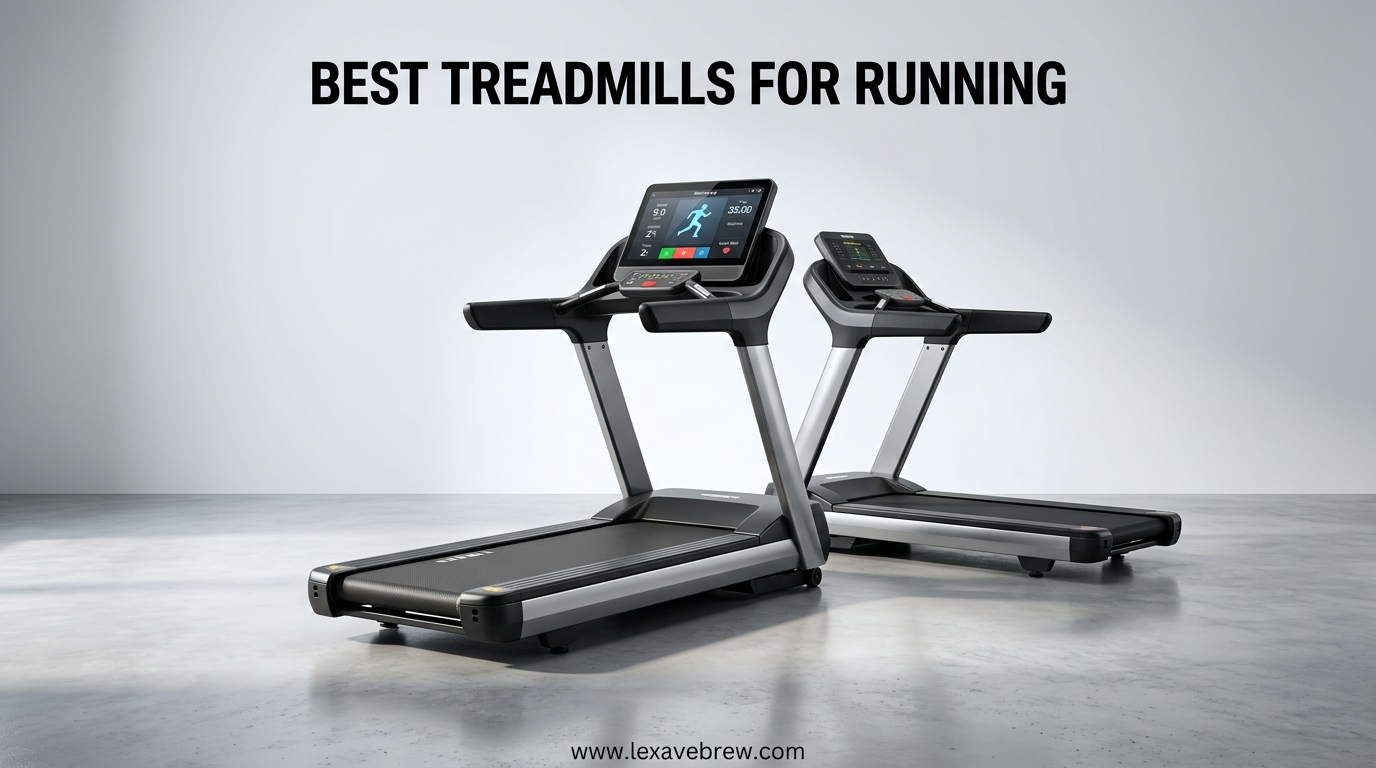
Choosing a high-performance running treadmill requires evaluating motor capacity, deck cushioning, top speeds, incline ranges, and interactive training integration to match serious outdoor training needs indoors.
Finding the right treadmill for running demands a departure from standard walking machines. Runners subject their equipment to high-impact forces, sustained high speeds, and intense interval training that can quickly expose the weaknesses of consumer-grade electronics and underpowered motors. As training methodologies evolve, modern running treadmills integrate advanced metrics, streaming classes, and biomechanically tuned cushioning systems designed to minimize joint stress while replicating road or trail conditions. This guide examines the top-performing running treadmills, dissects their key technical specifications, and helps you determine which model aligns with your training volume, space constraints, and budget.
Understanding the Anatomy of a Runner’s Treadmill
Before examining specific models, it is essential to understand what separates a casual walking machine from a dedicated running treadmill. Runners place unique structural and mechanical demands on equipment, requiring specific baseline specifications to ensure safety, durability, and performance longevity.
Motor Continuous Horsepower (CHP)
Walking treadmills often feature motors ranging from 1.5 to 2.5 CHP, which can easily overheat or lag when subjected to the sustained, heavy footstrikes of a runner. For running, a minimum of 3.0 CHP is recommended, while heavier runners or those engaging in intense daily interval training should target 3.5 to 4.0 CHP or higher. A robust motor ensures smooth belt transitions during speed changes and prevents hesitation when your foot hits the deck.
Running Surface Dimensions
Stride length varies by runner height and speed, but standard walking decks (typically 45 to 50 inches long by 16 to 18 inches wide) are dangerous for running. Runners require a minimum deck length of 55 inches, with 60 inches being the gold standard for taller runners or those who practice sprinting. A width of 20 to 22 inches provides a safe margin of error during high-speed efforts.
Cushioning vs. Road-Feel
Manufacturers design deck cushioning systems to absorb impact forces, reducing stress on the knees, ankles, and hips. However, excessive cushioning can create a "trampoline effect" that disrupts running mechanics and feels unnatural compared to outdoor pavement. Many modern treadmills offer adjustable cushioning, allowing users to dial in firm road-like feedback or softer impact-absorbing settings depending on recovery needs.
Comparative Overview of the 7 Best Running Treadmills
To help you compare the top contenders at a glance, the following table outlines their core specifications, primary use cases, and standout features.
| Model Name | Motor (CHP) | Running Surface | Max Speed / Incline | Primary Strength |
|---|---|---|---|---|
| NordicTrack Commercial 1750 | 3.5 CHP | 22" x 60" | 12 MPH / -3% to 15% | Best Overall Interactive Training |
| Sole F85 | 4.0 CHP | 22" x 60" | 12 MPH / 0% to 15% | Best Heavy-Duty Durability & Warranty |
| Peloton Tread+ | 3.0 HP (Slat Belt) | 20" x 67" | 12.5 MPH / 0% to 15% | Best Road-Like Slat Belt Feel |
| Life Fitness T5 | 3.0 CHP (FlexDeck) | 22" x 60" | 12 MPH / 0% to 15% | Best Adjustable Joint Cushioning |
| Horizon 7.4 AT | 4.0 CHP | 22" x 60" | 12 MPH / 0% to 15% | Best for Quick Speed/Incline Dials |
| TrueForm Runner | Non-Motorized | 17" x 64" (Sloped) | Unlimited (User-Powered) | Best Form Correction & HIIT |
| ProForm Pro 9000 | 3.6 CHP | 20" x 60" | 12 MPH / -3% to 12% | Best Value-to-Performance Ratio |
Detailed Reviews of the Top 7 Running Treadmills
1. NordicTrack Commercial 1750: Best Overall Interactive Training
The NordicTrack Commercial 1750 remains a benchmark in the home fitness market, offering a balanced blend of hardware performance and software integration through iFit.
- Performance & Motor: Driven by a responsive 3.5 CHP motor, the deck handles speed adjustments and rapid incline/decline shifts smoothly. It accommodates runners up to 12 MPH and features a -3% decline to simulate downhill running terrain.
- Console & Software: The rotating 14-inch HD touchscreen serves as the command center for instructor-led outdoor runs across the globe. Auto-adjust technology allows the treadmill to automatically match the incline and speed of the virtual trainer or pre-programmed Google Maps route.
- Pros & Cons: The 22x60-inch belt provides ample room, and the ActivePulse heart rate control keeps workouts in targeted zones. However, the machine requires an iFit subscription to unlock its full utility, and its physical footprint is substantial.
2. Sole F85: Best Heavy-Duty Durability & Warranty
Sole Fitness has built a reputation on commercial-grade build quality tailored for home environments, and the Sole F85 stands out as a tank-like machine designed for heavy training volumes.
- Performance & Motor: Equipped with a powerful 4.0 CHP motor and a heavy steel frame, the F85 supports high-mileage runners and heavier users without straining. The Z-shaped folding frame design provides exceptional structural rigidity compared to standard folding units.
- Cushioning & Deck: The Cushion Flex Whisper Deck reduces impact by up to 40% compared to running on asphalt, striking a strong balance between joint protection and energy return.
- Pros & Cons: The lifetime warranty on the frame and motor provides immense peace of mind. It also supports screen mirroring for third-party apps like Zwift or Peloton without locking you into a mandatory proprietary ecosystem. On the downside, the interface is more utilitarian compared to sleek streaming tablets.
3. Peloton Tread+: Best Road-Like Slat Belt Feel
For runners seeking an authentic outdoor running sensation indoors, the Peloton Tread+ utilizes an independent rubber slat belt system that redefines home treadmill mechanics.
- Performance & Motor: Unlike traditional continuous rubber belts sliding over a wooden deck, the Tread+ uses individual shock-absorbing slats that rotate on bearings. This mimics the feel of running on an outdoor track or road while virtually eliminating friction and belt wear.
- Interactive Experience: Featuring a massive 32-inch HD touchscreen, users gain access to elite running instructors, metrics tracking, and scenic runs. The proprietary knob controls make micro-adjustments to speed and incline effortless mid-stride.
- Pros & Cons: The slat belt mechanism provides an unparalleled running dynamic and is exceptionally forgiving on joints. However, the unit is extremely heavy, has a high price point, and requires dedicated ceiling clearance due to the height of the deck and console.
4. Life Fitness T5: Best Adjustable Joint Cushioning
Life Fitness brings commercial health club engineering directly to the residential market with the T5, focusing heavily on custom biomechanics and durability.
- Performance & Motor: A quiet 3.0 CHP motor powers the machine up to 12 MPH. While 3.0 CHP is at the lower end for heavy running, the energy-efficient motor is engineered to maintain steady torque at low and high speeds alike.
- FlexDeck Custom Spring System: The defining feature of the T5 is its adjustable elastomer spring system. Runners can toggle between three different firmness settings—Standard, Firm, and Soft—depending on whether they want a road-like feel or maximum shock absorption to manage injury recovery.
- Pros & Cons: Exceptional build quality and customizable deck firmness make it a top pick for injury-prone runners. The primary drawback is the high price tag relative to its basic console options, which require separate upgrades for advanced app streaming.
5. Horizon 7.4 AT: Best for Quick Speed and Incline Dials
Designed specifically with runners and interval junkies in mind, the Horizon 7.4 AT eliminates software subscription fees and focuses entirely on responsive, rapid-fire hardware controls.
- Performance & Motor: Powered by a robust 4.0 CHP Rapid Sync motor, the 7.4 AT reacts to speed and incline commands instantly—crucial for high-intensity interval training (HIIT) and short track sprints.
- Control QuickDials: Instead of hunting for buttons on a crowded console, runners use intuitive rolling dials built into the handlebars to adjust speed and incline incrementally or jump straight to targets.
- Pros & Cons: It features a user-friendly device holder that lets you place your own tablet on the console, giving you freedom to run via Zwift, Peloton App, or Netflix without subscription lock-in. The console aesthetics are basic, but the performance value is unmatched in its price class.
6. TrueForm Runner: Best Form Correction & HIIT
The TrueForm Runner is a category unto itself: a curved, non-motorized, self-powered treadmill driven entirely by the runner's biomechanics.
- Performance & Motor: There is no motor and no maximum speed limit. You accelerate the rubber slat belt by driving your knees forward and striking the front curve of the deck, and you slow down by moving your center of mass backward.
- Form Awareness: The curved design immediately penalizes poor running mechanics, such as overstriding or heavy heel striking, forcing upright posture and an efficient midfoot strike.
- Pros & Cons: It burns up to 30% more calories than a motorized treadmill due to the physical effort required to move the belt, making it an elite tool for HIIT and speed training. However, it requires a significant learning curve, has no incline adjustments (incline is created purely by running higher up the curve), and lacks built-in entertainment screens.
7. ProForm Pro 9000: Best Value-to-Performance Training
The ProForm Pro 9000 delivers high-end specifications, including a strong motor and a wide operating range, at a more accessible price point than luxury competitors.
- Performance & Motor: Driven by a 3.6 CHP motor, the Pro 9000 handles long endurance runs and interval workouts with ease. It features a -3% decline and a 12% incline, integrated with iFit for automated terrain simulation.
- Console Design: A 22-inch HD touchscreen provides immersive visuals, while the ReBound Pro cushioning system offers a comfortable, bounce-resilient running surface.
- Pros & Cons: It offers many of the same software and hardware capabilities as the NordicTrack 1750 at a competitive price. Like NordicTrack, it relies heavily on the iFit ecosystem, and the console is non-adjustable.
Key Buying Considerations for Runners
Selecting the ideal running treadmill involves matching your specific physiological profile and training goals with the right machine specifications.
1. Runner Weight and Stride Dynamics
Heavier runners should prioritize motors rated at 3.5 CHP or higher and a sturdy steel frame weighing over 250 pounds to prevent frame flex during hard footstrikes. Taller runners (over 6 feet) should strictly look for 60-inch belts to ensure they do not clip the motor housing during full extension sprints.
2. Software Subscriptions vs. Open Consoles
Determine whether you prefer guided virtual coaching ecosystems (such as iFit or Peloton) or open platforms that allow you to use your own tablet with third-party apps like Zwift, Kinomap, or Apple Fitness+. Ecosystem lock-in provides structure and automated incline control, while open consoles offer flexibility and zero recurring monthly fees.
3. Space and Assembly Requirements
Running treadmills are heavy, bulky pieces of machinery. Measure your ceiling height—especially if you plan to use incline features—by adding your height, the treadmill deck height, and at least 12 inches of clearance. Ensure doorways and stairwells can accommodate the delivery boxes or professional assembly is selected.
Frequently Asked Questions
What horsepower motor do I need for running on a treadmill?
Runners need a minimum of 3.0 Continuous Horsepower (CHP) to handle the sustained high speeds and heavy impact forces of running. Walkers can get by with 1.5 to 2.0 CHP, but lower motors will strain, overheat, or lag under a runner's stride.
Are slat belt treadmills better for runners than standard belts?
Slat belt treadmills, like those found on premium models, offer a superior, road-like feel, absorb more impact, and require significantly less maintenance than traditional rubber belts sliding over decks. However, they are substantially more expensive and heavier than standard treadmills.
Do I need an iFit or Peloton subscription to use a running treadmill?
No. While many modern treadmills feature built-in touchscreens tied to proprietary software subscriptions, models like the Horizon 7.4 AT and Sole F85 allow manual operation without a subscription or let you connect your own device via Bluetooth.
How often should a running treadmill belt be lubricated?
Most treadmill manufacturers recommend lubricating the running belt every 3 to 6 months, or after approximately 130 to 150 miles of use, depending on the specific deck material and silicone lubricant type specified in your user manual.
Can treadmill running cause injuries if the cushioning is too soft?
Yes. Excessively soft cushioning can alter your natural running biomechanics, reduce calf muscle engagement, and place abnormal stress on stabilizing tendons. If you experience Achilles or calf strain, look for a treadmill with firmer cushioning or an adjustable deck.
Final Recommendation
For most runners seeking an immersive, high-performance training experience, the NordicTrack Commercial 1750 provides the best overall balance of motor power, interactive software, and ergonomic design. If you want a subscription-free machine built for raw durability and rapid interval changes, choose the Horizon 7.4 AT. Runners prioritizing maximum joint protection and road realism should invest in the Peloton Tread+ or Life Fitness T5. Assess your training environment, budget, and software preferences before making your final selection to ensure years of reliable running miles.