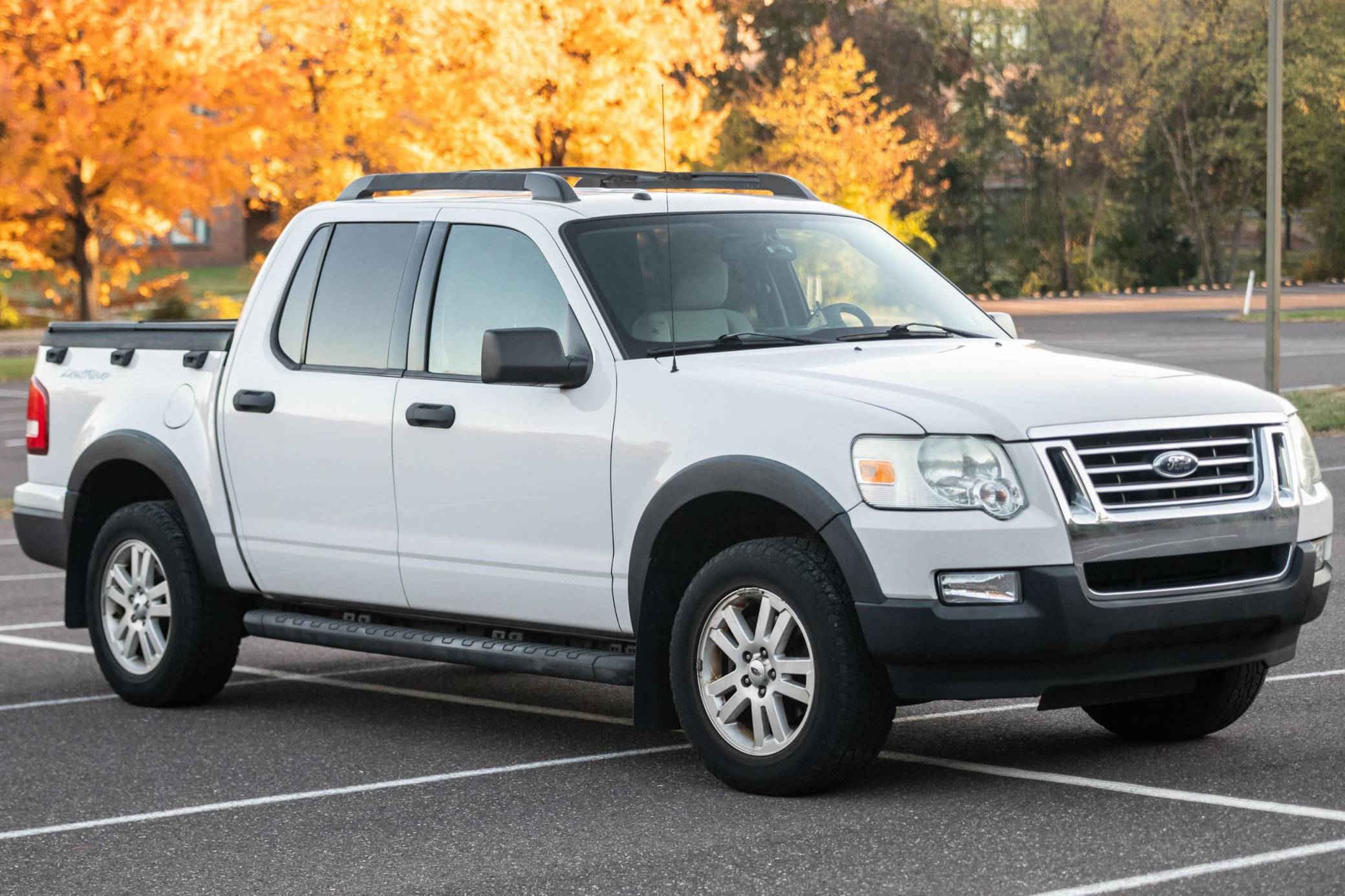
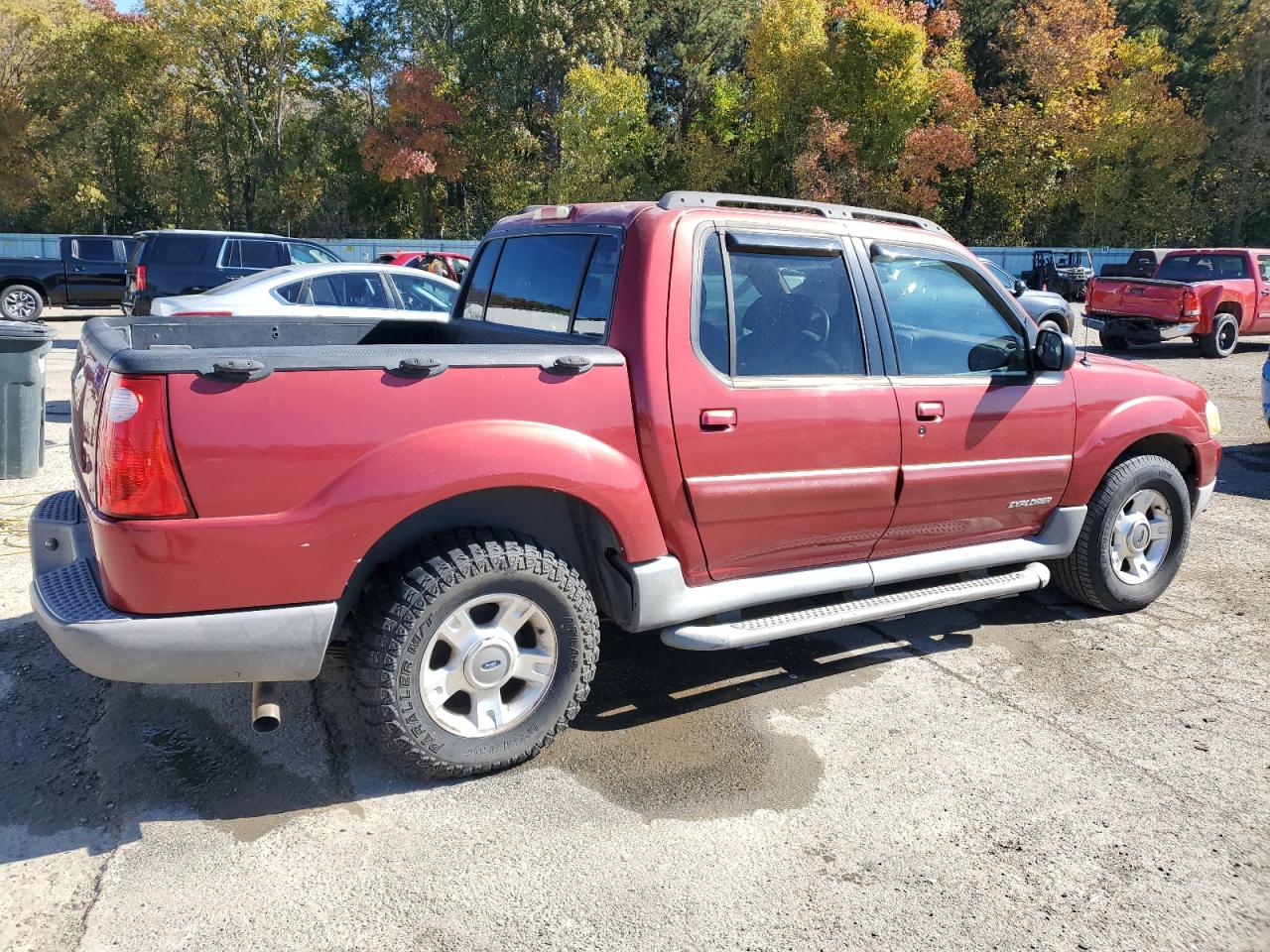
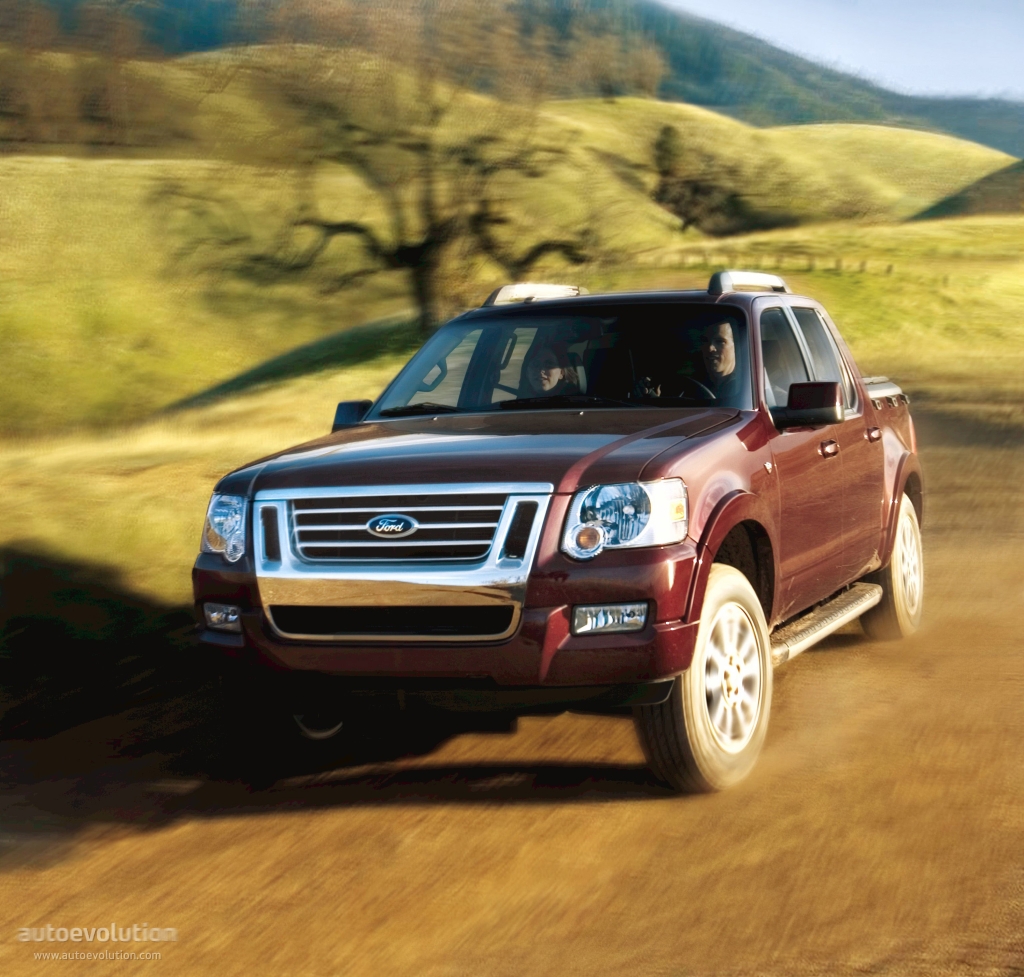
The Ford Explorer Sport Trac V8 combines mid-size truck utility with SUV comfort, featuring a rare 4.6-liter modular V8 engine, an independent rear suspension, a composite structural bed with hidden storage, a specialized frame architecture shared with the Mountaineer, and a surprisingly capable towing and all-wheel-drive drivetrain configuration.
The automotive landscape is littered with experiments that blurred the lines between vehicle segments, but few executed the fusion quite like the second-generation Ford Explorer Sport Trac. Produced during the late 2000s, this vehicle was far more than a simple sport utility vehicle with its roof cut off. It was a purpose-built crew-cab pickup truck designed to bridge the gap between traditional body-on-frame utility and unibody-adjacent ride comfort. While many enthusiasts remember the Sport Trac for its distinctive profile, the addition of the V8 engine option transformed the truck into a unique collector’s item and a distinct automotive footnote. Examining this vehicle requires looking beyond the basic specifications sheet to uncover engineering choices, structural design nuances, and capability quirks that often surprise even seasoned truck owners.
1. The 4.6L 3-Valve V8 Engine Shared With the Mustang GT
When Ford introduced the V8 option for the second-generation Sport Trac (running from the 2007 to 2010 model years), they did not drop a generic work truck motor under the hood. Instead, they utilized the 4.6-liter Modular V8 featuring a 3-valve-per-cylinder head design. This engine was closely related to the powerhouse found in contemporary Mustang GTs and select high-end F-150 trucks.
This engine introduced a level of performance and sound to the mid-size truck segment that was virtually unprecedented at the time. Generating 292 horsepower and 300 lb-ft of torque, the V8 turned the Sport Trac into a surprisingly quick machine, easily outpacing the base 4.0-liter V6 variant which struggled under the weight of the heavy truck architecture. However, this engine choice comes with its own set of notable technical characteristics:
- The Spark Plug Conundrum: Early iterations of the 3-valve 4.6L engine are infamous for a two-piece spark plug design that could carbon-lock into the aluminum cylinder heads, frequently snapping during extraction and requiring specialized removal tools.
- Cam Phaser Maintenance: Like many modern overhead-cam engines of that era, proper and frequent oil changes are mandatory to prevent oil pressure drops that lead to timing chain guide wear and cam phaser tick.
- Exhaust Manifold Warping: The thermal cycles of the V8 in the tight confines of the Explorer engine bay often resulted in warped exhaust manifolds and broken studs, producing a distinct ticking sound upon cold startup.
Despite these maintenance items, the 4.6L V8 delivered a refined power delivery band that paired exceptionally well with the heavy-duty automatic transmission options, giving the Sport Trac a muscular character that elevated it far above compact trucks of the period like the Ford Ranger.
2. Independent Rear Suspension on a Pickup Truck
Traditional pickup trucks of the era relied almost universally on a solid rear axle suspended by leaf springs. This setup was favored for its maximum payload capacity and simple manufacturing, but it notoriously compromised ride comfort, bed bounce over rough terrain, and unladen handling dynamics. Ford made a radical engineering departure with the Sport Trac by utilizing an Independent Rear Suspension (IRS) system paired with coil-over springs.
Sharing its core architecture with the fourth-generation Ford Explorer SUV, the Sport Trac’s IRS transformed how a truck handled mid-corner bumps and highway imperfections. Rather than letting a solid axle bounce and skip across washboard surfaces, each rear wheel reacted independently to road contours. This engineering choice resulted in several distinct behavioral traits:
- Superior Cornering Stability: The rear end stayed planted through sweeping turns, eliminating the jittery rear-hop common in light-duty leaf-spring trucks when the bed was empty.
- Enhanced Cabin Comfort: Passengers in the rear seats enjoyed a sedan-like ride quality rather than the jarring impacts typical of traditional truck beds.
- Compromised Articulation: Off-road enthusiasts quickly discovered that the IRS limited wheel articulation on severe rock crawling trails, restricting the truck's utility in technical off-road environments.
- Payload Restrictions: While the ride was smooth, the maximum payload capacity was lower than some of its leaf-spring competitors, prioritizing everyday comfort over heavy construction-site hauling.
This design choice placed the Sport Trac in a unique niche. It was built for drivers who wanted the utility of an open bed for recreational gear, landscaping supplies, or camping equipment, but who spent the vast majority of their driving hours on paved highways and suburban streets.
| Feature | Ford Explorer Sport Trac V8 | Traditional Mid-Size Truck (Era Competitor) |
|---|---|---|
| Rear Suspension | Independent Rear Suspension (IRS) | Solid Axle with Leaf Springs |
| Engine Configuration | 4.6L 3-Valve V8 (292 hp) | V6 or Small-Displacement V8 |
| Bed Construction | Sheet Molded Compound (SMC) Composite | Stamped Steel |
| Frame Architecture | Fully Boxed Hydroformed Hydro-Frame | C-Channel or Partial Box Frame |
| Primary Drivetrain | Control Trac 4WD / Rear-Wheel Drive | Part-Time 4WD / Rear-Wheel Drive |
3. A Composite Sheet Molded Compound (SMC) Bed
One of the most innovative yet underappreciated aspects of the Sport Trac is its cargo bed. Eschewing traditional stamped steel, Ford constructed the entire inner bed using a Sheet Molded Compound (SMC) composite material. This fiberglass-reinforced plastic composite was structurally molded to include integrated storage compartments, tie-down cleats, and a corrosion-proof finish that rendered plastic drop-in bedliners completely unnecessary.
The use of SMC material provided several practical advantages that owners appreciated years down the road. First and foremost, rust was entirely eliminated from the inner bed panels. Owners could haul wet firewood, muddy gear, or corrosive chemicals without worrying about bubbling paint or rusted-through wheel wells. Furthermore, the composite material was resilient against dents and deep scratches; dropping a heavy toolbox into the back resulted in a scuff rather than a costly sheet metal dent.
The bed design also featured three built-in waterproof storage boxes molded directly into the floor and side panels. These drainable compartments allowed drivers to stow wet recovery gear, tools, or even ice and beverages for tailgating without cluttering the main bed floor. However, the composite bed came with a specific structural caveat: the composite inner shell was bolted to a steel support structure beneath. If the truck was overloaded far beyond its weight rating or subjected to heavy point-load impacts, the underlying subframe bore the brunt of the stress, requiring careful attention to payload distribution.
4. A Heavily Reinforced, Unique Frame Architecture
When designing a vehicle that removes the rigid structural roof structure of an SUV to create an open bed, engineers face severe torsional rigidity challenges. Without the rear roof pillars and roof panels, vehicles tend to suffer from chassis flex, squeaks, and poor handling. To combat this, Ford did not simply slice up a standard Explorer chassis; they engineered a unique, fully boxed hydroformed frame specifically for the Sport Trac and its sibling, the Mercury Mountaineer.
This frame featured massive side rails and specialized crossmembers designed to absorb twisting forces. It was significantly stiffer than the frame found on the standard Explorer SUV, which was necessary to support the weight of the cab, the heavy V8 engine, the independent rear suspension mounts, and the composite bed loaded with cargo. This heavy-duty foundation contributed heavily to the Sport Trac V8's curb weight, which often topped 4,800 pounds depending on the drivetrain configuration.
The heavy frame and robust chassis design yielded notable benefits for towing safety and structural longevity, but it also introduced a fuel economy penalty. The Sport Trac V8 was never known for efficiency, frequently returning low-teens fuel economy in city driving. Yet, this over-engineered frame is precisely why surviving examples on the used market today often feel remarkably solid, resisting the dreaded chassis rust and sag that plagued other trucks of that era.
5. The Intelligent "Control Trac" 4WD System
For buyers selecting the four-wheel-drive variant of the Sport Trac V8, Ford did not install a crude, old-school part-time transfer case that required manual shifting levers on the floor. Instead, they utilized the advanced "Control Trac" 4WD system, which featured an electronic rotary dial on the dashboard with an "Auto" mode.
This system utilized a central multi-plate clutch pack governed by a computer module that constantly monitored wheel slip, vehicle speed, and steering angle. Under normal dry-pavement conditions, the truck operated primarily as a rear-wheel-drive vehicle for optimal fuel efficiency. The moment the rear wheels lost traction—whether on wet leaves, snow, or mud—the system could instantly and seamlessly transfer torque to the front wheels within milliseconds, without any driver intervention required.
For more severe off-road conditions or deep snow, drivers could select "4High" to lock the transfer case for a 50/50 front-to-rear torque split, or "4Low" utilizing a planetary gear reduction set for crawling over obstacles or pulling heavy trailers up steep boat ramps. This sophisticated system made the Sport Trac V8 an exceptionally confident all-weather commuter vehicle, bridging the gap between a refined luxury SUV and a utilitarian four-wheel-drive pickup truck.
Frequently Asked Questions
What is the maximum towing capacity of a Ford Explorer Sport Trac V8?
When properly equipped with the factory tow package and the 4.6L V8 engine, the Sport Trac can tow up to 6,800 pounds for rear-wheel-drive models and slightly less for four-wheel-drive variants. This makes it capable of towing medium-sized travel trailers, boat trailers, and utility haulers.
Does the V8 Sport Trac have timing chains or timing belts?
The 4.6-liter 3-valve V8 engine uses timing chains rather than a rubber timing belt. While timing chains are generally designed to last the lifetime of the engine, the guides and tensioners in this specific engine family can wear out over high mileage and require professional replacement.
Is the Sport Trac bed long enough to haul standard building materials?
The composite bed measures approximately 4.5 feet in length. While it can accommodate standard sheets of plywood or drywall if the tailgate is lowered and supported by the tailgate's load extenders, it is fundamentally a short-bed lifestyle truck rather than a commercial long-bed workhorse.
Are parts difficult to find for the second-generation Sport Trac?
Because the Sport Trac shares a vast majority of its mechanical components, suspension parts, interior switches, and engine architecture with the mainstream fourth-generation Ford Explorer and the Ford Mustang, mechanical replacement parts remain widely available and affordable.
How does the ride quality compare between the V6 and V8 models?
The ride quality itself is similar due to the shared independent rear suspension and frame design, but the V8 model provides a much more effortless driving experience. The V8 eliminates the strained engine noise and sluggish throttle response often reported by owners of the base V6 model.
Practical Next Steps for Prospective Buyers
For drivers considering purchasing or maintaining a Ford Explorer Sport Trac V8, prioritizing vehicle inspection is paramount. Verify the maintenance history specifically regarding oil change intervals to check for timing chain guide health, listen closely for cold-start exhaust leaks, and inspect the composite bed for any signs of physical modification or subframe stress. Securing a model with a documented service record ensures that this unique piece of automotive history will continue to deliver its signature blend of SUV comfort and truck utility for years to come.