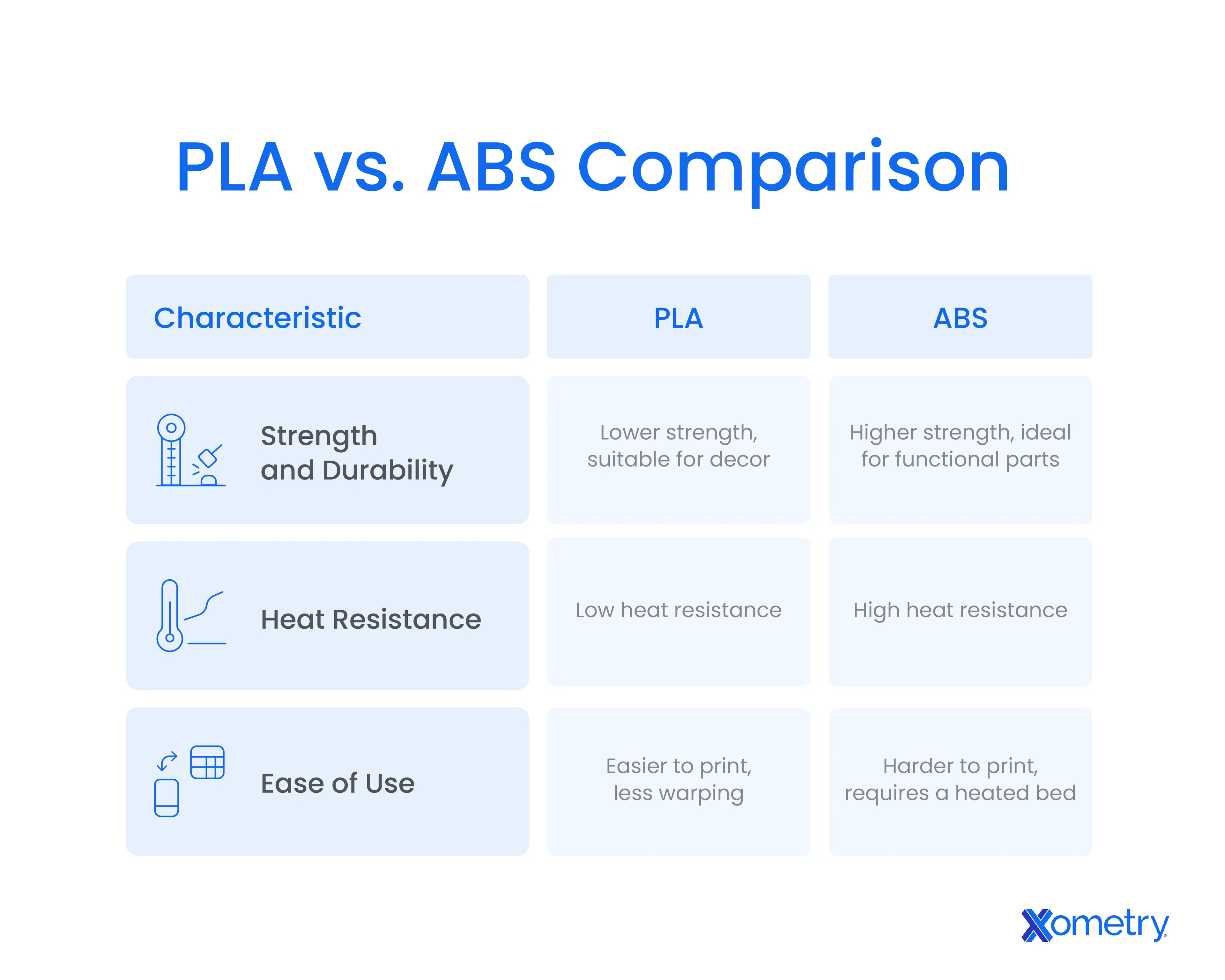
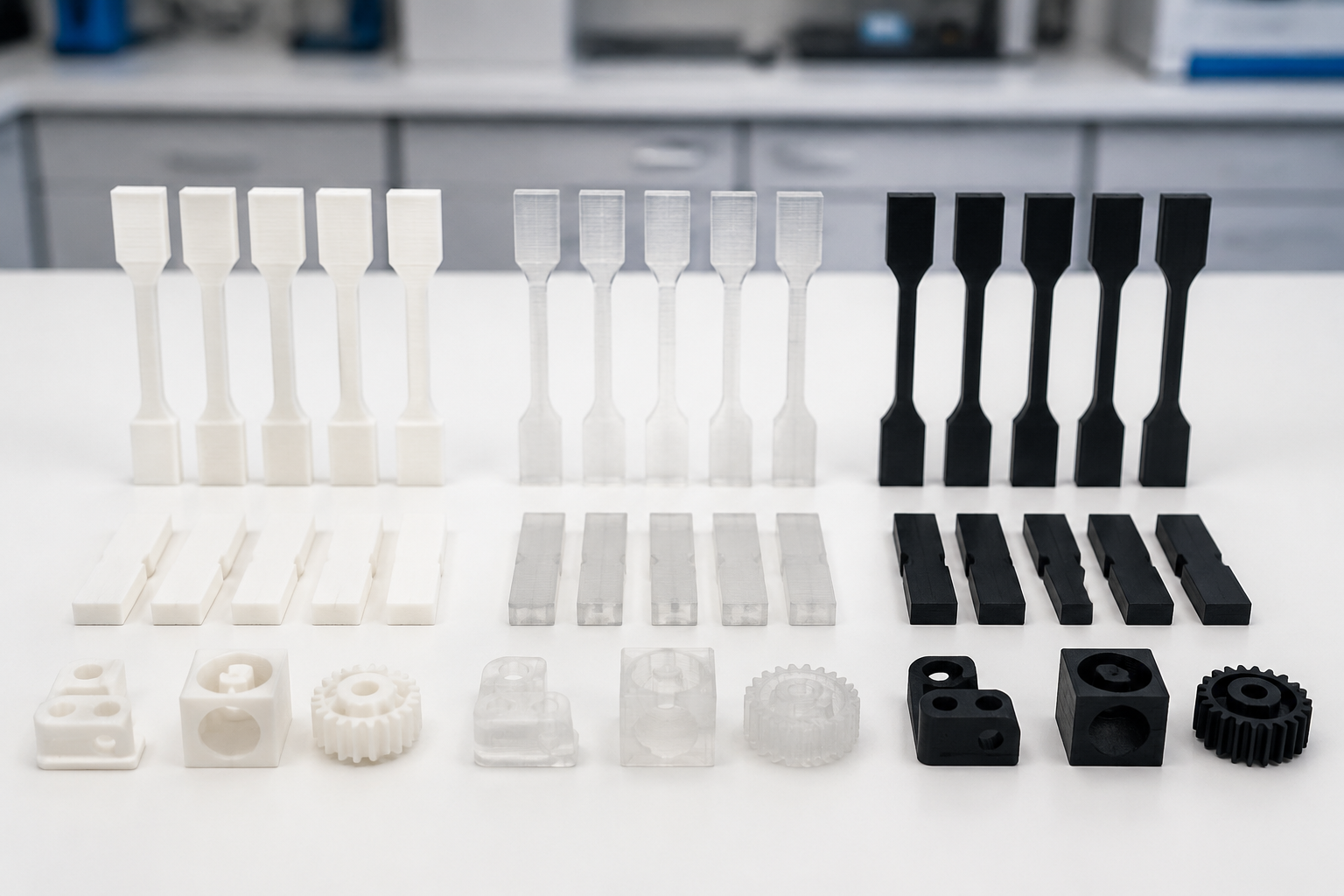
When choosing between ABS and PLA for 3D printing, understanding their core differences—such as material composition, print temperature, warping tendencies, mechanical strength, and post-processing capabilities—is essential for achieving successful, high-quality results across various functional and aesthetic applications.
Fused Deposition Modeling (FDM) 3D printing relies heavily on selecting the correct thermoplastic filament to match the functional requirements of a given project. Among the vast array of materials available on the market, Polylactic Acid (PLA) and Acrylonitrile Butadiene Styrene (ABS) remain the two most popular and widely utilized filaments. While both materials serve as the foundational building blocks for hobbyists, engineers, and manufacturers alike, they possess vastly different chemical compositions, printing behaviors, and mechanical properties. Choosing the wrong filament can lead to structural failure, warping, bed adhesion issues, or unpleasant printing environments. By examining the five key differences between ABS and PLA, creators can make informed decisions that optimize print success, enhance part durability, and ensure a smooth manufacturing workflow.
1. Material Origin, Chemical Composition, and Environmental Impact
The fundamental divergence between ABS and PLA begins at the molecular level, specifically regarding how each polymer is synthesized and its ecological footprint.
PLA is a biodegradable thermoplastic aliphatic polyester derived from renewable, plant-based resources. The primary raw materials utilized in PLA production typically include corn starch, tapioca roots, or sugarcane. During industrial manufacturing, these plant starches undergo wet milling, dextrose fermentation, and polymerization processes to create a reliable, user-friendly 3D printing filament. Because of its biological origins, PLA is biodegradable under industrial composting conditions, breaking down into natural elements over time when exposed to specific moisture and heat levels. However, it is important to note that PLA does not readily decompose in home compost bins or natural environments without dedicated industrial processing facilities.
Conversely, ABS is a petroleum-derived thermoplastic polymer. It is a terpolymer synthesized by polymerizing styrene and acrylonitrile in the presence of polybutadiene. This petrochemical backbone grants ABS distinct industrial traits, including high impact resistance and toughness, but it also means the material is non-biodegradable. Discarded ABS prints persist in landfills for centuries, much like traditional commercial plastics. For users prioritizing environmental sustainability or working in educational environments where eco-friendly materials are preferred, PLA offers a clear advantage in its sourcing, though both require proper recycling or disposal planning depending on local municipal waste management capabilities.
2. Printing Temperatures, Hardware Requirements, and Thermal Behavior
Thermal management represents one of the most critical operational differences when configuring a 3D printer for ABS versus PLA. The melting points, glass transition temperatures, and cooling requirements of each polymer dictate the type of hardware needed and the overall ease of printing.
PLA is renowned for its forgiving thermal profile. It typically extrudes at temperatures ranging from 190°C to 220°C. Furthermore, PLA features a relatively low glass transition temperature—the point at which the plastic transitions from a hard, glassy state to a rubbery state—of approximately 60°C. Because it softens and solidifies quickly upon cooling, PLA requires active part cooling fans running at high percentages to maintain overhang fidelity and bridge gaps cleanly. While a heated print bed is not strictly mandatory for PLA, setting the bed temperature to between 50°C and 60°C significantly improves initial layer adhesion and minimizes the risk of the print detaching mid-job.
ABS demands a much more rigorous thermal environment. It typically requires an extrusion temperature between 230°C and 250°C and a heated print bed maintained at 90°C to 110°C. The high bed temperature is necessary to keep the lower layers of the print warm and adhered to the build surface. More importantly, ABS exhibits high thermal contraction as it cools. If the ambient air around the print cools too quickly, the outer edges and corners of the model will warp, curl upward, and detach from the build plate. Consequently, printing ABS successfully often requires an enclosed 3D printer to trap ambient heat and maintain a stable, warm internal environment, minimizing drafts and sudden temperature fluctuations.
3. Warping, Bed Adhesion, and Environmental Safety
Operating characteristics such as warping tendencies and fume emission directly impact the user experience, room setup, and choice of enclosure.
Warping and Bed Adhesion Challenges
- PLA: Exhibits minimal thermal shrinkage, making it exceptionally stable on the build plate. It rarely warps, even on open-frame 3D printers, and adheres reliably to common build surfaces like glass, PEI sheets, and blue painter's tape.
- ABS: Highly prone to warping and layer separation (delamination) due to high volumetric shrinkage during cooling. Achieving successful bed adhesion for ABS frequently requires specialized adhesives, such as ABS slurry (dissolved scrap ABS in acetone), glue sticks, or specialized polyimide tape, alongside a fully enclosed printer chamber.
Fumes and Ventilation Safety
When heated, thermoplastics release volatile organic compounds (VOCs) and ultrafine particles (UFPs) into the surrounding air. PLA is generally considered low-emission and emits a mild, semi-sweet, or cornstarch-like scent during extrusion. While adequate ventilation is always recommended for any prolonged indoor printing task, PLA does not typically produce irritating or hazardous chemical fumes.
ABS, on the other hand, releases significant amounts of styrene gas and other hazardous VOCs when heated to extrusion temperatures. These fumes have a strong, pungent chemical odor and can cause headaches, eye irritation, and respiratory discomfort if inhaled in poorly ventilated spaces. Printing ABS requires dedicated ventilation systems, such as an enclosure equipped with an active carbon filter (HEPA and activated charcoal) or direct exhaust venting to the outdoors.
4. Mechanical Strength, Durability, and Flexibility
When a 3D-printed part is destined for a mechanical application, load-bearing duty, or outdoor deployment, the structural differences between ABS and PLA become the deciding factor.
| Property | Polylactic Acid (PLA) | Acrylonitrile Butadiene Styrene (ABS) |
|---|---|---|
| Primary Sourcing | Renewable plant starches (corn, sugarcane) | Petroleum-based synthetic terpolymer |
| Print Temperature | 190°C – 220°C | 230°C – 250°C |
| Heated Bed Required? | Optional (50°C – 60°C recommended) | Mandatory (90°C – 110°C) |
| Enclosure Requirement | Not required (open printers work well) | Highly recommended / Essential |
| Impact Resistance | Low to Moderate (brittle under sudden shock) | High (absorbs impact without shattering) |
| UV and Weather Resistance | Poor (degrades, yellows, and weakens outdoors) | Moderate to High (better longevity, though yellows over time) |
| Post-Processing | Sanding is difficult; solvent smoothing is ineffective | Excellent chemical smoothing using acetone vapor |
PLA is a rigid and structurally stiff material. Under high tensile stress, PLA resists bending remarkably well; however, it has low impact resistance. When subjected to sudden drops or sharp impacts, PLA tends to snap or shatter rather than flex. Furthermore, standard PLA has a low glass transition temperature (around 60°C), meaning that components subjected to direct sunlight in a hot car or industrial environments near machinery can soften, deform, and lose structural integrity.
ABS offers superior toughness and impact resistance. It can bend slightly under load and absorb mechanical shocks without fracturing, making it the preferred choice for functional clips, snap-fit enclosures, and mobile device cases. Additionally, ABS boasts a higher thermal resistance threshold, with a glass transition temperature near 105°C, allowing it to withstand warmer operational environments without sagging. However, standard ABS is susceptible to UV degradation, meaning long-term outdoor exposure without a protective UV-resistant coating will cause the polymer chains to break down, leading to surface chalking and brittleness.
5. Post-Processing and Surface Finishing Techniques
The ability to finish, smooth, paint, or glue a 3D-printed part varies significantly depending on whether the print was executed in PLA or ABS.
Post-processing ABS is exceptionally straightforward due to its solubility in acetone. Because ABS dissolves in acetone, makers can utilize an acetone vapor bath or direct liquid application to melt the microscopic layer lines of a 3D print, resulting in a glossy, injection-molded finish. Furthermore, sanding ABS is relatively easy because the material responds predictably to abrasives without gumming up sandpaper. Gluing individual ABS parts together is also seamless; applying a small amount of liquid acetone welds two pieces together at a molecular level, creating a bond as strong as the surrounding plastic.
PLA, by contrast, is resistant to standard hobby solvents like acetone. Smoothing a PLA print cannot be accomplished through chemical vapor baths; instead, it requires manual labor, including thorough sanding, filling layer lines with automotive primer or wood filler, and painting. While mechanical finishing yields professional results, it demands significantly more time and effort than the chemical smoothing methods available for ABS. When gluing PLA parts, users must rely on cyanoacrylate (super glue) or epoxy resins rather than solvent welding.
Frequently Asked Questions
Which material is easier for beginners to print with?
PLA is universally recommended as the best filament for beginners. It requires lower printing temperatures, does not demand a heated enclosure, exhibits minimal warping, and adheres easily to most build plate surfaces. This allows new users to focus on calibrating their printer mechanics and slicer settings without battling thermal contraction issues.
Can I print ABS on a standard, open-frame 3D printer?
While technically possible for very small parts, printing ABS on an open-frame printer is strongly discouraged. Open printers allow drafts to cool the outer layers of the print unevenly, which almost invariably leads to severe warping, edge lifting, and total print detachment from the build plate. An enclosure is vital for maintaining the stable ambient temperatures required by ABS.
How can I safely manage the fumes produced when printing ABS?
ABS releases noxious VOCs and styrene fumes during extrusion. To ensure safety, print in a well-ventilated room, utilize a printer enclosure equipped with a filtration system containing activated carbon and HEPA filters, or vent the exhaust directly outside through a window using a duct fan. Enclosing the printer also prevents ambient drafts from ruining the print.
Is PLA suitable for functional parts exposed to high temperatures?
Standard PLA is generally unsuitable for high-temperature applications because its glass transition temperature is around 60°C. Exposing standard PLA to direct sunlight behind a windshield, hot water, or heated machinery will cause it to soften and warp. For high-heat environments, engineering filaments like ABS, PETG, or specialized heat-treated engineering grades are necessary.
How do ABS and PLA compare in terms of post-processing and painting?
ABS offers a major advantage in post-processing because it dissolves in acetone, allowing for effortless chemical smoothing and solvent welding. PLA is insoluble in common solvents, meaning surface finishing must be achieved manually through sanding, applying filler primers, and painting with acrylic or spray paints.
Conclusion
Selecting between ABS and PLA for 3D printing depends entirely on the functional demands, aesthetic goals, and operational environment of your specific project. PLA provides an accessible, eco-friendly, and dimensionally stable solution ideal for decorative models, prototypes, and beginners. ABS delivers high impact resistance, thermal stability, and unmatched post-processing potential via acetone smoothing, making it the superior choice for functional, load-bearing mechanical parts produced in controlled, well-ventilated printing environments.