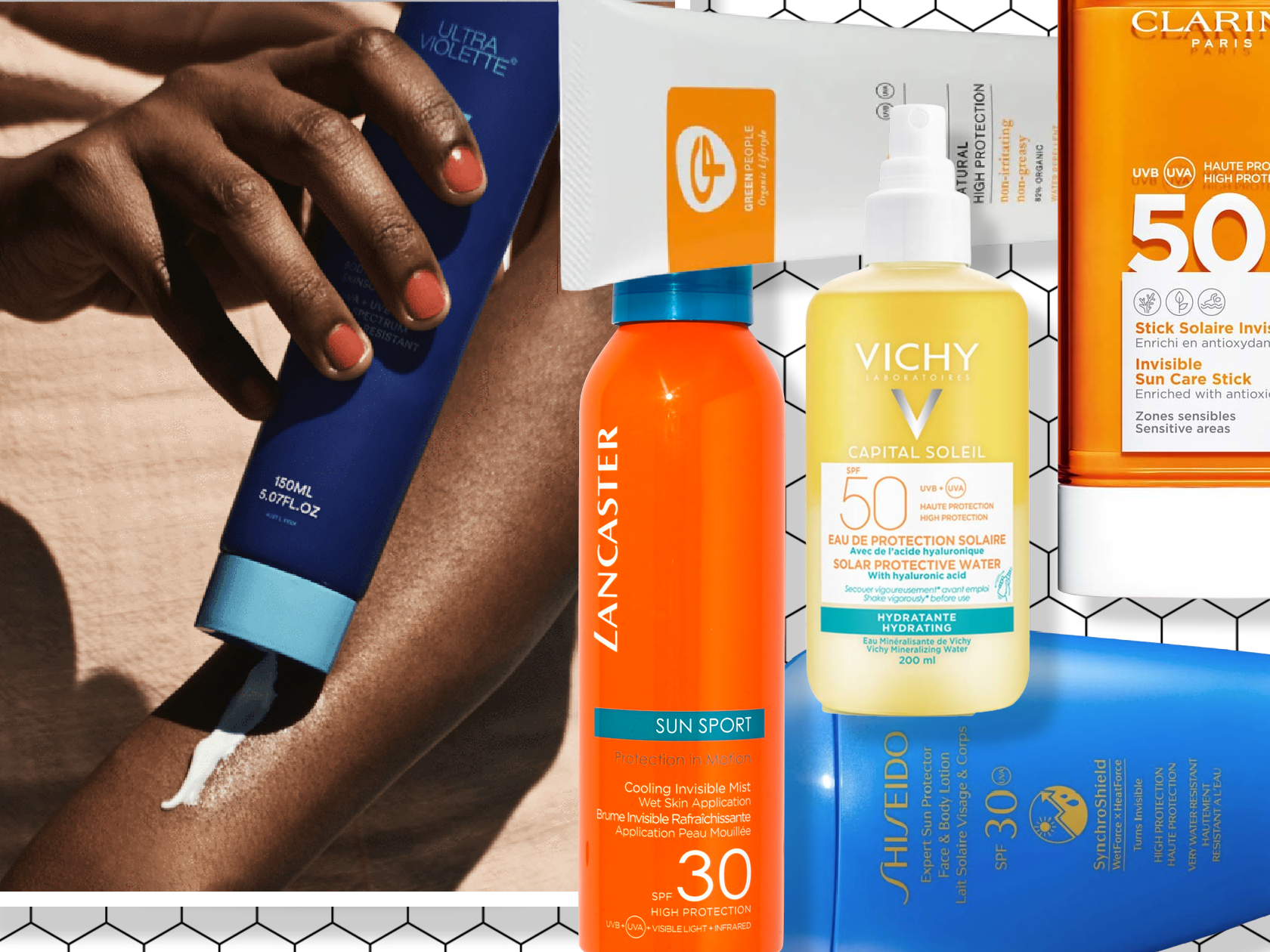
Selecting the right SPF lotion requires balancing sun protection factor ratings, active ingredient types like mineral or chemical filters, broad-spectrum coverage, your unique skin type, and everyday water resistance needs to ensure safe and effective daily use.
Navigating the skin care aisle can quickly become overwhelming when faced with dozens of sunscreens promising absolute protection, anti-aging benefits, and invisible finishes. Finding a product that you will actually look forward to applying every single morning comes down to understanding a few core technical specifications. Whether you are shopping for a lightweight daily facial moisturizer with built-in ultraviolet protection or a heavy-duty water-resistant formulation for outdoor athletics, looking at the product through a structured lens prevents wasted money and skin damage.
Dermatologists and skin health organizations consistently emphasize that the best sunscreen is the one you wear consistently. To achieve that consistency, a lotion must not only protect against solar radiation but also feel comfortable on your specific skin type, fit seamlessly into your routine, and cause zero irritation. Below is an exhaustive breakdown of the five critical factors you must evaluate to choose the best SPF lotion for your lifestyle and biological needs.
1. Broad-Spectrum Coverage and SPF Rating
The primary purpose of any sunscreen is to shield your skin from the sun's harmful ultraviolet (UV) radiation, which is split into two distinct types that affect skin differently: UVA and UVB rays.
Understanding UVA and UVB Rays
Ultraviolet A (UVA) rays penetrate deep into the dermis, driving premature skin aging, wrinkles, and suppressing the immune system. They account for up to 95 percent of the UV radiation reaching the Earth's surface and remain at relatively constant intensity throughout daylight hours year-round, even penetrating glass. Ultraviolet B (UVB) rays primarily affect the outer epidermal layer of the skin, causing sunburns, DNA mutations, and playing a key role in the development of skin cancers, including melanoma. UVB intensity fluctuates by season, geographic location, and time of day.
To ensure protection against both types of radiation, you must look for the term Broad-Spectrum explicitly printed on the product label. A standard SPF rating only measures protection against UVB-induced sunburns, leaving unprotected skin vulnerable to the silent aging and cellular damage caused by UVA rays.
Decoding SPF Numbers
Sun Protection Factor (SPF) is a measure of how much solar energy (UV radiation) is required to produce sunburn on protected skin compared to unprotected skin.
- SPF 15 blocks approximately 93 percent of UVB rays.
- SPF 30 blocks approximately 97 percent of UVB rays.
- SPF 50 blocks approximately 98 percent of UVB rays.
- SPF 100 blocks approximately 99 percent of UVB rays.
Dermatological authorities, including the Skin Cancer Foundation, generally recommend a minimum of SPF 30 for daily, incidental exposure. While higher numbers offer incremental improvements in UVB blocking, no sunscreen blocks 100 percent of rays, and higher SPF ratings do not mean you can stay out in the sun indefinitely without reapplication.
2. Active Ingredient Types: Mineral vs. Chemical Filters
Sun protection lotions utilize active ingredients that fall into two broad categories: mineral (physical) filters and chemical filters. Both types undergo rigorous testing by regulatory bodies such as the U.S. Food and Drug Administration (FDA) to ensure safety and efficacy, but they function entirely differently on the skin.
Mineral (Physical) Active Ingredients
Mineral sunscreens rely on naturally occurring earth minerals—specifically zinc oxide and titanium dioxide.
- Mechanism: They sit on top of the skin's surface and act like a physical shield, reflecting and scattering UV radiation away from the body.
- Advantages: They offer immediate protection upon application (no waiting period required) and are significantly less likely to cause allergic reactions or stinging, making them ideal for sensitive skin, rosacea-prone skin, and infants. Zinc oxide provides exceptionally broad protection across both UVA and UVB spectrums.
- Disadvantages: Traditional mineral formulas can leave a noticeable white cast on deeper skin tones and can feel thicker or heavier, though modern micronized and tinted formulations have largely mitigated this issue.
Chemical Active Ingredients
Chemical sunscreens use carbon-based compounds such as avobenzone, oxybenzone, octisalate, octocrylene, homosalate, and octinoxate.
- Mechanism: These ingredients are absorbed into the top layers of the skin. When UV rays hit the skin, the chemical filters absorb the radiation, convert it into heat, and release that heat harmlessly from the body.
- Advantages: They are typically formulated into elegant, lightweight textures that spread effortlessly, absorb completely invisible to the eye, and layer smoothly under makeup without pilling.
- Disadvantages: They require approximately 15 to 20 minutes after application to bind with the skin and become fully effective. Certain chemical filters can also cause stinging around the eyes or allergic contact dermatitis in sensitive individuals.
3. Skin Type Compatibility and Dermatological Needs
A lotion with an impressive SPF rating is useless if it triggers breakouts, exacerbates eczema, or leaves your face looking excessively greasy. Matching your sunscreen to your physiological skin type ensures comfort and compliance.
| Skin Type | Recommended Active Ingredients | Preferred Formulations |
|---|---|---|
| Oily / Acne-Prone | Chemical or Mineral | Oil-Free, Gel-Cream, Matte |
| Dry | Chemical or Mineral | Cream, Lotion with Ceramides |
| Sensitive | Mineral (Zinc Oxide / Titanium) | Fragrance-Free, Hypoallergenic |
| Combination | Lightweight Chemical or Mineral | Fluid, Balancing Emulsion |
Oily and Acne-Prone Skin
If your skin produces excess sebum, look for labels marked non-comedogenic (meaning they won't clog pores), oil-free, and matte finish. Gel-creams and fluid lotions containing silica or niacinamide help control midday shine while delivering necessary UV defense.
Dry and Mature Skin
Dry skin benefits from rich, emosllient-heavy lotions infused with hydrating ingredients like hyaluronic acid, ceramides, glycerin, and peptides. These components reinforce the skin barrier while protecting against photoaging.
Sensitive, Rosacea, or Eczema-Prone Skin
For reactive skin types, fragrance is often the primary culprit behind irritation. Select hypoallergenic, fragrance-free mineral sunscreens that rely exclusively on zinc oxide and avoid drying alcohols and essential oils.
4. Water and Sweat Resistance Ratings
If you plan on swimming, exercising outdoors, or sweating heavily, a standard daily lotion will quickly break down and wash away, leaving your skin exposed to burns and cellular damage.
Regulatory Standards
Sunscreen manufacturers cannot legally label a product as "waterproof" or "sweatproof" under modern regulatory frameworks, as all sunscreens eventually wash off. Instead, they must test and label products as Water Resistant for a specific duration:
- 40 minutes: The sunscreen maintains its stated SPF level after 40 minutes of moderate water immersion or sweating.
- 80 minutes: The sunscreen maintains its stated SPF level after 80 minutes of moderate water immersion or sweating.
Practical Implications
Even the highest-rated water-resistant sunscreen loses its efficacy over time due to towel drying, friction from clothing, and natural skin shedding. Regardless of whether a formula is rated for 40 or 80 minutes, public health guidelines from the Centers for Disease Control and Prevention (CDC) dictate that you must reapply sunscreen at least every two hours, and immediately after swimming or rigorous towel drying.
5. Cosmetic Elegance, Finish, and Daily Usability
Cosmetic elegance refers to how a product feels, smells, and looks on your skin during and after application. If a sunscreen feels heavy, smells medicinal, or pills under your moisturizer, you are far less likely to use the recommended amount.
Finish Types
- Dewy / Natural: Leaves a luminous, hydrated sheen that mimics healthy, well-moisturized skin. Ideal for normal to dry skin types.
- Matte / Velvet: Controls oil production and sets down to a velvety, shine-free finish. Excellent for humid climates and oily skin.
- Tinted: Contains iron oxides that provide a sheer wash of color. Tinted mineral sunscreens are especially valuable because the iron oxides neutralize the white cast of zinc oxide and provide an extra layer of defense against high-energy visible (HEV) blue light emitted by screens.
Application Habits
To achieve the SPF protection stated on the bottle, adults generally need about a nickel-sized dollop for the face and neck, or roughly one ounce (a shot glass full) for the entire body. Choosing a lotion texture that spreads easily without excessive tugging ensures you can apply this adequate amount without frustration.
Frequently Asked Questions
Do I need to wear SPF lotion indoors or on cloudy days?
Yes. Up to 80 percent of the sun's UV rays can penetrate through light clouds and fog. Furthermore, UVA rays penetrate standard window glass in homes, offices, and cars. If you are sitting near a window or exposed to daylight, daily application of an SPF 30 or higher lotion remains essential for long-term skin health.
What is the difference between chemical and physical sunscreens for sensitive skin?
Physical (mineral) sunscreens use zinc oxide and titanium dioxide, which sit on the skin and reflect UV rays, rarely causing irritation. Chemical sunscreens absorb into the skin and convert UV rays to heat; certain chemical filters can trigger stinging, allergic contact dermatitis, or irritation in individuals with compromised skin barriers, eczema, or rosacea.
Can I use my facial SPF lotion as my daily moisturizer?
Many modern facial sunscreens are formulated with hydrating ingredients like hyaluronic acid and glycerin, allowing them to double as a morning moisturizer. However, if you have extremely dry skin, you may need to apply a dedicated lightweight moisturizer underneath your SPF lotion to prevent flaking.
How long does an SPF lotion remain effective after opening?
Most sunscreens are formulated to maintain their stated potency for up to three years. However, check the bottle for an expiration date or a period-after-opening (PAO) symbol (such as "12M" for 12 months). Storing sunscreen in hot environments, such as a direct-sun beach bag or a steamy car, can degrade the active ingredients prematurely, rendering the product ineffective.
Does higher SPF mean I do not need to reapply?
No. Higher SPF ratings indicate a marginally higher percentage of UVB blockage, not an extended duration of protection. All sunscreens degrade when exposed to UV light, sweat, and natural skin oils, requiring reapplication at least every two hours for continued protection.
Final Recommendation
Choosing the best SPF lotion ultimately comes down to an honest assessment of your skin type, daily habits, and environmental exposure. Start by securing a broad-spectrum formula with at least SPF 30. If your skin is sensitive or acne-prone, prioritize fragrance-free mineral filters; if you prefer an invisible, weightless feel under makeup, look toward elegant fluid chemical formulations. Whichever product you select, ensure you apply a generous amount every single morning as the final step in your skin care routine, and reapply diligently whenever you are outdoors.