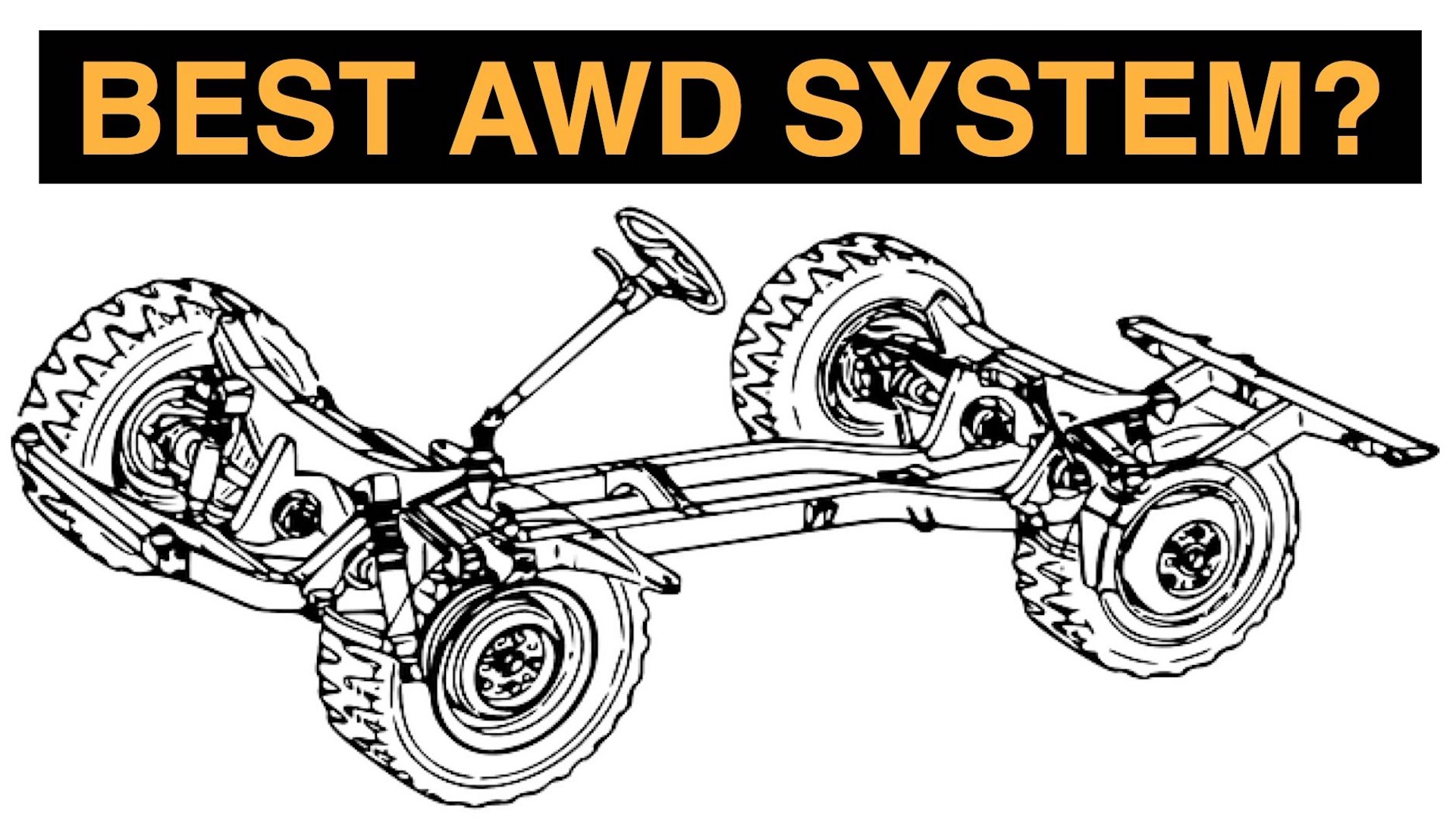
The Ford Explorer’s 4-wheel drive (4WD) system has transitioned from a traditional mechanical setup to a sophisticated, RWD-biased Intelligent 4WD platform. In 2026, these systems rely on high-speed sensors, a specialized Terrain Management System, and hybrid-electric integration to provide seamless traction, enhanced towing stability, and improved fuel efficiency across various driving conditions.
For over three decades, the Ford Explorer has served as a benchmark for the American SUV segment. While its exterior styling and interior amenities have evolved, the most significant engineering transformations have occurred beneath the chassis. Specifically, the drivetrain—the system responsible for delivering power to the wheels—has undergone a radical metamorphosis. As we look at the Ford Explorer in 2026, the "Intelligent 4WD" system is no longer a simple mechanical link between the front and rear axles. It is a data-driven, proactive suite of technologies designed to balance the conflicting demands of off-road ruggedness and on-road refinement.
The shift toward the current CD6 platform, which returned the Explorer to its rear-wheel-drive roots, served as the catalyst for these changes. By moving away from the front-wheel-drive bias of the previous generation, Ford engineers were able to reimagine how torque is distributed. This transition has allowed for a more dynamic driving experience while simultaneously increasing the vehicle's maximum towing capacity and off-road poise.
Understanding these changes is essential for owners, prospective buyers, and technicians, as the modern Explorer 4WD system requires specific maintenance and operational knowledge to ensure longevity and peak performance.
1. The Shift to Rear-Wheel Drive Biased Architecture (CD6 Platform)
The most foundational change shaping the modern Ford Explorer 4WD system is the migration to the CD6 platform. Before 2020, the Explorer utilized a front-wheel-drive (FWD) biased architecture. While efficient for packaging, this layout limited the vehicle’s towing potential and handling dynamics. The return to a longitudinal engine layout and a rear-wheel-drive (RWD) bias changed everything for the 4WD system.
In the current 2026 models, the 4WD system is designed to send 100% of the power to the rear wheels under normal, dry driving conditions. This reduces parasitic drag and improves fuel economy. However, the system is "active," meaning it can transition power to the front wheels in milliseconds. Because the primary drive wheels are in the rear, the Explorer benefits from better weight distribution during acceleration. When the 4WD system engages, the vehicle pushes and pulls simultaneously, providing a more balanced feel than the "pull-only" sensation of FWD-based systems.
Furthermore, this architecture allows for a more robust transfer case. In the 2026 Explorer, the Intelligent 4WD system uses an electromagnetic clutch within the transfer case to vary the amount of torque sent to the front axle. This setup is significantly more precise than the hydraulic couplings used in older generations, allowing for a variable torque split that can range from 0/100 (front/rear) to 50/50 depending on the selected drive mode and detected wheel slip.
2. Advanced Terrain Management System (TMS) Evolution
The Terrain Management System (TMS) is the "brain" of the Ford Explorer’s 4WD setup. By 2026, the TMS has evolved from a simple dial into a complex software suite that coordinates the engine, transmission, braking, and 4WD hardware. The system allows the driver to select specific modes that prime the vehicle for different surfaces.
Each mode fundamentally alters the 4WD logic:
- Normal: Optimized for everyday driving, focusing on fuel efficiency and smooth shifts. The front axle is often disconnected to save fuel.
- Sport: Increases throttle response and holds gears longer. The 4WD system becomes more aggressive, sending more torque to the front wheels during cornering to improve "turn-in" and grip.
- Eco: Maximizes fuel economy by prioritizing RWD and adjusting shift points.
- Slippery: Tailored for rain or ice. The system monitors wheel speed at a higher frequency and limits torque to prevent spinning.
- Deep Snow/Sand: Provides a more linear torque delivery and allows for more wheel spin, which is often necessary to maintain momentum in soft terrain.
- Trail: Specifically tuned for unpaved roads, adjusting the ABS and traction control to allow for controlled slides and better braking on loose dirt.
- Tow/Haul: Optimizes the 4WD system to stabilize the trailer, using the front wheels to help "steer" the load during heavy acceleration.
What makes the 2026 iteration unique is the integration of predictive algorithms. Instead of waiting for a wheel to slip, the system analyzes steering angle, lateral acceleration, and throttle position to anticipate traction loss before it occurs.
3. Intelligent Driveline Disconnect and Efficiency Logic
One of the primary criticisms of traditional 4WD systems is the "fuel economy penalty" caused by the weight and friction of turning two extra wheels. To combat this, Ford has perfected the Driveline Disconnect technology in the 2026 Explorer.
When the vehicle determines that 4WD is not necessary—such as during steady-state highway cruising at 65 mph in dry weather—the system can physically decouple the front propshaft and the front axles. This prevents the front wheels from "back-driving" the front differential and transfer case components. By eliminating this rotational inertia, the Explorer achieves fuel economy figures that were previously only possible in FWD crossovers.
The transition back to 4WD is instantaneous. Using a high-speed Transfer Case Control Module (TCCM), the system can re-engage the front driveline in less than 150 milliseconds. This is faster than the blink of a human eye. The driver rarely feels the transition, which is managed by a synchronized engagement of the electromagnetic clutch and the front axle disconnect (if equipped). This seamless operation is a hallmark of the 2026 model, representing a peak in the balance between capability and environmental responsibility.
4. Integration of Electrification and Hybrid 4WD
In 2026, the Ford Explorer Hybrid remains a vital part of the lineup, particularly for government fleets and eco-conscious families. The 4WD system in the Hybrid model differs slightly in its execution compared to the standard EcoBoost models.
In the Hybrid, the electric motor is sandwiched between the 3.3L V6 engine and the 10-speed modular hybrid transmission. Because electric motors provide maximum torque at 0 RPM, the 4WD system in the Hybrid is exceptionally capable in low-speed, high-load situations—such as pulling a boat up a wet ramp or crawling over obstacles.
The 4WD system leverages this "instant torque" by directing electric power to the wheels with the most grip. Additionally, the regenerative braking system is integrated into the 4WD logic. During deceleration on slippery surfaces, the system can use the electric motor to apply "engine braking" to all four wheels in a controlled manner, reducing the likelihood of a skid. This synergy between the high-voltage battery and the mechanical 4WD hardware makes the Hybrid one of the most stable iterations of the Explorer ever produced.
5. Software-Defined Torque Vectoring and Stability Control
The final major change is the shift toward "Software-Defined" performance. In the 2026 Explorer, especially in the ST and Timberline trims, the 4WD system works in tandem with an electronic brake-actuated torque vectoring system.
While the Explorer does not typically use a mechanical limited-slip front differential, it mimics the effect through the Intelligent 4WD software. If the system detects the inside front wheel spinning during a turn, it applies the brake to that specific wheel. This forces the torque through the open differential to the outside wheel, which has more grip.
In the Timberline or off-road oriented packages, the 4WD system is paired with a Torsen® limited-slip rear differential. This mechanical upgrade, combined with the 4WD software, ensures that even if two wheels (one front, one rear) lose traction, the vehicle can still move forward. This level of technical sophistication allows the Explorer to bridge the gap between a family hauler and a legitimate weekend explorer.
Comparison of Ford Explorer 4WD Generations
The following table highlights the technical progression from the previous FWD-based generation to the current RWD-based 2026 model.
| Feature | 5th Gen (Pre-2020) | 6th Gen/Current (2020-2026) |
|---|---|---|
| Primary Platform | FWD-Biased (D4) | RWD-Biased (CD6) |
| Torque Distribution | Up to 50% to Rear | Up to 50% to Front (Variable) |
| Default Drive State | Front-Wheel Drive | Rear-Wheel Drive |
| Transfer Case Type | Power Transfer Unit (PTU) | Electromagnetic Clutch |
| Maximum Towing | 5,000 lbs | Up to 5,600 lbs |
| Terrain Management | 4-5 Modes | Up to 7 Modes |
| Efficiency Tech | Constant Rotation | Driveline Disconnect |
Maintenance and Care for the Intelligent 4WD System
Owning a 2026 Ford Explorer with Intelligent 4WD requires a proactive approach to maintenance. Because the system relies on an electromagnetic clutch and variable torque distribution, the fluids within the transfer case and differentials are subject to significant heat and shear forces, especially during towing or off-roading.
Fluid Service Intervals
While many manufacturers claim "lifetime" fluids, experienced technicians recommend changing the transfer case fluid and differential oil every 30,000 to 50,000 miles if the vehicle is frequently used for towing or in extreme climates. For the 2026 Explorer, ensure the use of the specific Motorcraft fluids designated in the owner’s manual, as modern additives are essential for the longevity of the clutch packs.
Tire Uniformity
A critical but often overlooked aspect of 4WD maintenance is tire wear. The Intelligent 4WD system monitors wheel speeds constantly. If you have tires with significantly different tread depths (even on the same axle), the system may interpret the difference in rotational speed as wheel slip. This can lead to unnecessary engagement of the 4WD system, causing premature wear on the transfer case and reducing fuel economy. Always rotate tires every 5,000 to 7,500 miles and replace all four tires simultaneously whenever possible.
Software Updates
In 2026, Ford vehicles utilize over-the-air (OTA) updates. The 4WD system’s logic can be refined by Ford engineers long after the vehicle has left the factory. Owners should ensure their vehicle is connected to Wi-Fi or has a cellular data plan active to receive these critical updates, which often improve shift quality and 4WD engagement timing.
Troubleshooting Common 4WD Issues
Even with advanced technology, mechanical and electronic issues can arise. Common symptoms of 4WD trouble in the 2026 Explorer include:
- Binding or "Crow-Hopping": If the vehicle feels like it is "jumping" during tight turns on dry pavement, the electromagnetic clutch may be failing to disengage.
- Warning Messages: "4WD Temporarily Disabled" is a common message if the system overheats. This is often a protective measure during heavy off-roading or if a wheel has been spinning excessively.
- Vibrations: A vibration during acceleration could indicate a failing CV axle or a worn u-joint in the front propshaft.
If any of these issues occur, a diagnostic scan of the TCCM (Transfer Case Control Module) is the first step. This module stores specific codes that traditional OBD-II scanners may not be able to read.
FAQs
Is the Ford Explorer 4WD the same as All-Wheel Drive (AWD)?
Technically, the Ford Explorer uses an "Intelligent 4WD" system that functions similarly to an active AWD system. Unlike traditional 4WD found on trucks like the F-150, which has a "4-Low" gear for extreme crawling, the Explorer uses software and braking to manage low-speed traction. However, it is more robust than most standard AWD systems found in sedans, as it is designed for towing and light off-roading.
Can I tow with the Explorer in 4WD?
Yes. In fact, selecting the "Tow/Haul" mode automatically adjusts the 4WD system to provide better stability. It distributes torque to the front wheels during take-off to prevent the rear tires from slipping under the weight of the trailer and helps maintain steering authority on slippery ramps.
How does the 2026 Explorer 4WD handle ice?
The 2026 model excels on ice thanks to the "Slippery" mode. This mode reduces throttle sensitivity and adjusts the 10-speed transmission to start in a higher gear (often 2nd gear) to reduce torque at the wheels. The 4WD system also maintains a higher level of "pre-load" on the front clutch to ensure power is already at the front wheels before you even begin to move.
Does the 4WD system require a special "break-in" period?
While modern manufacturing is very precise, it is generally recommended to avoid heavy towing or extreme off-roading for the first 1,000 miles. This allows the gears in the differentials and the clutch packs in the transfer case to seat properly.
What happens if the 4WD system fails?
In most cases, if the 4WD system experiences an electronic or mechanical failure, the vehicle will default to Rear-Wheel Drive mode. A warning light will appear on the dashboard, and features like the Terrain Management System will be disabled. The vehicle is usually still drivable in RWD mode, but you should seek service immediately to avoid further damage to the drivetrain.
Final Recommendation
For drivers in 2026, the Ford Explorer’s 4-wheel drive system offers a sophisticated balance of performance and utility. To get the most out of this system, owners should familiarize themselves with the Terrain Management dial and use the specific modes as intended. Furthermore, prioritizing tire maintenance and following a 50,000-mile fluid service interval for the transfer case will ensure that the "Intelligent" part of your 4WD remains reliable for the life of the vehicle. If you frequently encounter deep snow or mud, consider a trim level like the Timberline, which adds mechanical hardware to complement the already impressive software-driven 4WD logic.