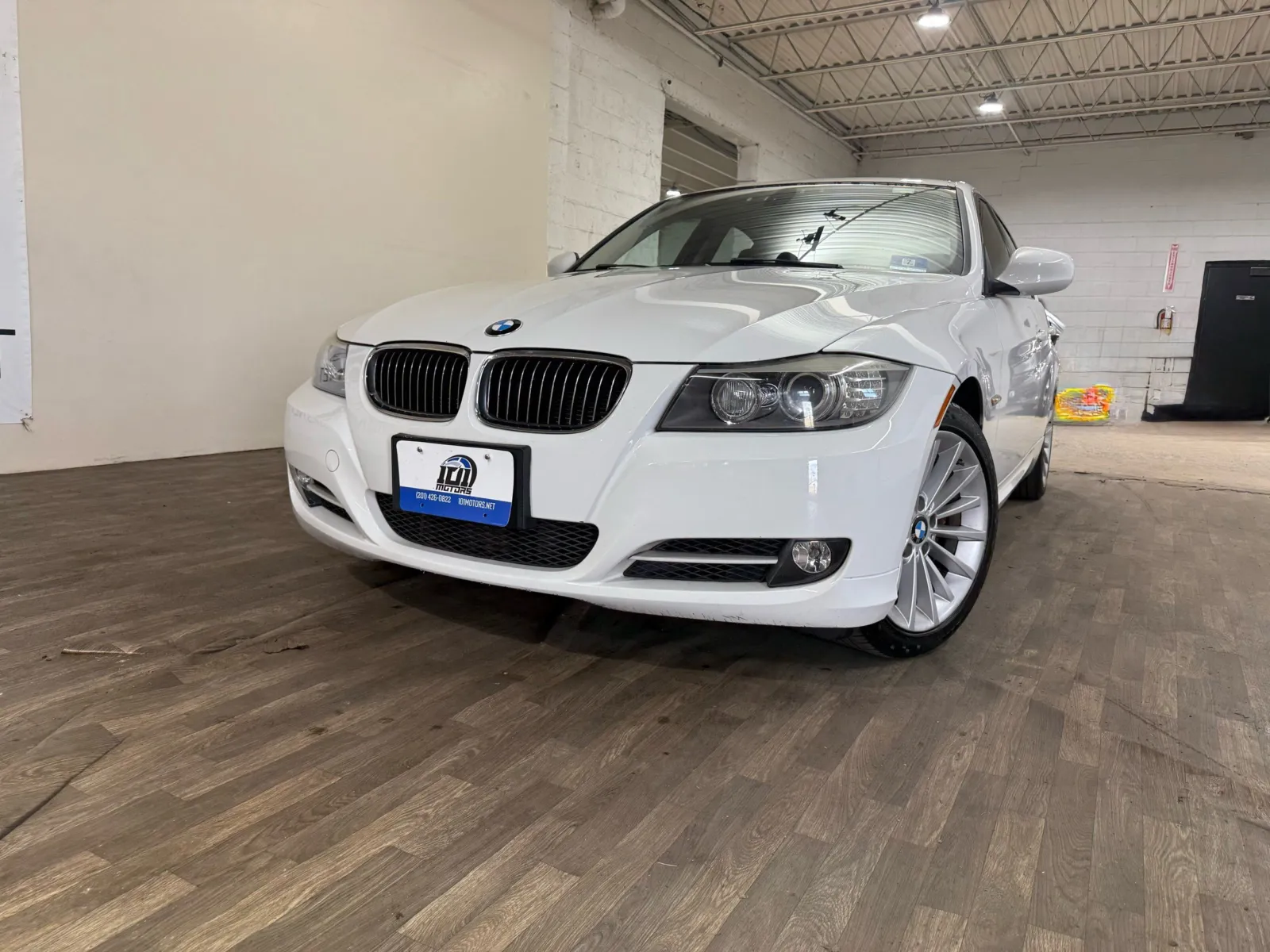
The 2011 BMW 335i produces a factory-rated 300 horsepower at 5,800 rpm and 300 lb-ft of torque between 1,200 and 5,000 rpm. This output is generated by the 3.0-liter N55 inline-six engine, which features a single twin-scroll turbocharger, direct injection, and Valvetronic variable valve lift technology.
As we look at this vehicle in 2026, the 2011 335i remains a benchmark for the "sport sedan" category. While 300 horsepower may seem modest compared to modern electrified performance vehicles, the delivery of that power—specifically the broad torque curve starting at just 1,200 rpm—defines the driving experience of the E90 (sedan) and E92 (coupe) generations. This year was pivotal for BMW, as it marked the full transition from the twin-turbocharged N54 engine to the single-turbocharged N55, a move that prioritized reliability and fuel efficiency without sacrificing the 335i’s signature performance.
The N55 Engine Architecture: Why the 2011 Model is Unique
The 2011 model year is significant because it represents the first full production year for the N55 engine in the 3 Series lineup. To understand the 335i's horsepower, one must understand the shift in engineering philosophy that occurred during this era.
From Twin-Turbo to Twin-Scroll
The predecessor to the 2011 model used two small, identical turbochargers (N54). For the 2011 335i, BMW moved to a single twin-scroll turbocharger. A twin-scroll housing features two separate exhaust gas inlets and two nozzles, one smaller and sharper for quick response, and one larger and less angled for high-speed performance. This allowed BMW to maintain the same 300 horsepower rating while reducing complexity, improving catalytic converter warm-up times, and virtually eliminating turbo lag.
Valvetronic Integration
Unlike the earlier 335i models, the 2011 version integrated Valvetronic III. This system varies the lift of the intake valves, essentially replacing the traditional throttle body for most driving conditions. This allows the engine to "breathe" more freely, reducing pumping losses. In terms of horsepower, this means the 2011 335i feels more responsive to throttle inputs than its predecessors, even if the peak numbers on paper remained identical.
Detailed Performance Specifications and Metrics
While the peak 300 horsepower figure is the headline, the performance of the 2011 335i is better understood through its acceleration and power delivery across the rev range.
Acceleration and Speed
In factory trim, the 2011 BMW 335i (rear-wheel drive, manual transmission) can accelerate from 0 to 60 mph in approximately 5.4 seconds. The xDrive (all-wheel drive) variants, despite the weight penalty, often match or slightly beat this time due to superior off-the-line traction, clocking in around 5.2 to 5.3 seconds.
The quarter-mile performance is typically recorded in the 13.6 to 13.9-second range at a trap speed of roughly 103-105 mph. These figures were highly competitive at release and remain respectable for an enthusiast vehicle in 2026. Top speed is electronically limited to 130 mph on standard models, or 150 mph for vehicles equipped with the M Sport package or the "Increased Top Speed" option.
Dyno Testing: The "Underrated" Factor
Historically, BMW has been known to underrate their engines. Enthusiasts who put stock 2011 335i units on a chassis dynamometer (dyno) frequently see "at the wheels" figures of roughly 270-280 wheel horsepower (whp). When accounting for a standard 12-15% drivetrain loss, this suggests the N55 engine actually produces closer to 315-325 crank horsepower from the factory.
| Specification | Metric Value |
|---|---|
| Engine Type | 3.0L Inline-6 (N55) |
| Aspiration | Single Twin-Scroll Turbo |
| Peak Horsepower | 300 hp @ 5,800 rpm |
| Peak Torque | 300 lb-ft @ 1,200–5,000 rpm |
| Bore x Stroke | 84.0 mm x 89.6 mm |
| Compression Ratio | 10.2:1 |
| Fuel System | High Pressure Direct Injection |
| 0-60 mph (Manual) | 5.4 Seconds |
| 0-60 mph (Automatic) | 5.6 Seconds |
| Quarter Mile | ~13.7 Seconds @ 104 mph |
Variations: 335i vs. 335is Performance
It is a common point of confusion for the 2011 model year that BMW offered both a 335i and a 335is. While the 335i moved to the N55 engine, the 335is actually retained a high-output version of the older twin-turbo N54 engine.
The 335is was tuned to produce 320 horsepower and 332 lb-ft of torque. Furthermore, it featured an "overboost" function that allowed torque to spike to 370 lb-ft for up to seven seconds during full-throttle acceleration. If your search for "335i 2011 horsepower" is driven by a desire for the highest factory output available that year, the 335is is the variant that sits atop the hierarchy, though it lacks the Valvetronic technology found in the standard 2011 335i.
Tuning Potential: Increasing Horsepower Beyond 300
The N55 engine in the 2011 335i is a favorite in the aftermarket community because it responds exceptionally well to ECU remapping and bolt-on modifications. In 2026, the platforms for tuning these engines (such as MHD Tuning, Bootmod3, and JB4) are highly mature and stable.
Stage 1 (Software Only)
By simply flashing the Engine Control Unit (ECU) with a "Stage 1" map, owners can typically increase horsepower to 340–360 hp and torque to 370–390 lb-ft. This requires no physical hardware changes and works with the stock intercooler and catalytic converters.
Stage 2 (Hardware Required)
To reach the next level, owners usually install a high-flow downpipe and an upgraded intercooler. This setup, known as "Stage 2," allows the turbo to breathe more efficiently and prevents heat soak. A Stage 2 2011 335i can reliably produce 380–400 horsepower and over 400 lb-ft of torque.
The Limits of the Stock Turbo
The stock twin-scroll turbocharger on the N55 begins to lose efficiency around the 420-horsepower mark. To go higher, enthusiasts often look at "Stage 2+" or "Big Turbo" kits. With a replaced turbocharger and upgraded fueling (such as an ethanol blend or port injection), the N55 block is capable of handling 550-600 horsepower, though this significantly increases the maintenance burden and risks to drivetrain components.
Drivetrain Impact on Power Delivery
The way the 300 horsepower reaches the pavement depends heavily on the transmission and drive configuration selected for the 2011 model.
- 6-Speed Manual: Favored by purists, the ZF manual transmission provides a direct connection to the engine. It is robust but can require a clutch upgrade if the car is tuned significantly beyond stock torque levels.
- 6-Speed Steptronic Automatic: This is a torque-converter automatic (the ZF 6HP). It is smooth and reliable but lacks the lightning-fast shifts of modern 8-speed units. It is generally rated to handle up to about 450 lb-ft of torque before internal slipping becomes a concern.
- xDrive vs. RWD: The rear-wheel-drive 335i offers the classic BMW handling balance. The xDrive system adds weight (roughly 200 lbs) but provides year-round usability and better traction for high-horsepower launches. However, the xDrive transfer case can be a failure point if power is increased excessively without supporting mods.
Common Horsepower "Parasites": Maintenance and Power Loss
As these vehicles have aged into 2026, many 2011 335i units may not be producing their full factory-rated 300 horsepower due to maintenance neglect. To maintain peak performance, several "N55-specific" issues must be addressed.
Carbon Buildup
Because the N55 uses direct injection, fuel does not wash over the intake valves. Over time, oil vapors from the crankcase ventilation system bake onto the valves, forming carbon deposits. This restricts airflow and can lead to a loss of 10–20 horsepower, rough idling, and hesitation. "Walnut blasting" the intake ports is the industry-standard solution to restore this lost power.
Boost Leaks
The plastic charge pipes and intercooler connections on the 2011 335i are prone to cracking or leaking under pressure. A small boost leak might not trigger a "Limp Mode" warning but will prevent the turbo from reaching its target PSI, resulting in a noticeable drop in mid-range torque.
High-Pressure Fuel Pump (HPFP)
While the N55's fuel pump was much more reliable than the version found in the 2007–2010 models, it is still a wear item. If the pump cannot maintain the required 2,000+ PSI at the fuel rail during wide-open throttle, the ECU will pull timing and reduce power output to protect the engine from a lean condition.
2011 335i Horsepower vs. Modern Competitors (2026 Perspective)
In the current automotive landscape of 2026, where even entry-level electric sedans offer instant torque, the 2011 335i occupies a "modern classic" niche. It offers a mechanical soul that many contemporary cars lack.
Compared to a 2026 BMW M340i, which produces nearly 400 horsepower, the 2011 335i feels slower in a straight line but offers a more communicative hydraulic steering rack (in the RWD models) and a lighter overall curb weight. For the enthusiast, the 335i's 300 horsepower is often seen as the "sweet spot"—enough power to be engaging on public roads without being so fast that the engine cannot be fully explored.
Frequently Asked Questions
Is the 2011 335i faster than the 2010 335i?
In a straight line, they are virtually identical. The 2010 model uses the N54 engine (twin-turbo), and the 2011 uses the N55 (single-turbo). While both are rated at 300 hp, the 2011 model often feels more responsive at low speeds due to the twin-scroll turbo design and Valvetronic, whereas the 2010 model has slightly more potential for high-end horsepower when heavily modified.
Does the 2011 335i have a turbo?
Yes, the 2011 335i uses a single, twin-scroll turbocharger. This is often confused with "twin turbos" because BMW markets the technology as "TwinPower Turbo." This term refers to the twin-scroll technology, not the number of actual turbocharger units.
Can I get 400 hp from a 2011 335i safely?
Yes, reaching 400 hp (at the crank) is relatively straightforward with the N55 engine. You will need a Stage 2 ECU flash, an upgraded front-mount intercooler (FMIC), and a high-flow downpipe. This setup is generally considered safe for the stock engine internals, provided maintenance (spark plugs, coils, and oil changes) is kept up to date.
What is the most common reason for power loss in a 2011 335i?
The most common reasons are carbon buildup on the intake valves and failing ignition coils. If the car feels sluggish or "stutters" under heavy acceleration, it is likely that the engine is experiencing a misfire or reduced airflow due to carbon deposits.
How does the horsepower of the 335i compare to the M3 of the same year?
The 2011 BMW M3 (E90/E92) produces 414 horsepower from a naturally aspirated 4.0L V8. While the M3 has more peak horsepower, the 335i actually produces its peak torque (300 lb-ft) much earlier in the rev range (1,200 rpm vs. the M3's 3,900 rpm). This makes the 335i feel "punchier" in city driving, while the M3 dominates on a racetrack or at high RPMs.
Practical Recommendation for Owners
If you are looking to purchase or currently own a 2011 BMW 335i, your primary focus should be on preventative maintenance before seeking more horsepower. Ensure the oil filter housing gasket (OFHG), water pump, and walnut blasting are addressed. Once the engine is healthy, a simple Stage 1 tune is the most cost-effective way to modernize the performance of the vehicle, bringing the horsepower closer to 350 and making it competitive with much newer sports sedans.