The 2026 Diplo’s 5K Run is a high-energy, community-focused athletic event designed to encourage physical fitness and social engagement among participants of all skill levels. Held annually, this 5-kilometer race emphasizes inclusivity, offering both competitive timed categories for serious runners and non-competitive walk/run waves for families, beginners, and charity-focused enthusiasts looking to engage with the local community in a supportive environment.
Understanding the Event Scope and Format
The Diplo’s 5K Run has established itself as a staple of the local running calendar by focusing on accessibility rather than elite-only competition. At its core, the event is a 5-kilometer (3.1-mile) course that typically winds through urban parks or designated community thoroughfares. The 2026 iteration maintains this tradition, focusing on a flat, accessible route designed to minimize physical strain while maximizing the experience for recreational participants.
The primary goal of the event is to provide a structured platform for fitness advocacy. Unlike high-stakes marathons, the Diplo’s 5K allows for a wide variance in pacing. Participants are usually grouped into "start waves" based on their self-identified pace, which helps manage crowd density at the starting line and ensures that walkers are not inhibited by competitive sprinters. This structure is essential for safety, as it prevents the bottlenecks that often occur during the first kilometer of large, mixed-ability races.
Eligibility and Registration Requirements
Participation in the 2026 Diplo’s 5K Run is open to the general public, though specific legal requirements apply regarding age and liability. While there is generally no lower age limit for participants, children under the age of 12 are often required to be accompanied by a registered adult throughout the duration of the course. Registration is facilitated through a centralized online portal that acts as the primary record for all runner data.
To participate, individuals must complete the following steps:
- Online Enrollment: Registration is completed via the official event website. Users must provide accurate contact information, emergency contact details, and proof of age for specific age-bracketed awards.
- Liability Waiver: As with any organized athletic event, a standard waiver is required. By signing, the participant acknowledges the inherent risks of running and releases the organizers from liability related to standard athletic injuries.
- Bib Assignment: Participants receive a physical bib containing a timing chip. It is critical that this bib be worn on the front of the torso; placing it under clothing or in a pocket may result in a failure of the timing sensors to record the runner’s arrival.
- Packet Pickup: Before the race day, runners must collect their race packets. This usually includes the timing bib, safety pins, race-day instructions, and promotional items from event sponsors.
Failure to register before the established cutoff dates typically precludes participation, as organizers must finalize logistics regarding medical support and supply chain management for water stations.
The Financial Commitment: Costs and Value
The cost of participating in the 2026 Diplo’s 5K Run is structured to cover logistical overhead, including road closures, medical staffing, timing equipment, and event insurance. The pricing tiers generally shift as the race date approaches, incentivizing early registration.
| Registration Tier | Typical Timeframe | Benefits |
|---|---|---|
| Early Bird | 4–6 months out | Discounted entry, guaranteed shirt size |
| Standard | 1–3 months out | Base entry fee, standard event packet |
| Late Registration | 2 weeks before | Subject to availability, potential for extra fees |
| Day-of Race | Race Morning | Highest cost, no guarantee of race apparel |
When assessing the "value" of the event, participants should look beyond the entry fee. The registration cost usually covers the "race kit," which includes a technical fabric shirt, a finisher’s medal, and access to the post-race celebration area. If the event is a charity-linked run, a portion of the proceeds is often tax-deductible; participants should check their registration confirmation receipts for documentation that can be used for tax purposes.
Safety Protocols and Medical Support
The safety of participants is the primary administrative responsibility of the organizers. A 5K run, while shorter than an endurance event, still presents physiological demands that require prepared medical oversight. The 2026 event guidelines mandate that the course be marked clearly with kilometer indicators to prevent runners from straying off-route and to allow for rapid identification of location by emergency responders.
Key safety features include:
- Aid Stations: These are positioned at designated intervals. Staffed by volunteers, these stations provide water and, in some cases, electrolyte-replenishment drinks.
- Medical Tents: At least one central medical tent is situated near the finish line, staffed by certified emergency medical technicians (EMTs). Mobile patrols are also standard on larger courses.
- Course Marshals: Volunteers stationed at intersections and high-traffic areas ensure that non-race vehicular traffic does not intersect with the runners.
- Withdrawal Procedures: If a runner needs to drop out of the race, they are instructed to approach the nearest course marshal or aid station. They should not leave the course without notifying an official, as this can lead to unnecessary searches by race logistics staff.
Preparing for Success: Training and Strategy
Even for a relatively short distance like 5 kilometers, improper preparation can lead to common running injuries such as shin splints, plantar fasciitis, or muscle strains. For those new to running, the strategy should focus on consistency rather than intensity.
The Training Progression
Beginners are encouraged to follow a "Couch-to-5K" methodology, which relies on a run-walk interval pattern. This allows the body to adapt to the impact of running without overstressing the musculoskeletal system. Over the course of 8 to 12 weeks, the ratio of running increases until the participant can maintain a steady jog for the full 3.1 miles.
Essential Equipment
- Footwear: Proper running shoes are the most important investment. Participants should visit a specialty running store to have their gait analyzed. Wearing shoes that are too old (usually over 300–500 miles of use) or inappropriate for one's specific foot strike is the leading cause of injury during the event.
- Clothing: Moisture-wicking fabrics are mandatory. Cotton should be avoided, as it traps sweat, increases weight, and causes chafing.
- Nutrition: Hydration begins days before the race. On race morning, a light breakfast high in simple carbohydrates—such as a banana or a slice of toast—is usually sufficient to sustain energy levels through the 5K.
Common Mistakes and How to Avoid Them
Even experienced runners can fall victim to common pitfalls that turn an enjoyable morning into an unpleasant experience. Avoiding these mistakes is essential for a positive 2026 event experience.
- The "Start Line Sprint": Adrenaline often causes participants to start far too fast. This leads to early oxygen debt and lactic acid buildup. The most effective strategy is to start at a controlled, conversation-capable pace and gradually increase speed toward the final kilometer.
- Trying New Things on Race Day: Never wear brand-new shoes, socks, or clothing on the day of the race. Every piece of equipment should be "broken in" during training runs to ensure no unexpected blisters or chafing occur.
- Ignoring Hydration Until Thirst: Once an athlete feels thirsty, they are already on the verge of dehydration. Drinking small amounts of water at each aid station is more effective than skipping stations and attempting to consume a large volume at the end.
- Neglecting the Warm-Up: A light 5–10 minute dynamic warm-up (e.g., leg swings, high knees, butt kicks) increases blood flow to the muscles and prepares the joints for movement. Static stretching should be reserved for after the event, as cold, static stretching can actually decrease explosive power and increase injury risk.
Frequently Asked Questions (FAQ)
What happens if the weather is poor on the day of the 2026 race? The event typically proceeds in rain or cold weather. However, if extreme conditions such as lightning, high winds, or severe storm warnings are issued, organizers may delay the start or cancel the event for safety reasons. Decisions of this nature are communicated via the official event app or website on the morning of the run.
Can I use headphones during the 5K? Most organizers permit the use of headphones, but they strongly advise keeping the volume low. It is vital that participants remain aware of their surroundings, including the sounds of other runners, medical bicycles, or emergency vehicle sirens that may need to pass through the course.
Is there a time limit to complete the 5K? Yes, there is usually a "sweeper" policy. Because the event requires the reopening of public roads, a maximum time limit is enforced—often around 60 to 90 minutes. If a participant falls behind this pace, they may be asked to move to the sidewalk or finish the remaining distance without the protection of road closures.
Can I register for someone else? Due to liability and timing chip assignment, most races strictly prohibit the transfer of bibs. If you cannot attend, check the event’s official policy regarding deferrals or bib transfers. Using another person’s bib is dangerous, as the emergency contact information on file would be incorrect in the event of a medical emergency.
How are the results verified and published? Results are verified through the timing chips embedded in the race bib. These chips trigger sensors at the start and finish lines. Official results are typically posted to the event website within 24 hours of the race conclusion.
Next Actions and Event Preparation
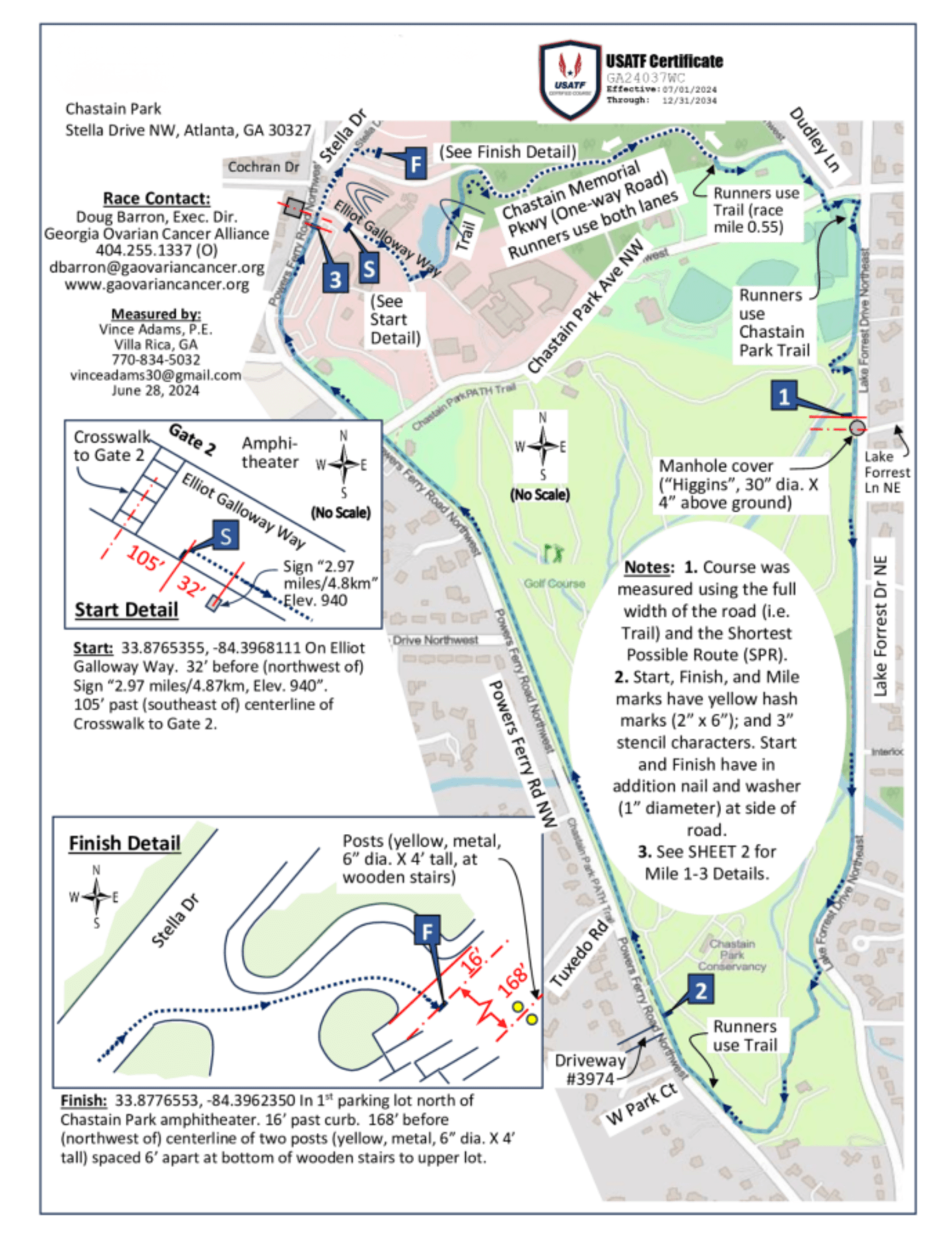
If you have already registered for the 2026 Diplo’s 5K Run, the most important next step is to solidify your training schedule. Review the course map when it is released by the organizers; understanding the elevation profile can help you anticipate inclines or descents that may impact your pace. Ensure your gear is tested and your race-day logistics—such as parking, public transit, or gear check procedures—are confirmed at least 48 hours before the event. If you have yet to register, verify that the entry portal is still accepting applications, as these events often reach capacity early due to venue constraints.