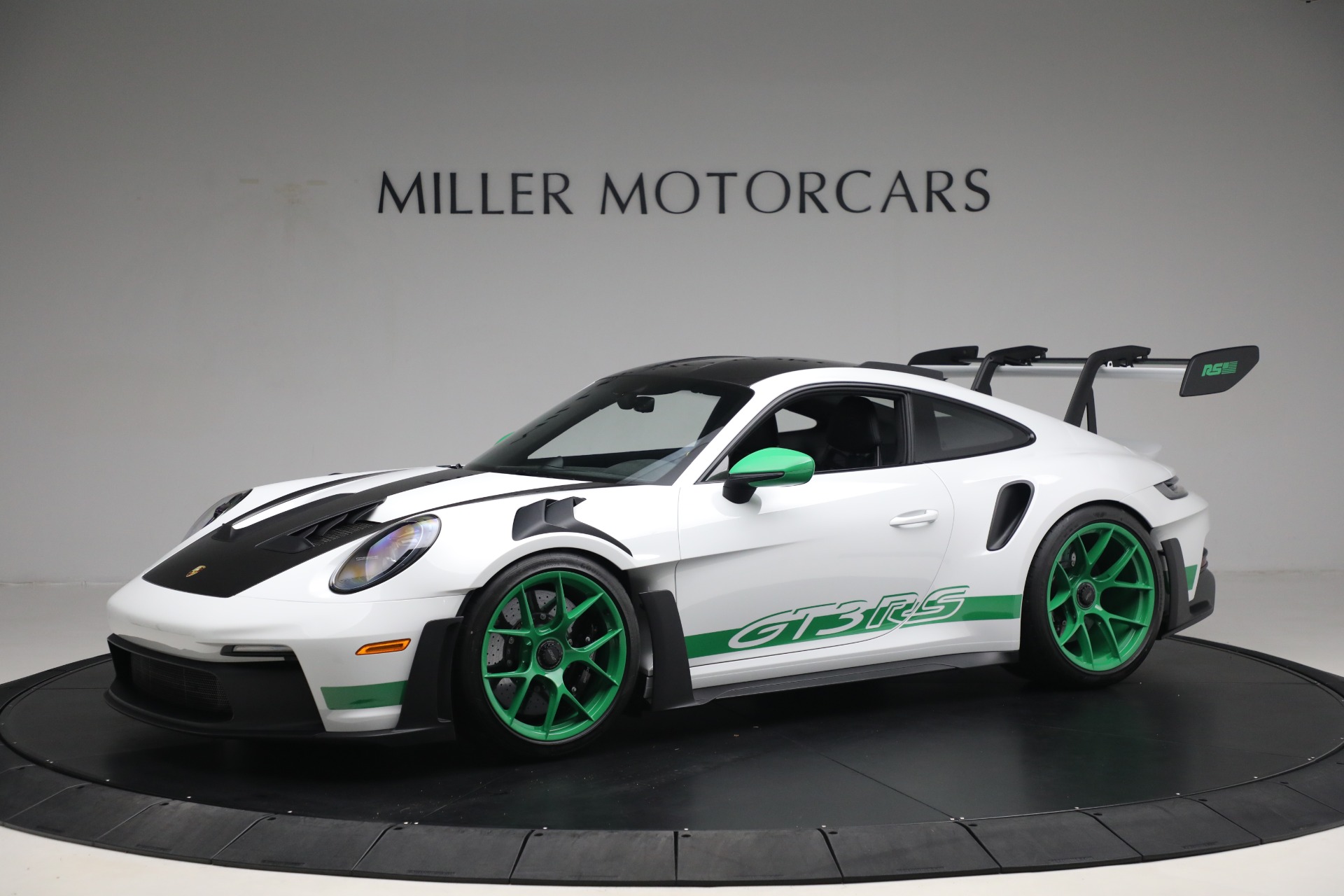
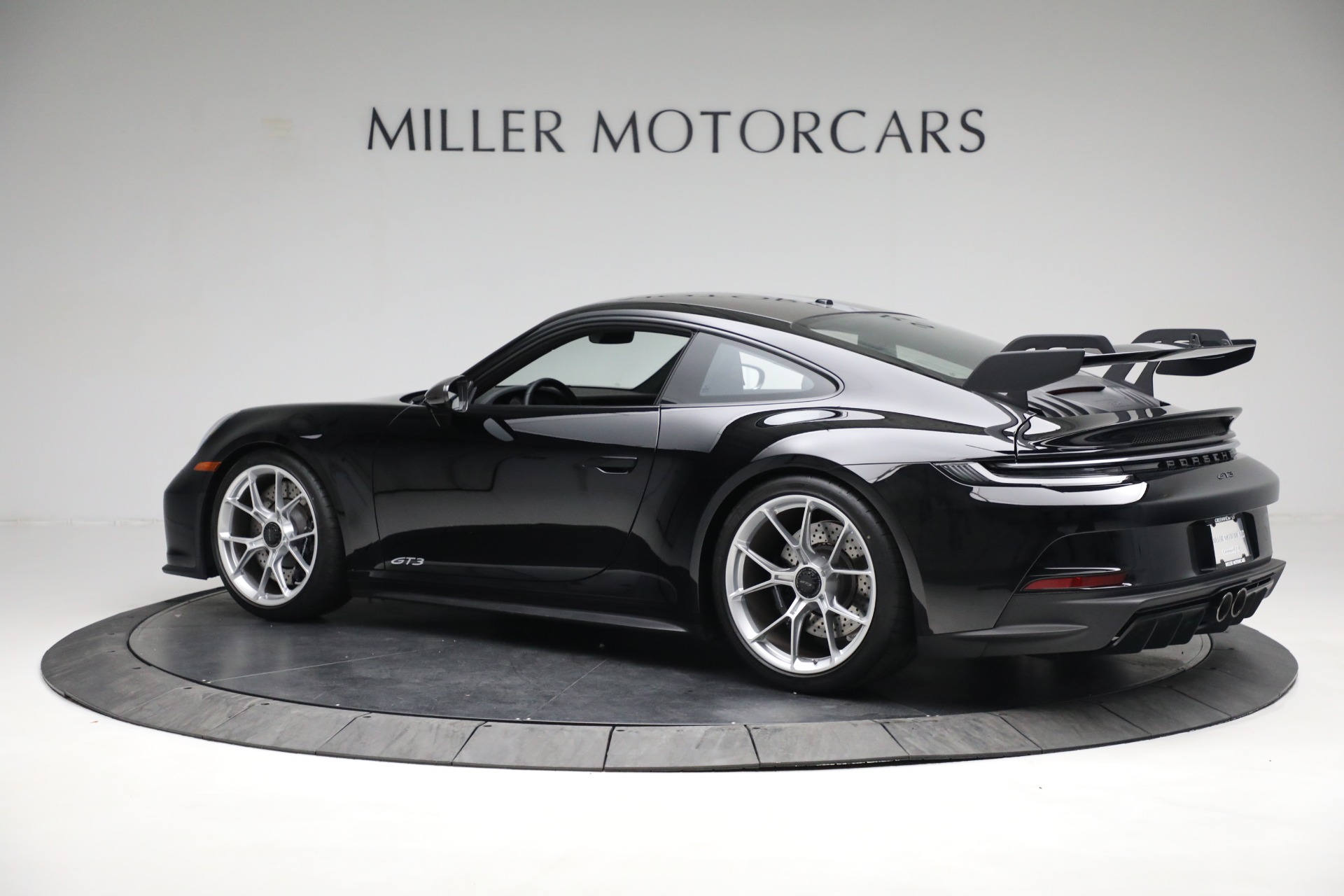
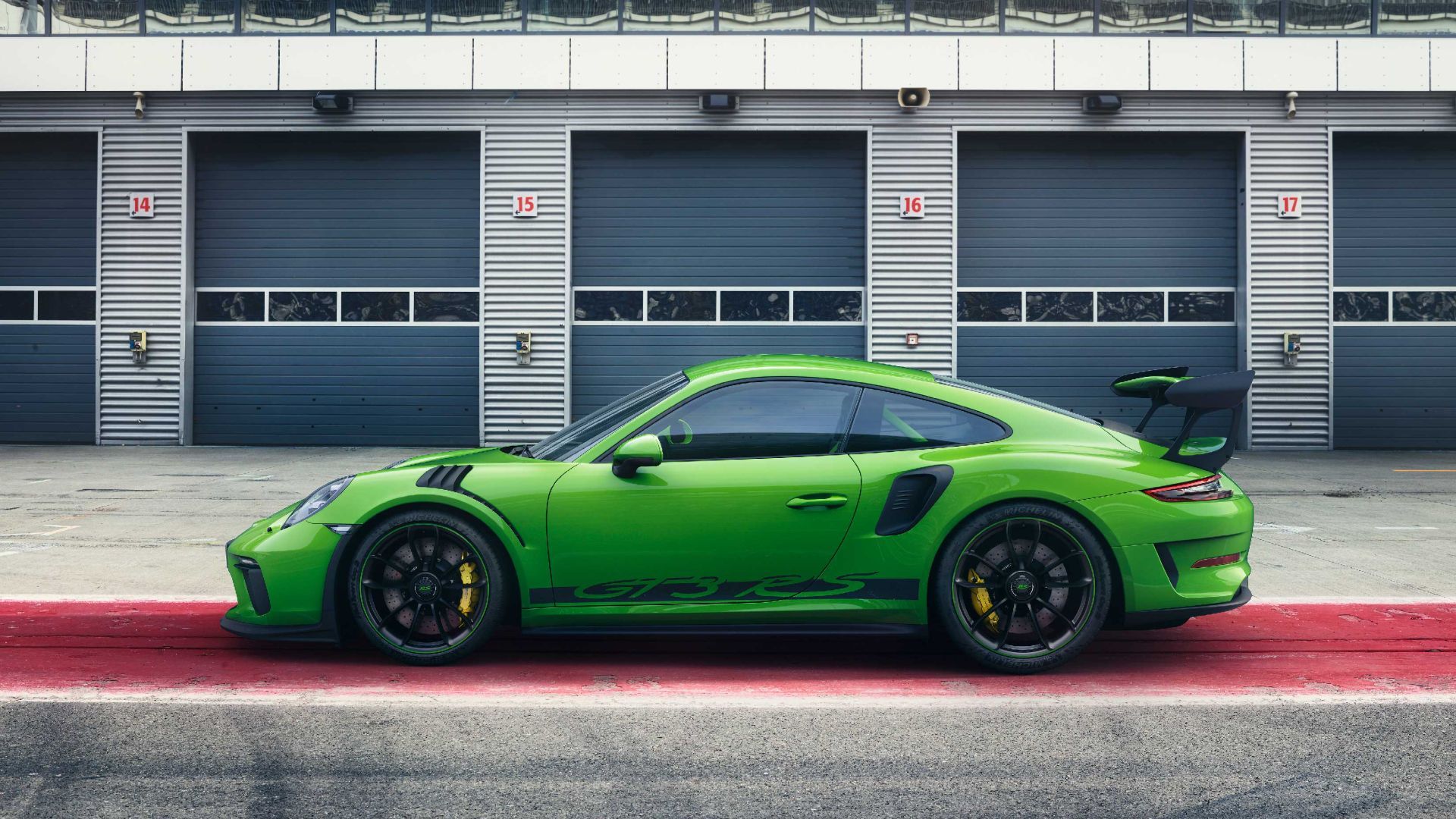
The 2020 Porsche 911 GT3 represents a pinnacle of naturally aspirated engineering and track-focused performance within the iconic 991 and 992 generation transitions, carrying a baseline manufacturer's suggested retail price starting around $143,600 to over $161,200 depending on specification variants, delivering a 4.0-liter flat-six engine generating 500 horsepower, a 9,000 RPM redline, and a 0-60 mph acceleration time of 3.2 to 3.8 seconds depending on the transmission choice.
Introduction to the 2020 Porsche 911 GT3 Ecosystem
The Porsche 911 GT3 occupies a revered space in automotive culture. It serves as a bridge between street-legal daily drivability and uncompromising circuit capability. For enthusiasts and collectors examining the 2020 model year, understanding the intricate dynamics of its performance metrics, mechanical architecture, and initial versus residual pricing structures is essential.
Disambiguating the model year context is critical. While the automotive industry transitioned through the introduction of the 992-generation 911 variants around this timeframe, the specialized GT3 variant of the 991.2 generation maintained a dominant production presence into the 2020 manufacturing window, alongside early announcements and technical previews of its successor. This analysis focuses strictly on the verifiable specifications, performance benchmarks, and financial parameters associated with the definitive high-performance iterations available to buyers during this period.
Powertrain Architecture and Mechanical Performance
At the heart of the 2020 Porsche 911 GT3 lies a masterpiece of internal combustion engineering: a naturally aspirated 4.0-liter horizontally opposed six-cylinder engine. Unlike its turbocharged siblings in the Carrera lineup, this power plant relies on high revs and razor-sharp throttle response to deliver its exhilaration.
The 4.0-Liter Flat-Six Engine
The engine produces an uncompromised 500 horsepower at a screaming 8,250 RPM and twists out 339 lb-ft of torque at 6,000 RPM. The mechanical symphony reaches its crescendo at the 9,000 RPM redline—a threshold few production engines dare to cross. This performance is achieved through a rigid, motorsport-derived valvetrain utilizing solid rocker arms and dynamic hydraulic valve clearance compensation, eliminating traditional lash adjustments while ensuring durability under extreme thermal and mechanical stress.
Transmission Options: Manual versus PDK
Buyers were given a choice between two distinct transmissions, each catering to a different driving philosophy:
- 6-Speed GT Sport Manual: Designed for the purist, this transmission offers short, mechanical throws and an automatic rev-matching function that can be toggled via a dedicated console button. It provides a more engaging, tactile connection to the machine at the expense of absolute acceleration times.
- 7-Speed Dual-Clutch (PDK): Engineered specifically for rapid gear changes, the PDK transmission executes shifts in milliseconds. It utilizes dual wet clutches and optimized gear ratios that allow the car to harness its power band with maximum efficiency, making it the definitive choice for setting fast lap times.
Dynamic Handling and Aerodynamics
Power is meaningless without the chassis dynamics to manage it. The 2020 GT3 benefits from a thoroughly reworked suspension architecture that separates it from standard 911 models.
Suspension and Steering Mechanics
The vehicle features a motorsport-derived front axle configuration coupled with an independent rear multi-link setup. Active suspension management (PASM) lowers the ride height by approximately 25 millimeters compared to a standard Carrera, providing a lower center of gravity. Furthermore, active rear-axle steering enhances agility at low speeds by turning the rear wheels in the opposite direction of the front wheels, while improving high-speed stability by turning them in the same direction.
Aerodynamic Downforce
The exterior design is heavily influenced by aerodynamic efficiency. A fixed rear carbon-fiber wing, an aggressive front fascia with large air intakes, and an underbody diffuser work in concert to generate significant downforce. This aerodynamic grip stabilizes the vehicle at high speeds, particularly during heavy braking zones and high-velocity cornering sequences.
Performance Metrics and Benchmarks
Quantifying the capabilities of the 2020 Porsche 911 GT3 requires looking at objective testing data across acceleration, braking, and circuit times.
| Performance Metric | 6-Speed Manual Variant | 7-Speed PDK Variant |
|---|---|---|
| 0–60 mph Acceleration | 3.8 seconds | 3.2–3.4 seconds |
| Top Track Speed | 198 mph | 197 mph |
| Standing Quarter Mile | 11.8 seconds | 11.2 seconds |
| Braking (70–0 mph) | ~142 feet | ~140 feet |
As demonstrated by the testing metrics, the PDK variant achieves a significantly quicker 0-60 mph time due to instantaneous power delivery and launch control capabilities. However, both transmissions propel the car well past the 190 mph mark, backed by massive steel-disc brakes or the optional Porsche Ceramic Composite Brake (PCCB) system designed to eliminate brake fade during prolonged track sessions.
Pricing Structure and Options Cost
When evaluated at its original launch, the 2020 Porsche 911 GT3 carried a base MSRP starting at approximately $143,600, while the more track-oriented GT3 RS variant pushed the baseline past $187,500. However, purchasing a Porsche GT-car rarely involves paying the base sticker price.
The Impact of Porsche Exclusive Manufaktur Options
The option sheet for a GT3 is extensive and can easily inflate the final delivery price by $20,000 to $50,000 or more. Key cost drivers include:
- Braking Systems: Upgrading to Porsche Ceramic Composite Brakes (PCCB) typically adds over $9,200 to the build sheet, offering reduced unsprung weight and immense thermal capacity.
- Carbon Fiber Components: Lightweight carbon bucket seats, carbon fiber interior trim packages, and exposed carbon exterior mirrors add thousands to the tally while shaving valuable pounds off the curb weight.
- Lifting System: The front-axle lift system—priced around $2,590—is a near-mandatory option for real-world usability, raising the front nose by approximately 30 millimeters to clear speed bumps and steep driveways.
- Club Sport Package: Available in select international markets (though restricted in standard US allocations due to regulatory hurdles), this package added a rear roll cage, a six-point racing harness, and a fire extinguisher for track enthusiasts.
Ownership Experience, Practicality, and Maintenance
Owning and operating a 2020 Porsche 911 GT3 requires an understanding of its dual nature. While it is fundamentally a race car built for the track, Porsche has engineered it with enough refinement to serve as a weekend cruiser or even a daily driver for the dedicated enthusiast.
Cabin Ergonomics and Infotainment
The interior strips away unnecessary weight through the use of lightweight door panels with pull loops and reduced sound deadening, yet it retains modern conveniences. The Porsche Communication Management (PCM) system provides touchscreen navigation, Apple CarPlay, and audio integration. Alcantara wrapping covers the steering wheel rim, gear selector, and center console lid, reinforcing the motorsport aesthetic.
Maintenance Considerations
Operating a high-revving, dry-sump performance engine demands strict adherence to maintenance schedules. Oil changes using approved high-performance synthetic lubricants must be performed annually or at specified mileage intervals. Brake pads, tire replacements (typically high-performance Michelin Pilot Sport Cup 2 rubber), and clutch inspections on manual or PDK units form the bulk of consumable expenses for drivers who utilize the car's capabilities on a circuit.
Frequently Asked Questions
What is the engine displacement and horsepower of the 2020 Porsche 911 GT3?
The 2020 Porsche 911 GT3 is powered by a naturally aspirated 4.0-liter flat-six engine that produces 500 horsepower at 8,250 RPM and 339 lb-ft of torque. It features a maximum engine speed limit of 9,000 RPM, delivering immediate throttle response and a distinct high-frequency exhaust note.
Is the 2020 Porsche 911 GT3 available with a manual transmission?
Yes, buyers could choose between a traditional 6-speed GT Sport manual transmission and a 7-speed dual-clutch Porsche Doppelkupplung (PDK) automatic transmission. While the PDK offers faster acceleration times, the manual transmission provides a traditional, highly engaging analog driving experience.
What was the original base price of the 2020 Porsche 911 GT3?
The original base MSRP for the 2020 Porsche 911 GT3 started at approximately $143,600 before destination charges and optional equipment. Highly customized builds featuring ceramic brakes, carbon bucket seats, and the front-axle lift system frequently pushed final retail pricing past $170,000.
How fast is the 2020 Porsche 911 GT3 from 0 to 60 mph?
Equipped with the 7-speed PDK transmission and launch control, the GT3 accelerates from 0 to 60 mph in approximately 3.2 to 3.4 seconds. The manual transmission variant achieves the same benchmark in roughly 3.8 seconds due to the mechanics of manual clutch engagement.
Does the 2020 GT3 require a front-axle lift system?
The front-axle lift system is optional but strongly recommended for street use. Because the GT3 sits significantly lower than standard 911 models and features a low-slung front splitter, the hydraulic lift system prevents scraping on steep driveways, speed bumps, and parking garage entrances.
Conclusion and Next Actions
The 2020 Porsche 911 GT3 stands as a definitive achievement in sports car engineering, combining a screaming naturally aspirated engine with precise chassis dynamics and timeless design. Prospective buyers or automotive researchers should verify specific vehicle history reports, maintenance records, and DME over-rev reports—which detail the engine's operating history—to ensure any pre-owned example has been properly maintained and inspected prior to purchase.