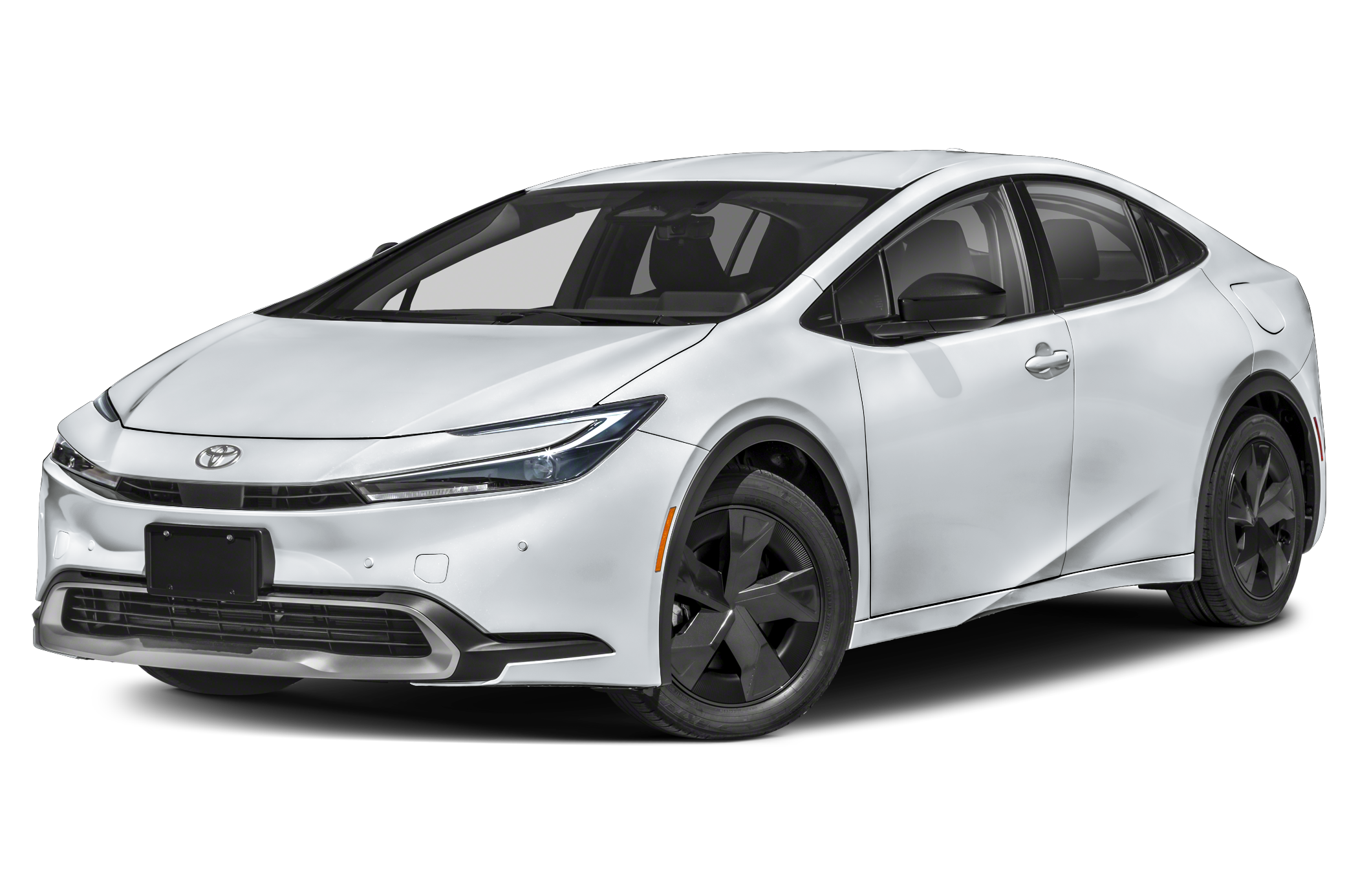
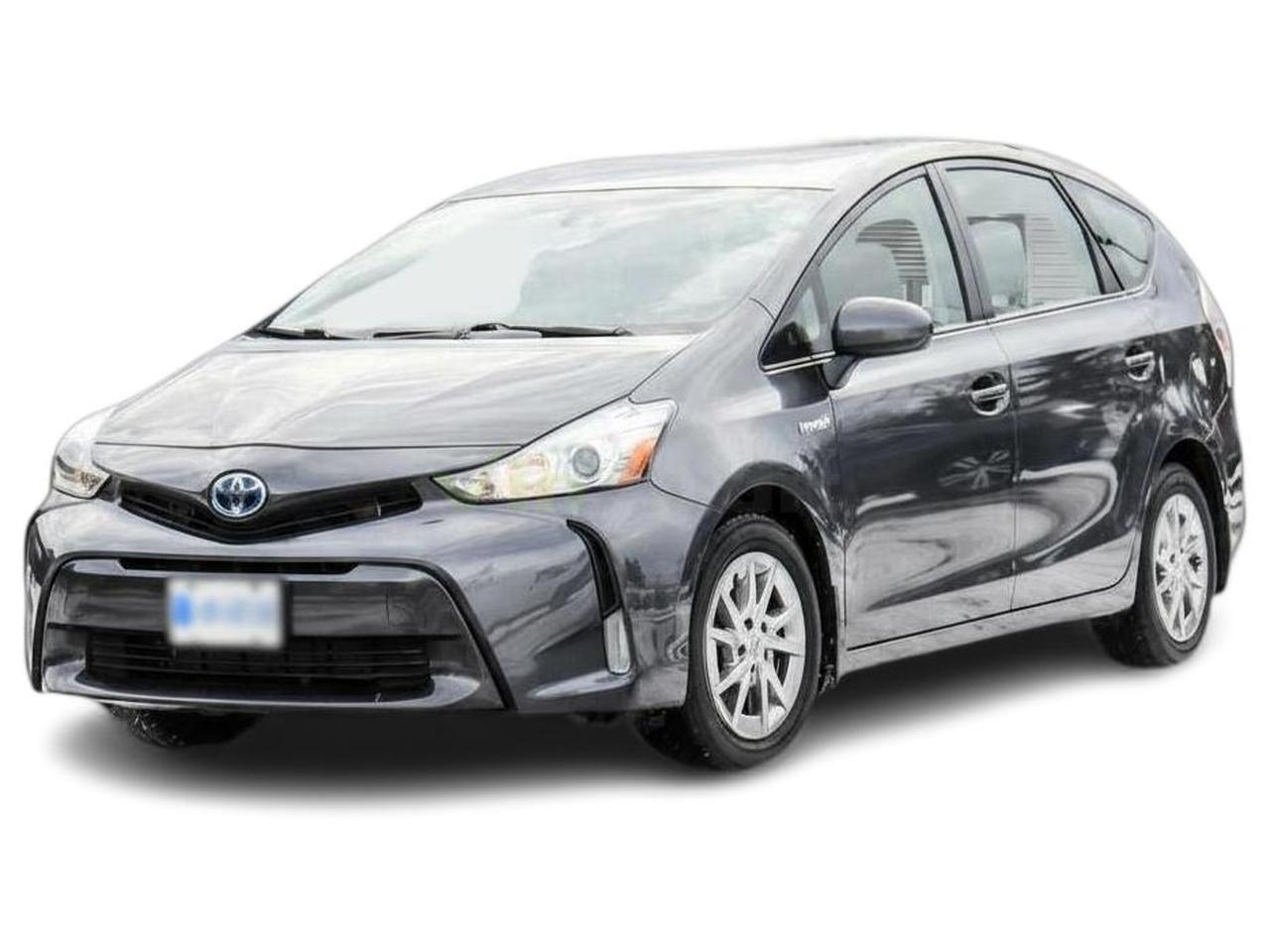
The 2018 Toyota Prius remains a benchmark for fuel efficiency and long-term reliability in the hybrid vehicle market. Built on the TNGA (Toyota New Global Architecture) platform, it features a 1.8-liter four-cylinder engine paired with an electric motor to deliver exceptional economy. It serves as a practical, high-value choice for commuters prioritizing low operating costs and durability over high-performance driving dynamics.
The Evolution of the 2018 Prius Platform
The 2018 model year represents a mature stage in the fourth-generation Prius, which debuted in 2016. By 2018, Toyota had fully integrated the TNGA modular platform, which significantly altered the driving character of the vehicle compared to earlier iterations. The primary objective of this architecture was to lower the center of gravity, improve structural rigidity, and allow for a more sophisticated multi-link rear suspension.
For the potential buyer in 2026, understanding this shift is crucial. Unlike the third-generation Prius, which was often criticized for numb steering and a jarring ride on uneven pavement, the 2018 model offers a more planted, composed experience. This stability is largely due to the repositioning of the hybrid battery—which was moved from the cargo area to beneath the rear seats—resulting in better weight distribution and increased trunk space.
Technical Specifications and Hybrid Powertrain
At the heart of the 2018 Prius is the 2ZR-FXE engine, a 1.8-liter Atkinson-cycle four-cylinder engine. This internal combustion engine is not designed for raw power but rather for maximum thermal efficiency. It achieves an impressive 40% thermal efficiency, a feat that, at the time of its release, was among the highest for mass-production gasoline engines.
Key Powertrain Metrics
- Engine: 1.8L 4-Cylinder DOHC 16-valve VVT-i
- Combined System Output: 121 horsepower
- Transmission: Electronically controlled Continuously Variable Transmission (eCVT)
- Battery Type: Nickel-Metal Hydride (NiMH) for most trims; Lithium-ion (Li-ion) for the "Eco" trim
- Drivetrain: Front-Wheel Drive (FWD)
The eCVT is technically a power-split device that manages the seamless transition between the gasoline engine, the electric motor, and the regenerative braking system. This system requires very little maintenance beyond standard fluid changes, though the cooling system for the hybrid battery—which utilizes a fan located under the rear seat—should be inspected for dust buildup periodically to ensure optimal battery longevity.
Trim Levels and Feature Distribution
The 2018 lineup was stratified into several distinct trims, ranging from the base-level "One" to the premium "Four Touring." Understanding these distinctions is vital for those looking to purchase a used model today, as feature sets vary significantly.
| Trim Level | Notable Features | Ideal For |
|---|---|---|
| One | Baseline safety, basic cruise | Budget-focused buyers |
| Two | Added cargo cover, intermittent wipers | Commuter daily drivers |
| Three | Entune Audio Plus, SofTex seating options | Tech-focused commuters |
| Four | Power seats, blind-spot monitoring | Added comfort seekers |
| Eco | Lightweight components, high MPG | Maximum fuel economy |
The "Eco" trim is of particular interest. By utilizing a lighter lithium-ion battery and omitting the spare tire (replacing it with a tire repair kit), the Eco trim pushes the fuel economy figures slightly higher than the standard trims. However, prospective buyers should balance this gain against the utility of a spare tire, which is a standard feature on other trims.
Safety and Driver Assistance
Toyota made a significant push in 2018 to standardize safety technology. The "Toyota Safety Sense P" (TSS-P) suite was standard across all trim levels. In the context of the 2026 pre-owned market, this provides a major advantage, as it ensures that even base-model 2018 vehicles are equipped with modern active safety features that are often missing from competitors of the same era.
The TSS-P suite includes:
- Pre-Collision System with Pedestrian Detection: Uses a camera and radar to detect vehicles or pedestrians and provides audio/visual alerts or automatic braking.
- Lane Departure Alert with Steering Assist: Monitors lane markings and provides physical feedback if the vehicle drifts.
- Automatic High Beams: Detects headlights of oncoming vehicles and taillights of preceding vehicles to toggle between high and low beams.
- Full-Speed Dynamic Radar Cruise Control: Maintains a preset distance from the vehicle ahead, capable of bringing the car to a full stop in traffic.
Real-World Reliability and Maintenance
The 2018 Prius has developed a reputation for extreme longevity. When maintained according to the manufacturer’s schedule—primarily oil changes every 10,000 miles and tire rotations—these vehicles frequently exceed 200,000 miles with original major components.
However, "reliable" does not mean "maintenance-free." Owners should be aware of the following specific maintenance items:
- Inverter Coolant: While the engine coolant is standard, the inverter cooling system requires its own specific service. Neglecting this can lead to overheating of the power electronics.
- 12-Volt Auxiliary Battery: Like all hybrids, the 2018 Prius has a small 12-volt battery to power the electronics and "boot up" the hybrid system. When this battery fails, the car may display erratic error messages or fail to start, even if the large hybrid battery is healthy.
- EGR Valve Cleaning: The Exhaust Gas Recirculation (EGR) system can accumulate carbon over high mileage. If the engine begins to run rough or idle poorly, cleaning or replacing the EGR valve and cooler is a known solution.
Assessing Value in the 2026 Market
Buying a 2018 Prius today requires a different assessment than buying a new car. With the vehicle being roughly eight years old, the primary concern shifts from "features" to "battery health."
While the hybrid batteries in these models are exceptionally durable, the chemistry degrades over time. When inspecting a 2018 model, potential buyers should check for:
- State of Charge (SOC) fluctuations: If the battery indicator on the dashboard drops rapidly or spikes while driving under steady conditions, it may indicate a weak cell.
- Maintenance records: Look for evidence of regular engine oil changes. The 2ZR-FXE engine is susceptible to oil consumption if the intervals are stretched too far.
- Tire condition: Because of the low-rolling-resistance tires designed for the Prius, matching these tires to the vehicle's specific geometry is important for maintaining the expected MPG.
Frequently Asked Questions
Does the 2018 Prius require special fuel?
No. The 2018 Prius is designed to run perfectly on standard 87-octane regular unleaded gasoline. Using higher-octane fuel does not improve performance or efficiency in this specific engine.
Can I plug in a standard 2018 Prius?
No. The standard 2018 Prius is a "Self-Charging Hybrid." It generates its own electricity through regenerative braking and engine power. Only the "Prius Prime" (Plug-in Hybrid) version can be charged via an external power outlet.
How long does the hybrid battery usually last?
Most 2018 Prius hybrid batteries are designed to last the life of the vehicle. However, in heavy-use scenarios (such as taxi or ride-share service), owners typically see the battery reach the end of its useful life between 150,000 and 250,000 miles.
Is the 2018 Prius reliable for long-distance driving?
Yes. The 2018 model is highly regarded for its highway comfort and efficiency. Its long range (often exceeding 500 miles on a single tank) makes it an excellent choice for frequent road trips or long commutes.
What is the difference between the Prius and the Prius Prime?
The Prius is a standard hybrid with a self-charging system. The Prius Prime is a plug-in hybrid that offers a limited electric-only driving range (approximately 25 miles) before switching over to standard hybrid operation.
Final Recommendation for Buyers
If you are currently evaluating a 2018 Prius for purchase, prioritize vehicles with verified service histories, specifically looking for records of oil changes and 12-volt battery replacements. If the vehicle has over 150,000 miles, budget for a potential hybrid battery diagnostic or replacement to ensure long-term peace of mind. Given its combination of active safety, fuel economy, and proven mechanical endurance, it remains one of the most logical pre-owned vehicle purchases for the practical, budget-conscious driver in 2026.