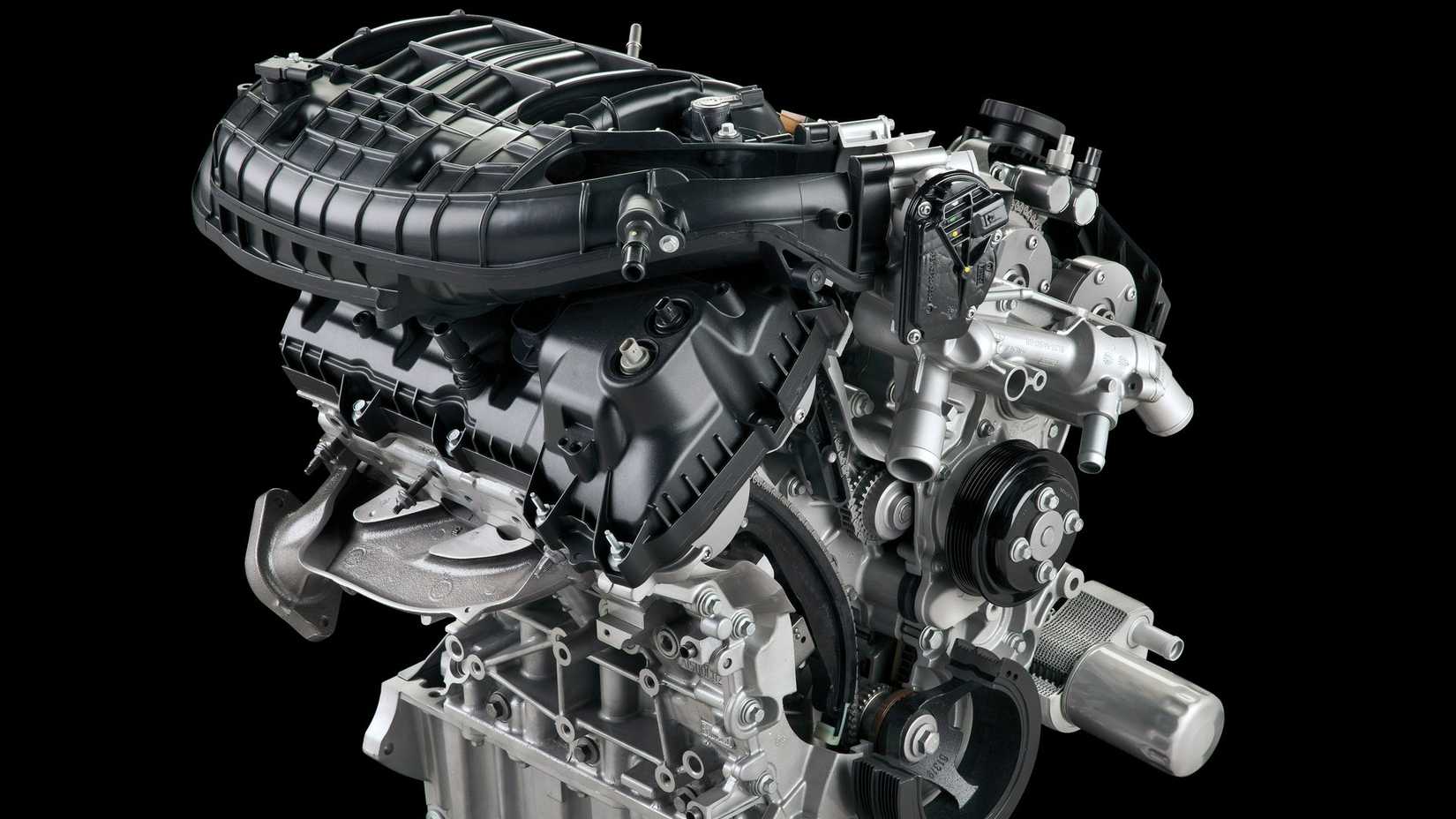
The 2015 Ford F-150 represents a monumental shift in automotive engineering, marked by its introduction of a high-strength, military-grade aluminum-alloy body mated to a high-strength steel frame. For the modern driver looking at this generation of trucks, understanding the engine lineup is critical. The 2015 lineup discarded traditional heavy V8 options in favor of advanced displacement, forced induction, and efficiency-focused architectures, offering four distinct powerplants: a naturally aspirated 3.5-liter V6, a turbocharged 2.7-liter EcoBoost V6, a twin-turbocharged 3.5-liter EcoBoost V6, and a robust 5.0-liter Coyote V8. Each engine caters to a distinct driving profile, balancing towing capacity, payload capability, fuel economy, and daily drivability differently.
Evolution of the F-150 Powertrain Strategy in 2015
When Ford redesigned its flagship half-ton pickup for the 2015 model year, the overarching engineering mandate was weight reduction without sacrificing capability. Shedding up to 700 pounds compared to the previous generation changed the dynamic equation for truck engines. A lighter vehicle required less energy to accelerate, allowing Ford to rethink its powertrain offerings. Instead of relying solely on large-displacement V8 engines—which had been the industry standard for decades—Ford leaned heavily into forced induction and downsized multi-valve configurations.
This strategic pivot introduced modern drivers to a new era of truck performance. EcoBoost technology, which combines direct fuel injection with turbocharging, proved that smaller displacement engines could generate torque curves that easily rivaled or exceeded traditional V8s, all while delivering superior fuel efficiency during highway cruising or empty commutes. Simultaneously, the naturally aspirated engines were refined to maximize efficiency for commercial users and budget-conscious fleet operators who prioritized simplicity and low long-term maintenance costs over high-output towing numbers.
Navigating the 2015 Ford F-150 engine options requires a clear-eyed assessment of how you intend to use the vehicle. Whether you are daily commuting, hauling construction materials, or towing a mid-sized travel trailer, matching your real-world driving habits to the correct torque band and gearing configuration is the single most important decision you will make when evaluating these trucks.
The 3.5L Ti-VCT V6: The Entry-Level Workhorse
Serving as the standard base engine for the 2015 model year, the 3.5-liter Twin Independent Variable Camshaft Timing (Ti-VCT) V6 was designed to replace the older 3.7-liter V6 found in previous generations. Producing 283 horsepower at 6,500 RPM and 253 lb-ft of torque at 4,250 RPM, this naturally aspirated engine is tailored for drivers who use their truck primarily for light-duty tasks, daily commuting, and basic cargo hauling.
Performance and Capabilities
While it sits at the bottom of the horsepower and torque hierarchy for this generation, the 3.5L Ti-VCT V6 benefits significantly from the 2015 F-150's lightweight aluminum body. It feels notably more responsive than its predecessor. It is paired exclusively with a six-speed automatic transmission.
When properly equipped, this engine delivers a maximum payload capacity that can rival some V8 competitors, making it a favorite for municipal fleets and contractors who rarely exceed moderate towing thresholds. However, its maximum towing capacity is capped lower than its EcoBoost or V8 siblings, generally maxing out around 7,600 pounds when properly configured.
Who is it For?
- Daily Commuters: Drivers who want the utility of a pickup bed and high seating position without paying a fuel economy penalty for unused towing power.
- Light-Duty Fleets: Commercial buyers seeking lower initial acquisition costs and mechanical simplicity.
- Budget-Conscious Buyers: Used truck shoppers looking for a reliable, straightforward commuter vehicle with fewer complex systems to maintain.
The 2.7L EcoBoost V6: The Modern Efficiency and Torque Leader
Perhaps the most innovative engine introduced for the 2015 model year was the 2.7-liter EcoBoost V6. Utilizing a compacted graphite iron (CGI) engine block—the same material used in Ford's heavy-duty Power Stroke diesel engines—this miniature powerhouse was engineered to punch well above its physical weight class. It churns out 325 horsepower and a stout 375 lb-ft of torque, with peak torque arriving remarkably low in the RPM band at just 3,000 RPM.
Performance and Capabilities
The 2.7L EcoBoost was designed specifically to bridge the gap between fuel economy and low-end grunt. The inclusion of twin turbochargers ensures that boost is delivered almost instantaneously, eliminating the traditional lag associated with older turbo systems. This results in effortless throttle response from a stoplight and impressive passing power on the highway.
Fuel economy ratings for the 2.7L EcoBoost routinely rank near the top of the 2015 F-150 lineup, particularly in rear-wheel-drive configurations. Maximum towing capacity for this engine reaches up to 8,500 pounds, while its maximum payload capacity can exceed 2,200 pounds when equipped with the optional payload package, making it surprisingly capable for its displacement.
Who is it For?
- Suburban and Highway Drivers: Those who want responsive acceleration and high fuel economy during daily driving.
- Light-to-Moderate Towers: Drivers pulling boats, utility trailers, or light campers on weekends.
- Tech-Forward Truck Owners: Drivers who appreciate modern forced-induction engineering and balanced performance metrics.
The 3.5L EcoBoost V6: The Heavy-Duty Towing Champion
For drivers whose primary requirement is maximum pulling power, the 3.5-liter EcoBoost V6 represents the pinnacle of the 2015 F-150 gasoline lineup. Delivering 365 horsepower and a massive 420 lb-ft of torque at a low 2,500 RPM, this engine was built to handle grueling towing duties that historically required a heavy-duty three-quarter-ton or one-ton truck.
Performance and Capabilities
The 3.5L EcoBoost dominates the towing landscape for the 2015 model year. Because its peak torque arrives at just 2,500 RPM, the driver rarely needs to rev the engine hard to move heavy loads up steep inclines. This creates a relaxed, diesel-like towing experience in a half-ton chassis.
When equipped with the Max Trailer Tow Package, the 2015 F-150 with the 3.5L EcoBoost can tow up to a staggering 12,200 pounds. The primary trade-off for this capability is fuel economy; while efficiency remains respectable when the truck is empty, heavy towing will see fuel consumption rise significantly, matching or exceeding traditional V8 patterns.
Who is it For?
- Heavy Towing Enthusiasts: Owners hauling large travel trailers, horse trailers, or heavy equipment.
- High-Altitude Drivers: Because turbochargers compensate for thin air by forcing compressed oxygen into the cylinders, the 3.5L EcoBoost suffers virtually no power loss in mountainous regions.
- Work Truck Operators: Contractors who need maximum capability without moving up to an F-250.
The 5.0L Ti-VCT V8: The Traditionalist's Choice
For buyers who prefer traditional American truck attributes, the 5.0-liter Coyote V8 offers a classic large-displacement experience. Pumping out 385 horsepower at 5,750 RPM and 387 lb-ft of torque at 3,850 RPM, it stands as the highest-horsepower option in the 2015 F-150 stable.
Performance and Capabilities
The 5.0L V8 delivers linear power delivery that builds progressively as the tachometer climbs, culminating in an unmistakable exhaust note. Unlike the low-RPM grunt of the 3.5L EcoBoost, the Coyote V8 likes to rev, making it exceptionally satisfying for drivers who enjoy traditional engine dynamics.
It boasts a maximum towing capacity of up to 11,100 pounds and a robust payload rating. While its peak torque arrives higher in the RPM range than the EcoBoost engines, its broad power band makes it exceptionally versatile for mixed work and personal use. Maintenance is straightforward, and the engine has built a strong reputation for long-term mechanical durability.
Who is it For?
- Traditionalists: Drivers who prefer the sound, feel, and linear power delivery of a naturally aspirated V8.
- Long-Term Keepers: Buyers prioritizing mechanical simplicity and ease of aftermarket servicing.
- General All-Rounders: Owners who split their time evenly between daily driving, moderate towing, and payload hauling.
Comprehensive Comparison of 2015 F-150 Engines
To clearly evaluate which 2015 Ford F-150 engine aligns with your driving requirements, review the core specifications, capabilities, and ideal use cases outlined in the comparison table below.
| Engine Option | Horsepower | Torque | Max Towing Capacity | Max Payload Capacity | Primary Best Use Case |
|---|---|---|---|---|---|
| 3.5L Ti-VCT V6 | 283 hp @ 6,500 RPM | 253 lb-ft @ 4,250 RPM | Up to 7,600 lbs | Up to 1,910 lbs | Daily commuting, light-duty commercial fleets, basic cargo hauling. |
| 2.7L EcoBoost V6 | 325 hp @ 5,750 RPM | 375 lb-ft @ 3,000 RPM | Up to 8,500 lbs | Up to 2,250 lbs | Balanced daily driving, high fuel efficiency, light-to-moderate towing. |
| 3.5L EcoBoost V6 | 365 hp @ 5,000 RPM | 420 lb-ft @ 2,500 RPM | Up to 12,200 lbs | Up to 3,180 lbs | Heavy towing, high-altitude driving, maximum half-ton capability. |
| 5.0L Ti-VCT V8 | 385 hp @ 5,750 RPM | 387 lb-ft @ 3,850 RPM | Up to 11,100 lbs | Up to 3,300 lbs | Traditional V8 performance, linear power delivery, heavy payload capacity. |
Maintenance, Reliability, and Modern Ownership Considerations
Purchasing a used 2015 Ford F-150 requires understanding the unique maintenance profiles associated with each engine option. Because these vehicles are over a decade old, service history and preventative maintenance dictate long-term reliability far more than the badge on the fender.
Naturally Aspirated Maintenance
The 3.5L V6 and 5.0L V8 engines generally present fewer complex failure points. Without turbochargers, intercoolers, or complex boost-control solenoids, there are fewer components prone to wear under high thermal stress. Routine maintenance is standard: oil changes every 5,000 to 7,500 miles, spark plug replacements at recommended intervals, and monitoring coolant health. The 5.0L V8 is particularly resilient, though early versions of this generation should be checked for oil consumption anomalies and basic timing chain health.
EcoBoost Maintenance
The 2.7L and 3.5L EcoBoost engines require more disciplined maintenance schedules. Because forced induction places higher thermal and mechanical loads on the oil and ignition components, strict adherence to synthetic oil change intervals (ideally every 5,000 miles) is mandatory to prevent turbocharger coking. Furthermore, direct-injection engines are prone to carbon buildup on the intake valves over high mileage, which may eventually require walnut blasting or chemical cleaning. Intercooler condensation management is another documented consideration for early 3.5L EcoBoost models, often mitigated by aftermarket or updated charge-air cooler drain holes.
Frequently Asked Questions
Which 2015 Ford F-150 engine offers the best fuel economy?
The 2.7-liter EcoBoost V6 offers the best overall fuel economy for the 2015 F-150 lineup. By combining small displacement, direct injection, and twin turbochargers, it achieves superior EPA fuel economy ratings in daily commuting and highway driving compared to the naturally aspirated V6, the larger EcoBoost, and the V8.
Can the 2015 Ford F-150 2.7L EcoBoost handle heavy towing?
The 2.7L EcoBoost is rated to tow up to 8,500 pounds when properly equipped, making it exceptional for light-to-moderate loads like small boats or utility trailers. However, for heavy, frequent towing exceeding 9,000 pounds, the 3.5L EcoBoost or the 5.0L V8 are much better suited due to their heavier cooling capacity and robust chassis framing configurations.
Which 2015 F-150 engine is the most reliable long-term?
The 5.0-liter V8 and the 3.5-liter base V6 are generally considered the most mechanically straightforward and reliable over high mileage because they lack turbochargers and direct-injection complexity. However, a well-maintained EcoBoost engine can easily exceed 200,000 miles if oil change intervals have been strictly observed by previous owners.
How does high-altitude driving affect these engines?
Turbocharged engines, specifically the 2.7L and 3.5L EcoBoost, perform exceptionally well at high altitudes. The computer automatically adjusts turbo boost pressure to compensate for thin air, preventing the power loss experienced by naturally aspirated engines like the 3.5L V6 and 5.0L V8.
Do all 2015 F-150 engines use the same transmission?
No. While the 3.5L Ti-VCT, 2.7L EcoBoost, 3.5L EcoBoost, and 5.0L V8 are all paired with Ford's six-speed automatic transmission (the 6R80), the internal clutch packs, torque converters, and final drive axle ratios vary significantly depending on the engine choice and towing packages selected.
Practical Next Steps for Buyers
When shopping for a 2015 Ford F-150, begin by defining your exact payload and towing requirements rather than shopping by engine size alone. Once you identify your operational needs, inspect the door jamb sticker of any candidate vehicle to verify its specific Gross Vehicle Weight Rating (GVWR) and axle ratio. Always request a comprehensive service history report to confirm that oil changes and recall services were performed on schedule, particularly if you are leaning toward the high-torque EcoBoost powerplants. Taking the time to match your driving profile to the right engine will ensure years of dependable, capable service from Ford's aluminum-bodied pioneer.