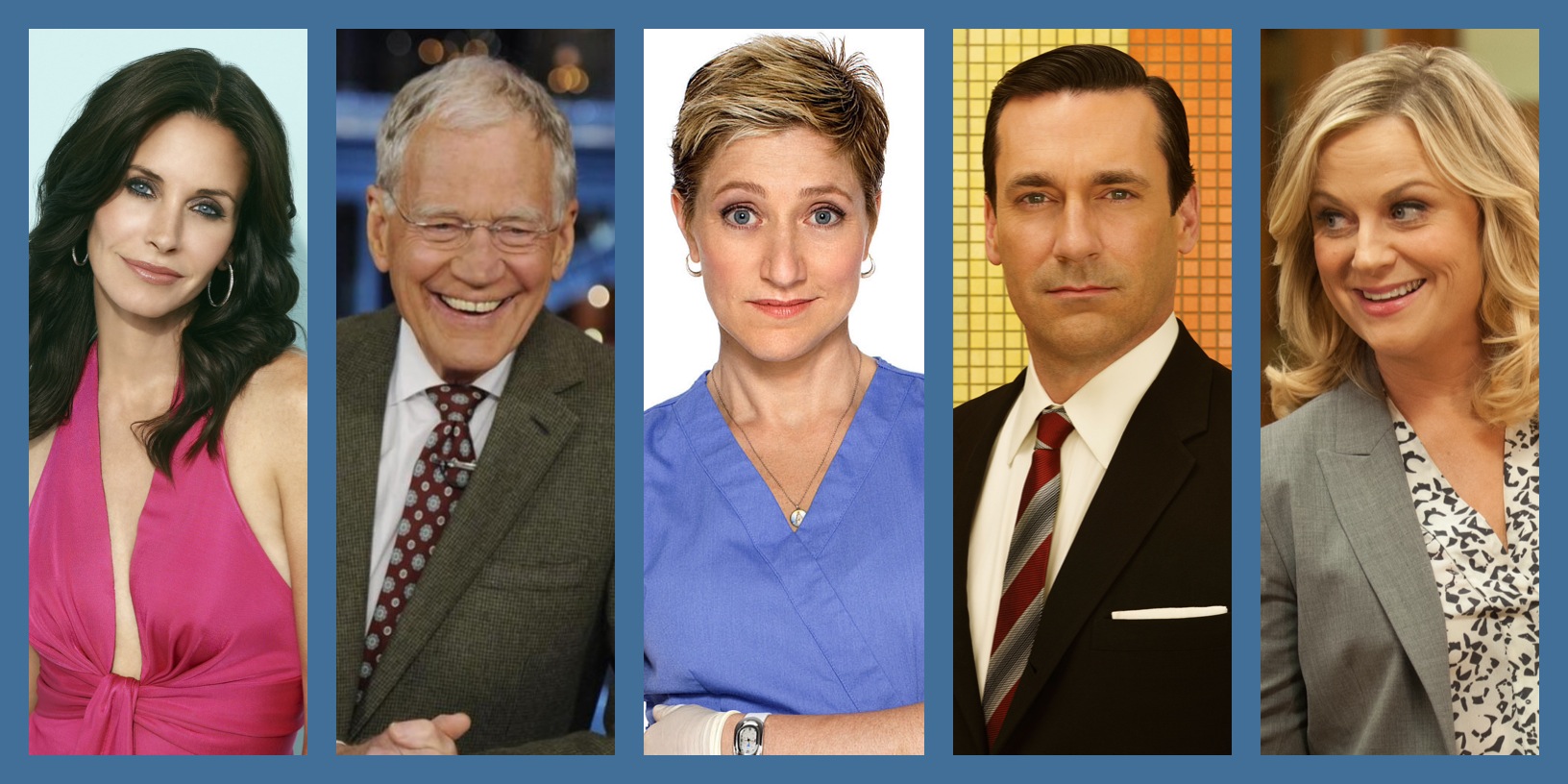
The year 2014 represents a pivotal transition period in television history, marked by the maturation of prestige cable dramas, the explosive growth of subscription-based streaming services, and a dramatic shift in how audiences consumed serialized content. This era bridged the gap between traditional linear broadcast schedules and the modern binge-watching paradigm, cementing television as a dominant cinematic medium.
The Landscape of Television in 2014
To understand the 2014 television season, one must examine the technological and industrial shifts happening behind the scenes. By 2014, Netflix had firmly established its original content strategy with hits like House of Cards and Orange Is the New Black, proving that streaming platforms could produce culturally significant, Emmy-nominated programming. Meanwhile, traditional premium cable networks like HBO, AMC, and FX continued to push narrative boundaries, while basic cable and broadcast networks experimented with serialized storytelling to retain viewers migrating toward on-demand options.
This environment created a unique duality. Viewers could watch appointment television on linear networks or download entire seasons via digital storefronts and emerging streaming apps. The technological backdrop included the widespread adoption of smart TVs, the expansion of broadband internet infrastructure, and the increasing resolution capabilities of home entertainment systems, which demanded higher production values from television creators.
Major Milestones and Genre Definers
The television landscape of 2014 offered a diverse array of critically acclaimed programs across multiple genres. Drama series reached new peaks of cinematic execution, comedies embraced darker or more serialized formats, and genre television proved it could attract mainstream audiences.
Prestige Drama and the Peak TV Era
Drama series in 2014 leaned heavily into complex antiheroes, morally ambiguous plots, and high-budget cinematic styling.
- True Detective (Season 1): Aired on HBO, this anthology crime drama created by Nic Pizzolatto and directed by Cary Joji Fukunaga starred Matthew McConaughey and Woody Harrelson. Its nonlinear narrative, philosophical dialogue, and atmospheric southern gothic setting set a new benchmark for limited series.
- Fargo (Season 1): Adapted by Noah Hawley from the 1996 Coen brothers film, FX’s Fargo demonstrated that anthological crime fiction could maintain the tone and cinematic quality of a feature film while expanding character arcs over a ten-episode arc.
- The Leftovers (Season 1): HBO’s haunting exploration of grief and unexplained phenomena, created by Damon Lindelof and Tom Perrotta, established a template for surreal, character-driven existential drama.
- Game of Thrones (Season 4): Continuing its run on HBO, the fantasy epic delivered some of the most culturally disruptive episodes in television history, reinforcing the viability of massive-budget fantasy serialization.
Comedy and the Rise of Dramedy
The comedy landscape in 2014 moved away from multi-camera setups with studio audiences, favoring single-camera productions that often blended humor with deep pathos.
- Silicon Valley (Season 1): Mike Judge’s satire of the tech industry premiered on HBO, utilizing sharp technical accuracy and workplace dynamics to anchor its comedic storytelling.
- BoJack Horseman (Season 1): Netflix introduced an animated dark comedy about a washed-up sitcom star that gradually evolved into a profound exploration of depression, addiction, and modern existentialism.
- Transparent (Season 1): Amazon Prime Video released Jill Soloway’s groundbreaking comedy-drama, signaling that streaming services could pioneer authentic, critically lauded stories about identity and family dysfunction.
Comparative Overview of Benchmark 2014 Series
The following table summarizes key critically acclaimed television shows from 2014, detailing their primary networks, genres, and lasting cultural impact.
| Show Title | Network / Platform | Primary Genre | Key Significance |
|---|---|---|---|
| True Detective (Season 1) | HBO | Crime / Anthology | Redefined the limited series format with auteur direction and star power. |
| Fargo (Season 1) | FX | Dark Comedy / Crime | Proved cinematic adaptations could achieve critical and commercial success on cable. |
| Game of Thrones (Season 4) | HBO | Fantasy Drama | Cemented event television as a global cultural phenomenon. |
| Silicon Valley (Season 1) | HBO | Satire / Comedy | Accurately captured contemporary startup culture with sharp comedic timing. |
| BoJack Horseman (Season 1) | Netflix | Animated Comedy / Drama | Established mature, serialized storytelling within the adult animation genre. |
| The Leftovers (Season 1) | HBO | Supernatural Drama | Explored grief and mystery with uncompromising artistic vision. |
The Technical Shift: Broadcast vs. Streaming in 2014
The year 2014 highlighted a stark contrast in distribution models. While broadcast networks still relied on advertising revenue and Nielsen ratings, streaming platforms analyzed user data to shape production decisions. This divergence affected narrative pacing:
- Episodic vs. Serialized: Broadcast shows often required standalone episodes to accommodate casual viewers and syndication, whereas streaming series favored novelistic pacing designed for continuous viewing.
- Production Budgets: Cable and streaming budgets began to rival mid-tier Hollywood films, attracting major cinematic actors and directors who previously avoided television.
- Audience Engagement: Social media platforms, particularly Twitter, became real-time watercoolers, allowing fans to dissect episodes of shows like Game of Thrones and True Detective instantly upon broadcast.
How to Access and Stream 2014 Television Shows Today
For modern viewers looking back at the television output of 2014, accessing these titles requires navigating a fragmented digital ecosystem. Unlike the centralized distribution of earlier decades, content from 2014 is spread across various licensing agreements.
Streaming Services and Digital Vaults
- Subscription Video on Demand (SVOD): Major platforms like Max (formerly HBO Max), Hulu, and Netflix house many of the defining series from 2014 depending on current regional licensing windows.
- Digital Purchase: Platforms such as Amazon Prime Video, Apple TV, and Vudu allow users to purchase individual episodes or complete seasons digitally, ensuring permanent access regardless of streaming catalog rotations.
- Physical Media (Blu-ray/DVD): For enthusiasts prioritizing uncompressed audio, higher bitrates, and permanent ownership free from digital rights management (DRM) expiration, physical box sets remain a reliable option for 2014 prestige releases.
Frequently Asked Questions
What made 2014 a significant year for television?
The year 2014 is widely recognized as a high point in the "Peak TV" era because it featured the simultaneous maturation of prestige cable dramas, the establishment of Netflix as a major original content producer, and the popularization of cinematic limited series.
Which streaming services were dominant in 2014?
Netflix was the primary pioneer of original streaming content in 2014, having launched House of Cards and Orange Is the New Black a year prior. Amazon Prime Video was also expanding its original programming footprint with shows like Transparent, while Hulu served primarily as a next-day catch-up service for broadcast television.
Were there any notable sci-fi or fantasy shows in 2014?
Aside from Game of Thrones, 2014 saw the debut of Guillermo del Toro’s The Strain on FX, the continuation of long-running genre staples like Doctor Who, and the premiere of science fiction series such as Syfy’s Helix.
How did binge-watching affect television in 2014?
The release model pioneered by Netflix encouraged complete-season drops, which fundamentally altered how writers structured cliffhangers and character arcs, shifting away from weekly episodic tension toward long-form narrative cohesion.
Can I still watch these 2014 shows on modern smart TVs?
Yes. Most smart TV operating systems, including Roku, webOS, Tizen, and Google TV, support the primary streaming applications where these historic television shows are currently licensed for viewing.
Conclusion and Recommendations
Exploring 2014 television shows offers a valuable window into a transformative era of media history. Whether you are revisiting landmark seasons of True Detective and Fargo or discovering overlooked comedies like Silicon Valley, the programming from this year established creative templates that continue to influence modern entertainment. To start exploring, check current streaming availability on major platforms or seek out physical media editions for permanent additions to your home collection.