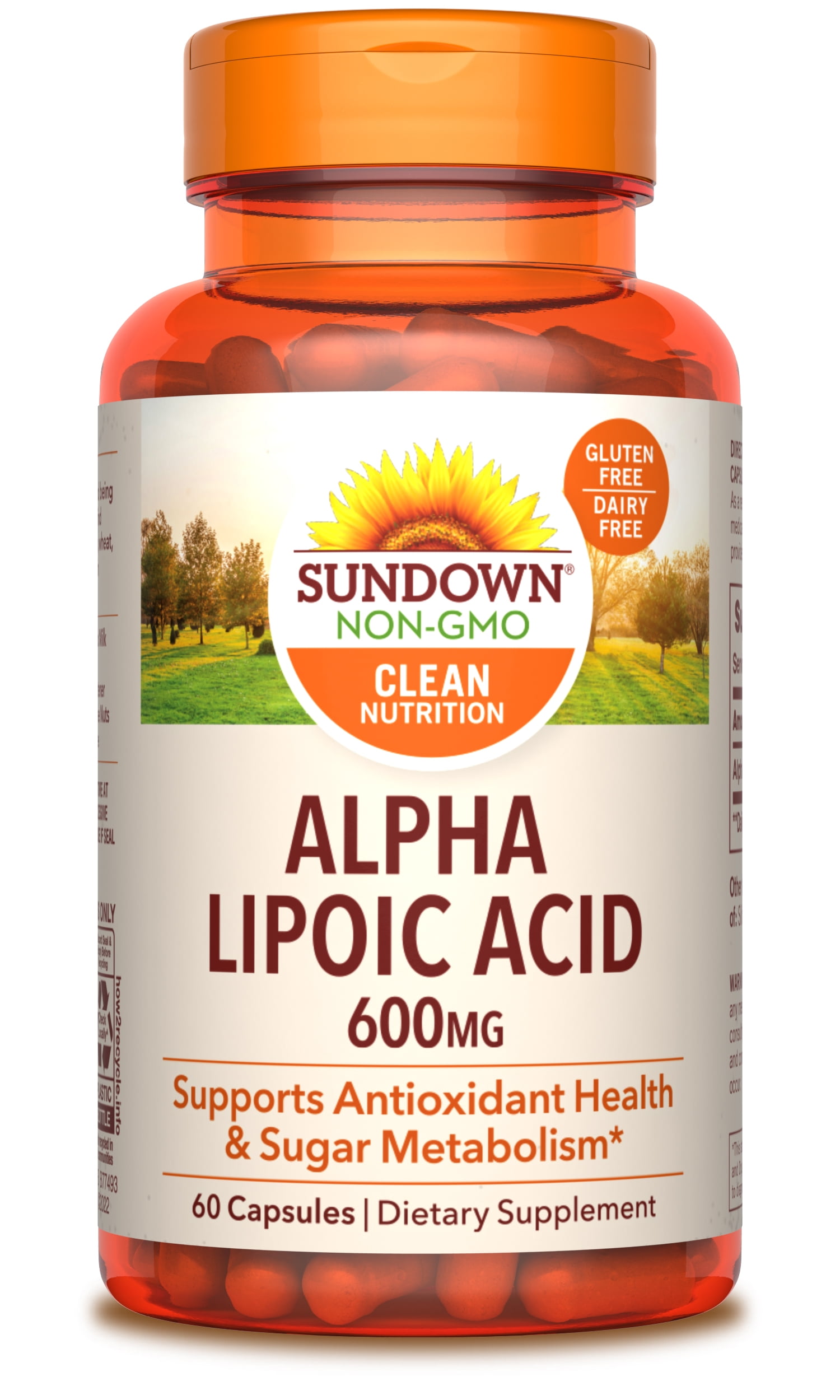
Alpha lipoic acid (ALA) is a unique organosulfur compound that functions as a versatile antioxidant, playing a critical role in cellular energy metabolism and combating oxidative stress throughout the body. Because the human body synthesizes ALA in very small quantities—and dietary absorption from whole foods is relatively low—many individuals turn to targeted supplementation to meet their nutritional and wellness requirements. Selecting the right source of alpha lipoic acid depends largely on your specific health goals, biochemical needs, and how your body processes different forms of the nutrient, notably R-alpha lipoic acid versus S-alpha lipoic acid, alongside whole-food dietary options.
Understanding Alpha Lipoic Acid and Its Biological Roles
To understand why selecting the right source of alpha lipoic acid matters so much, it is first necessary to examine what the compound is and how it functions within human physiology. Alpha lipoic acid is an antioxidant found naturally inside the cells of the body. Its primary role inside the cellular machinery—specifically within the mitochondria, often referred to as the powerhouses of the cell—is to help convert glucose into energy using oxygen.
Unlike many other well-known antioxidants, such as vitamin C or vitamin E, which are strictly water-soluble or fat-soluble respectively, alpha lipoic acid is both water- and fat-soluble. This dual solubility allows ALA to function in every cell and tissue of the body, crossing cellular membranes to neutralize free radicals in both the watery cytoplasm and the fatty lipid membranes. Furthermore, ALA has a unique ability to regenerate other depleted antioxidants, including vitamin C, vitamin E, and glutathione, which is widely considered the body's master antioxidant.
The human body manufactures enough ALA for basic metabolic functions, but it does not produce a surplus that can be harnessed for therapeutic or elevated antioxidant needs. Consequently, researchers and clinicians study ALA for its potential impacts on blood sugar regulation, nerve health, and inflammatory pathways. To optimize these benefits, consumers generally choose between two primary avenues of intake: dietary whole foods and specialized nutritional supplements.
The Chemistry of Sources: R-ALA Versus S-ALA
When evaluating commercial and natural sources of alpha lipoic acid, a crucial chemical distinction must be understood: the presence of stereoisomers. Synthetically produced alpha lipoic acid typically exists as a racemic mixture, which is a 50/50 blend of two different molecular configurations known as R-alpha lipoic acid (R-ALA) and S-alpha lipoic acid (S-ALA).
- R-Alpha Lipoic Acid (R-ALA): This is the naturally occurring form of alpha lipoic acid found in human cells and in nature. It is the biologically active form that the body readily recognizes, absorbs, and utilizes for enzymatic reactions and antioxidant defense.
- S-Alpha Lipoic Acid (S-ALA): This is the synthetic byproduct generated during standard chemical manufacturing processes. It is biologically inactive or significantly less potent than the R-form and is essentially filler in a racemic supplement blend.
Therefore, when seeking the best sources of alpha lipoic acid for targeted health requirements, distinguishing between whole-food sources containing natural R-ALA and specialized supplements featuring stabilized R-ALA versus standard racemic mixtures is paramount for efficacy.
| Source Type | Primary Form Present | Absorption Efficiency | Main Advantages | Primary Limitations |
|---|---|---|---|---|
| Whole Foods (Organ Meats, Spinach, Broccoli) | Natural R-ALA (bound to proteins) | Low (very low bioavailability) | Entirely natural matrix, additional micronutrients | Extremely low concentration; requires massive intake to achieve therapeutic doses |
| Stabilized R-ALA Supplements | Pure R-Alpha Lipoic Acid (free form) | High | Bioidentical, biologically active, potent antioxidant support | Higher cost, sensitive to heat and moisture if unstabilized |
| Standard Racemic (R/S) ALA Supplements | 50% R-ALA / 50% S-ALA | Moderate | Widely available, inexpensive | Lower biological activity per milligram due to inert S-form |
Source 1: Dietary Whole Foods for Baseline Nutritional Support
For individuals who prefer to obtain their nutrients through whole foods as part of a balanced diet, several natural sources contain trace amounts of alpha lipoic acid. While whole-food sources cannot match the milligram potency of concentrated supplements, they provide a wholesome dietary matrix rich in vitamins, minerals, and fiber.
Animal-Based Sources
Organ meats represent the richest biological reservoirs of alpha lipoic acid in the animal kingdom. Because ALA functions heavily within cellular respiration and mitochondrial energy production, tissues with high metabolic activity accumulate the highest concentrations.
- Beef Liver: A nutrient-dense organ meat that supplies bioavailable R-ALA alongside high levels of vitamin A, B12, and iron.
- Kidney and Heart: Similar to liver, these organ meats contain notable concentrations of natural lipoic acid bound to protein complexes.
- Red Meat: Standard cuts of beef and muscle meats contain modest amounts of ALA, though significantly less than organ meats.
Plant-Based Sources
While plant foods contain alpha lipoic acid, the quantities are generally minute, and the ALA is often covalently bound to plant proteins, making it somewhat more difficult for the human digestive tract to cleave and absorb efficiently. Nevertheless, incorporating these vegetables supports overall health:
- Spinach: A leafy green vegetable containing measurable trace amounts of ALA, along with iron, folate, and antioxidants like lutein.
- Broccoli: A cruciferous vegetable that provides small amounts of ALA alongside sulforaphane and vitamin C.
- Tomatoes and Brussels Sprouts: These garden vegetables offer minor dietary contributions of the compound.
Practical Limitations of Whole-Food Sources
Relying exclusively on whole foods to achieve therapeutic levels of alpha lipoic acid is practically challenging. Research indicates that the concentration of ALA in foods is typically measured in micrograms per gram, whereas clinical studies investigating ALA usually administer doses ranging from 300 to 600 milligrams per day. To consume 600 milligrams of alpha lipoic acid strictly from spinach or beef liver, an individual would need to ingest impractically massive quantities of food, making dietary supplementation necessary for targeted wellness goals.
Source 2: Concentrated Supplements (R-Alpha Lipoic Acid) for Targeted Needs
When dietary intake is insufficient to meet specific health objectives, concentrated supplements serve as the primary alternative source. Within the supplement category, choosing a purified, stabilized form of R-alpha lipoic acid represents the gold standard for bioavailability and effectiveness.
Why Stabilized R-ALA Outperforms Standard Supplements
Standard over-the-counter alpha lipoic acid supplements are frequently sold as racemic mixtures (R/S-ALA). While these are cheaper to manufacture, the body must expend energy to filter out the S-isomer, and the overall absorption rate is inferior. Furthermore, pure unstabilized R-ALA is notoriously unstable; it is prone to polymerizing when exposed to heat and moisture, turning into a sticky resin that the body struggles to absorb.
Advanced manufacturing techniques have solved this instability by producing stabilized R-alpha lipoic acid (often bound to sodium as Na-R-ALA). This sodium-stabilized salt form resists stomach acid degradation, dissolves rapidly in the gastrointestinal tract, and delivers peak plasma concentrations in the bloodstream much faster than standard racemic ALA or unstabilized R-ALA.
Evaluating Dosage and Administration
When incorporating supplemental R-alpha lipoic acid into a daily regimen, proper timing and dosing protocols maximize absorption:
- Dosage Range: Clinical literature commonly evaluates daily intakes between 300 mg and 600 mg, divided into two or three smaller doses throughout the day to maintain steady blood levels.
- Timing: Because food can significantly decrease the absorption of alpha lipoic acid, it is generally recommended to take supplements either 30 to 60 minutes before a meal or two hours after eating. However, individuals who experience mild gastrointestinal discomfort or acid reflux from empty-stomach dosing may take it with a light, low-fat snack.
Comparing Your Options: Whole Foods vs. Supplements
Choosing between whole-food sources and targeted R-ALA supplements depends entirely on your personal wellness strategy.
For general maintenance and foundational nutrition, a diet rich in dark leafy greens, cruciferous vegetables, and high-quality proteins provides an excellent matrix of micronutrients that support overall vitality. However, if you are addressing specific physiological needs—such as supporting healthy nerve function, managing oxidative stress associated with aging, or promoting optimal glucose metabolism—whole foods alone will fall short. In these scenarios, a high-purity, stabilized R-alpha lipoic acid supplement provides the necessary concentration and bioavailability.
Safety, Potential Side Effects, and Professional Guidance
Alpha lipoic acid is generally recognized as safe for most adults when consumed in food or taken orally as a supplement within recommended dosages. However, users should be aware of potential side effects and interactions:
- Gastrointestinal Effects: Mild nausea, stomach upset, or acid reflux can occur, particularly at higher doses (above 600 mg daily) or when taken on an empty stomach.
- Blood Sugar Considerations: Because ALA can enhance insulin sensitivity and glucose uptake, individuals taking medications for diabetes or blood sugar management should monitor their glucose levels closely and consult a healthcare professional to avoid episodes of hypoglycemia.
- Thyroid Interactions: Some preliminary clinical data suggests that high-dose ALA may influence thyroid hormone conversion (specifically T4 to T3), warranting caution for individuals with preexisting thyroid disorders.
Disclaimer: This information is for educational purposes only and does not constitute medical advice. Always consult a qualified healthcare provider before starting any new supplement regimen, especially if you have underlying medical conditions or take prescription medications.
Frequently Asked Questions
Can I get enough alpha lipoic acid from diet alone?
It is extremely difficult to obtain therapeutic amounts of alpha lipoic acid from diet alone. While foods like organ meats, spinach, and broccoli contain natural ALA, the concentrations are in the microgram range. Clinical applications typically require hundreds of milligrams, making supplementation necessary for targeted health benefits.
What is the difference between R-ALA and regular ALA?
Regular ALA is usually a racemic mixture containing 50% R-alpha lipoic acid (the bioactive form found in nature) and 50% S-alpha lipoic acid (the synthetic byproduct). Pure R-ALA is bioidentical to what the human body produces, resulting in superior absorption, cellular uptake, and overall biological potency.
When is the best time of day to take an ALA supplement?
For optimal absorption, take your alpha lipoic acid supplement on an empty stomach—either 30 to 60 minutes before a meal or two hours afterward. Food can bind to the compound and significantly reduce its bioavailability in the bloodstream.
Are there any drug interactions with alpha lipoic acid?
Yes. ALA can interact with blood glucose-lowering medications, potentially enhancing their effects and leading to low blood sugar. It may also interact with chemotherapy drugs or thyroid medications. Review your supplement regimen with a pharmacist or physician before combining them with prescription drugs.
How long does it take to notice the effects of alpha lipoic acid supplementation?
The timeframe varies depending on the individual and the specific health goal. Some antioxidant and metabolic effects occur at the cellular level immediately, while noticeable subjective improvements in energy or tissue comfort can take anywhere from a few weeks to a couple of months of consistent daily supplementation.
Next Actions for Your Wellness Regimen
To successfully integrate alpha lipoic acid into your routine, start by assessing your primary health objectives. If you are looking for general nutritional support, focus on increasing your intake of fresh vegetables and whole foods. If your goal requires higher, targeted antioxidant or metabolic support, research reputable supplement manufacturers that offer third-party tested, stabilized R-alpha lipoic acid. Always verify ingredient labels to ensure you are purchasing pure R-ALA rather than generic racemic mixtures, and consult with a medical professional to establish a safe, personalized dosing schedule.