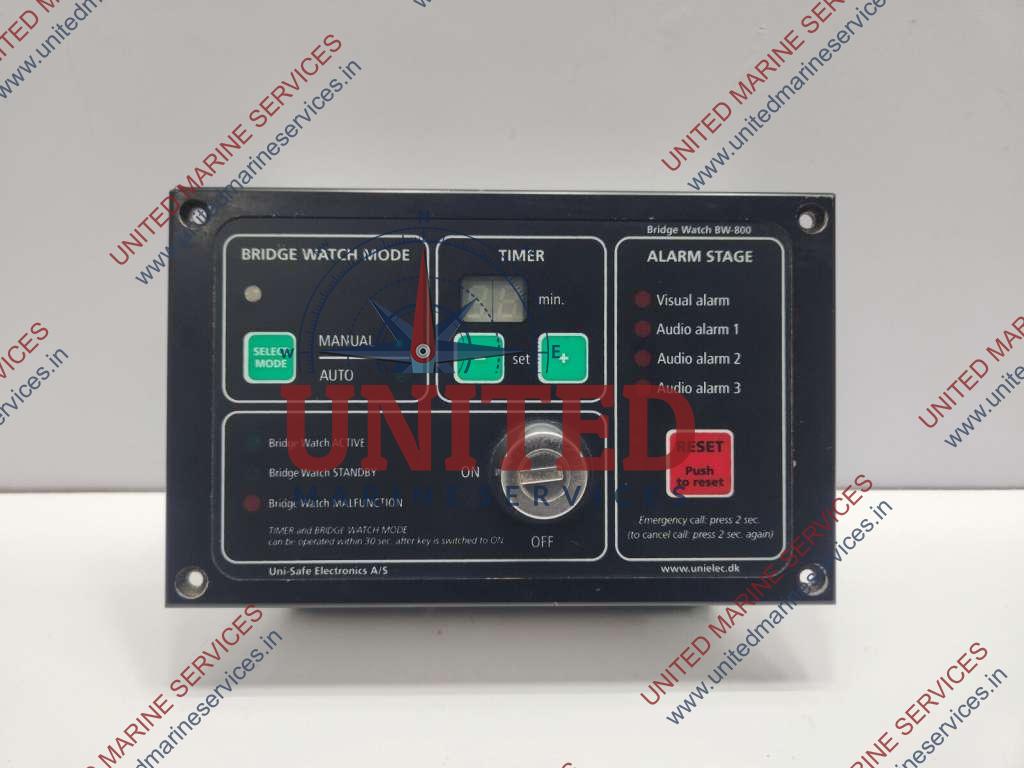
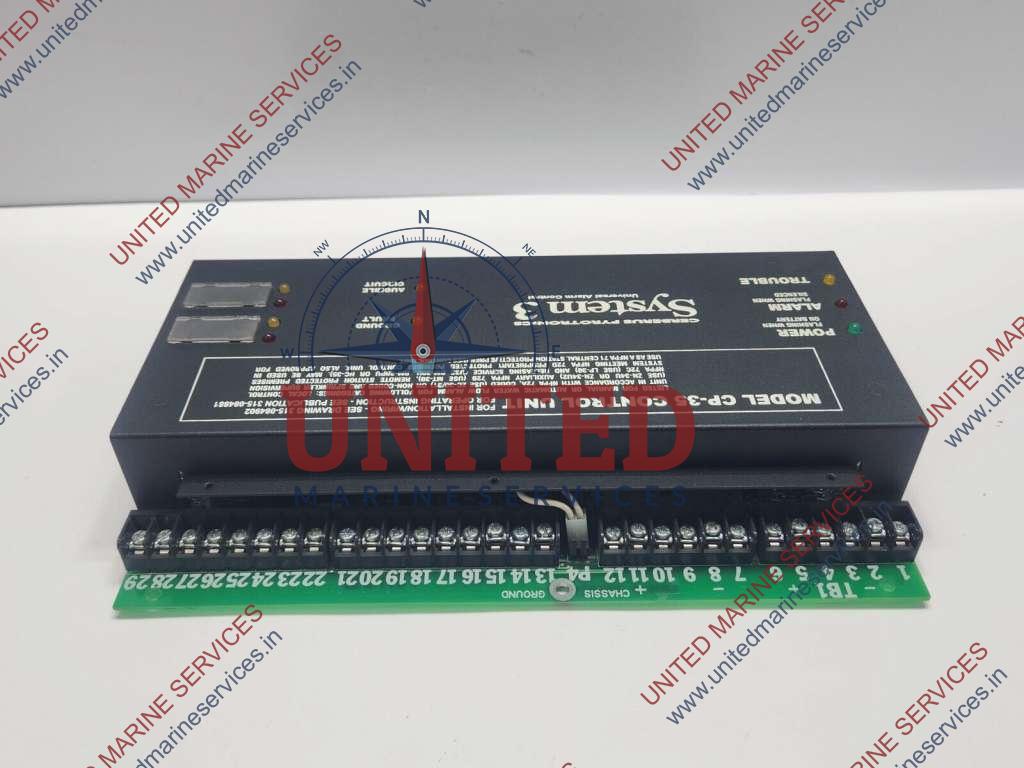
The 1500 Union alarm system provides commercial and high-end residential properties with a centralized, modular security infrastructure designed around robust perimeter monitoring, zone-based partitioning, and reliable hardwired or hybrid signaling. It integrates intrusion detection, access control interfaces, and programmable relay outputs into a unified safety and security management platform.
Introduction to the 1500 Union Alarm System
Security administrators and facilities managers continually seek robust, reliable perimeter and interior monitoring solutions that can scale with expanding structural footprints. The 1500 Union alarm system has established a distinct presence in the security marketplace by offering a structured, modular approach to multi-zone protection. Designed for environments requiring rigorous access protocols and dependable intrusion detection, this platform bridges the gap between traditional hardwired infrastructure and modern programmable monitoring capabilities.
Understanding the operational architecture of the 1500 Union alarm system requires examining its core control panel, zone expansion capabilities, communication pathways, and user interface options. Whether you are auditing an existing deployment, planning a facility retrofit, or troubleshooting signaling errors, a thorough technical overview ensures that the system operates at peak efficiency while maintaining compliance with local life-safety and security standards.
Core Architectural Components and Control Panel Layout
At the heart of the 1500 Union platform is the main control panel, housed in a heavy-gauge steel enclosure designed to resist physical tampering and environmental interference. The internal layout separates high-voltage alternating current (AC) power management from low-voltage signaling circuits to minimize electromagnetic interference (EMI) and signal degradation.
- 1500 Union Enclosure
- Transformer & AC Power Distribution
- Primary Logic Board & Microprocessor
- Backup Battery Compartment (12V)
- Communication Modules (Dialer / IP / Cell)
The primary logic board houses the microprocessor, onboard memory for event logging and user codes, plug-in connectors for expansion modules, and supervised zone terminals. The architecture relies on supervised loops, ensuring that any attempt to cut, short, or tamper with the wiring triggers an immediate supervisory trouble condition or alarm state, depending on the system programming.
Power regulation within the unit is managed by an integrated transformer converting line voltage down to low-voltage alternating current, which is then rectified and regulated to power the board, keypads, and auxiliary powered detectors such as passive infrared (PIR) motion sensors and glass-break detectors. A secondary, dedicated backup battery compartment houses a rechargeable 12-volt lead-acid battery capable of sustaining full system operation during prolonged commercial power outages.
Zone Configuration, Expansion, and Partitioning
Flexibility in zone deployment is a primary characteristic of the 1500 Union platform. The base panel typically provides a fixed number of hardwired loops, which can be expanded significantly through the addition of plug-in expansion cards or remote multiplexed modules connected via a supervised serial data bus.
Hardwired vs. Multiplexed Loops
- Direct Hardwired Zones: Connected directly to screw terminals on the main board or expansion cards. These loops rely on End-Of-Line (EOL) resistors to supervise the circuit against tampering, short circuits, and opens.
- Multiplexed Addressable Loops: Utilized in larger installations, these serial loops allow dozens of individually addressed sensors to communicate status changes over a single pair of wires, reducing installation labor and simplifying troubleshooting.
Partitioning Capabilities
The system supports multi-area partitioning, allowing a single physical control panel to operate as multiple independent security systems. For example, a commercial warehouse can be split into three distinct partitions:
- Office administration area (disarmed during business hours).
- High-value inventory storage (armed 24/7 with strict user code requirements).
- Loading dock perimeter (armed on a delayed schedule after shift changes).
Each partition can be assigned independent arming modes, user authority levels, and reporting destination accounts, ensuring granular administrative control across complex physical facilities.
Signal Transmission and Monitoring Pathways
An alarm system is only as effective as its ability to communicate events to a monitoring station or property manager. The 1500 Union platform supports multiple reporting pathways, accommodating legacy infrastructure while supporting modern communication standards.
Digital Communicators and Telephony
Historically, the platform relied heavily on a built-in digital alarm communicator transmitter (DACT) connecting to public switched telephone networks (PSTN). While still supported in legacy retrofits via Contact ID and SIA (Security Industry Association) data formats, modern installations increasingly bypass traditional copper telephone lines due to reliability concerns and digital subscriber line (DSL) interference.
Cellular and IP Transceiver Integration
Current implementations utilize modular IP and cellular communicators that plug directly into the system bus.
- Ethernet/IP Primary: Provides high-speed polling and event reporting over local area networks with dynamic or static IP addressing.
- Cellular Backup: Operates over established cellular carrier networks to provide redundancy. If the primary ethernet connection is severed—whether through accidental cable damage or deliberate sabotage—the cellular module transmits signals instantly.
- Supervised Polling: The control panel maintains a continuous polling heartbeat with the receiving central station receiver, ensuring instantaneous detection of communication path failures.
User Interfaces, Keypads, and Access Control
Interacting with the 1500 Union alarm system is managed primarily through dedicated alpha-numeric keypads and auxiliary credential readers. These interfaces provide real-time visual and audible feedback regarding zone status, system faults, alarm memories, and bypass conditions.
Keypad Ergonomics and Display Types
Alpha-numeric LCD keypads allow users to view descriptive zone text (e.g., "Zone 4: North Warehouse Door") rather than numeric codes alone. This drastically reduces operator error during arming and disarming sequences. Backlit rubber or tactile buttons ensure usability in low-light emergency scenarios.
User Authority Levels and Credentials
Security management requires strict control over who can modify system states. The 1500 Union platform supports hierarchical user access management:
- Master Administrators: Can program new user codes, alter system timers, and adjust global configuration settings.
- Standard Users: Authorized to arm and disarm assigned partitions only.
- Duress Codes: Special numeric combinations that disarm the system outwardly while silently transmitting an emergency holdup signal to the monitoring center.
- Access Control Integration: Wiegand-compatible reader interfaces allow proximity card or biometric readers to disarm specific partitions upon valid badge presentation, merging physical access control with intrusion detection.
Technical Specifications and Operational Comparison
To evaluate the suitability of the 1500 Union alarm system for a specific deployment, reviewing its foundational technical parameters alongside alternative architectural approaches provides essential clarity.
| Technical Parameter | 1500 Union Baseline Specification | Typical Alternative System |
|---|---|---|
| Primary Power Supply | 16.5 VAC transformer with regulated DC output | 12VDC switching power supply module |
| Backup Battery Support | 12V lead-acid, up to 18Ah capacity | 12V lead-acid, typically capped at 7Ah |
| Onboard Hardwired Zones | 8 to 16 supervised zones with EOL resistors | 4 to 8 basic loops |
| Maximum Expandable Zones | Up to 128 via serial multiplex bus | Limited to 32–64 zones |
| Partitioning Support | Up to 8 independent partitions | 2 to 4 basic partitions |
| Communication Protocols | Contact ID, SIA DC-03, TCP/IP, Cellular | Primarily proprietary IP protocols |
Installation Best Practices and Wiring Guidelines
Proper physical installation dictates the long-term reliability of any security infrastructure. When deploying or servicing a 1500 Union system, technicians must adhere to rigorous electrical and mechanical standards.
- Enclosure Grounding: Connect the metal cabinet chassis directly to a verified earth ground (such as a cold water pipe or electrical service ground rod) using heavy-gauge copper wire to protect against lightning-induced surges and static discharge.
- Wire Routing: Separate high-voltage AC supply wiring from low-voltage data and zone loops. Running signal cables parallel to fluorescent lighting ballasts or high-voltage power lines induces electrical noise that can cause false alarms or communication errors.
- End-of-Line Resistor Placement: Always install EOL resistors at the physical end of the detection circuit (inside the sensor housing rather than inside the control panel enclosure). Placing resistors at the sensor ensures the entire wire run is supervised against shorting or bridging attempts.
- Battery Maintenance: Perform annual load testing on the standby 12V lead-acid battery. Lead-acid batteries degrade over time; failing to replace them every three to five years can result in immediate system shutdown during a primary power failure.
Troubleshooting Common System States and Fault Conditions
When administrative indicators or keypad buzzers signal a trouble condition, systematic diagnostic procedures isolate the root cause quickly.
System Trouble (TRBL) Indication
A flashing trouble light indicates that the panel has detected an abnormality. Pressing the display key reveals specific trouble codes:
- AC Loss: Indicates the primary 16.5 VAC transformer has failed, the circuit breaker is tripped, or the plug has been disconnected. The system is running entirely on backup battery power.
- Low Battery: Appears when battery voltage drops below acceptable operational thresholds under load. Verify AC power is present and allow the internal charger time to replenish the battery. If the condition persists, replace the battery unit.
- Communications Failure (COMM FAIL): Indicates the panel was unable to transmit a test report or alarm signal to the central station. Verify internet router status, active cellular signal strength, or telephone line voltage.
- Zone Tamper / Open: Indicates a break in a supervised hardwired loop or an open cover on a protected sensor. Check physical wiring terminations at both the sensor and the panel expansion board.
Frequently Asked Questions
Can the 1500 Union alarm system integrate with existing smoke detectors?
Yes, the system supports four-wire and compatible two-wire smoke detectors on designated powered zones. These zones must be programmed with fire supervisory characteristics, including automatic sensor reset capabilities and latching alarm behaviors, to comply with local fire safety codes.
How do I clear a memory of alarm on the keypad?
After an alarm event has occurred and the physical security breach has been resolved, entering a valid master user code followed by the off/disarm command sequence typically clears the alarm memory display from the keypad interface. If the zone remains faulted or unsealed, the panel will prevent arming until the physical condition is corrected.
Is professional monitoring required to operate the 1500 Union system?
No, central station monitoring is optional. The system can be configured for local-only operation, where audible sirens activate upon breach without sending external transmission signals. However, connecting the system to a certified monitoring facility is strongly recommended for commercial properties and unattended high-risk assets.
What is the maximum distance for hardwired zone homerun runs?
Standard 22 AWG or 18 AWG shielded alarm wire can typically extend up to 1,000 feet from the control panel to the sensor location without excessive voltage drop or signal attenuation, provided the total loop resistance remains within manufacturer specifications.
Can user access codes be managed remotely?
Depending on the specific communication modules installed (such as an IP or cellular gateway paired with management software), authorized administrators can add, modify, or delete user codes remotely via secure web portals or dedicated administrative software suites.
Practical Next Actions
If you are currently managing a 1500 Union alarm system deployment, begin by conducting a comprehensive walk-test of all zones to verify that sensor contact points and EOL supervision loops are operating correctly. Review the system event log for intermittent trouble indicators, and confirm that backup battery replacement logs are up to date. For complex architectural retrofits or software integrations, consult the original engineering manuals and partner with certified security technicians to ensure full compliance with regional life-safety regulations.