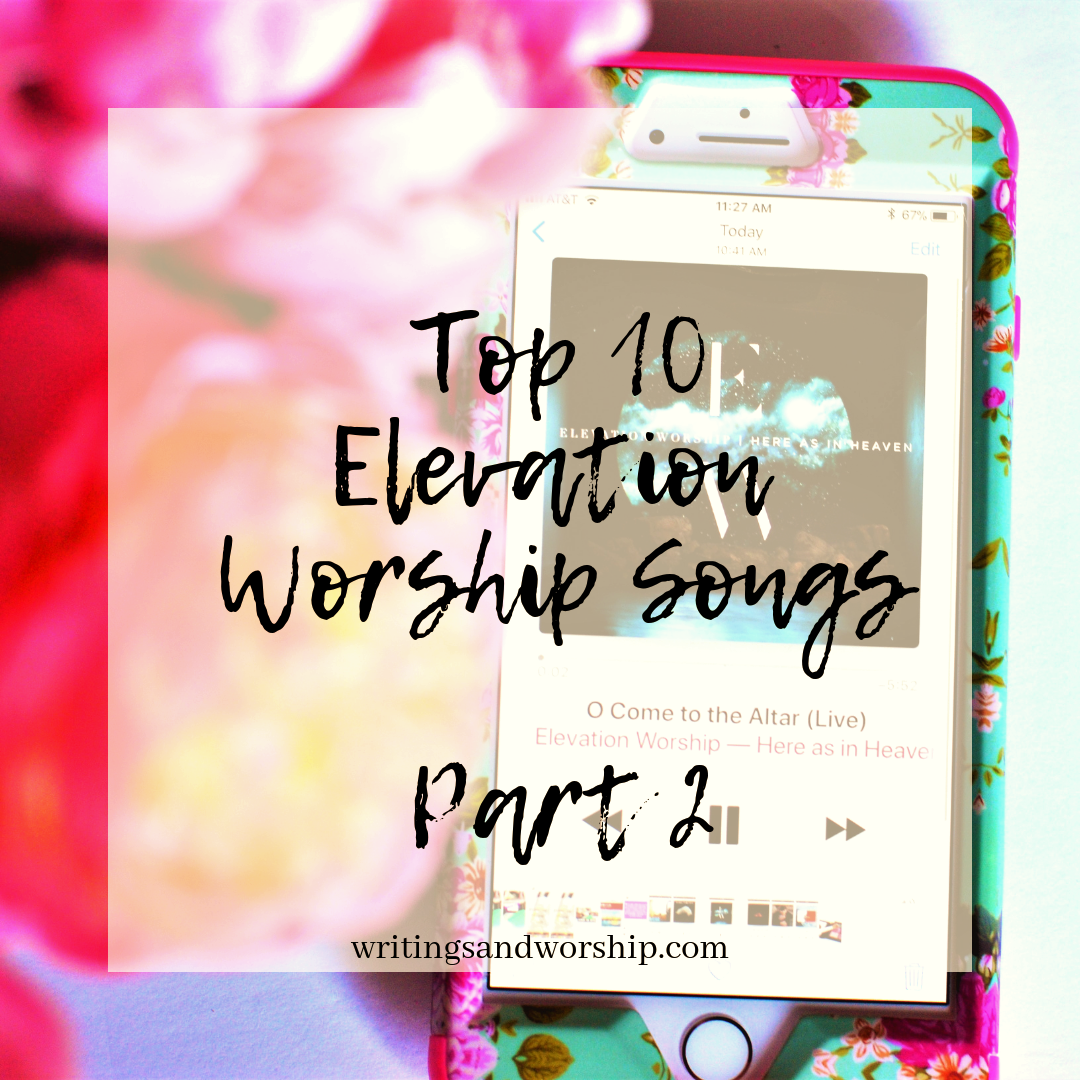
The year 2017 was a defining period for contemporary worship music, characterized by anthemic declarations of faith, deeply reflective vertical worship tracks, and songs that crossed over from Sunday morning church services into mainstream charts. During this year, writing teams from major ministries and labels—such as Bethel Music, Hillsong Worship, Passion, and Elevation Worship—released compositions that would anchor church setlists for the better part of a decade. These tracks balanced theological depth with congregational accessibility, ensuring they could be sung by congregations of any size.
The Landscape of Contemporary Worship Music in 2017
The musical landscape of 2017 reflected a shift toward immersive, ambient sonic textures paired with lyrics rooted in biblical identity and the sovereignty of God. Church production standards continued to evolve, and congregational singing increasingly mirrored the dynamic builds and emotional crescendos found in modern studio recordings.
Key Characteristics of 2017 Worship Releases
- Congregational Singability: Melodic ranges were generally kept within reach of the average untrained singer, allowing entire congregations to participate fully.
- Theological Themes: Lyrics heavily emphasized grace, overcoming anxiety and fear through faith, the unchanging nature of God, and the concept of identity as adopted children.
- Production Styles: A blend of swelling ambient guitars, driving percussion, and piano-driven balladry dominated the genre, creating a contemplative yet powerful atmosphere.
10 Defining Worship Songs of 2017
The following ten songs captured the hearts of churchgoers globally in 2017, shaping the sound of modern liturgy and inspiring millions of listeners.
1. "What A Beautiful Name" – Hillsong Worship
Written by Ben Fielding and Brooke Ligertwood, this track became an instant modern classic. Released on the album Let There Be Light, it won the Grammy Award for Best Contemporary Christian Music Performance/Song in 2018. The song traces the narrative of the Gospel, moving from the incarnation to the resurrection, and culminates in a powerful declaration of the supremacy of Jesus' name.
2. "Reckless Love" – Cory Asbury
Released by Bethel Music in late 2017 as the title track to Cory Asbury’s solo album, "Reckless Love" sparked significant theological discussion and widespread adoption in churches. The phrase "reckless love" was defended by the author and theologians as a poetic descriptor of an extravagant, uncalculated, and relentless divine pursuit of humanity, resonating deeply with listeners who had experienced profound grace.
3. "Glorious Day" – Passion (feat. Kristian Stanfill)
Originally written by Death Cab for Cutie's transient indie-rock sensibilities (adapted later into a hymn arrangement by Casting Crowns), the Passion movement recorded a definitive modern worship version led by Kristian Stanfill on the album Worship Gone Public. Its driving tempo and linear narrative—moving from spiritual death to resurrection life—made it a staple for upbeat Sunday morning openers.
4. "O Come to the Altar" – Elevation Worship
Featured on Elevation Worship’s album Here As In Heaven, this invitation-centric song focuses on repentance, surrender, and acceptance. With its familiar, gentle 6/8 meter and an easily memorable chorus ("Oh come to the altar / The Father's arms are open wide"), the song was designed specifically to facilitate response times during church services.
5. "Who You Say I Am" – Hillsong Worship
Also emerging from the Let There Be Light era and championed heavily by Hillsong Young & Free, this upbeat anthem addresses identity and adoption in Christ. Its central line, "Whom the Son sets free is free indeed / I'm a child of God," provided a joyful, declarative counter-weight to the more solemn, reflective ballads popular at the time.
6. "So Will I (100 Billion X)" – Hillsong United
Released on the album Wonder, this song is noted for its poetic integration of scientific creationism and worship. Drawing inspiration from Genesis and modern astrophysics, the lyrics reflect on God's intentionality, noting that if the stars obey His voice and the mountains bow down, humanity will echo that worship ("So will I / 100 billion times").
7. "Tremble" – Mosaic MSC
Emerging from the Los Angeles-based arts collective Mosaic, "Tremble" focuses on the authority of Jesus over darkness, fear, and death. The song utilizes sparse verses that build into a soaring, repetitive chorus proclaiming that even demons and shadows must tremble at the name of Jesus.
8. "The Lion and the Lamb" – Big Daddy Weave
While initially gaining traction earlier, this track reached peak congregational saturation in 2017 through recordings by Leeland and Big Daddy Weave. Co-written by Brenton Brown, Brian Johnson, and Jeremy Edwardson, the song highlights the dual nature of Christ as both the conquering Lion and the sacrificial Lamb, calling for the preparation of the way for the Lord.
9. "Hallelujah Here Below" – Elevation Worship
As the title track of their 2018 project recorded live in late 2017, this song emphasizes that earthly worship mirrors heavenly praise. It directs focus away from production and performance toward the heart of sincere, humble devotion offered in everyday spaces.
10. "Living Hope" – Phil Wickham
Co-written by Phil Wickham and Brian Johnson, this modern hymn was released ahead of Wickham's 2018 album Living Hope, capturing the imagination of worship leaders throughout late 2017. It pairs a rich recounting of substitutionary atonement with a triumphant chorus celebrating the living hope found in Christ's resurrection.
Comparative Overview of 2017 Worship Anthems
| Song Title | Primary Artist / Ministry | Core Theme / Focus | Typical Tempo |
|---|---|---|---|
| What A Beautiful Name | Hillsong Worship | The incarnation and supremacy of Jesus | Mid-tempo (Ballad) |
| Reckless Love | Bethel Music (Cory Asbury) | God's relentless, extravagant pursuit | Mid-tempo |
| Glorious Day | Passion (feat. Kristian Stanfill) | Conversion and resurrection life | Upbeat |
| O Come to the Altar | Elevation Worship | Invitation, repentance, and surrender | Slow / Moderate 6/8 |
| Who You Say I Am | Hillsong Worship | Spiritual identity and adoption | Upbeat |
| So Will I (100 Billion X) | Hillsong United | Creation, science, and divine nature | Atmospheric / Mid-tempo |
| Tremble | Mosaic MSC | The authority and name of Jesus | Building Ballad |
| The Lion and the Lamb | Big Daddy Weave / Leeland | The majesty and sacrifice of Christ | Mid-tempo Anthem |
| Living Hope | Phil Wickham | The resurrection and salvation | Upbeat Anthem |
Frequently Asked Questions
What defined the sound of worship music in 2017?
The sound of 2017 worship music was characterized by atmospheric guitar delays, synth pads, dynamic rhythmic builds, and lyrics that emphasized vertical adoration, personal identity in Christ, and biblical narratives. This era heavily favored songs that could transition smoothly from intimate acoustic verses to massive, anthemic choruses.
Which artists dominated the Christian music charts in 2017?
Ministries such as Hillsong Worship, Hillsong United, Bethel Music, Elevation Worship, and Passion were the primary drivers of the genre during this period. Independent and solo artists like Phil Wickham and Cory Asbury also released landmark songs that defined the year's church culture.
How did these songs impact local church services?
These tracks shifted how local churches structured their corporate gatherings. Many worship leaders adopted the dynamic arrangement styles of these recordings, utilizing ambient instrumentals for prayer and reflection, and selecting congregational anthems that prioritized singability and emotional resonance.
Are these 2017 songs still sung in churches today?
Yes. Many compositions from 2017, particularly "What A Beautiful Name," "Reckless Love," and "Living Hope," have achieved standard repertory status in modern evangelical and contemporary liturgical churches, remaining staples on Sunday morning setlists years after their initial release.
Practical Recommendations for Worship Leaders and Musicians
When revisiting or integrating songs from this era into contemporary church services, worship leaders should focus on authenticity and theological alignment with their specific congregation. Rather than mimicking the exact studio or live-album arrangements—which often rely on massive production, specialized synth patches, and multiple electric guitars—leaders should scale arrangements to fit the size and instrumentation of their local team. Ensuring that the vocal melodies remain clear and accessible will encourage active congregational participation, keeping the focus on corporate worship rather than musical performance.