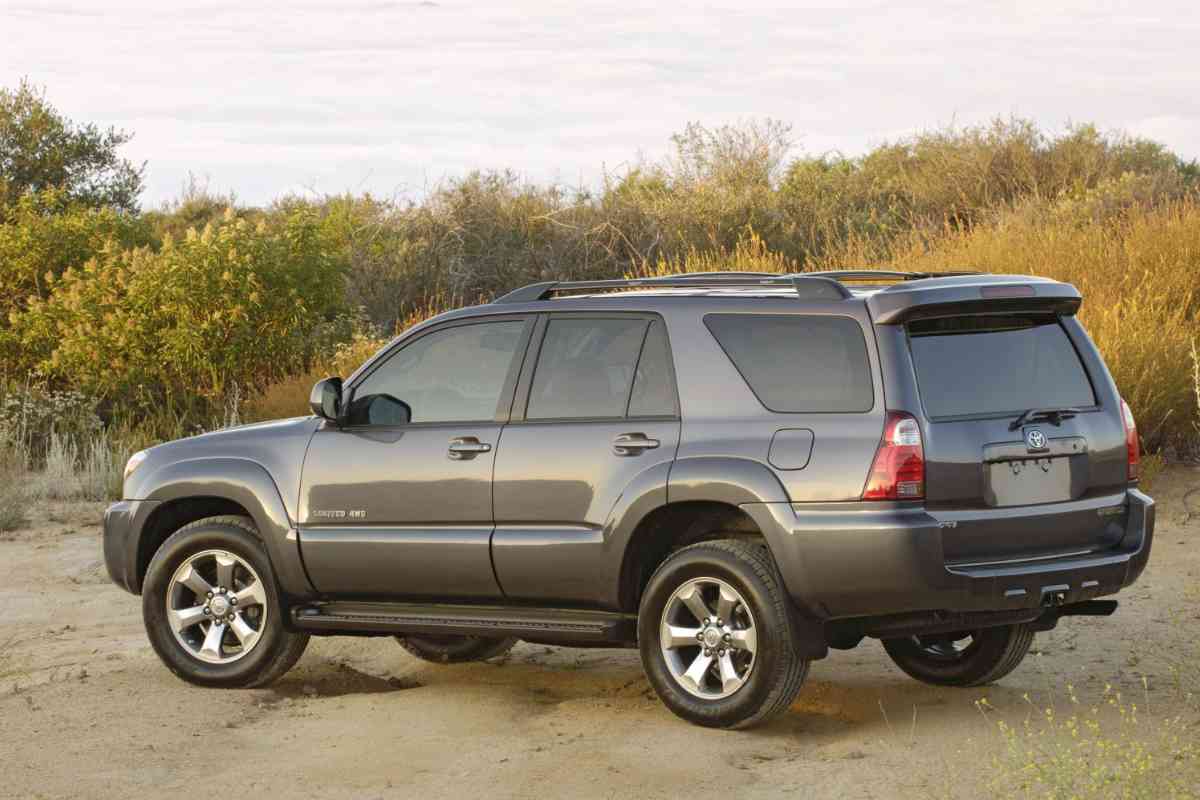
The Toyota 4Runner is widely celebrated for its rugged body-on-frame construction, legendary reliability, and enduring off-road capability. However, like any long-running automotive platform spanning multiple generations, it has a few known mechanical tendencies, wear-and-tear points, and electronic quirks. Understanding these common trouble areas can help prospective buyers inspect used models thoroughly and assist current owners in diagnosing symptoms before minor concerns escalate into major repair bills.
1. Underbody and Frame Rust (Corrosion)
Frame rust is arguably the most infamous and structurally critical issue affecting older generations of the Toyota 4Runner, particularly the third-generation (1996–2002) and fourth-generation (2003–2009) models sold in regions that use heavy winter road salt. Because the 4Runner utilizes a traditional ladder-frame design, moisture, salt, and mud can get trapped inside the boxed sections of the steel frame, leading to internal corrosion that compromises structural integrity.
Symptoms and Inspection
Initial signs include surface bubbling under the factory coating, flaking scale, or soft spots when the metal is prodded with a screwdriver. Structural compromise is often found near the rear suspension trailing arm mounts, catalytic converters, and the rear wheels.
Prevention and Mitigation
- Thoroughly wash the undercarriage after driving on salted roads.
- Apply specialized rust-inhibiting coatings, such as lanolin-based oil sprays, annually.
- If rust is caught early, a professional frame cleaning, neutralizing, and reinforcing plate kit can mitigate the damage. Severely compromised frames typically require a total frame replacement or render the vehicle a total loss.
2. Secondary Air Injection System Failures
Fourth-generation 4Runners equipped with the 4.7-liter 2UZ-FE V8 engine (and some late-model V6 variants) are prone to failures within the secondary air injection system. This emissions-control subsystem pumps fresh air into the exhaust stream during cold startups to help heat up the catalytic converters quickly.
Symptoms and Inspection
When a component in this system fails, the vehicle typically enters "limp mode," accompanied by the Check Engine Light, VSC (Vehicle Stability Control) Trac, and VSC Off lights illuminating simultaneously on the dashboard. The primary culprit is often moisture entering the air injection pump via faulty check valves, causing the internal electric motor to seize or blow a dedicated fuse.
Prevention and Mitigation
- Replace the air injection switching valves and check valves with updated, redesigned OEM parts that feature improved moisture protection.
- Install aftermarket electronic bypass modules if local emissions laws permit, which disable the system code and prevent unexpected limp mode activations.
3. Cracked Dashboard Materials
Interior durability is generally high in the 4Runner, but fourth-generation models (specifically 2003 through 2005) frequently suffer from sticky, melting, and ultimately cracking dashboards when exposed to intense UV rays and high cabin temperatures over extended periods.
Symptoms and Inspection
The plastic material begins to feel tacky to the touch, reflects a shiny glare onto the windshield, and eventually develops deep, unsightly structural cracks, particularly around the passenger-side airbag deployment zone.
Prevention and Mitigation
- Use a high-quality UV-blocking windshield sunshade whenever the vehicle is parked outside.
- Treat interior plastics regularly with non-greasy UV protectants.
- Toyota previously offered customer support programs and extended warranties for this specific defect, but most affected vehicles are now well past coverage limits, requiring either a complete dashboard replacement or the installation of a custom carpet dashboard cover.
4. X-REAS Suspension System Leaks
The Cross-Linked Relative Absorber System (X-REAS) is a hydraulic suspension setup found on higher-trim 4Runners (such as the Sport Edition and certain Limited trims) designed to reduce body roll and pitch during cornering. While it offers impressive on-road handling for a tall SUV, the complex network of lines, center control absorber, and individual dampers eventually leaks.
Symptoms and Inspection
A failing X-REAS system manifests as a harsh ride, fluid pooling near the frame rails, or visible oil weeping from the shock absorbers. Once one shock loses pressure, the entire hydraulic circuit becomes unbalanced.
Prevention and Mitigation
- Because repairing individual components of the X-REAS system is complex and expensive, many owners choose to remove the entire hydraulic system entirely.
- Replace the stock X-REAS setup with a conventional aftermarket shock and coil spring suspension lift kit, which simplifies future maintenance and often improves overall off-road articulation.
5. Frozen or Seized Rear Hatch Window
The power-rolling rear window integrated into the tailgate is a signature 4Runner feature, but it is also a notorious trouble spot across multiple generations. The mechanical window regulator, electric motor, and rubber weatherstripping are exposed to moisture, road dirt, and dust.
Symptoms and Inspection
The window refuses to roll down via the dashboard switch, the key cylinder in the tailgate, or the key fob. Sometimes a clicking sound is heard from the tailgate panel, indicating that the motor is receiving power but the mechanism is jammed.
Prevention and Mitigation
- Regularly operate the rear window to prevent the seals from sticking and the mechanical cables from binding.
- Lubricate the window tracks with silicone spray and keep the drain holes at the bottom of the tailgate clear of debris.
- Replace seized wiper motors, rusted window regulator cables, or failed limit switches as a complete assembly when necessary.
6. Front Suspension Lower Ball Joint Failure
Third-generation 4Runners (1996–2002) have a well-documented mechanical weak point regarding the front lower ball joints. Unlike many trucks that place the weight of the vehicle hanging from the upper ball joint, the third-generation 4Runner design puts the lower ball joint under constant compression and heavy structural stress.
Symptoms and Inspection
When a lower ball joint fails completely, the front wheel separates from the control arm, causing the front corner of the vehicle to drop instantly and resulting in a catastrophic loss of steering control while driving. Warning signs include a rhythmic squeaking or clunking noise when turning or going over bumps, and visible play in the wheel when jacked up.
Prevention and Mitigation
- Inspect lower ball joints every oil change.
- Replace them proactively every 100,000 miles using genuine OEM Toyota parts only; aftermarket budget ball joints have a high failure rate in this specific application.
7. Head Gasket Failures (3.0L V6 - 2nd Gen)
Early second-generation 4Runners equipped with the 3.0-liter 3VZ-E V6 engine are notorious for premature head gasket failures. The exhaust crossover pipe traps excessive heat underneath the rear cylinders, leading to warped cylinder heads and blown gaskets.
Symptoms and Inspection
Symptoms include unexplained coolant loss, white smoke from the tailpipe, milky engine oil (indicating coolant mixing with oil), and engine overheating.
Prevention and Mitigation
- Address cooling system maintenance aggressively, including replacing the radiator, thermostat, and water pump at recommended intervals.
- If a head gasket fails, have the cylinder heads machined flat or replaced, and install upgraded multi-layer steel (MLS) gaskets along with an aftermarket headers kit to reduce exhaust heat retention.
8. Evaporative Emissions (EVAP) System Leaks
Modern 4Runners feature sophisticated EVAP systems designed to capture and recycle fuel vapors. Over time, rubber hoses, fuel filler necks, and the charcoal canister can develop microscopic cracks or loose connections.
Symptoms and Inspection
The primary indicator is an illuminated Check Engine Light accompanied by a "Check Gas Cap" warning message. A diagnostic scan tool will typically reveal generic trouble codes such as P0440, P0442, or P0456.
Prevention and Mitigation
- Ensure the fuel cap is clicked tightly after every refueling stop.
- Inspect the rubber hoses running along the frame near the fuel tank for dry rot or cracking, and replace faulty VSV (Vacuum Switching Valves) or gas caps with OEM components.
9. Exhaust Manifold Cracks
Both the 4.0-liter 1GR-FE V6 engine (found in fourth and fifth generations) and the older 4.7-liter V8 are known to experience cracked exhaust manifolds or degraded manifold gaskets, particularly in vehicles subjected to rapid thermal cycling in cold climates.
Symptoms and Inspection
A ticking or tapping noise is typically audible from the engine bay upon a cold startup, which often quiets down as the metal expands and seals the crack once the engine reaches normal operating temperature. You may also notice a faint exhaust odor under the hood.
Prevention and Mitigation
- Replace the factory manifolds with heavy-duty aftermarket stainless steel headers or updated OEM manifolds with fresh gaskets.
- Ensure all manifold bolts are torqued to exact factory specifications to prevent future warping.
10. Blower Motor Resistor and Fan Noise
Interior comfort can be disrupted by climate control fan failures. Fifth-generation 4Runners (2010–present) occasionally experience noisy cabin blower motors or complete failure of the blower motor resistor.
Symptoms and Inspection
The cabin fan may chirp, squeak, or whine at low speeds due to bearing wear or debris falling from the cabin air filter into the blower cage. Alternatively, the fan may only operate on the highest speed setting, which indicates a burned-out resistor block.
Prevention and Mitigation
- Inspect and replace the cabin air filter annually to prevent leaves and dust from reaching the blower wheel.
- Clean out foreign debris from the blower housing, and replace the blower motor and resistor pack as a matched set if electrical resistance causes overheating.
Quick Reference: Toyota 4Runner Generations and Key Issues
| Generation | Production Years | Primary Engine Options | Top Common Mechanical Issues |
|---|---|---|---|
| 2nd Gen | 1990–1995 | 2.4L I4, 3.0L V6 | Head gasket failures, sluggish performance, rear tailgate rust. |
| 3rd Gen | 1996–2002 | 2.7L I4, 3.4L V6 | Frame rust, front lower ball joint wear, automatic transmission cooler leaks. |
| 4th Gen | 2003–2009 | 4.0L V6, 4.7L V8 | Secondary air injection failure, cracked dashboard, X-REAS leaks. |
| 5th Gen | 2010–Present | 4.0L V6 | Exhaust manifold tick, secondary air pump issues, noisy blower motor. |
Frequently Asked Questions
Which Toyota 4Runner generation is the most reliable?
The third generation (1996–2002) with the 3.4-liter V6 engine is widely regarded by enthusiasts as mechanically bulletproof, provided the frame has been inspected for rust and the lower ball joints have been replaced with OEM parts. The fifth generation (2010–present) is also exceptionally reliable due to its proven 4.0-liter engine and five-speed automatic transmission.
How can I check a used Toyota 4Runner for hidden frame rust?
Do not rely solely on a visual inspection of the exterior frame rails. Crawl underneath with a flashlight and a blunt metal tool or screwdriver. Firmly tap on the boxed sections of the frame, specifically above the rear axle and near the catalytic converters, to check for flaking scale, soft spots, or perforation.
Are Toyota 4Runner engines interference engines?
Yes, most older Toyota 4Runner engines (such as the 3.4L V6 and 4.7L V8) utilize a rubber timing belt and are interference designs, meaning the valves and pistons will collide if the belt snaps. It is critical to replace the timing belt, water pump, and tensioners every 90,000 miles or 9 years.
Is the V6 or the V8 better in the fourth-generation 4Runner?
Both engines are exceptionally durable, but they serve different needs. The 4.0-liter V6 (1GR-FE) features a maintenance-free timing chain and better fuel economy. The 4.7-liter V8 (2UZ-FE) uses a timing belt but offers a smoother power delivery, higher towing capacity, and legendary commercial-grade durability derived from the Land Cruiser platform.
What should I look for when buying a high-mileage 4Runner?
Focus heavily on service records, suspension component wear, fluid leaks at the differential seals and valve covers, and structural frame condition. Mileage is less critical on a well-maintained Toyota than adherence to preventative maintenance schedules.
Final Recommendation
Owning or purchasing a Toyota 4Runner comes with immense peace of mind regarding long-term durability, but proactive maintenance is essential. Before purchasing any used model, schedule a pre-purchase inspection with an independent mechanic specializing in Toyota vehicles to put the vehicle on a lift, check for frame corrosion, and scan all electronic modules. For current owners, addressing minor issues like squeaking ball joints, worn suspension components, or EVAP leaks early will ensure your 4Runner remains ready for the trail for hundreds of thousands of miles.